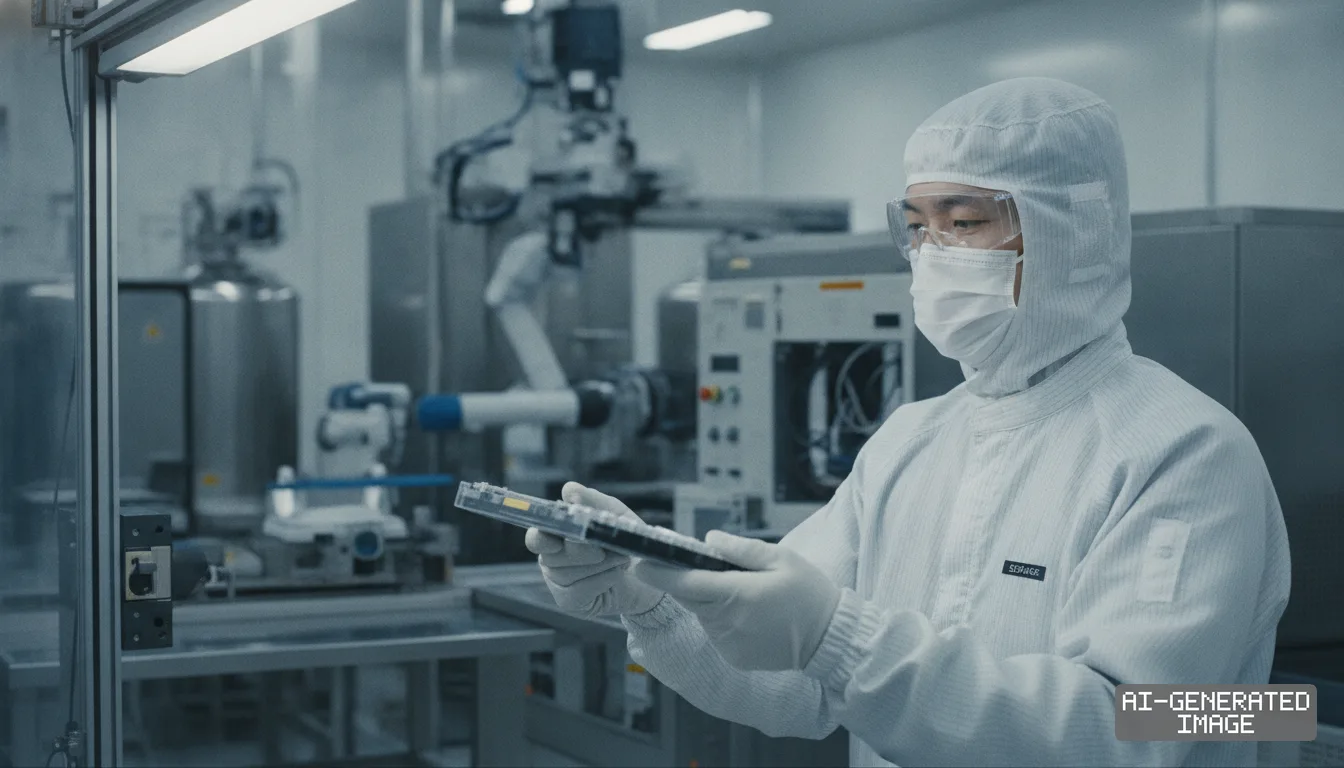
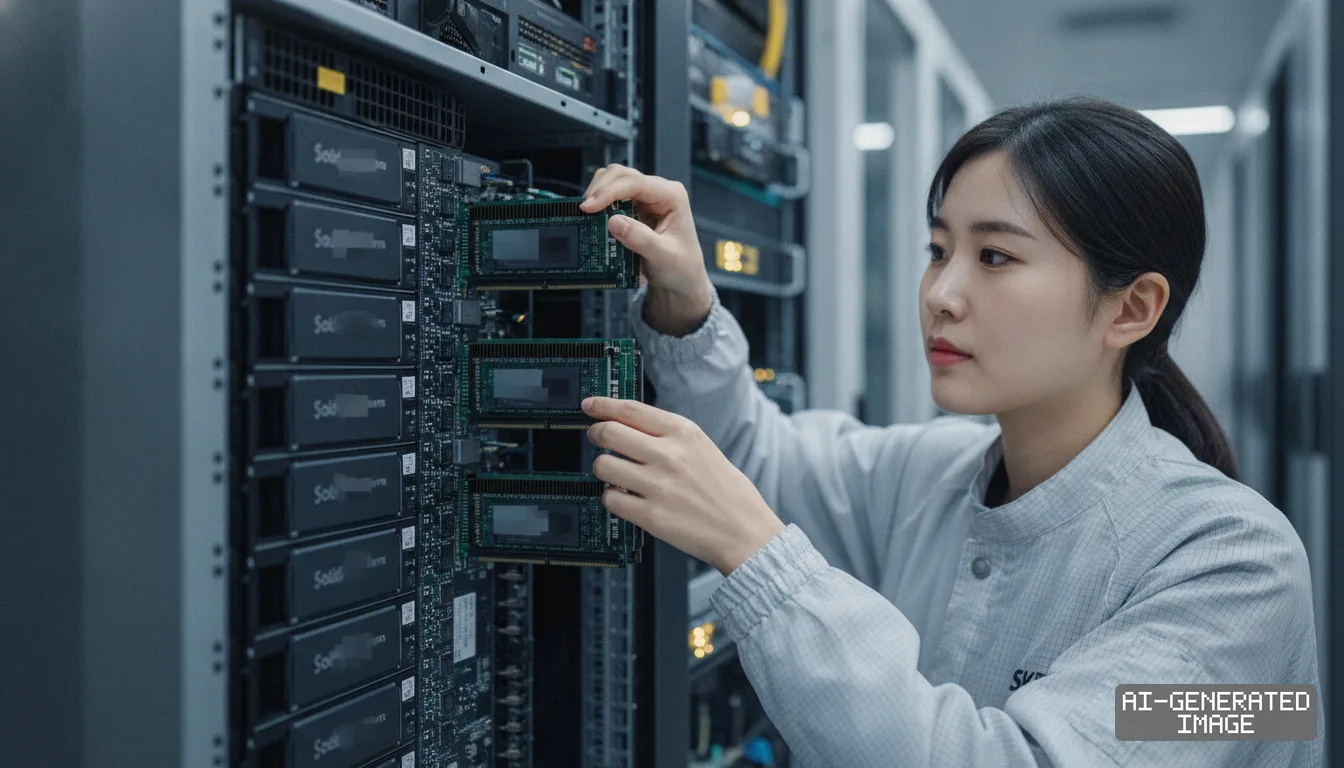
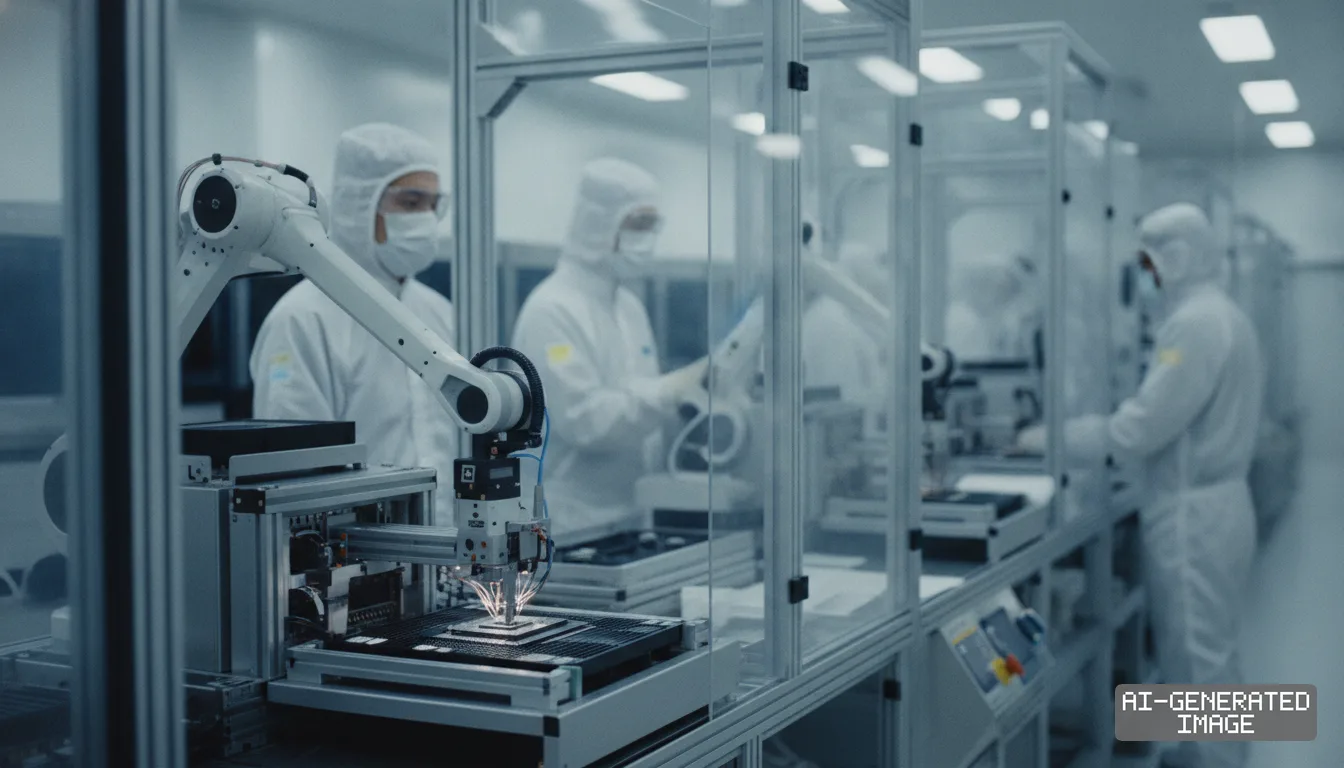
SMIC warns legacy foundry constraints will squeeze AI through 2027
Co-CEO Zhao Haijun cautioned that peripheral silicon deficits will outlast record fab runs after third-quarter revenue jumped 33.9% to $3.19 billion.
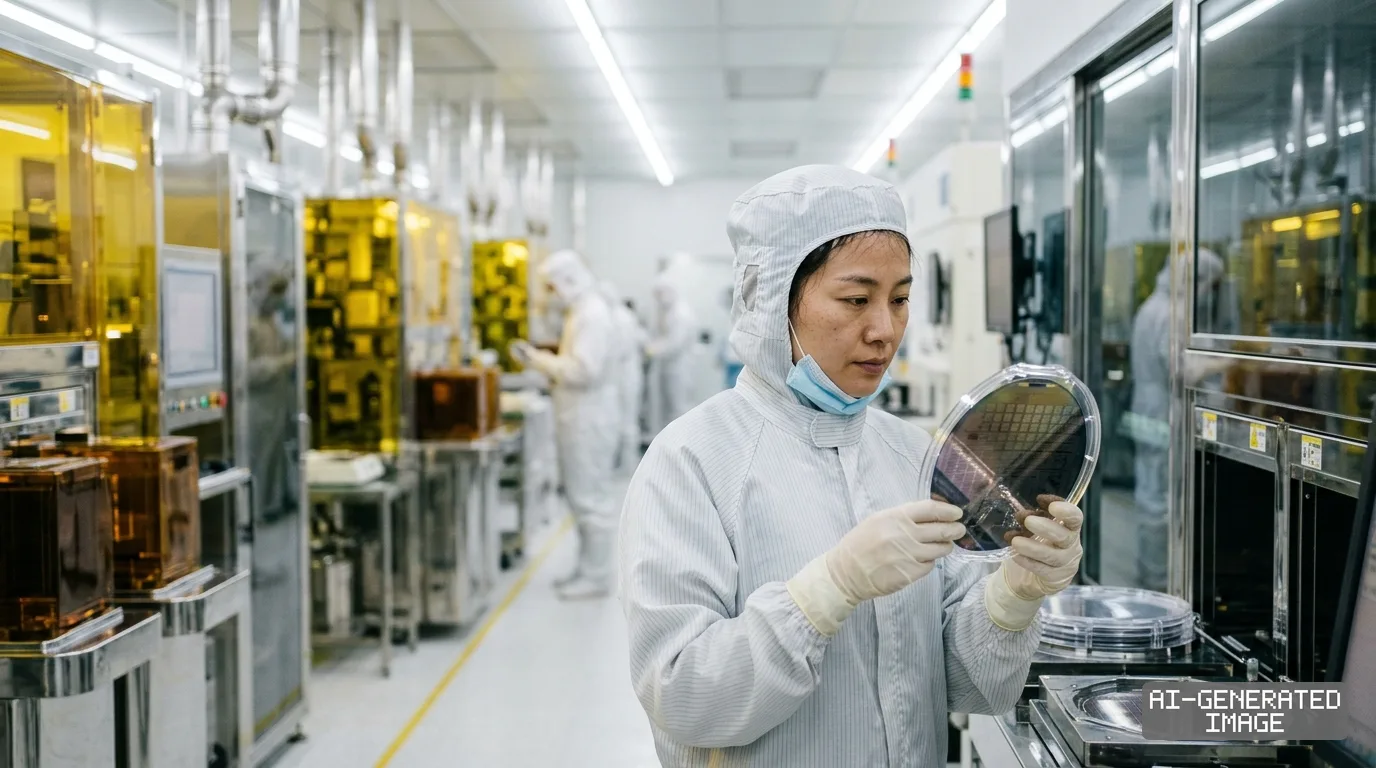
SMIC Co-CEO Zhao Haijun warned on Nov. 13 that severe foundry capacity shortages for artificial intelligence chips will persist through 2027 as mature-node peripheral component bottlenecks compound computational silicon deficits.
The warning followed a record third quarter in which revenue climbed 33.9% year on year to $3.19 billion, beating company guidance as fab utilization reached 97.3% across its manufacturing operations.
Net profit attributable to shareholders rose 123.4% from a year earlier to $428.4 million during the quarter ended Sept. 30, lifting gross margin to 29.9%, according to an exchange filing published Nov. 12.
Demand for computing silicon from enterprise data centers and private cloud operators continues to run ahead of available foundry lines, Zhao told investors on the conference call.
Foundry capacity across the wider contract manufacturing sector will remain scarce through 2027 and could face production constraints until late 2028, Zhao said.
High-bandwidth memory chips used in artificial intelligence clusters may reach balance between supply and demand after mid-2028, according to company projections.
Peripheral chips made on mature process nodes will face longer structural deficits because wafer supply additions remain slower than server deployment rates, Zhao said.
The foundry reported heavy order backlogs in bipolar-CMOS-DMOS — a specialty fabrication process combining analog, digital logic and high-voltage power transistors on a single silicon die.
Power management integrated circuits built on BCD lines regulate voltage levels across high-density computing racks that consume tens of kilowatts per chassis.
Customer orders for power management integrated circuits have already taken up available fab capacity through the end of 2027, Zhao said.
Orders for artificial intelligence hardware contrast with weakening activity in consumer electronics, where customer demand for mid-range and entry-level smartphone processors continues to drop.
Wafer shipments exceeded 3 million eight-inch equivalent units during the three-month period, marking the highest volume in company history and a 6.1% sequential revenue increase.
Full-year revenue for 2026 is projected to exceed $12 billion, representing an expansion of nearly 30% from the previous year, Zhao said.
The performance narrowed the volume gap with regional competitors, with second-quarter industry data placing the company's global foundry market share at 5.4%, just behind Samsung Electronics at 5.9%.
Long tool delivery schedules restrict the pace at which foundries can expand operational lines to meet demand, Zhao told analysts.
Procurement lead times for wafer fabrication equipment have lengthened between 16 and 24 months, complicating installation calendars and equipment arrival schedules.
Depreciation costs will increase approximately 30% year on year in 2026 as new production machinery enters commercial operation at regional fabrication plants, Zhao said.
Capital expenditures dropped roughly 40% year on year during the third quarter as management prioritized yield optimization on installed lines over building fresh shell structures.
Research and development spending climbed 33% year on year to support process qualification for high-voltage power chips, mixed-signal silicon and specialty controllers.
Operating plants in Beijing, Shanghai and Shenzhen operated above nominal capacity during the quarter to satisfy domestic chip designer orders.
For the fourth quarter ending Dec. 31, the company guided revenue to increase between 4% and 6% sequentially, with gross margin expected between 26% and 28%.
SMIC has not disclosed the customer identities holding power chip orders booked through late 2027, and the filing does not detail which fab lines carry those commitments.
Audited full-year financial statements will be presented to the board of directors in late March 2027, setting capital budgets and tool procurement timelines for the subsequent fiscal year.
Impact map
How this development propagates across the region and out to global buyers.
| Event | Korea | China | Japan | Global impact |
|---|---|---|---|---|
| AI foundry peripheral chip bottleneck | Samsung Electronics holds 5.9% foundry share as power chip backlogs tighten mature nodes | SMIC books out BCD power management chip capacity through late 2027 at 97.3% utilization | Tool suppliers face 16 to 24 month delivery backlogs on mature fab machinery orders | Server rack assembly schedules face delays from missing $2 power management components |
In this story
- Companies
- Semiconductor Manufacturing International Corporation
- Tickers
- 00981.HK688981.SS
- Exposed
- Samsung Electronics
- Impact
- Supply ChainCapexPricing
Related briefings
- TSMC captures 72.5% foundry share as gap with Samsung widens Also on Semiconductor Manufacturing International Corporation, Samsung Electronics, Pricing
- CXMT Hired 27 Samsung and SK hynix Engineers for DRAM Fabs Also on Semiconductor Manufacturing International Corporation, Samsung Electronics, Pricing
- SMIC narrows foundry gap with Samsung as Q2 sales surge 20% Also on Semiconductor Manufacturing International Corporation, Samsung Electronics, Pricing
- White House keeps chip export controls after Xi-Trump summit Also on Semiconductor Manufacturing International Corporation, Samsung Electronics
Sources
Primary documents
Reporting
Confidence: high — how we grade this
The documents behind this briefing are linked above. East Asia Brief produces its English text with AI assistance under human editorial review, and does not translate or republish other outlets' articles. See our methodology and AI policy. Spotted an error? Tell us.
The Morning Brief
What changed in Korean, Chinese and Japanese industry overnight — and what it means for your supply chain. One email, weekday mornings, US time. Free.
The Morning Brief is in preparation. Leave your address and we will write to you once — when the first issue is ready. Nothing before that.