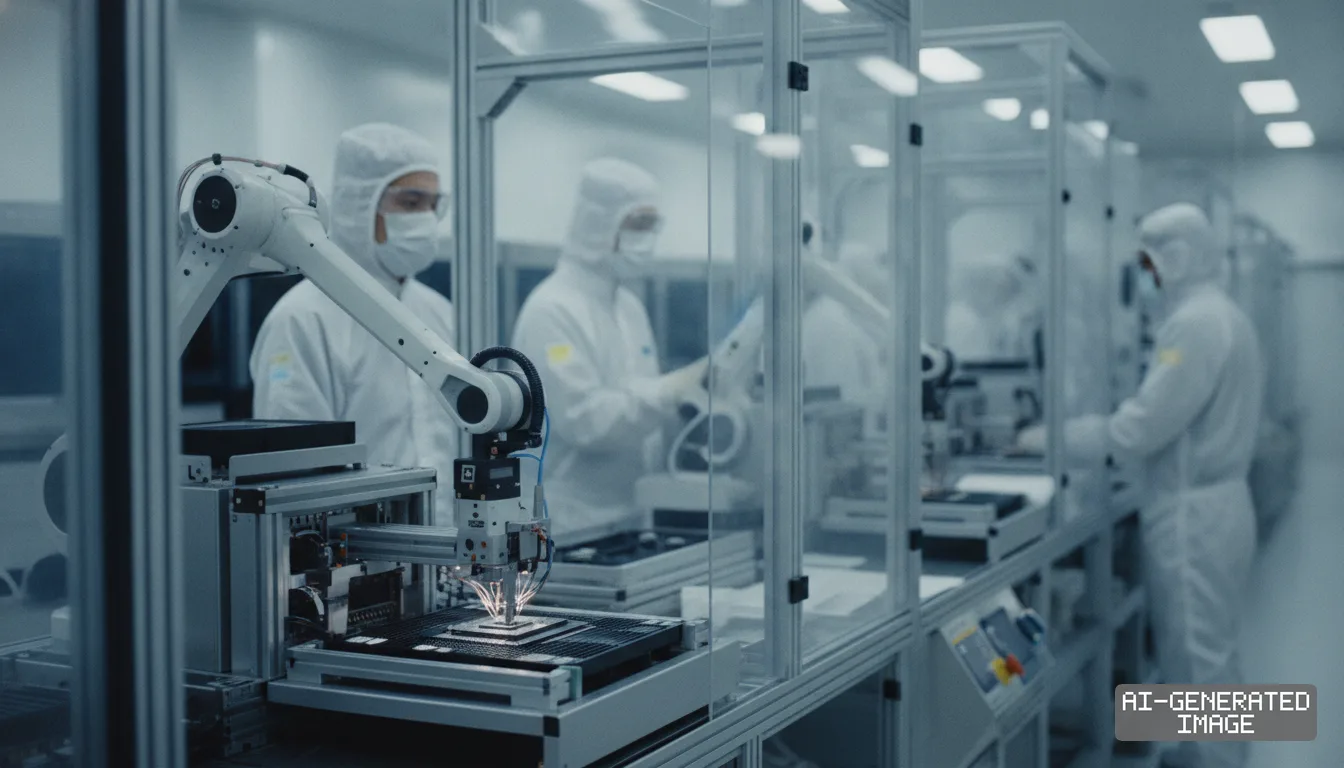
China dysprosium export curbs hold Western prices at $4,100 a kilo
Dual-use licensing rules under Announcement 18 carry no sunset date, keeping North American oxide prices 242% above domestic Chinese levels.
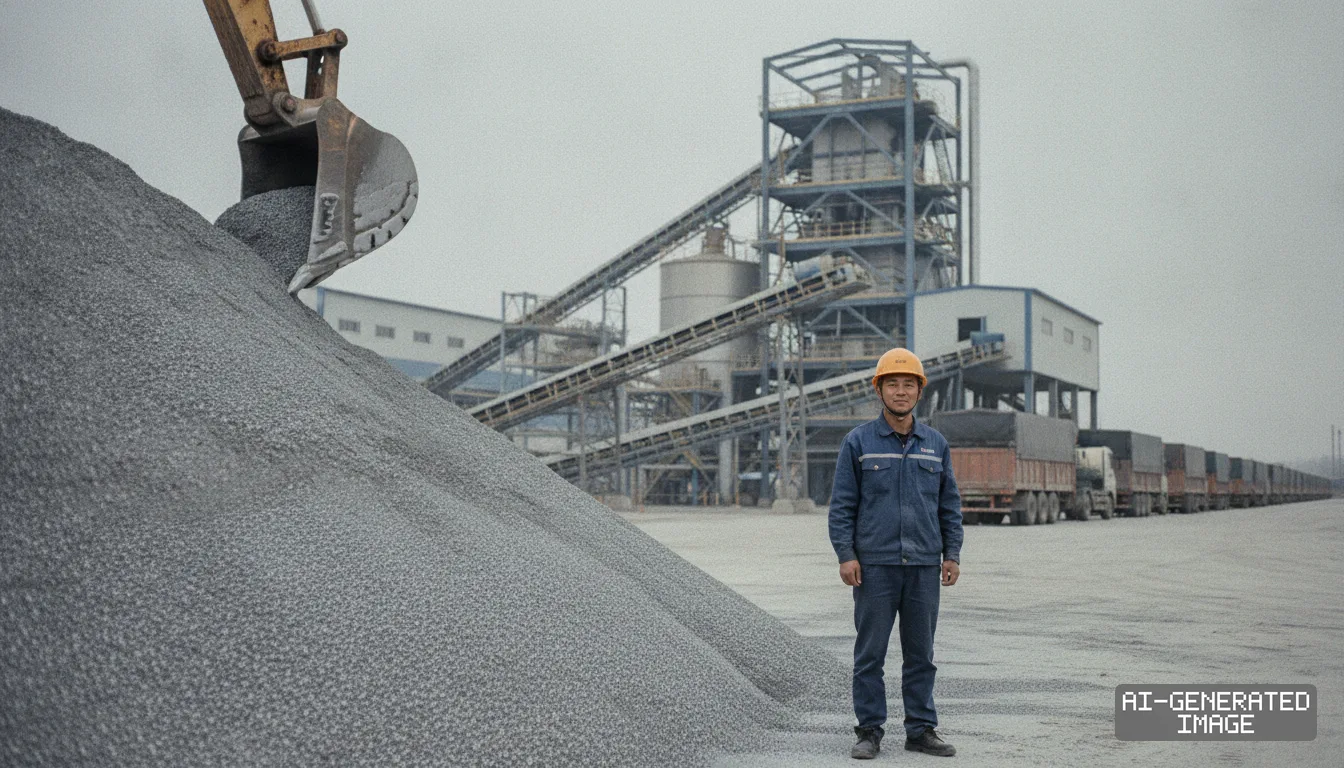
China's Ministry of Commerce kept export licensing curbs on dysprosium strictly in place on Nov. 13, 2026, maintaining open-ended restrictions that have stranded heavy rare earth supplies outside China.
The ministry confirmed that shipments of dysprosium and related permanent magnet materials continue under the dual-use control regime enacted in Announcement No. 18 of 2025. That measure carries no sunset date.
Dysprosium oxide reached $4,100 per kilogram CIF North America on Oct. 30, according to price assessments by Platts. The price rose 242% from $1,200 on March 31, 2026.
Chinese domestic prices hovered near $215 to $220 per kilogram over the same period. The pricing spread created an almost 20-fold cost penalty for manufacturers purchasing feedstocks outside the domestic Chinese market.
Chinese customs statistics show outbound shipments of dysprosium and terbium to Japan and the United States fell more than 50% compared to pre-control levels.
Dysprosium is added to neodymium-iron-boron magnets to prevent demagnetization at elevated operating temperatures. Permanent magnet drive motors in electric vehicles and direct-drive wind turbines require the metal to retain magnetic performance above 150 degrees Celsius.
Automotive parts makers outside China have drawn down inventory reserves established before the April 2025 controls. Substitutes for dysprosium in high-heat traction motors remain experimental across mass-production assembly lines.
Neo Performance Materials raised its 2026 adjusted EBITDA outlook to $180 million to $185 million as its European sintered magnet plant enters commercial operations to meet regional demand.
Separation facilities outside Asia remain constrained. Australian miner Lynas Rare Earths concentrates predominantly light rare earth deposits, where heavy rare earth elements such as dysprosium represent less than 1% of total contained rare earth oxide.
Tier-one traction motor suppliers in Japan and North America continue submitting dual-use export licence applications to the commerce ministry in Beijing. Reviews routinely take between 45 and 90 days per cargo.
Beijing issued Announcement No. 58 of 2026 on Nov. 9, extending the suspension of separate October 2025 controls to Jan. 10, 2027. That pause covers five other rare earths, graphite anode items and an extraterritorial 0.1% foreign-content threshold.
The Nov. 9 reprieve did not alter Announcement No. 18 of 2025. Dysprosium, terbium and samarium remain governed by immediate case-by-case review.
The commerce ministry has not published any notice extending dysprosium licensing through the end of 2027, nor has it published monthly approval rates for export applications.
The temporary suspension on the separate October 2025 rules expires Jan. 10, 2027, when Chinese authorities will review whether to enforce broader extraterritorial tracking on downstream goods.
Impact map
How this development propagates across the region and out to global buyers.
| Event | Korea | China | Japan | Global impact |
|---|---|---|---|---|
| China dysprosium export licensing | EV motor makers face depleted domestic stockpiles and dual-use approval delays | Domestic refiners retain cheap feedstocks near $220 per kilogram | Magnet makers absorb a 50% plunge in Chinese dysprosium and terbium volumes | Western EV traction motor bill of materials increases on $4,100 per kilogram oxide prices |
In this story
- Companies
- Neo Performance MaterialsLynas Rare Earths
- Tickers
- NEO.TOLYC.AX
- Policy
- Export Controls
- Impact
- Supply ChainPricingCost Structure
Track every Export Controls development →
Related briefings
- EU puts China rare earth curbs on trade docket to cut deficit Also on Neo Performance Materials, Export Controls, Cost Structure
- Chalmers maps automotive gallium recovery under China curbs Also on Neo Performance Materials, Export Controls, Cost Structure
- India pushes rare earth magnet output to counter China curbs Also on NEO Performance Materials, Export Controls, Cost Structure
- China clears rare earth export permits for EU firms under pact Also on Neo Performance Materials, Export Controls
Sources
Primary documents
Reporting
Confidence: high — how we grade this
The documents behind this briefing are linked above. East Asia Brief produces its English text with AI assistance under human editorial review, and does not translate or republish other outlets' articles. See our methodology and AI policy. Spotted an error? Tell us.
The Morning Brief
What changed in Korean, Chinese and Japanese industry overnight — and what it means for your supply chain. One email, weekday mornings, US time. Free.
The Morning Brief is in preparation. Leave your address and we will write to you once — when the first issue is ready. Nothing before that.