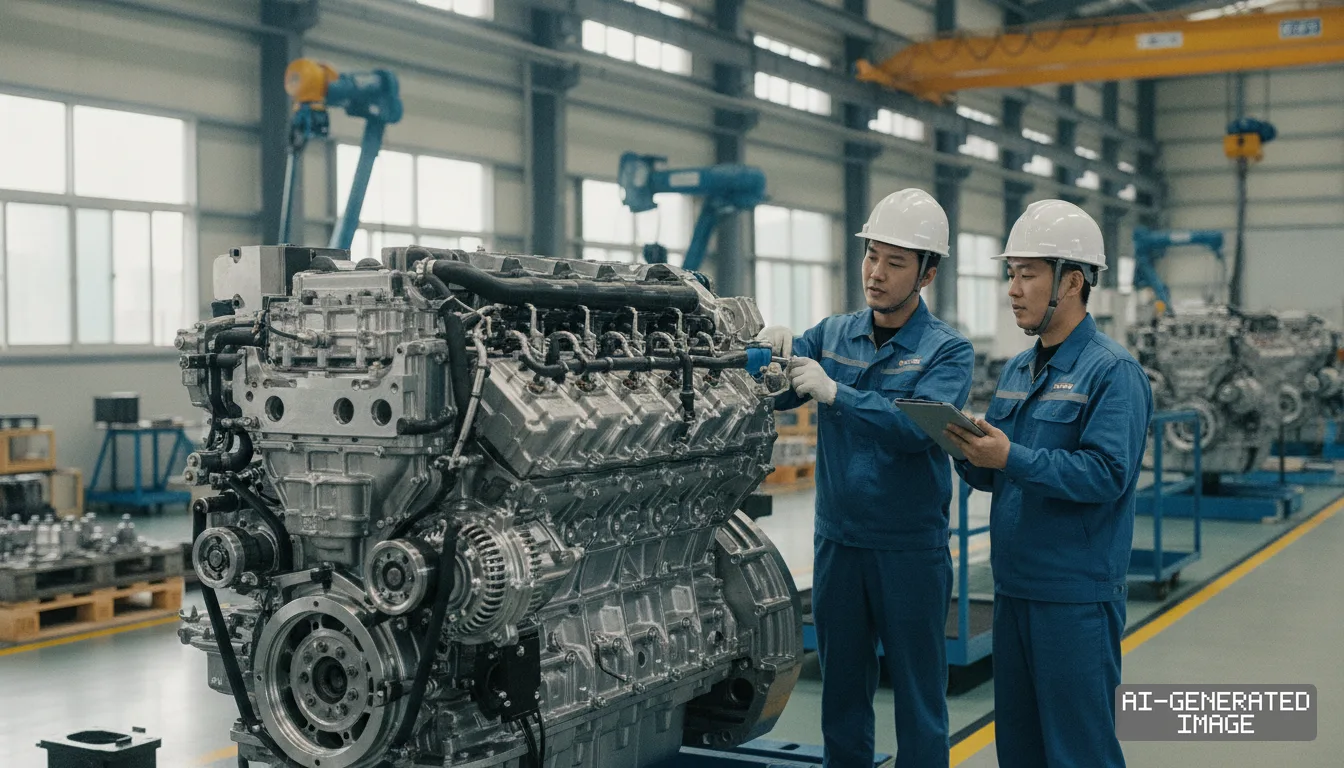
TSMC and Taiwan peers will require 15% of island power by 2030
A Greenpeace study estimates TSMC, Micron and UMC will need 49.8 billion kWh of electricity and 191.7 million cubic meters of water by 2030.
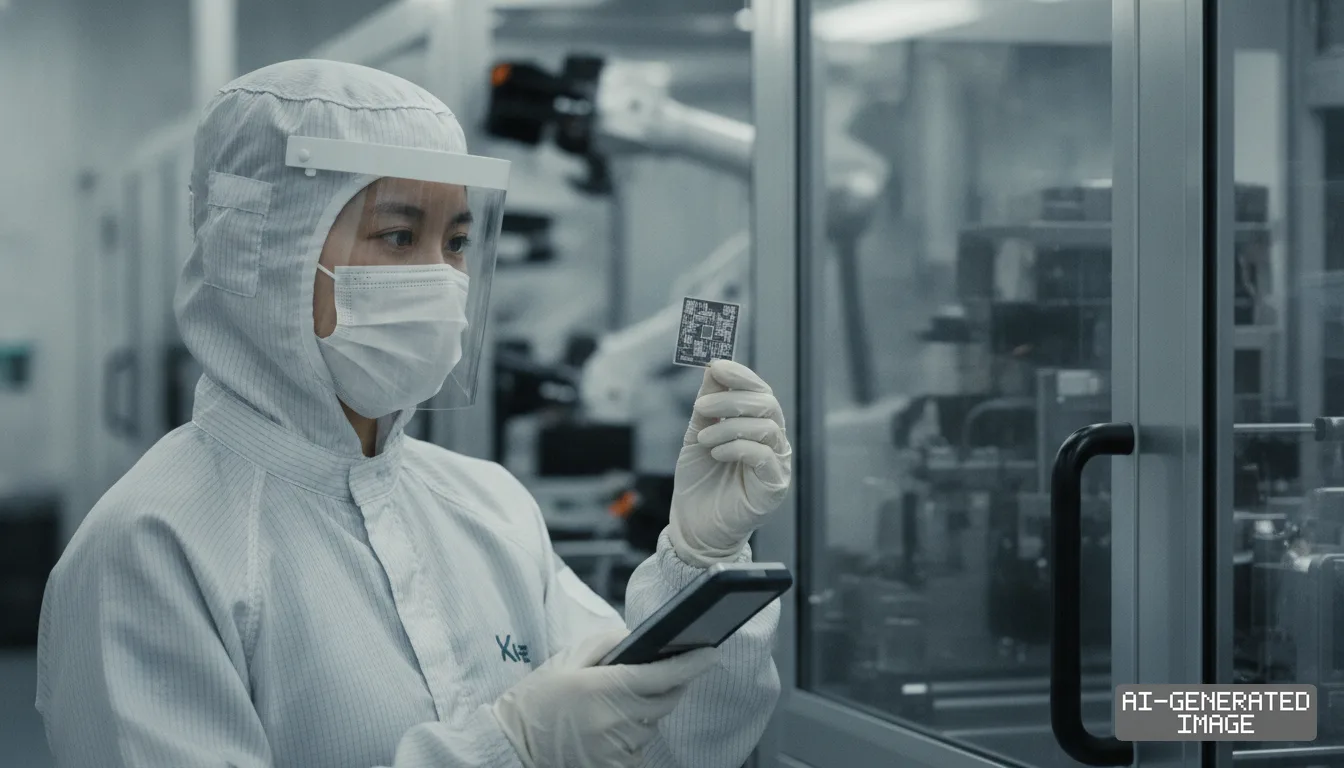
Greenpeace Taiwan said Nov. 10 that Taiwan's three largest semiconductor manufacturers will consume 49.8 billion kilowatt-hours of electricity in 2030, equal to 15% of the island's total projected demand.
The environmental group released the findings in its report, Visible Chips, Invisible Costs. The analysis estimated that combined municipal water withdrawals for the three chipmakers will reach 191.7 million cubic meters by 2030.
That volume represents 8% of Taiwan's projected residential tap-water supply. The estimate applies an International Energy Agency growth multiplier for chip fabrication tied to artificial intelligence and data-center hardware.
The forecast tracks operations run by Taiwan Semiconductor Manufacturing Co., Micron Technology and United Microelectronics Corp. The three fabricators represent the largest corporate electricity consumers and Scope 2 indirect carbon emitters across Taiwan's industrial sector.
Researchers modeled the 2030 demand using corporate carbon filings, official emissions factors and state utility Taipower data. The forecast applies Taipower's projected 53.8% increase in semiconductor electricity demand between 2026 and 2030 to estimated 2025 consumption.
The electricity calculation covers purchased grid power and excludes self-generated facility electricity. Where company disclosures lacked plant-level metering, researchers estimated consumption from reported Scope 2 emissions and official grid carbon intensity factors.
TSMC represents the primary driver of the projected surge as it expands cutting-edge fabrication capacity. The world's largest contract chipmaker is building 2-nanometer wafer fabrication lines at industrial sites in Hsinchu and Kaohsiung.
Advanced manufacturing nodes require extreme ultraviolet lithography scanners that draw substantial baseload power. Newer high-numerical-aperture EUV tools operate light sources that require multiple megawatts of electrical supply per machine, lifting total cleanroom power density.
TSMC is also constructing dedicated advanced packaging clusters in Kaohsiung to assemble accelerator processors. These multi-chip packaging techniques package graphics processing units with high-bandwidth memory, multiplying thermal management and testing power requirements.
Micron produces dynamic random-access memory chips at large-scale fabrication facilities in Taichung and Taoyuan. The company is transitioning production lines to advanced 1-gamma nodes to manufacture memory stacks for artificial intelligence servers.
UMC operates mature and specialty logic fabrication plants across Hsinchu and Tainan. While older process nodes require less power per wafer than leading-edge lithography, cumulative volume maintains significant continuous electricity demand.
The report highlighted that fossil fuels generated about 85% of Taiwan's electricity in 2025. Liquefied natural gas accounted for 48% of total power output, while coal-fired thermal generation supplied the second-largest share of the grid.
Heavily fossil-reliant power generation leaves corporate clean-energy procurement constrained by the island's slow renewable rollout. Taiwan's economic authorities previously conceded that the island would miss its target to generate 20% of electricity from renewables by 2026.
Offshore wind installations and large-scale solar arrays have faced recurring delays tied to permitting and grid connections. The resulting shortage of green electricity complicates corporate decarbonization for heavy industrial consumers across the island.
TSMC has signed multiple long-term power purchase agreements with offshore wind farm developers to secure clean supply. Even so, the volume of advanced fab demand threatens to absorb most newly developed renewable capacity in Taiwan.
Greenpeace noted that heavy industrial reliance on fossil generation shifts substantial indirect emissions to downstream technology customers. Global device brands requiring carbon-neutral supply chains by 2030 face widening Scope 3 compliance deficits from Taiwan.
The environmental group calculated water consumption by applying a 1.5-times multiplier to 2023 utility tap withdrawals. The multiplier reflects rising wet-chemical wafer cleaning and cooling tower evaporation required for intensive artificial intelligence hardware fabrication.
Chipmakers have invested heavily in wastewater reclamation plants and industrial water recycling infrastructure. Despite high internal recycling ratios, total tap-water intake continues to grow alongside aggregate wafer output and cleanroom footprint expansions.
TSMC has committed to peak its operational carbon emissions by 2025 and achieve 60% renewable electricity by 2030. The foundry giant targets 100% renewable power by 2040 and net-zero operational emissions by 2050.
The report argued that current corporate targets remain insufficient without direct investment in new renewable generation. The authors urged chipmakers to shift from purchasing unbundled certificates to developing off-site solar and geothermal generation assets.
The analysis relied on derived estimates for Micron and UMC because neither company discloses site-specific power consumption in Taiwan. Neither the three chipmakers nor Taiwan's Ministry of Economic Affairs issued formal responses to the report on Tuesday.
Taiwan's energy authorities plan to review long-term power development projections and grid reserve margins in early 2027. Grid operators must integrate growing fab demand while managing scheduled retirements of older thermal generating units.
Impact map
How this development propagates across the region and out to global buyers.
| Event | Korea | China | Japan | Global impact |
|---|---|---|---|---|
| Greenpeace fab power projection | Samsung and SK hynix face parallel clean-power bottlenecks at Yongin cluster | SMIC and Hua Hong operate under state grid allocation with lower carbon scrutiny | Rapidus and TSMC Kumamoto tap Kyushu nuclear and geothermal baseload supplies | AI chip supply chain faces Scope 3 emissions overshoot as advanced packaging expands |
In this story
- Companies
- TSMCMicron TechnologyUnited Microelectronics Corp
- Tickers
- 2330.TWMU2303.TW
- Policy
- Standards
- Impact
- Cost StructureCapexSupply Chain
Track every Standards development →
Related briefings
- Samsung Wins 2nm Cloud AI Chip Deal With Taiwan's Faraday Also on United Microelectronics Corp., TSMC
- TSMC raises foundry prices for fabless clients by up to 10% in 2027 Also on United Microelectronics Corp., Cost Structure
- TSMC plans to lift wafer foundry prices by 3% to 6% from 2027 Also on United Microelectronics Corp., Cost Structure
- TSMC captures 72.5% foundry share as gap with Samsung widens Also on United Microelectronics Corp.
Sources
Reporting
Confidence: medium — how we grade this
The documents behind this briefing are linked above. East Asia Brief produces its English text with AI assistance under human editorial review, and does not translate or republish other outlets' articles. See our methodology and AI policy. Spotted an error? Tell us.
The Morning Brief
What changed in Korean, Chinese and Japanese industry overnight — and what it means for your supply chain. One email, weekday mornings, US time. Free.
The Morning Brief is in preparation. Leave your address and we will write to you once — when the first issue is ready. Nothing before that.