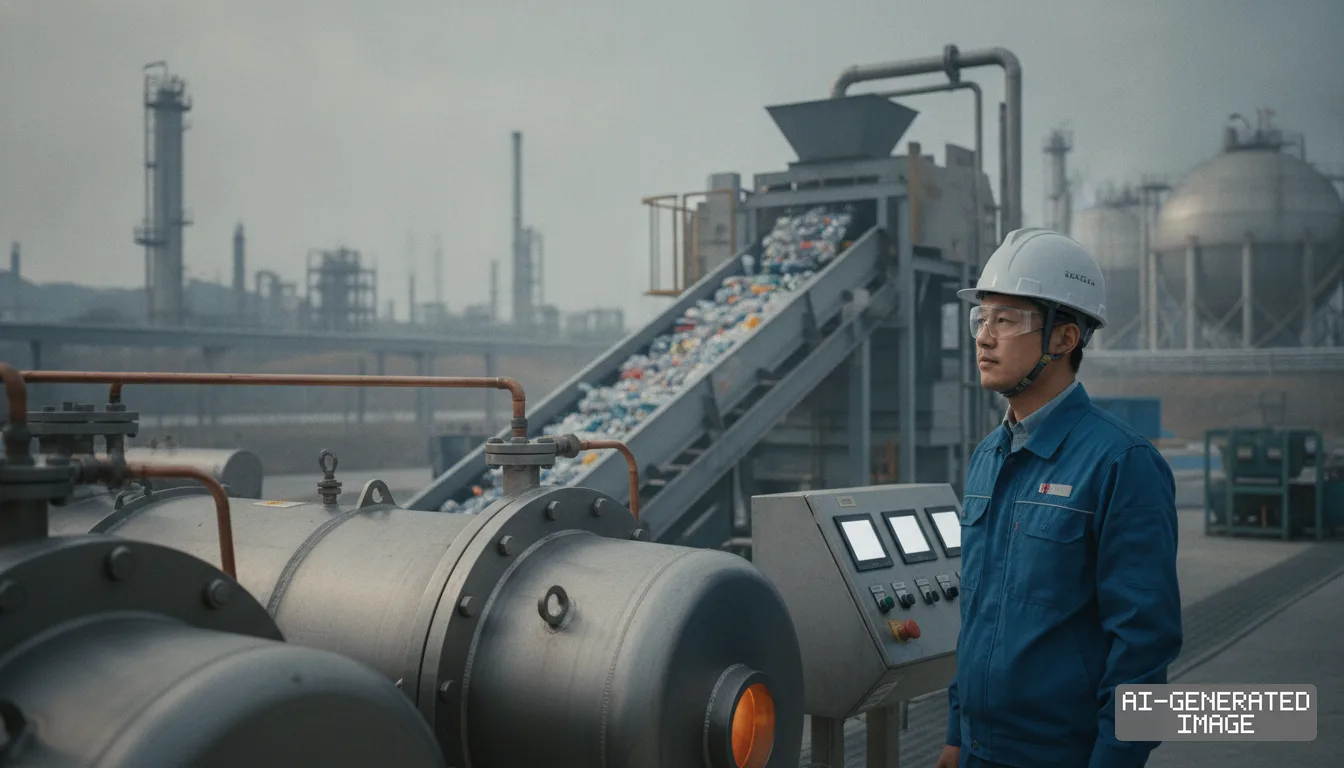
China waives phosphate rock and silver export quotas through 2027
The Ministry of Commerce renewed its contract-based licensing framework through Dec. 31, 2027, maintaining oversight of battery and solar feedstocks without quantitative ceilings.
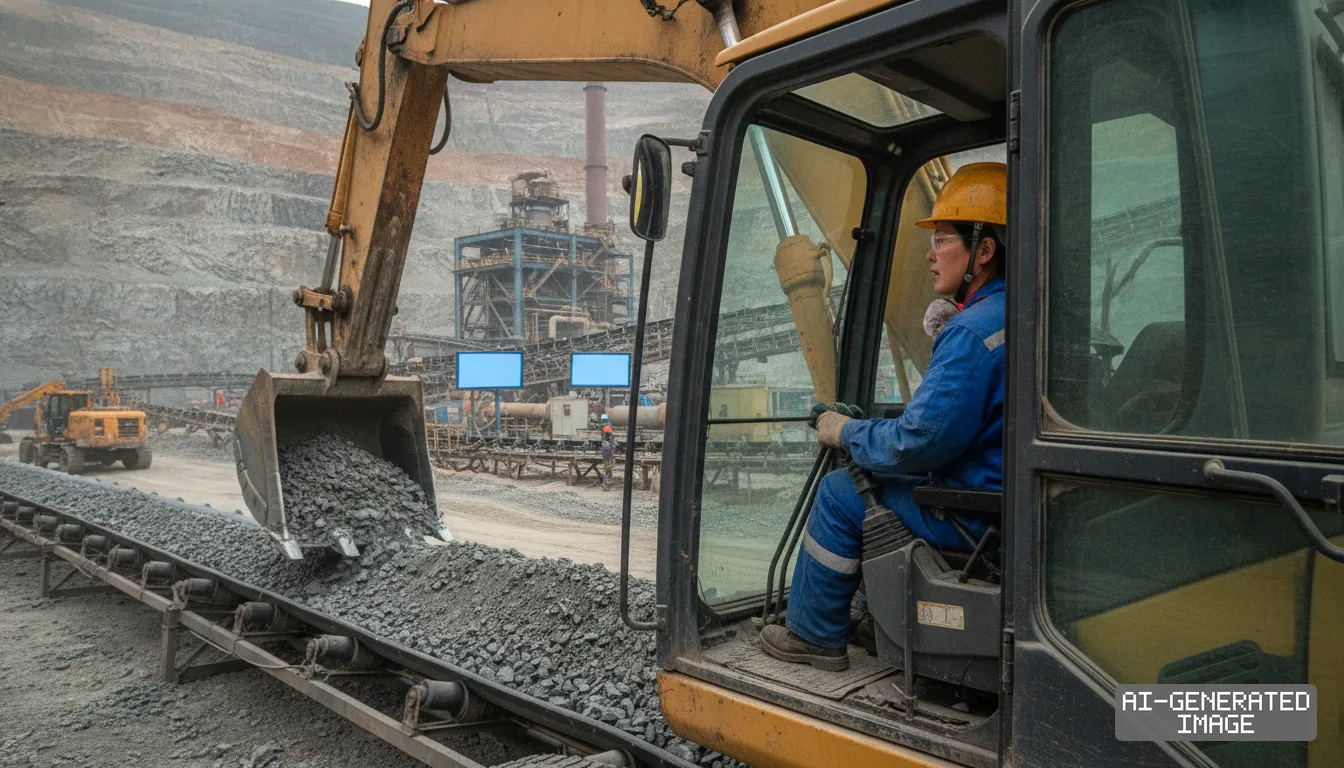
China's Ministry of Commerce confirmed Oct. 29 it will suspend export quota management for phosphate rock and silver through 2027, preserving shipment licensing instead of quantitative volume limits.
The administrative directive, issued as Announcement No. 53 of 2026 by the Department of Foreign Trade, renews a cross-border regulatory framework first introduced on Jan. 1, 2019.
Under the broader announcement, Beijing assigned hard physical caps to legacy products, including 5.2 million kilograms for licorice and 1.6054 million head for live hogs, while leaving phosphate rock and silver with no annual volumetric ceilings.
The waiver removes quantitative rationing for international buyers while retaining state oversight through export licences issued against executed commercial contracts.
Qualified trading enterprises must present valid export contracts to regional commerce departments to obtain export paperwork, the ministry said in the formal filing.
Customs officials clear cross-border shipments only after validating those transaction-specific documents, while silver shipments handled under processing trade contracts follow existing procedural guidelines.
The regulatory renewal preserves predictability for overseas supply chains dependent on Chinese mineral processing, where sudden trade interruptions can disrupt downstream operations within weeks.
Phosphate rock provides the foundational input for wet-process phosphoric acid, which supplies industrial fertilizers alongside purified chemical intermediaries for batteries.
Lithium iron phosphate, or LFP, relies on high-purity phosphate precursors to manufacture cathode materials for electric vehicles and stationary utility-scale energy storage installations.
Silver serves as a critical conductive raw material for front-side metallization pastes in crystalline silicon solar photovoltaic cells, alongside semiconductor wire bonding and precision microelectronics.
International interest in both materials expanded after the US Geological Survey added phosphate and silver to its federal critical minerals list in November 2025.
Beijing's regulatory model relies on administrative transaction tracking rather than overt volume embargoes, avoiding immediate price volatility across international commodity exchanges.
The licensing requirement maintains an operational paper trail for every transaction, giving authorities real-time visibility into export volumes, destination ports and contract pricing.
The mechanism avoids direct friction with multilateral trading agreements, which place strict constraints on formal quantitative restrictions applied to unrefined natural resources.
The ministry's regulatory release aligns with its earlier designation of 44 authorized trading enterprises cleared to handle cross-border silver transactions during the 2026 to 2027 calendar period.
The notice names no individual corporate tonnage allocations, leaving commercial delivery volumes to enterprise-level contracting rather than state-dictated quotas.
For commodities that remain under mandatory quota caps, qualified applicants must submit allocation requests between Nov. 1 and Nov. 15, 2026, through local commerce bureaus.
Provincial commerce departments verify corporate documentation and corporate filings before transmitting formal recommendations to central ministry officials in Beijing.
Central authorities plan to distribute official quota allocations to qualifying commercial applicants by Dec. 15, 2026, completing preparations before the trade calendar opens.
The export quota rules and licensing exemptions take effect Jan. 1, 2027, and remain in force through Dec. 31, 2027, according to the regulatory text.
The ministry did not publish explanatory policy commentary or statements from leadership detailing specific strategic considerations behind the 2027 renewal.
The announcement does not state whether commerce authorities intend to impose tighter end-use certification or technical export screening on refined battery-grade phosphate salts later in the cycle.
Impact map
How this development propagates across the region and out to global buyers.
| Event | Korea | China | Japan | Global impact |
|---|---|---|---|---|
| Phosphate and silver export quota suspension | Battery cathode makers secure uninhibited phosphate precursor supply for LFP expansion | 44 authorized silver trading houses clear shipments via contract-based licensing | Solar paste and electronic component manufacturers avoid supply bottlenecks | EV and solar supply chains maintain predictable input costs without volume caps |
In this story
- Policy
- Export Controls
- Impact
- Supply ChainCompliance
Track every Export Controls development →
Related briefings
- China reviews export control filings on 40 critical tech categories Also on Export Controls, Compliance
- China controls 99% of battery spherical graphite, OECD says Also on Export Controls, Compliance
- Japan and Germany agree on critical minerals pact in Tokyo Also on Export Controls, Compliance
- Malaysian customs seizes $12M in AI servers over transshipment rules Also on Export Controls, Compliance
Sources
Primary documents
Reporting
Confidence: high — how we grade this
The documents behind this briefing are linked above. East Asia Brief produces its English text with AI assistance under human editorial review, and does not translate or republish other outlets' articles. See our methodology and AI policy. Spotted an error? Tell us.
The Morning Brief
What changed in Korean, Chinese and Japanese industry overnight — and what it means for your supply chain. One email, weekday mornings, US time. Free.
The Morning Brief is in preparation. Leave your address and we will write to you once — when the first issue is ready. Nothing before that.