Korea Waives Power Grid Fees for ESS Operators to Revive Utility Batteries
The Prime Minister's regulatory committee exempted storage projects from KEPCO transmission charges on Nov. 2, unwinding a dual-tariff dispute to spur utility cell installations.
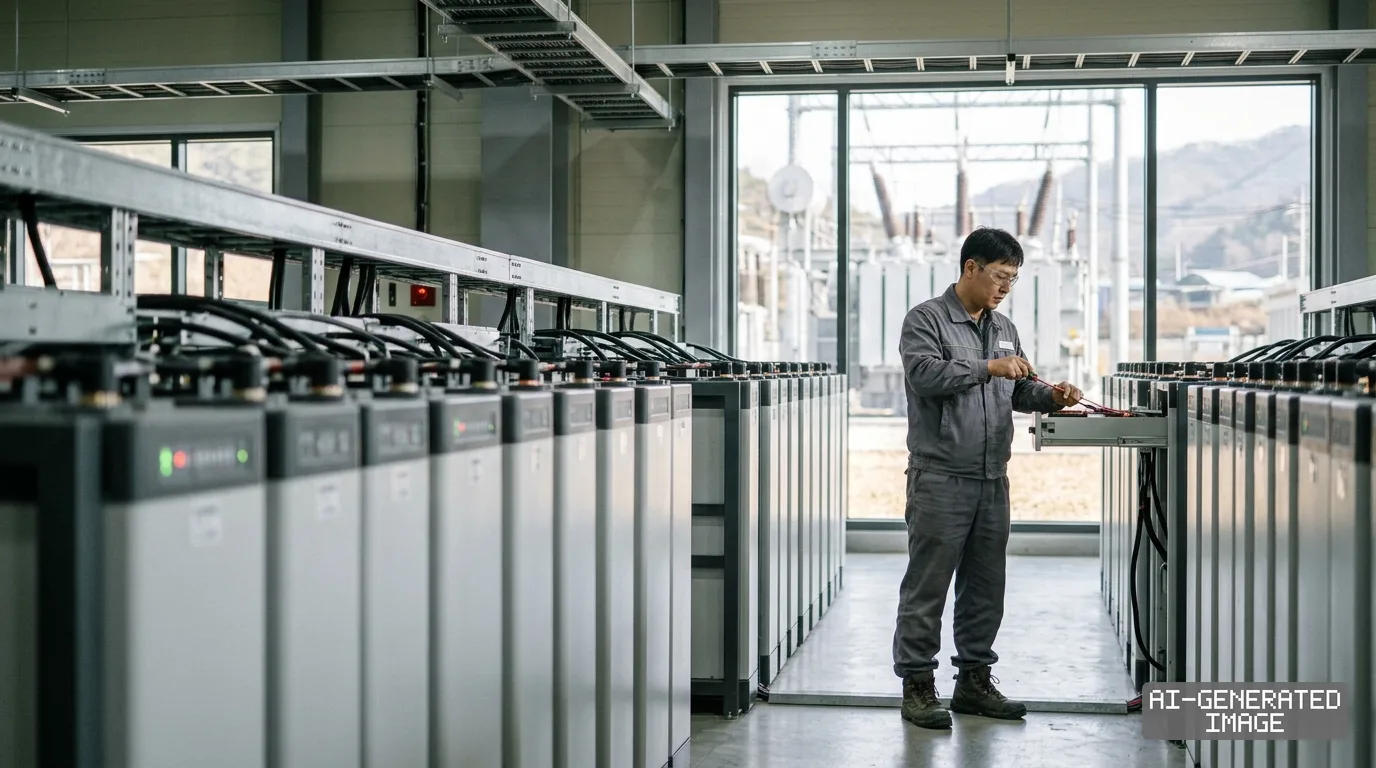
South Korea's Office for Government Policy Coordination confirmed Nov. 2, 2026 that it will exempt energy storage system operators from electricity transmission and distribution fees.
The waiver ends a dispute over network charges levied by state utility Korea Electric Power Corp. The policy grants battery facilities legal status as power generation sources rather than end-use electricity consumers.
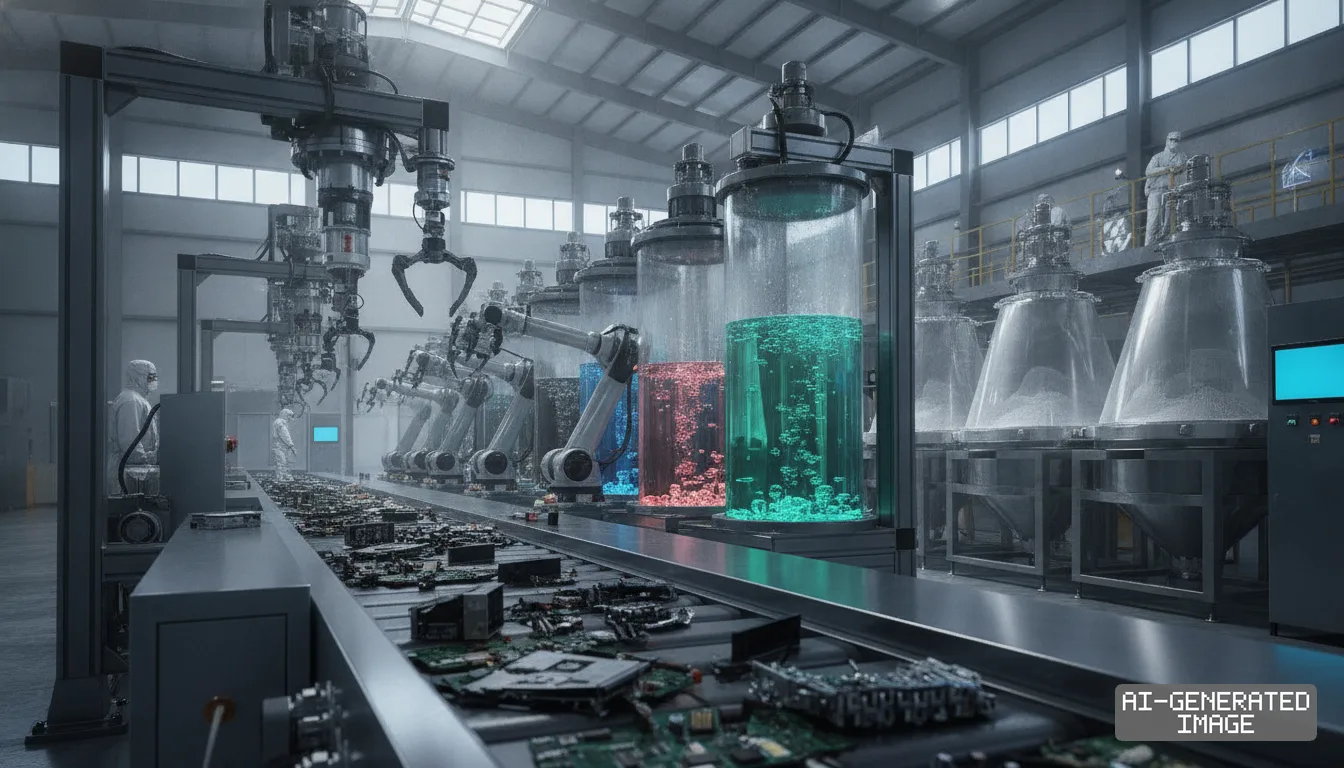
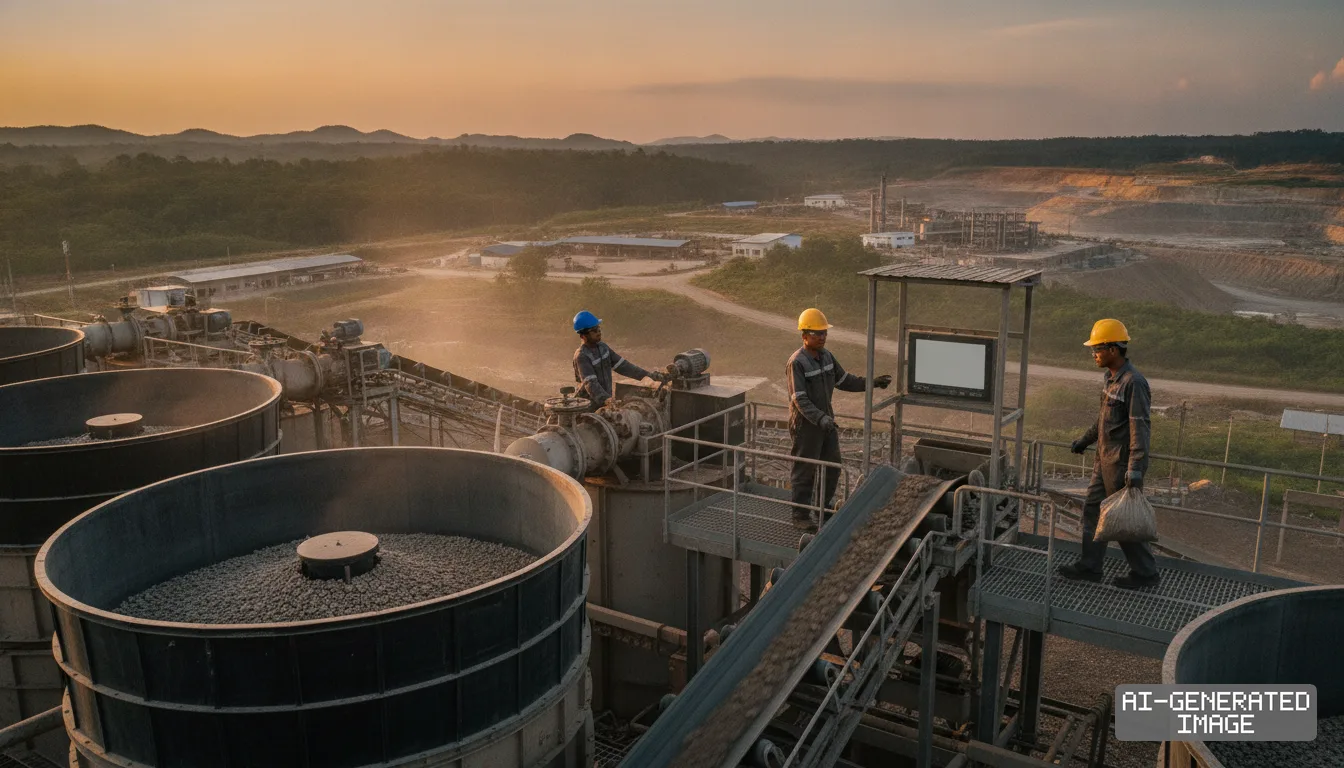
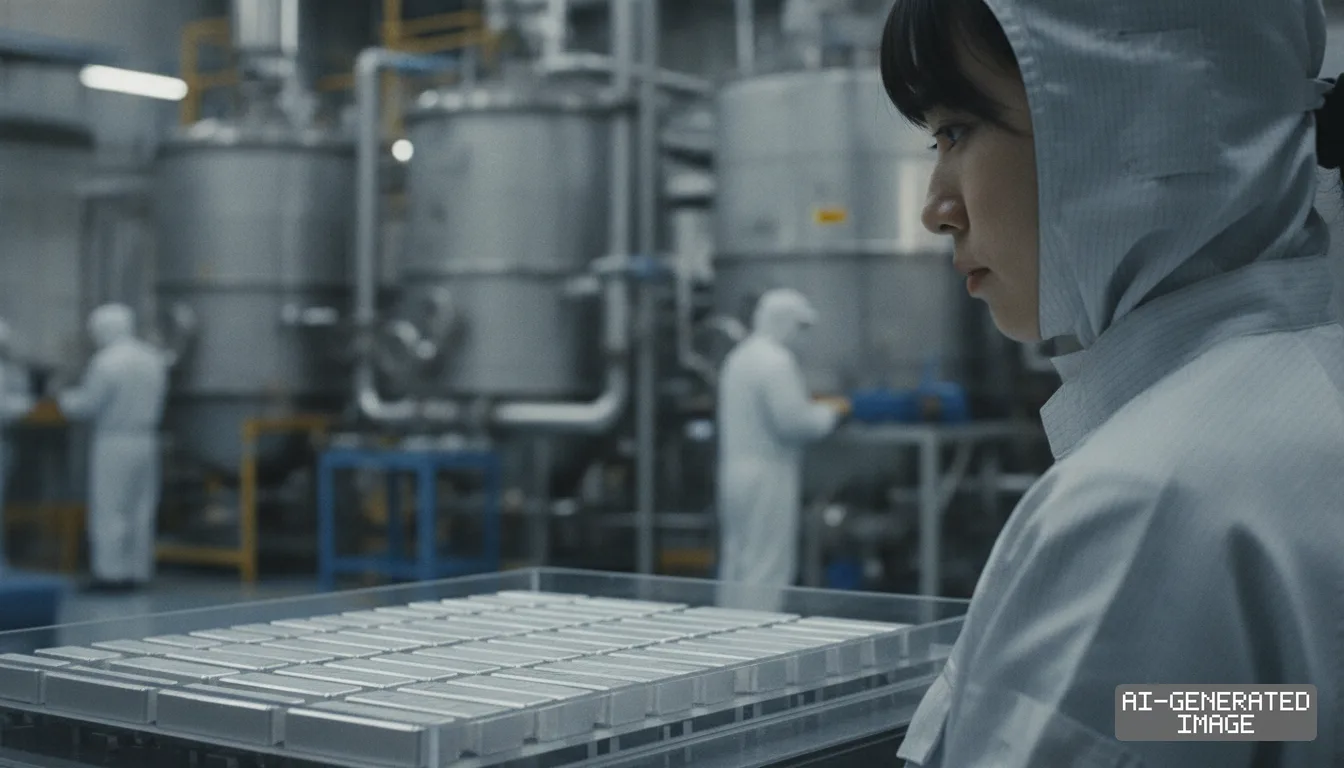
The measure forms the core of an 18-part deregulation package approved by the Livelihood Subcommittee of the Regulatory Rationalization Committee. The package targets bottlenecks across cell manufacturing, stationary storage and hydrometallurgical recycling.
Under the current pricing regime, Korea Electric Power Corp. (KEPCO) billed storage operators standard grid tariffs when charging from the network. KEPCO assessed fees again when systems discharged electricity into regional transmission lines.
The dual-charging model added an estimated 15% to 20% to the lifetime operating costs of utility installations, project developers said. That fee burden froze bidding under the government's 117.1 billion won ($85 million) artificial-intelligence-backed distribution storage program.
South Korea's domestic storage market had contracted after 2018 following dozens of battery fires and strict safety retrofits. Global price competition from low-cost Chinese lithium iron phosphate cells further depressed domestic manufacturing margins.
The tariff waiver directly exposes battery cell manufacturers LG Energy Solution and Samsung SDI to a domestic project pipeline. South Korean cell makers have shifted idle electric-vehicle production capacity toward utility storage systems.
LG Energy Solution drew roughly 9% of its third-quarter cell revenue from energy storage products. The company has converted assembly lines in Ochang to produce lithium iron phosphate cells for utility buyers.
Samsung SDI supplies nickel-cobalt-aluminum storage packs through its prime battery system lineup. Energy storage represented approximately 11% of the firm's total battery shipments in the first nine months of the year.
The regulatory reform resolves a multi-month confrontation between regional developers and grid authorities. KEPCO notified standalone storage operators across Jeju Island and the Honam peninsula on May 25, 2026 that charging power would incur retail network charges.
The utility argued that charging storage units act as conventional load customers under existing facility rules. Developers warned that the charges made private substation installations financially unviable.
The Ministry of Climate, Energy and Environment stated May 25 that it was considering conditional fee waivers tied to system support services. The Prime Minister's committee chose an unconditional exemption to accelerate renewable energy integration.
Grid saturation in the southern provinces had forced solar operators into frequent output curtailments. The absence of utility batteries left regional lines unable to absorb surplus generation during daylight hours.
Alongside the grid fee exemption, the regulatory committee relaxed physical equipment standards for containerized battery systems. Unmanned storage containers will no longer require internal closed-circuit surveillance television cameras.
Developers previously had to install internal cameras in enclosures with no internal access passages. Regulators will eliminate that mandate for units equipped with automated battery management systems.
The committee also permitted operators to house battery racks and power conditioning systems inside a single enclosure. Separating those components had required separate concrete footings and higher balance-of-plant wiring expenditures.
The revised rules allow non-resident certified electrical safety managers to oversee automated installations remotely. The regulatory adjustments reduce structural installation overhead by roughly 8%, engineering contractors said.
For hydrometallurgical battery recyclers, the government eliminated administrative amendment filings for plants that expand wastewater discharge by less than 10%. Recyclers can report minor capacity upgrades post-facto rather than pausing chemical recovery lines.
The Prime Minister's office had unveiled the first six measures of the deregulation package on Aug. 28, 2026. The committee's livelihood panel, chaired by Park Yong-jin, finalized the remaining 12 measures on Oct. 30.
The grid fee waiver shifts financial pressure onto KEPCO. The state utility carries more than 200 trillion won in debt following delayed tariff adjustments on consumer power.
KEPCO must absorb the transmission capital costs required to interconnect storage sites without collecting consumption dues during off-peak charging cycles. The utility operates the national transmission system under the Electric Utility Act.
The cabinet-level notice does not state the exact sunset timeline for the temporary tariff waiver. The government has not published the official enforcement date for KEPCO's revised Terms of Transmission and Distribution Facility Use.
The Ministry of Climate, Energy and Environment plans to submit the technical camera exemptions to the Korea Electrical Safety Code for revision by early 2027.
Impact map
How this development propagates across the region and out to global buyers.
| Event | Korea | China | Japan | Global impact |
|---|---|---|---|---|
| ESS grid fee exemption | LG Energy Solution and Samsung SDI see domestic utility ESS demand recover | LFP cell exporters face renewed domestic Korean competition in grid storage | Japanese power conditioning system makers gain integrated enclosure sales | Utility battery developers benchmark Korean generation status model for storage |
In this story
- Companies
- Korea Electric Power CorpLG Energy SolutionSamsung SDI
- Tickers
- 015760.KS373220.KS006400.KS
- Policy
- Procurement RulesStandards
- Impact
- Cost StructureCapexOrder Book
Track every Procurement Rules development → Track every Standards development →
Related briefings
- Equinor exits South Korea offshore wind after 12 years of grid delay Also on Korea Electric Power Corp., Order Book
- China nuclear groups bundle reactor exports with mine equity Also on Korea Electric Power Corp, Order Book
- Korea tests quadruped robots for $247 million state rollout Also on Procurement Rules, Standards, Cost Structure
- HD Hyundai forms US shipyard venture with Kiewit Maritime Also on Procurement Rules, Standards, Order Book
Sources
Reporting
Confidence: medium — how we grade this
The documents behind this briefing are linked above. East Asia Brief produces its English text with AI assistance under human editorial review, and does not translate or republish other outlets' articles. See our methodology and AI policy. Spotted an error? Tell us.
The Morning Brief
What changed in Korean, Chinese and Japanese industry overnight — and what it means for your supply chain. One email, weekday mornings, US time. Free.
The Morning Brief is in preparation. Leave your address and we will write to you once — when the first issue is ready. Nothing before that.