Korea and India Launch Strategic Dialogue on Minerals and Yards
Seoul and New Delhi open high-level economic security talks to build resilient supply chains across critical minerals, commercial shipbuilding and artificial intelligence.
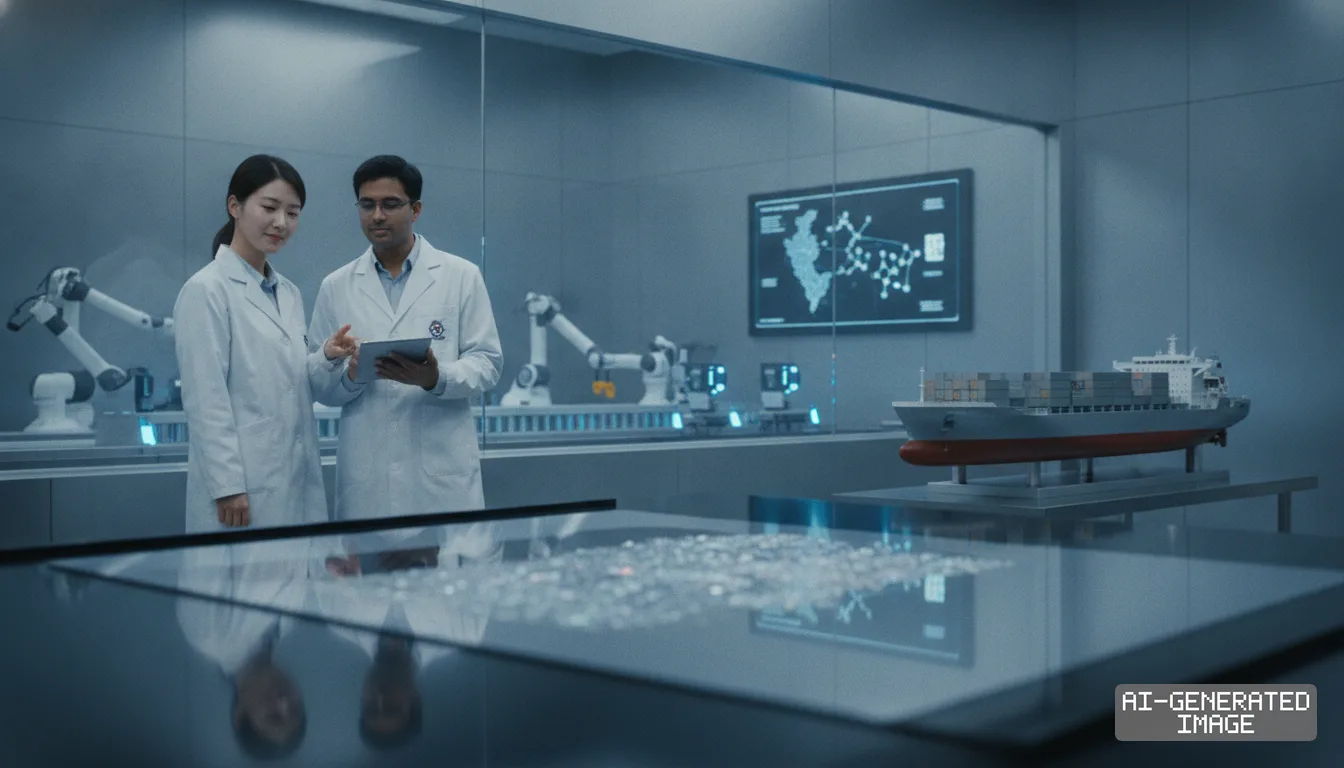
South Korea and India launched their inaugural Economic Security Dialogue in Seoul on Nov. 2, establishing an institutional coordination channel for critical mineral supply chains, commercial shipbuilding and strategic technologies.
The bilateral mechanism activates commitments made during the April 20 summit in New Delhi between South Korean President Lee Jae-myung and Indian Prime Minister Narendra Modi. Both governments agreed then to double bilateral trade to $50 billion by 2030 from roughly $27 billion.
Song Ki-ho, third deputy director of South Korea's National Security Office, led the Seoul delegation. India was represented by Deputy National Security Adviser Pavan Kapoor, the presidential office in Seoul said.
The meeting sets up regular reviews between security and economic planners in Seoul and New Delhi. Both administrations are seeking alternatives to supply lines heavily concentrated in China, particularly across refined minerals and high-volume manufacturing.
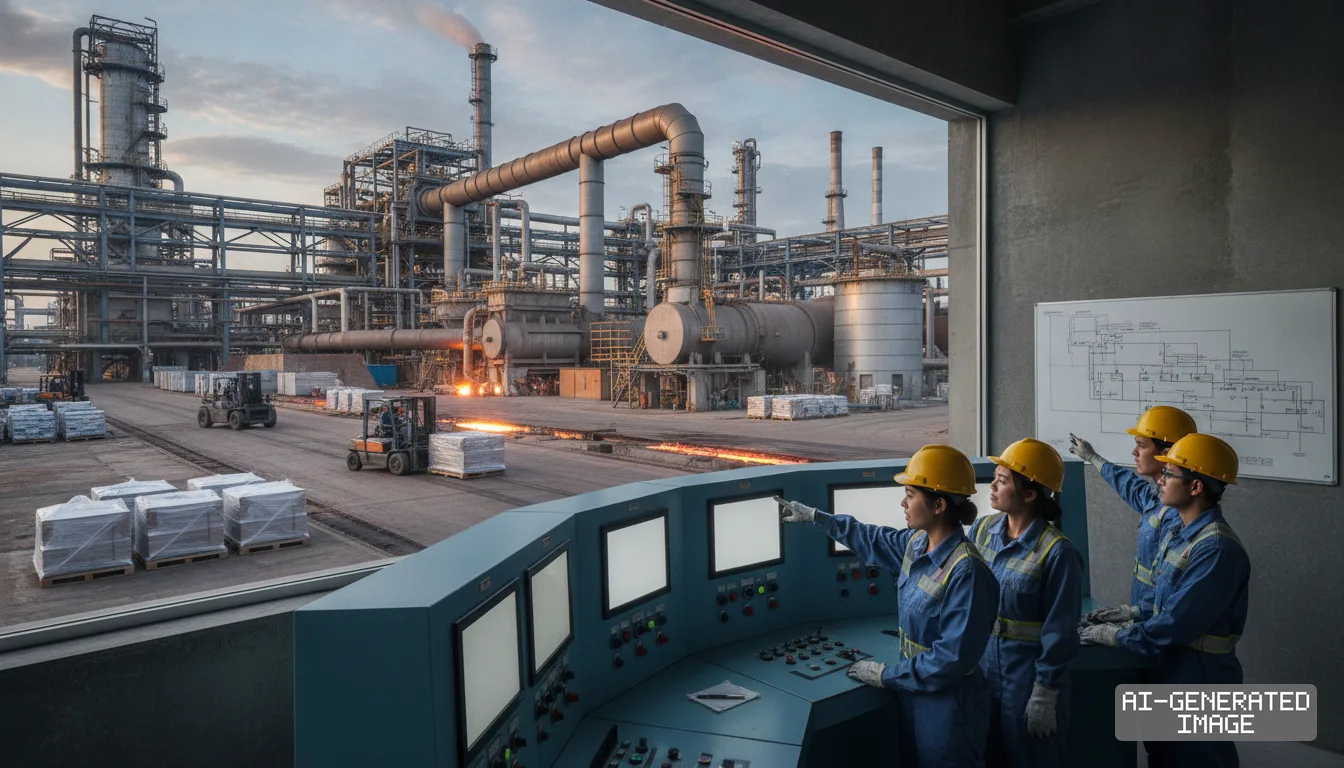
Critical minerals and energy feedstocks formed a central pillar of the inaugural session. Officials reviewed joint procurement and upstream processing arrangements based on their April Joint Statement on Energy Resource Security.
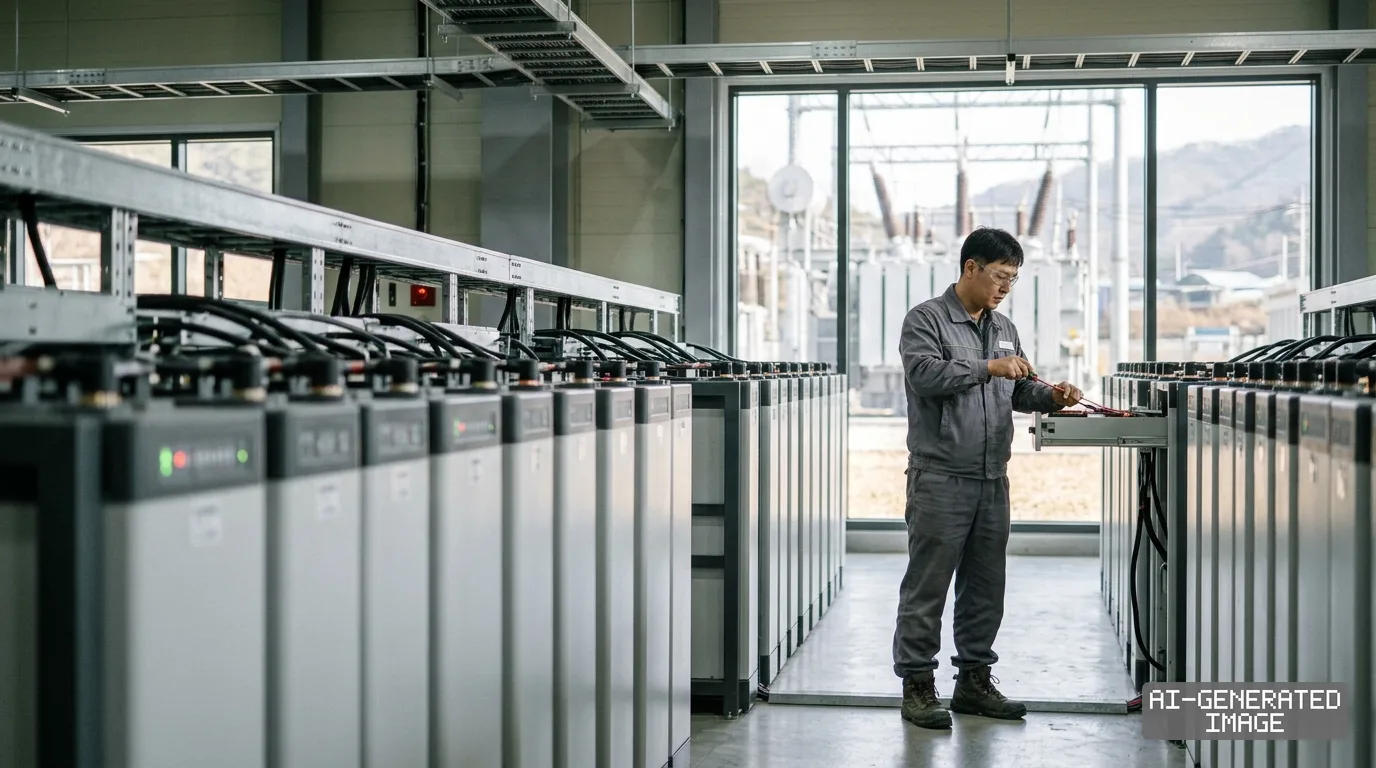
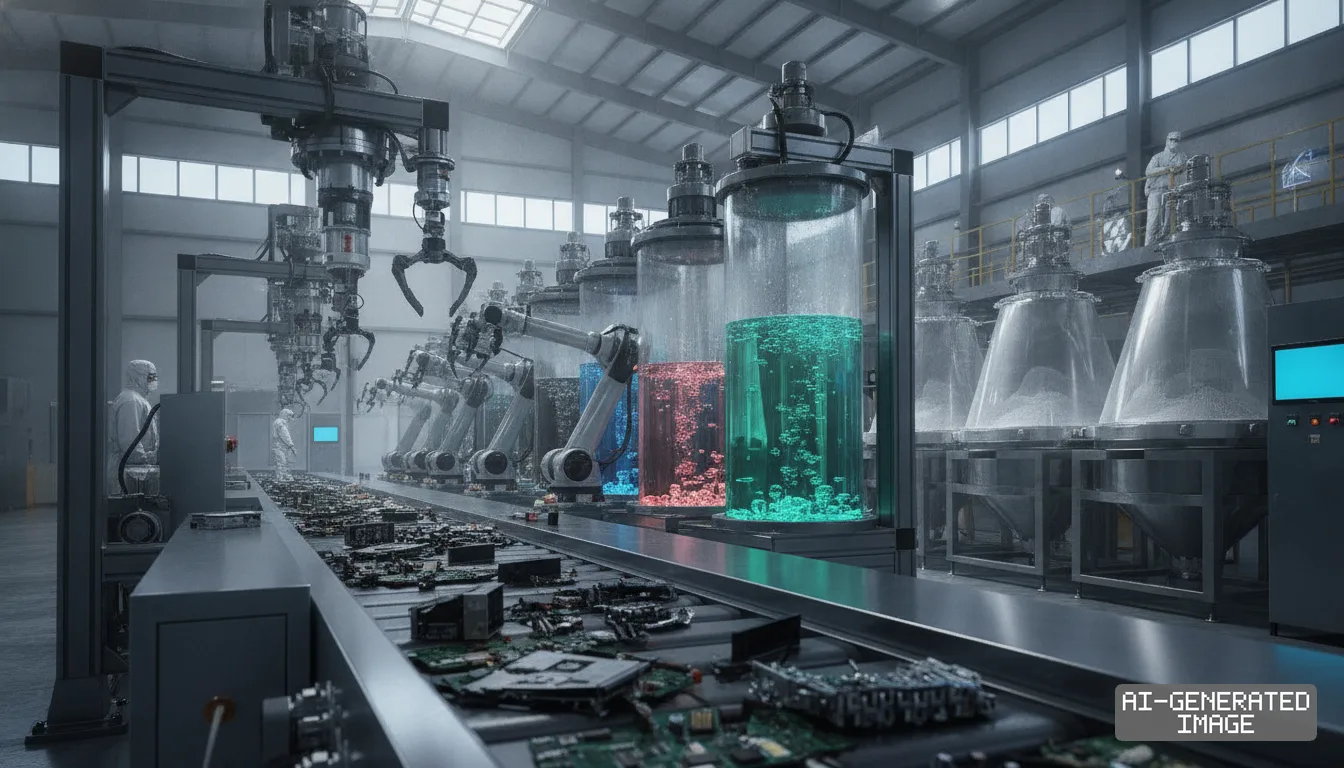
The two sides agreed to secure direct delivery channels for petrochemical feedstocks like naphtha, alongside battery minerals including lithium. South Korea depends on imported raw materials for cell manufacturing, while India is cataloging domestic mineral reserves.
Government-backed financial institutions will underwrite supply chain links between the two countries. The Export-Import Bank of Korea and Indian state financiers plan to extend credit lines for resource processing ventures and manufacturing facilities.
The dialogue also reviewed maritime manufacturing under the Comprehensive Framework for Partnership in Shipbuilding, Shipping and Maritime Logistics signed in April. The initiative links South Korean yard engineering with Indian port infrastructure projects.
India currently holds about 0.05% of the global commercial shipbuilding market. Prime Minister Modi's administration wants to expand domestic dockyard capacity under its Maritime Amrit Kaal 2047 initiative, which targets domestic production of 1,000 commercial vessels.
New Delhi is offering production-linked subsidies, direct yard construction incentives and guaranteed vessel order volumes to draw foreign shipbuilders. South Korean yards have begun exploring local joint ventures to leverage those financial incentives.
HD Korea Shipbuilding & Offshore Engineering, the intermediate holding company of HD Hyundai, signed a cooperation agreement in July with state-owned Cochin Shipyard, where the Indian government holds a 67.91% stake. The partnership covers ship design, procurement and shipyard modernization.
South Korean shipbuilders face capacity bottlenecks in domestic drydocks due to multi-year backlogs of liquefied natural gas carriers. Indian yards offer low labor overhead and expansive coastal acreage, allowing Korean engineering groups to outsource standard commercial hulls.
The two delegations also reviewed joint programs in artificial intelligence and aerospace manufacturing. Both governments agreed to create research and procurement links between Korean hardware producers and Indian software developers.
These digital programs will operate alongside the upgraded Comprehensive Economic Partnership Agreement negotiations. Bilateral working groups plan to align commercial standards and export procedures across artificial intelligence platforms and space components.
Regional security dynamics in the Indo-Pacific are pushing both capitals toward institutional alignment. South Korea joined the Indo-Pacific Oceans Initiative in April, framing bilateral industrial policy as a safeguard against maritime supply disruptions.
The strategic conversation addresses structural vulnerabilities in energy transit corridors. By coordinating critical mineral refining and commercial fleet construction, Seoul and New Delhi aim to insulate their supply routes from single-nation export restrictions.
The presidential office in Seoul said both governments plan to maintain continuous consultation between their national security councils to review implementation across each working group. Bilateral industrial committees will handle operational commercial tenders throughout next year.
The joint release did not state the specific dollar value of upcoming Indian shipyard subsidies, and officials have not published the date for the second dialogue meeting.
Impact map
How this development propagates across the region and out to global buyers.
| Event | Korea | China | Japan | Global impact |
|---|---|---|---|---|
| Korea-India Economic Security Dialogue | HD KSOE secures Indian yard capacity while cell makers diversify raw lithium procurement | State shipyards face long-term low-cost container competition from Indian-Korean yard ventures | Shipbuilders see Korean yards expand cost footprint in the Indian Ocean transit corridor | Critical mineral and maritime supply routes gain alternative refining and fabrication base |
In this story
- Companies
- HD Korea Shipbuilding & Offshore EngineeringCochin Shipyard Limited
- Tickers
- 009540.KS540678.BO
- Policy
- Subsidies
- Impact
- Supply ChainCapexOrder Book
Track every Subsidies development →
Related briefings
- HD Hyundai advances $4 billion shipyard plan in Tamil Nadu Also on HD Korea Shipbuilding & Offshore Engineering, Subsidies, Order Book
- India courts Korean shipbuilders for mega yard in Tamil Nadu Also on HD Korea Shipbuilding & Offshore Engineering, Subsidies, Order Book
- HD Hyundai and India Advance $4 Billion Tamil Nadu Shipyard Also on HD Korea Shipbuilding & Offshore Engineering, Subsidies, Order Book
- Fanuc previews 11-kg welding cobots for shipyards at Fabtech 2026 Also on HD Korea Shipbuilding & Offshore Engineering, Subsidies, Order Book
Sources
Primary documents
Reporting
Confidence: high — how we grade this
The documents behind this briefing are linked above. East Asia Brief produces its English text with AI assistance under human editorial review, and does not translate or republish other outlets' articles. See our methodology and AI policy. Spotted an error? Tell us.
The Morning Brief
What changed in Korean, Chinese and Japanese industry overnight — and what it means for your supply chain. One email, weekday mornings, US time. Free.
The Morning Brief is in preparation. Leave your address and we will write to you once — when the first issue is ready. Nothing before that.