Japan yttrium oxide import prices surge 64-fold as shipments drop
Ministry of Finance customs data shows nine-month imports fell 70% to 294 tons after Chinese refiners throttled rare earth dispatches to chip tool makers.
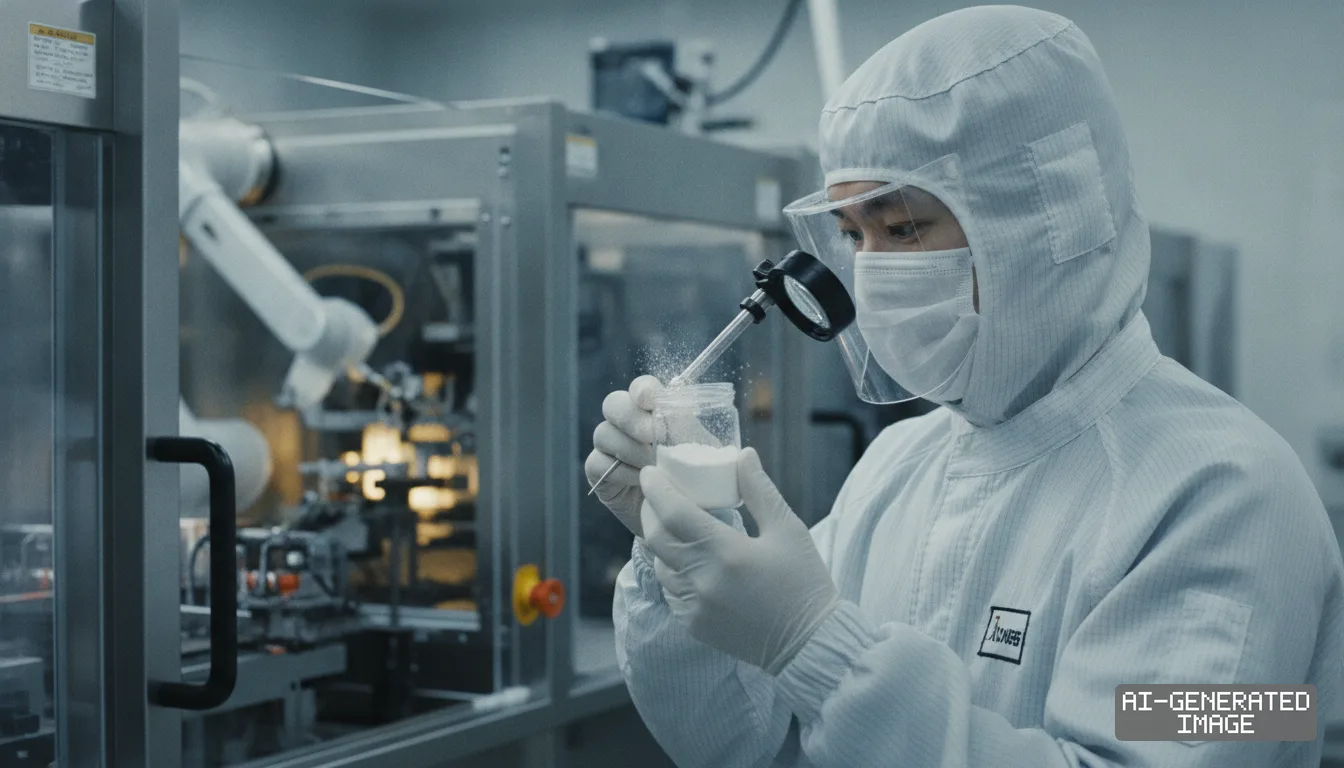
Japan's Ministry of Finance recorded a 64-fold surge in yttrium oxide import costs on Nov. 14, 2026, as tightened Chinese export licensing cut shipments to Japanese chip equipment suppliers.
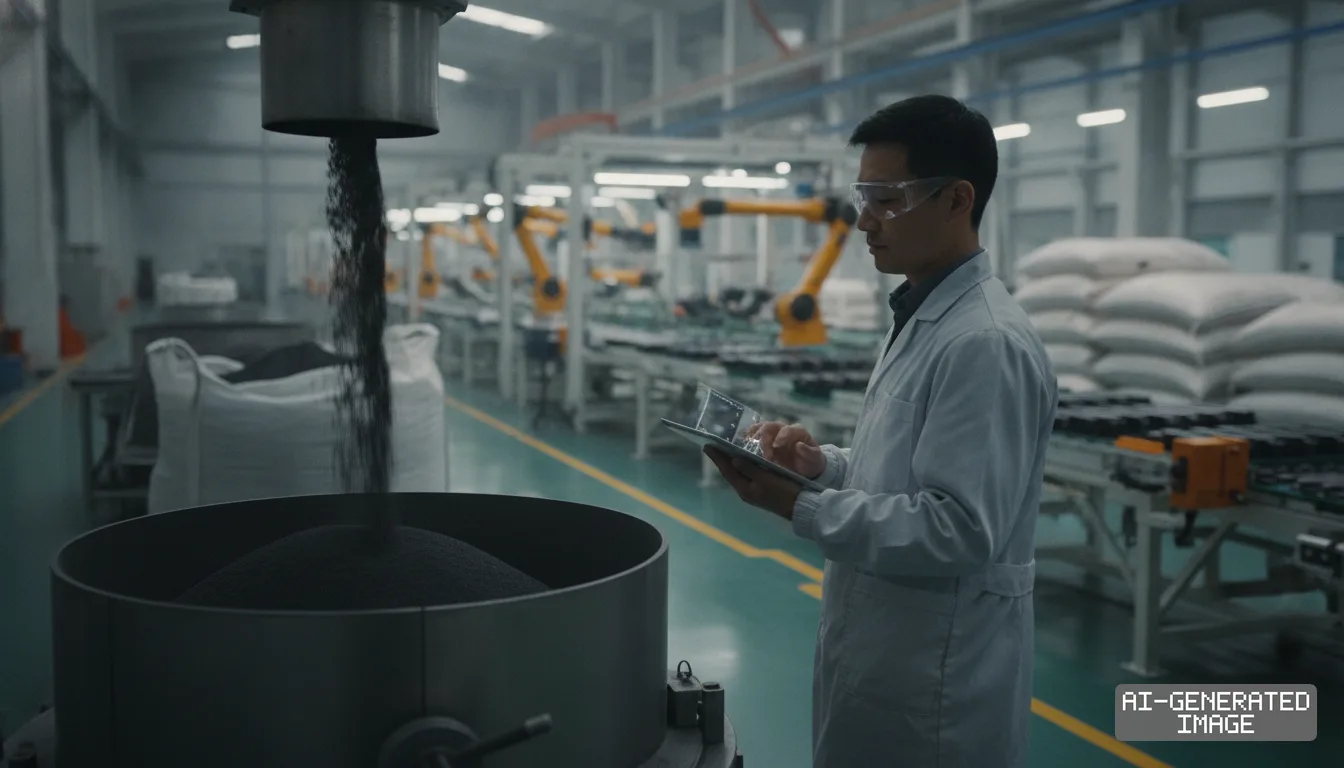
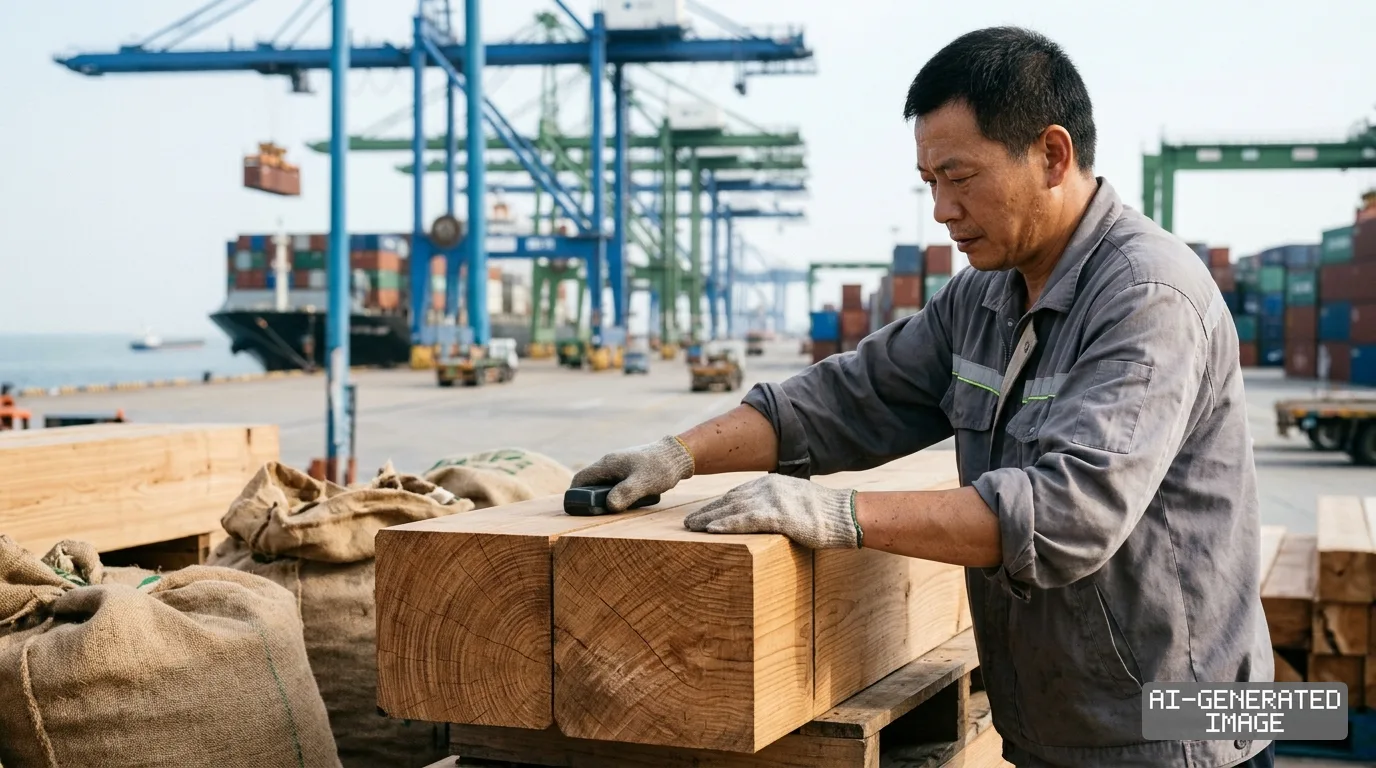
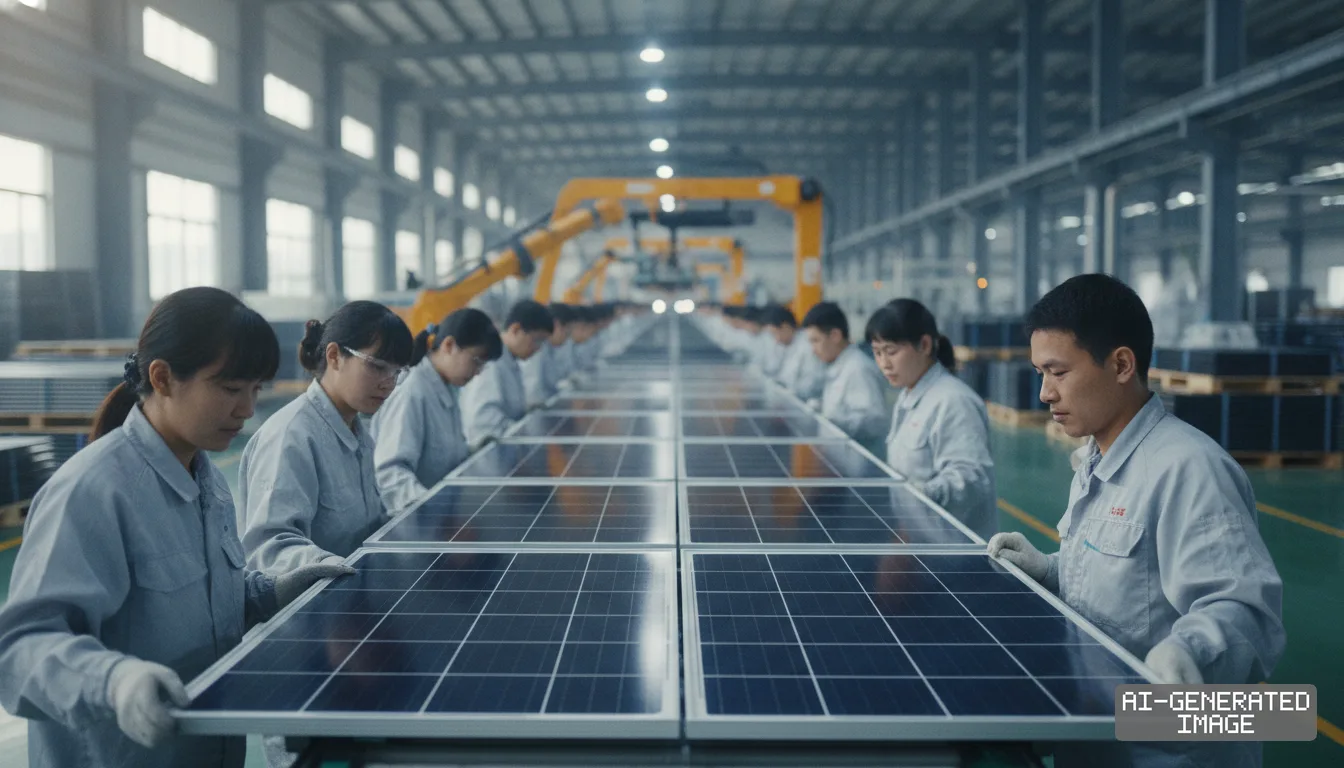
Customs data under tariff code 2846.90-210 showed the average unit price jumped sixty-four-fold in September from a year earlier. Total import volumes dropped to 294 metric tons across the first nine months, down 70%.
Chinese customs records showed refiners dispatched only 18 metric tons of yttrium oxide to Japan between January and September. That delivery volume fell 98% from the 887 metric tons shipped during the same period in 2025.
European spot prices reached $1,087 per kilogram in September and climbed to $1,150 per kilogram in early November, according to price assessments from Argus Media. The overseas quotation stands at more than 100 times Chinese domestic rates.
Inside China, domestic processors purchase yttrium oxide at between $9.14 and $35 per kilogram. The two-tier pricing structure leaves manufacturers outside China paying roughly $1.15 million per metric ton for material refined in Chinese solvent-extraction facilities.
China's Ministry of Commerce established the supply barrier through Announcement No. 18 on April 4, 2025. That rule imposed mandatory dual-use export licensing on seven medium and heavy rare earth elements, including yttrium, dysprosium and terbium.
Beijing intensified the restrictions on Jan. 6, 2026, when Announcement No. 1 added stricter screening on dual-use commodities destined for Japan. Exporters must submit end-user documentation, production schematics and facility verification before trade authorities grant export permits.
Yttrium oxide — a heavy rare earth powder used to produce heat-resistant ceramics — provides critical plasma resistance inside semiconductor fabrication chambers. Etch and chemical vapor deposition tools expose internal surfaces to corrosive fluorine and chlorine process gases.
Standard quartz and aluminum oxide components degrade rapidly under advanced wafer etching conditions. Components coated with high-purity yttrium ceramics withstand halogen plasma, preventing particulate contamination on silicon wafers processed below three nanometers.
Memory manufacturer Kioxia Holdings and aerospace contractor IHI Corporation rely on yttrium compounds to protect equipment and coat jet turbine blades. Both companies warned in industry meetings that existing component stockpiles risk exhaustion within months.
The delivery squeeze threatens Japanese precision ceramic fabricators that supply electrostatic chucks, chamber rings and gas distribution plates to global toolmakers. These manufacturers cannot absorb sixty-four-fold material cost increases without raising subcomponent prices for fabrication plants.
Japanese chemical supplier Shin-Etsu Chemical approved a ¥35 billion ($227 million) capital budget to construct a heavy rare earth separation refinery in Fukui Prefecture. The project marks the company's first new domestic rare earth refining plant since 2008.
Japan's Ministry of Economy, Trade and Industry pledged subsidies covering roughly 50% of the Fukui facility cost. The refinery aims to extract dysprosium, terbium and yttrium from raw ore concentrates sourced from the United States, South Korea and Estonia.
Shin-Etsu Chemical operates two smaller rare earth facilities in Fukui but still depends on Chinese feedstock for advanced magnetic and ceramic compounds. Building alternative solvent-extraction capacity requires multi-year environmental approvals and chemical processing certifications.
China controls roughly 99% of global solvent-extraction capacity for heavy rare earths through state conglomerate China Rare Earth Group. Western mining sites produce raw ores but send concentrates to Chinese separation units because commercial extraction outside China remains scarce.
Raw rare earth concentrates shipped from mining operations in Myanmar and Laos supply Chinese state refineries before undergoing separation. Because alternative separation facilities do not operate at commercial scale, global equipment builders cannot bypass Chinese export licensing by purchasing unrefined ionic clays.
Tokyo has attempted to insulate strategic manufacturing sectors since a 2010 territorial dispute interrupted light rare earth shipments. That effort fostered magnet recycling and alternative procurement but left heavy rare earth refining almost entirely reliant on Chinese plants.
Japanese trade officials established bilateral discussions with mineral suppliers in Australia and North America to accelerate non-Chinese heavy rare earth processing. Until those ventures construct commercial separation facilities, Japanese ceramic producers remain vulnerable to Chinese dual-use licensing delays.
The Ministry of Commerce in Beijing announced Nov. 9 that it extended a suspension of broader rare earth export restrictions to Jan. 10, 2027. That pause applies to select light rare earths and manufacturing equipment, not the April 2025 heavy rare earth regime.
The April 2025 licensing rules governing yttrium remain fully active with no expiration date. Japanese import clearance times for specialized ceramic feedstocks now extend past four months, leaving ceramic parts manufacturers operating on thin inventory buffers.
Shin-Etsu Chemical has not published a construction timetable or target completion date for its planned ¥35 billion Fukui refinery. Industrial buyers in Tokyo must operate through winter contract cycles with existing domestic reserves.
Impact map
How this development propagates across the region and out to global buyers.
| Event | Korea | China | Japan | Global impact |
|---|---|---|---|---|
| China yttrium export curbs | Korean refiners and foundries face collateral supply competition for non-Chinese feed | China Rare Earth Group maintains domestic supply near $9/kg while offshore exports fall 98% | Shin-Etsu commits ¥35 billion to Fukui refinery as Kioxia faces raw material cost squeeze | Advanced etch ceramic component pricing jumps as offshore yttrium tops |
| China yttrium export curbs | Korean refiners and foundries face collateral supply competition for non-Chinese feed | China Rare Earth Group maintains domestic supply near $9/kg while offshore exports fall 98% | Shin-Etsu commits ¥35 billion to Fukui refinery as Kioxia faces raw material cost squeeze | Advanced etch ceramic component pricing jumps as offshore yttrium tops $1,100/kg |
In this story
- Companies
- Shin-Etsu ChemicalKioxia HoldingsIHI Corporation
- Tickers
- 4063.T
- Exposed
- China Rare Earth Group
- Policy
- Export Controls
- Impact
- Supply ChainCost StructureCapex
Track every Export Controls development →
Related briefings
- Japan Seeks US Help on China Yttrium Curbs as Metal Runs Out Also on IHI Corporation, Export Controls, Cost Structure
- METI expands Western rare earth alliances as China chokes yttrium Also on IHI Corporation, Export Controls
- IHI plans domestic factory to produce 30 small satellites annually Also on IHI Corporation
- China mandates digital tracking codes for heavy rare earth shipments to tighten export control Also on China Rare Earth Group, Shin-Etsu Chemical, Export Controls
Sources
Primary documents
Reporting
Confidence: high — how we grade this
The documents behind this briefing are linked above. East Asia Brief produces its English text with AI assistance under human editorial review, and does not translate or republish other outlets' articles. See our methodology and AI policy. Spotted an error? Tell us.
The Morning Brief
What changed in Korean, Chinese and Japanese industry overnight — and what it means for your supply chain. One email, weekday mornings, US time. Free.
The Morning Brief is in preparation. Leave your address and we will write to you once — when the first issue is ready. Nothing before that.