Indonesia nickel probe ties carmakers to deforestation in Sulawesi
European investigative findings show untracked Indonesian nickel ore flowing through Chinese refiners to global battery makers ahead of EU due diligence enforcement.
A European investigative reporting consortium said Oct. 16, 2026, that nickel mined from illegally deforested tracts in Indonesia enters the battery supply chains of major Western automakers.
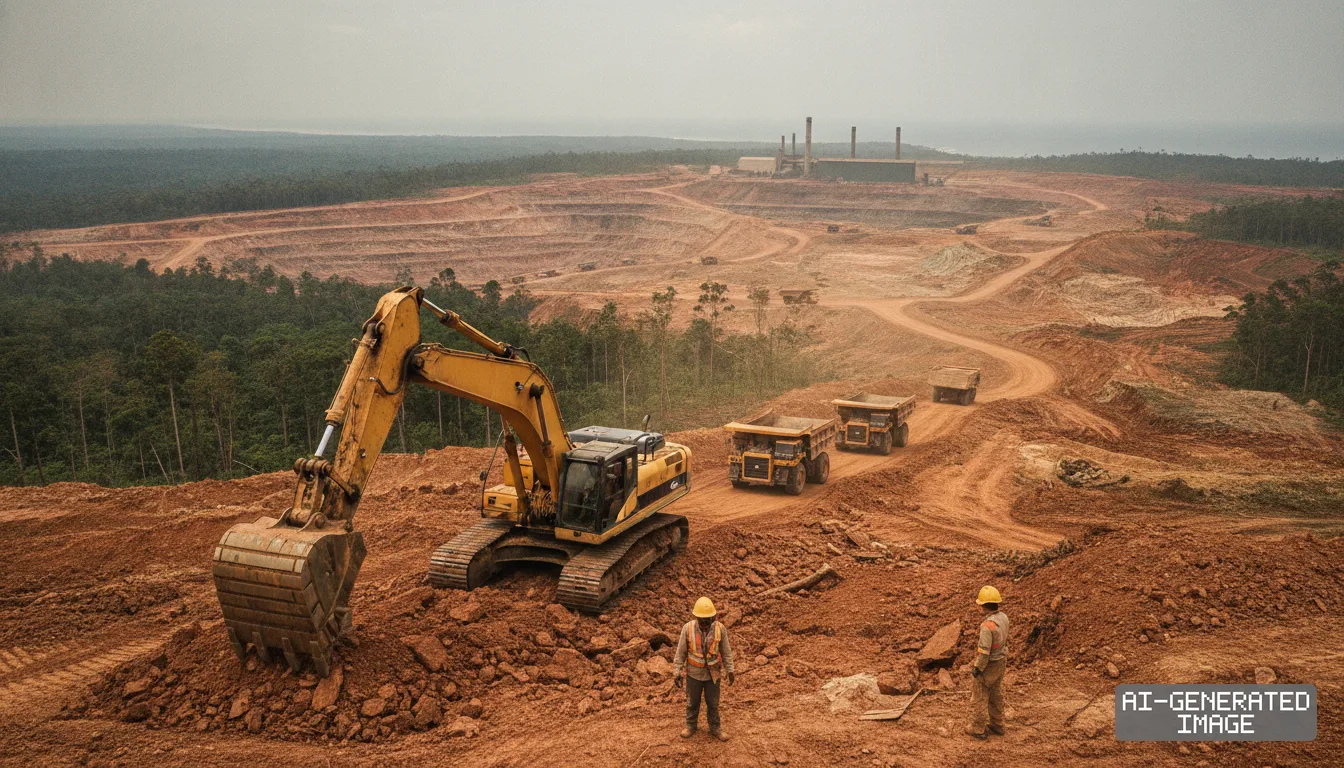
The findings connect open-pit laterite mines on the island of Sulawesi to Chinese chemical refiners that supply cell manufacturers in Asia and Europe.
Indonesia holds roughly 42% of global nickel reserves. It accounts for more than half of worldwide mined extraction.
The investigation centered on the Cahaya concession, operated by PT Sulawesi Cahaya Mineral across 21,000 hectares in Southeast Sulawesi. It also examined the nearby Hengjaya mine.
Both sites sit within ancestral lands of the indigenous Tolaki community. Mining operations there have expanded rapidly to feed high-pressure acid leach plants.
Nonprofit environmental group Auriga Nusantara calculated that Sulawesi Cahaya Mineral delivered 11.0 million tonnes of limonite ore in 2024. The company delivered roughly 12.5 million tonnes to processing facilities in 2025.
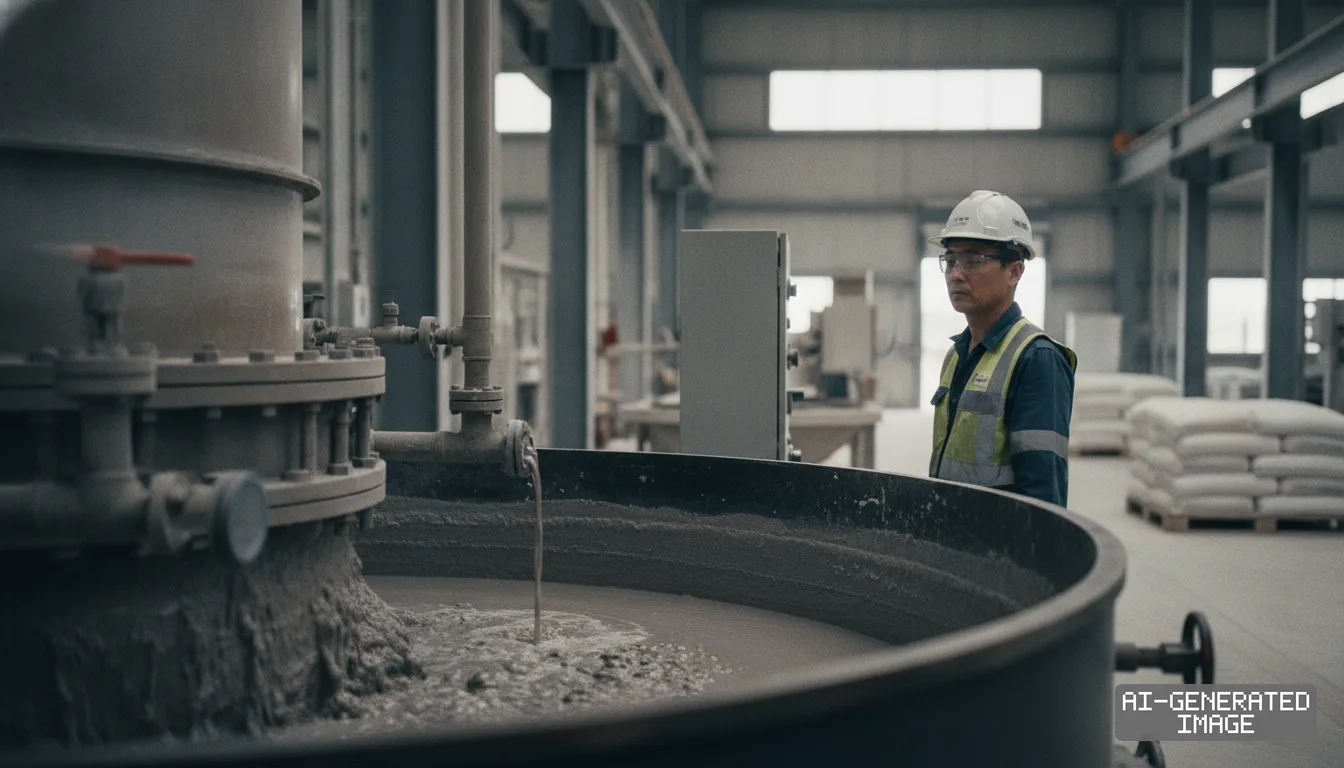
Those volumes went directly to the Indonesia Morowali Industrial Park in Central Sulawesi. Chinese refiner Zhejiang Huayou Cobalt processes the ore into battery-grade chemical intermediate.
The intermediate material is mixed hydroxide precipitate — a concentrated chemical compound of nickel and cobalt extracted from low-grade ore using sulfuric acid under high pressure.
Customs and maritime trade records indicate the Morowali complex exported $606 million worth of mixed hydroxide precipitate to Chinese ports in 2024. Shipments totaled $470 million in 2025.
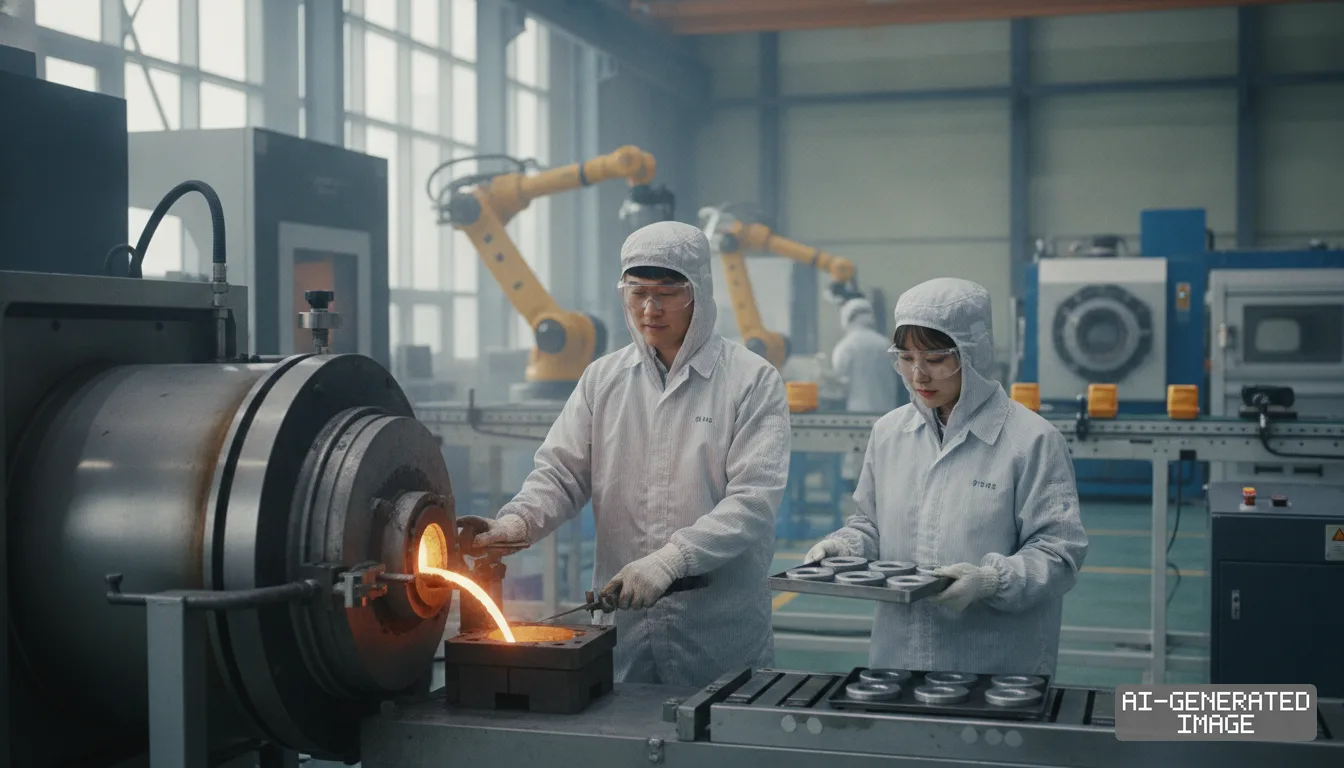
The intermediate was delivered to Huayou chemical refineries in Quzhou and Yulin. Those plants synthesize precursor cathode active materials.
Huayou annual corporate disclosures confirm that the company ships processed cathode materials to Contemporary Amperex Technology, known as CATL, and South Korea's LG Energy Solution.
LG Energy Solution routes precursor feedstocks through international processing pipelines to supply its cell manufacturing plant in Wroclaw, Poland. CATL supplies electric vehicle packs globally.
Geospatial analysis conducted by environmental mapping firm The TreeMap established that nickel extraction caused two-thirds of all tree cover loss within the Cahaya concession since 2001.
Nickel mining also drove more than half of recorded forest destruction inside the Hengjaya boundary during the same period.
Sulawesi Cahaya Mineral cleared more than 450 hectares of forest outside its officially permitted boundaries, the report found.
Indonesia's Ministry of Environment and Forestry issued two separate administrative sanctions against Sulawesi Cahaya Mineral in 2025 for unauthorized clearing.
Western carmakers face mounting legal exposure from uncertified upstream inputs under new European environmental regulations.
Volkswagen stated that it could not exclude the named Indonesian mines and intermediate refiners from its indirect supply network.
Ford Motor said it initiated an internal compliance inquiry into mineral supply routes connected to its third-party battery suppliers.
Tesla, CATL and Zhejiang Huayou Cobalt did not respond to requests for comment regarding their raw material sourcing safeguards.
Automakers selling vehicles in Europe must prepare for the European Union Battery Regulation, designated Regulation 2023/1542. The framework introduces mandatory third-party audits.
The regulation requires companies placing industrial and electric vehicle batteries on the EU market to verify that nickel, cobalt, lithium and graphite comply with strict environmental criteria.
Mandatory verification rules under Chapter VII of the EU Battery Regulation take effect Aug. 18, 2027. Regulators will require digital battery passports detailing raw material provenance.
The broader Corporate Sustainability Due Diligence Directive also establishes civil liability for corporations that fail to prevent environmental abuses within their upstream chains.
The investigative consortium noted that customs manifests and corporate filings do not establish whether nickel from the specific Sulawesi pits reached individual vehicle identification numbers.
Industrial buyers lack public batch-level tracing records to isolate physical mineral lots once limonite ore enters shared slurry feed pipelines at the Morowali complex.
Impact map
How this development propagates across the region and out to global buyers.
| Event | Korea | China | Japan | Global impact |
|---|---|---|---|---|
| Sulawesi nickel ESG probe | LG Energy Solution faces audit scrutiny over Morowali MHP routed to its Polish battery lines | Huayou Cobalt and CATL confront Western buyer demands for segregated HPAL batch tracing | automakers review procurement contracts to ensure Indonesian nickel meets upcoming EU passport norms | Western EV manufacturers face regulatory exclusion under 2027 EU supply chain verification rules |
In this story
- Companies
- Zhejiang Huayou CobaltContemporary Amperex TechnologyLG Energy SolutionVolkswagenFord Motor
- Tickers
- 603799.SSMBMA.JK300750.SZ373220.KSVOW3.DEF
- Exposed
- Tesla
- Policy
- Standards
- Impact
- Supply ChainComplianceCost Structure
Track every Standards development →
Related briefings
- China waives African tariffs to lock in critical minerals Also on Zhejiang Huayou Cobalt, Contemporary Amperex Technology, Compliance
- Japanese trading houses secure Indonesian HPAL nickel to bypass tolling bottlenecks Also on Zhejiang Huayou Cobalt
- CATL widens global EV battery lead to 39.4% as Korean share slips Also on Ford Motor, Volkswagen, Tesla
- CATL Surpasses Korean Battery Trio in Markets Outside China Also on Ford Motor, Volkswagen, Tesla
Sources
Reporting
Confidence: medium — how we grade this
The documents behind this briefing are linked above. East Asia Brief produces its English text with AI assistance under human editorial review, and does not translate or republish other outlets' articles. See our methodology and AI policy. Spotted an error? Tell us.
The Morning Brief
What changed in Korean, Chinese and Japanese industry overnight — and what it means for your supply chain. One email, weekday mornings, US time. Free.
The Morning Brief is in preparation. Leave your address and we will write to you once — when the first issue is ready. Nothing before that.