Japanese trading houses secure Indonesian HPAL nickel to bypass tolling bottlenecks
Capital commitments to Sulawesi mixed hydroxide precipitate refineries give East Asian battery supply chains direct access to upstream Indonesian intermediate nickel output.
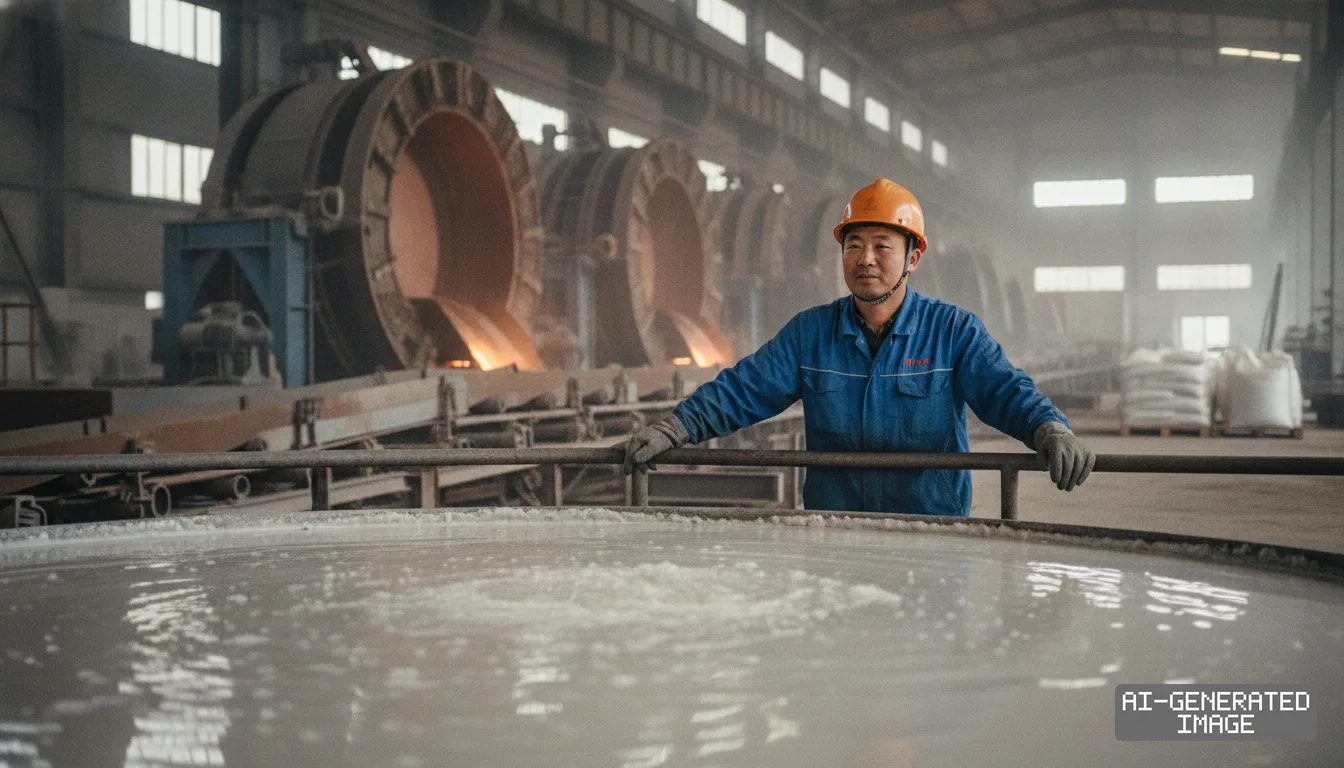
Japanese trading house Hanwa Co. has expanded its direct equity and offtake framework in Indonesian high-pressure acid leach processing, anchoring a South Korean and Japanese consortium that holds a controlling 72.5 percent stake in the PT Teluk Metal Industry facility in Central Sulawesi. The move establishes a dedicated corridor for intermediate battery feedstocks flowing directly into East Asian processing hubs, bypassing intermediate third-country tolling networks that have historically dominated regional nickel supply chains.
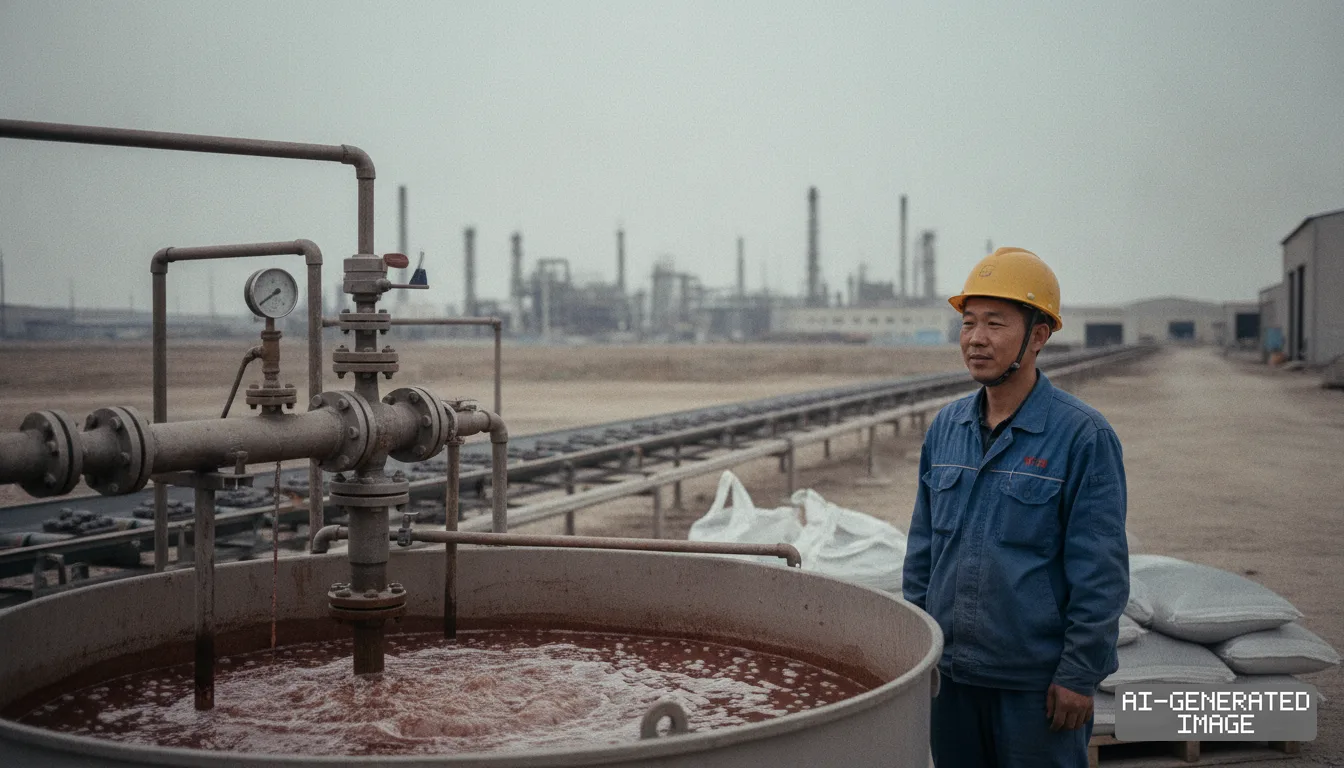
The transaction centers on the PT Teluk Metal Industry (TMI) high-pressure acid leach (HPAL) development located inside the Indonesia Morowali Industrial Park (IMIP). Under the ownership structure, the consortium formed by Hanwa, South Korean non-ferrous metals refiner LS MnM Inc., and an undisclosed strategic investor controls 72.5 percent of the project. Singapore-based Sumber International Investment holds a 10 percent interest, while Australian Securities Exchange-listed Nickel Industries Limited executed definitive agreements to acquire the remaining 17.5 percent interest for $169 million payable by Nov. 26, 2026.
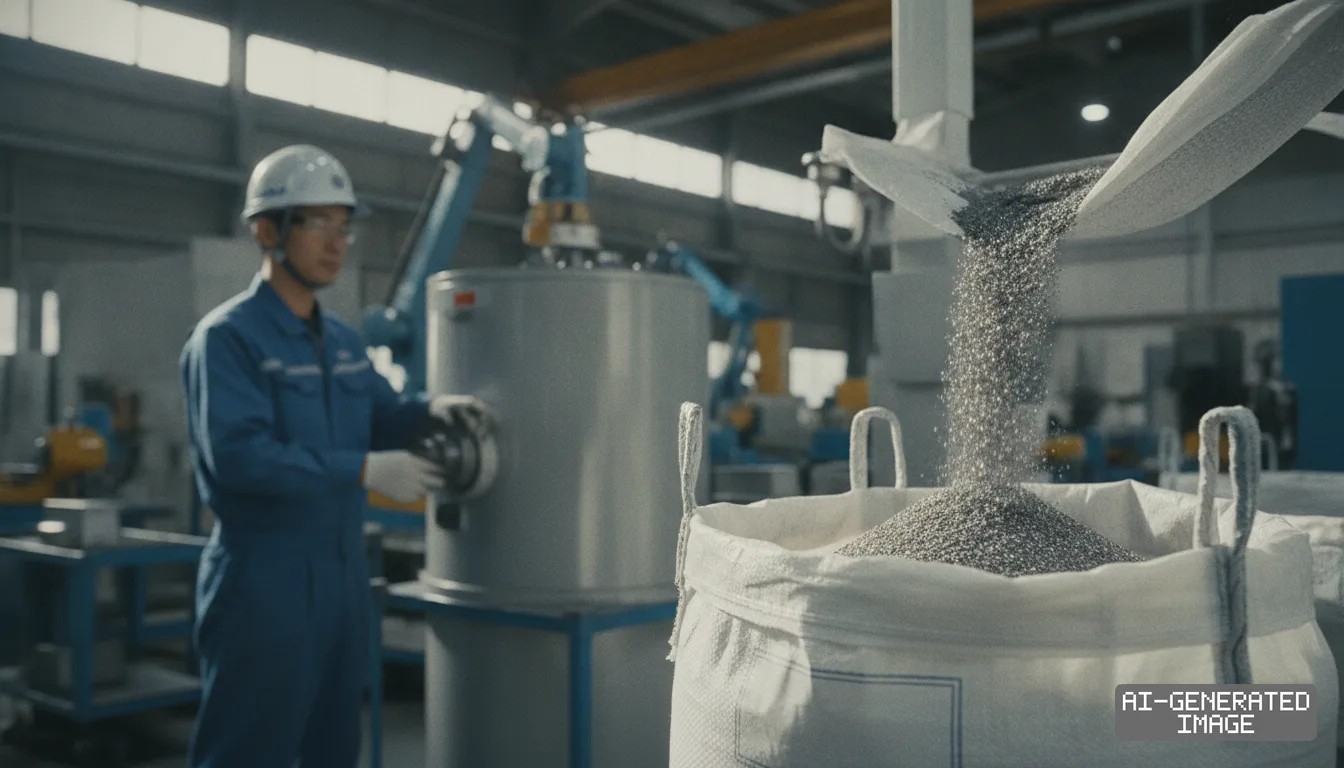
The TMI refinery is designed with an annual nameplate capacity of 38,640 metric tons of nickel contained in mixed hydroxide precipitate (MHP), a crucial intermediate chemical compound required for precursor and cathode active material synthesis. Commercial commissioning at the facility is scheduled to begin in mid-2027. Shanghai Decent Investment, an operating arm of Tsingshan Holding Group, provided a binding construction cost and delivery guarantee capping development capital and guaranteeing nameplate capacity delivery by September 2027.
Hanwa and LS MnM have simultaneously tied their procurement networks to the adjacent Chengsheng New Energy (CNE) HPAL project within the same industrial complex. The CNE installation adds another 28,357 metric tons of annual nickel nameplate capacity in the form of MHP. These joint positions ensure long-term physical allocation of intermediate materials directly to East Asian battery material precursors, reducing commercial exposure to spot market volatility and third-party smelting availability.
The strategic shift by Japanese general trading firms (sogo shosha) toward upstream Indonesian hydrometallurgical assets reflects changing procurement economics for critical minerals. For years, Japanese industrial users relied on legacy overseas refining assets, including Philippine operations such as the Coral Bay Nickel Corporation facility, from which Mitsui & Co. restructured its intermediate investment exposure. As laterite ore availability tightened in traditional jurisdictions and Indonesian industrial parks expanded high-pressure acid leach throughput, securing primary intermediate allocations became necessary to maintain refinery utilization rates in Japan and South Korea.
This upstream push unfolds against Indonesian regulatory interventions aimed at controlling nickel reserve depletion. Late in 2025, the Indonesian Ministry of Energy and Mineral Resources halted approvals for new greenfield HPAL licensing, seeking to moderate rapid resource extraction and stabilize regional benchmark prices. The policy measure effectively closed the door on new market entrants, increasing the strategic value of already permitted and under-construction HPAL projects such as TMI and CNE.
Securing uncommitted MHP volume provides Japanese and allied battery material producers with clear chain-of-custody tracking from mine head to cathode plant. Battery procurement managers across North America and Europe face increasingly stringent rules of origin and supply chain transparency mandates, requiring verifiable origin data for critical minerals. Direct equity participation in dedicated refining circuits enables trading houses to structure bilateral contracts with cathode makers who require traceable feedstock to satisfy regulatory criteria.
Other Japanese industrial participants are maintaining multi-track strategies across Indonesian nickel assets. Sumitomo Metal Mining Co. retains an 11.5 percent equity interest in PT Vale Indonesia Tbk, alongside joint project frameworks involving Zhejiang Huayou Cobalt Co. at the Pomalaa and Bahodopi developments. However, direct consortium equity in operational and near-commissioning HPAL lines allows traders like Hanwa to lock in immediate intermediate volumes rather than negotiating merchant tolling terms.
For downstream battery supply strategists, the concentration of HPAL intermediate supply in Central Sulawesi reinforces Indonesia's role as the primary global growth engine for class-one battery feedstocks. The physical transfer of MHP directly to specialized sulfate crystallization plants in South Korea and Japan establishes an alternative processing route to standalone domestic smelting inside China. This bilateral refining loop strengthens feedstock availability for automotive battery joint ventures operating across Asian and Western markets.
Capital disbursements for the PT Teluk Metal Industry project proceed under the definitive investment schedule, with Nickel Industries completing its $169 million acquisition payment by Nov. 26, 2026, ahead of initial equipment trials planned for the middle of 2027.
Impact map
How this development propagates across the region and out to global buyers.
| Event | Korea | China | Japan | Global impact |
|---|---|---|---|---|
| Indonesian HPAL intermediate offtake | precursor refiners secure MHP feedstock | Tsingshan provides capex delivery guarantee | trading house locks traceable supply | EV battery supply chains bypass tolling loops |
In this story
- Companies
- Hanwa Co.LS MnM Inc.Nickel Industries Limited
- Tickers
- 8078.TNIC.AX
- Exposed
- Sumitomo Metal MiningMitsui & Co.Tsingshan Holding GroupZhejiang Huayou CobaltPT Vale Indonesia
- Policy
- Economic SecuritySubsidies
- Impact
- Supply ChainCapexOrder Book
Track every Economic Security development → Track every Subsidies development →
Related briefings
- Japanese trading houses expand cobalt refining ties to counter supply risk Also on Mitsui & Co., Sumitomo Metal Mining, Order Book
- China waives African tariffs to lock in critical minerals Also on Zhejiang Huayou Cobalt
- Japan certifies $2.4 billion in battery subsidies to lock in solid-state cell capacity Also on Sumitomo Metal Mining, Order Book
- Hyundai, Toyota and BYD advance in-house solid-state battery lines Also on Sumitomo Metal Mining
Sources
Primary documents
Reporting
Confidence: high — how we grade this
The documents behind this briefing are linked above. East Asia Brief produces its English text with AI assistance under human editorial review, and does not translate or republish other outlets' articles. See our methodology and AI policy. Spotted an error? Tell us.
The Morning Brief
What changed in Korean, Chinese and Japanese industry overnight — and what it means for your supply chain. One email, weekday mornings, US time. Free.
The Morning Brief is in preparation. Leave your address and we will write to you once — when the first issue is ready. Nothing before that.