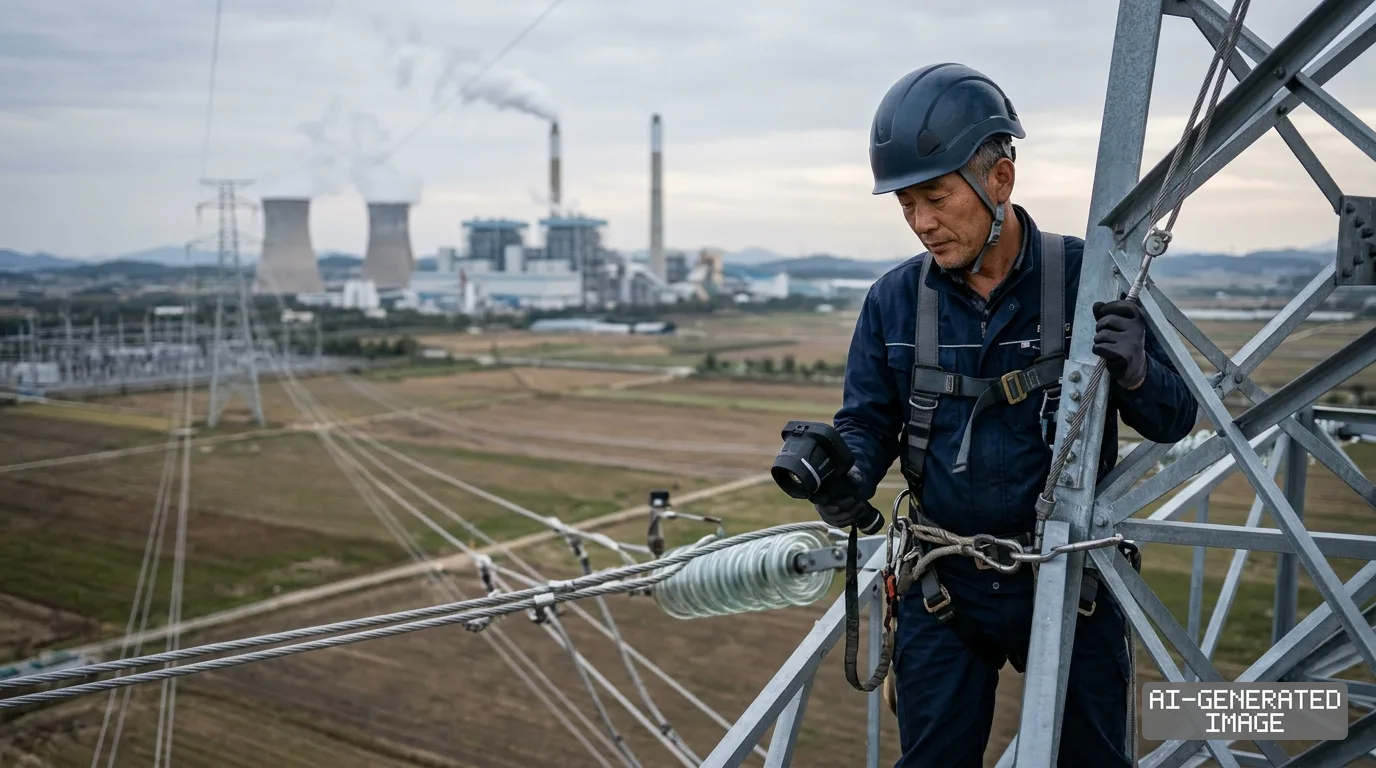
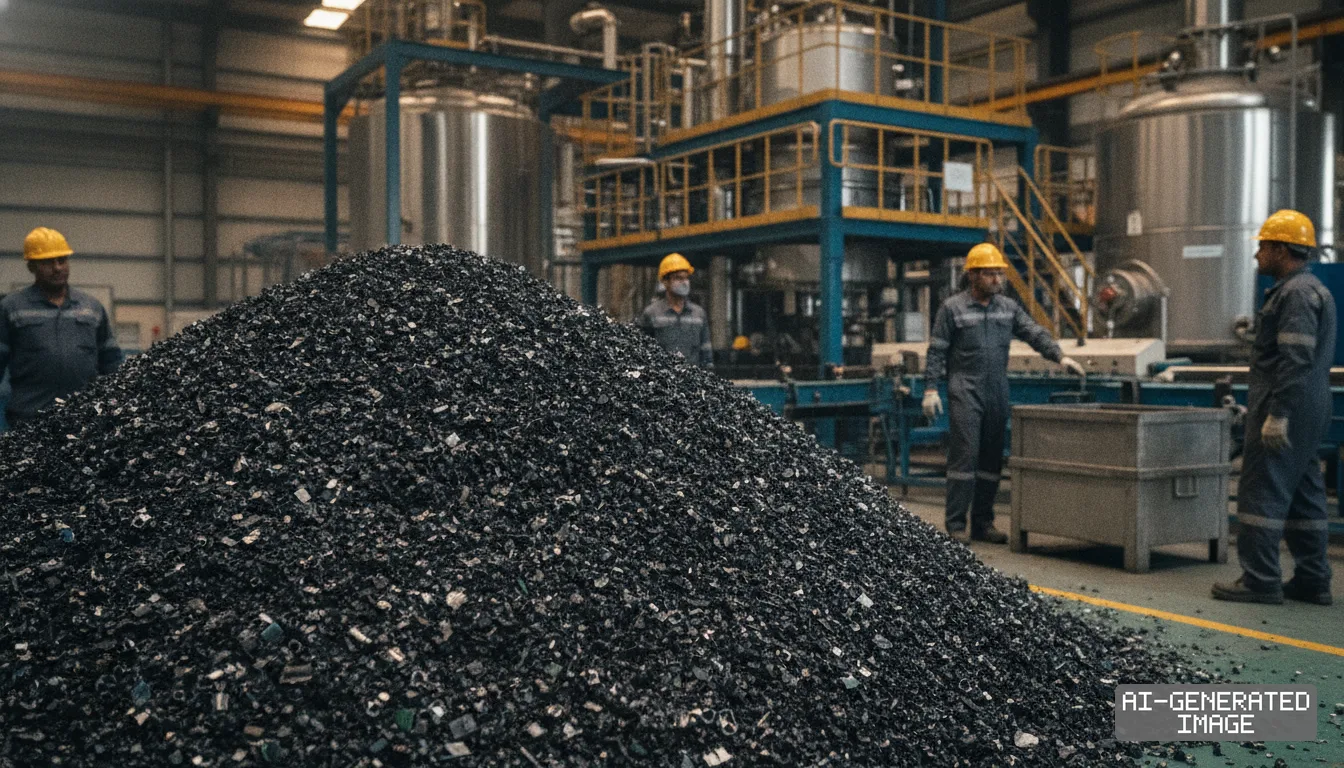
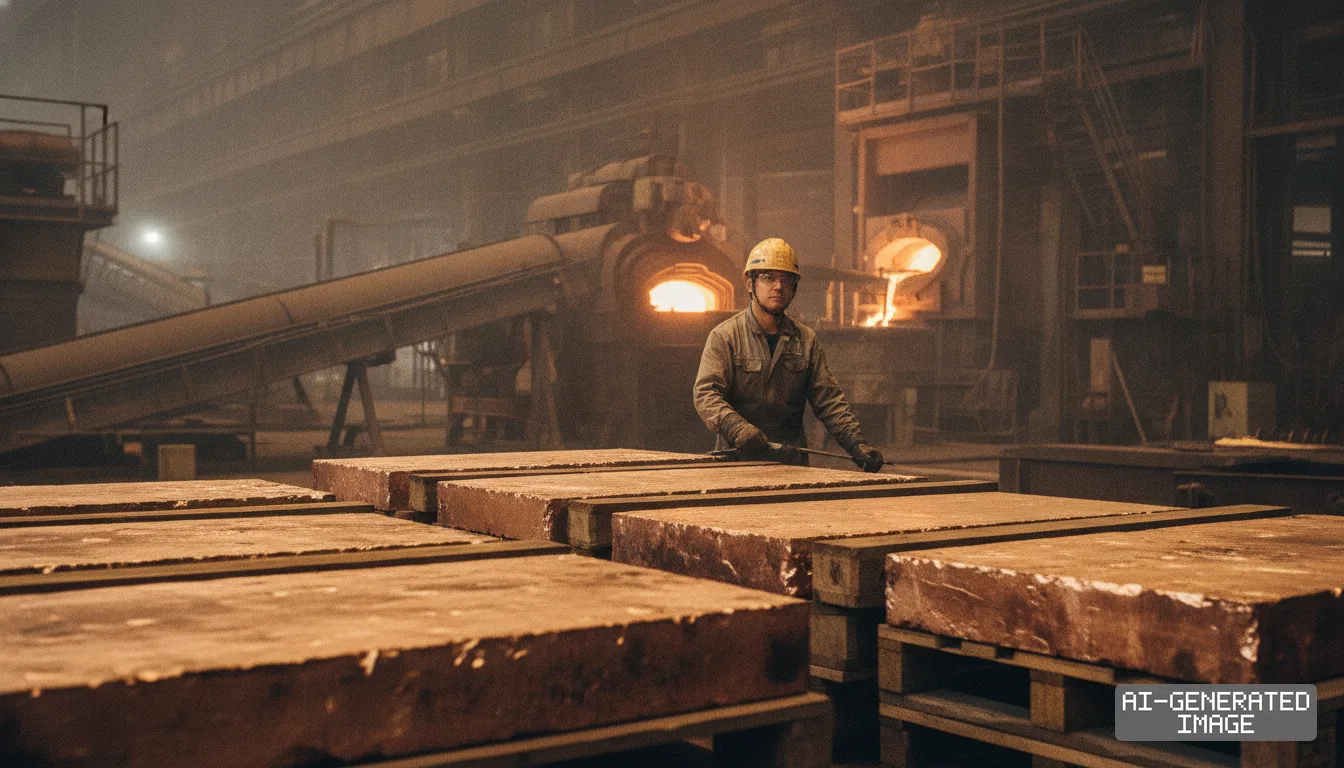
China Rare Earth Group tightens southern clay mining with MCC pact
Southern deposits generate over 90% of global heavy rare earth volume, including dysprosium and terbium used in permanent magnets for electric vehicles.
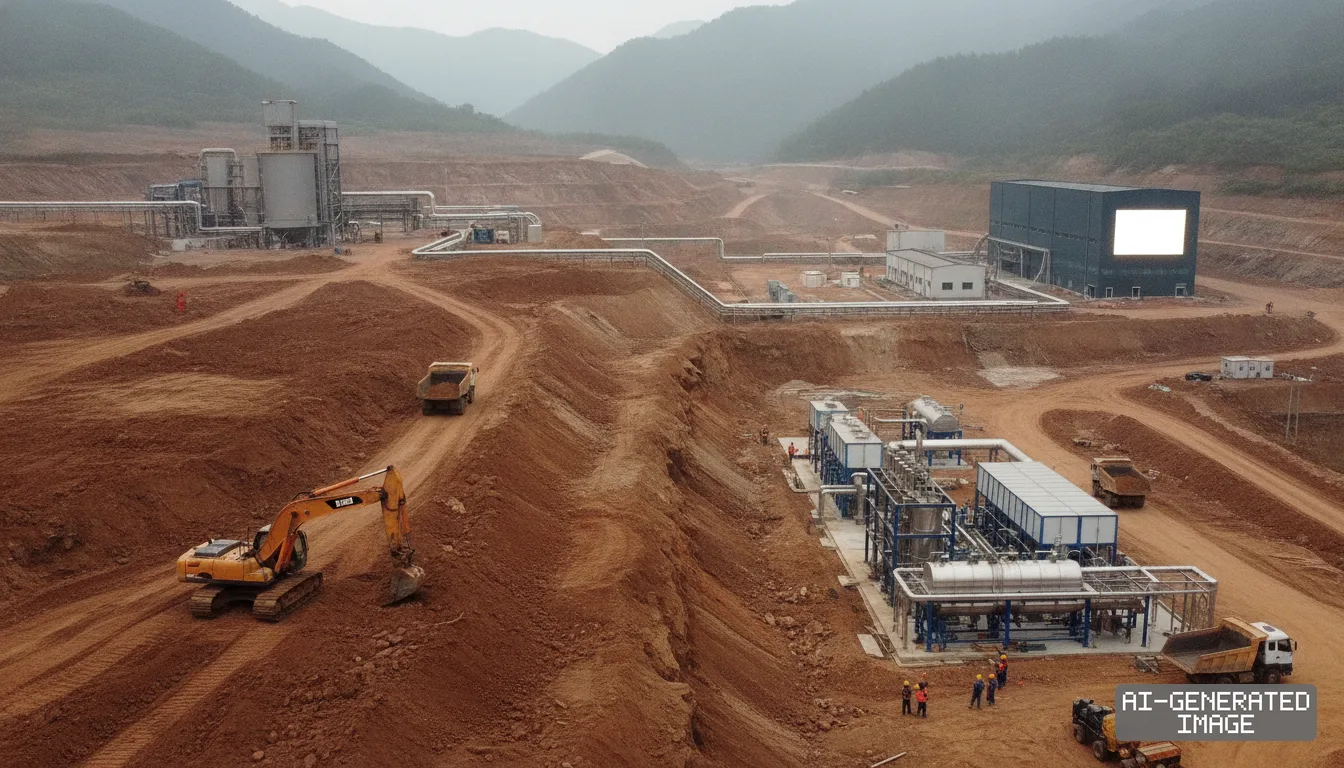
China Rare Earth Group advanced an operational framework with engineering conglomerate MCC on Nov. 13, 2026, standardizing safety and environmental controls across southern ionic clay mines to centralize heavy rare earth extraction.
Southern China's ionic adsorption clay deposits supply more than 90% of global commercial volume for heavy rare earths. These elements, including dysprosium and terbium, serve as critical heat-resistant additives in permanent magnets for electric vehicles and defense systems.
The weathering crust deposits are concentrated across Jiangxi, Guangdong, Fujian, Hunan and Guangxi provinces. These deposits contain between 0.03% and 0.15% rare earth oxides in shallow regolith layers, making them far cheaper to strip than hard-rock bastnasite ores.
China Rare Earth Group oversees this southern production corridor under quotas issued by the Ministry of Industry and Information Technology. Enforcing unified ecological standards allows the state producer to halt unmonitored extraction and absorb non-compliant regional mining pits.
The technical initiative stems from executive talks between China Rare Earth Group General Manager Li Zhihui and Wang Haitao, head of MCC's Central Research Institute of Building and Construction. The institutions established a permanent engineering partnership across three mining disciplines, the group said.
The partnership focuses first on high-salt wastewater management, addressing the chemical discharge generated during in-situ leaching. Leaching recovers rare earths by injecting ammonium electrolyte solutions into hillsides to strip loosely bound metal ions from clay particles without crushing hard rock.
Uncontrolled leaching historically saturated regional aquifers with ammonium sulfate and stripped vegetation across southern river basins. The new framework introduces automated slope-stability monitoring and geotechnical early-warning sensors to prevent hillside collapses around operational stopes, the engineering institute said.
China Rare Earth Group and MCC are also codifying ecological restoration metrics into formal green mine benchmarks. Mines failing to install automated effluent filtration and structural monitoring risk immediate permit revocation under the national Rare Earth Management Regulations.
Those State Council regulations mandate a comprehensive product tracing system across every stage of processing. Mining enterprises must record raw extraction volume, leaching fluid inputs and intermediate oxide outputs in a synchronized registry overseen by state regulators.
The technical standards operate alongside a corporate consolidation of state mineral assets. China Rare Earth Resources and Technology Co., the group's listed arm, filed an asset restructuring plan on Nov. 13 to acquire a 51% stake in China Rare Earth Liangshan.
The listed unit will fund the transaction by issuing new shares to its state-owned parent company. Absorbing the Liangshan assets concentrates upstream extraction rights and ore processing under a single listed entity, the company said in a filing to the Shenzhen Stock Exchange.
Western automotive and aerospace manufacturers face immediate exposure to this centralized supply architecture. Foreign industrial buyers rely on Chinese facilities for roughly 98% of their separated heavy rare earth permanent magnets, with alternative refining projects years away from commercial scale.
Informal and private mining previously supplied unapproved processing hubs, creating intermittent discount channels for international buyers. Eliminating independent ore flows removes the secondary supply that diluted Beijing's statutory production ceilings and weakened official export pricing power.
Engineering standards function as an administrative licensing sieve. Small-scale operators unable to finance advanced effluent systems must surrender their concessions or enter state joint ventures, transferring their operational quotas directly to China Rare Earth Group.
The standardization push mirrors parallel efforts to control mineral verification. In March, the Chinese Rare Earth Society drafted analytical rules utilizing high-performance liquid chromatography — a laboratory separation method — to measure 15 rare earth elements in ionic leachates and certify ore origins before sale.
Domestic supply controls also align with external trade restrictions managed by the Ministry of Commerce. Chinese authorities require exporters of heavy rare earth oxides, metals and downstream alloys to obtain specialized commercial licenses that document overseas end-use facilities.
Trade friction remains deferred under a temporary bilateral pause. The Ministry of Commerce extended its waiver suspending additional critical mineral export controls targeting the United States until Jan. 10, 2027, granting buyers an eight-week window before scheduled licensing reviews take effect.
Capital markets will gauge investor reception to the mining consolidation within days. Shares of China Rare Earth Resources and Technology resume trading on the Shenzhen Stock Exchange on Nov. 16, following the regulatory pause for its Liangshan asset disclosure.
The State-owned Assets Supervision and Administration Commission has not published a binding timetable for translating the MCC technical metrics into mandatory industry standards. The corporate notices do not disclose the projected capital expenditure required for the high-salt wastewater treatment retrofits.
Impact map
How this development propagates across the region and out to global buyers.
| Event | Korea | China | Japan | Global impact |
|---|---|---|---|---|
| ionic clay standardization | domestic magnet makers face upstream price floors on dysprosium, 98% import dependence | China Rare Earth Group eliminates non-quota heavy rare earth supply, securing pricing leverage | magnet producers accelerate recycling and alternative formulations for EV traction motors | Western EV and defense supply chains face tighter compliance checks and zero non-state HREE channels |
In this story
- Companies
- China Rare Earth GroupChina Rare Earth Resources and Technology
- Tickers
- 000831.SZ601618.SS
- Policy
- StandardsExport Controls
- Impact
- Supply ChainPricingCompliance
Track every Standards development → Track every Export Controls development →
Related briefings
- China smelters lift Myanmar rare earth imports to 5,021 tons in fall Also on China Rare Earth Resources and Technology, China Rare Earth Group, Export Controls
- China brings rare earth industry body under direct Communist Party rule Also on China Rare Earth Group, Standards, Export Controls
- China Customs logs 6.7% rise in September rare earth exports Also on China Rare Earth Group, Export Controls, Compliance
- Chinese rare earth suppliers halt shipments to US customers Also on China Rare Earth Group, Export Controls, Compliance
Sources
Primary documents
Reporting
Confidence: high — how we grade this
The documents behind this briefing are linked above. East Asia Brief produces its English text with AI assistance under human editorial review, and does not translate or republish other outlets' articles. See our methodology and AI policy. Spotted an error? Tell us.
The Morning Brief
What changed in Korean, Chinese and Japanese industry overnight — and what it means for your supply chain. One email, weekday mornings, US time. Free.
The Morning Brief is in preparation. Leave your address and we will write to you once — when the first issue is ready. Nothing before that.