China detains US rare earth shipments, hitting magnet plants
Customs inspections at Chinese ports delay critical dysprosium and terbium deliveries, depleting raw material reserves for American defense contractors and electric vehicle motor makers.
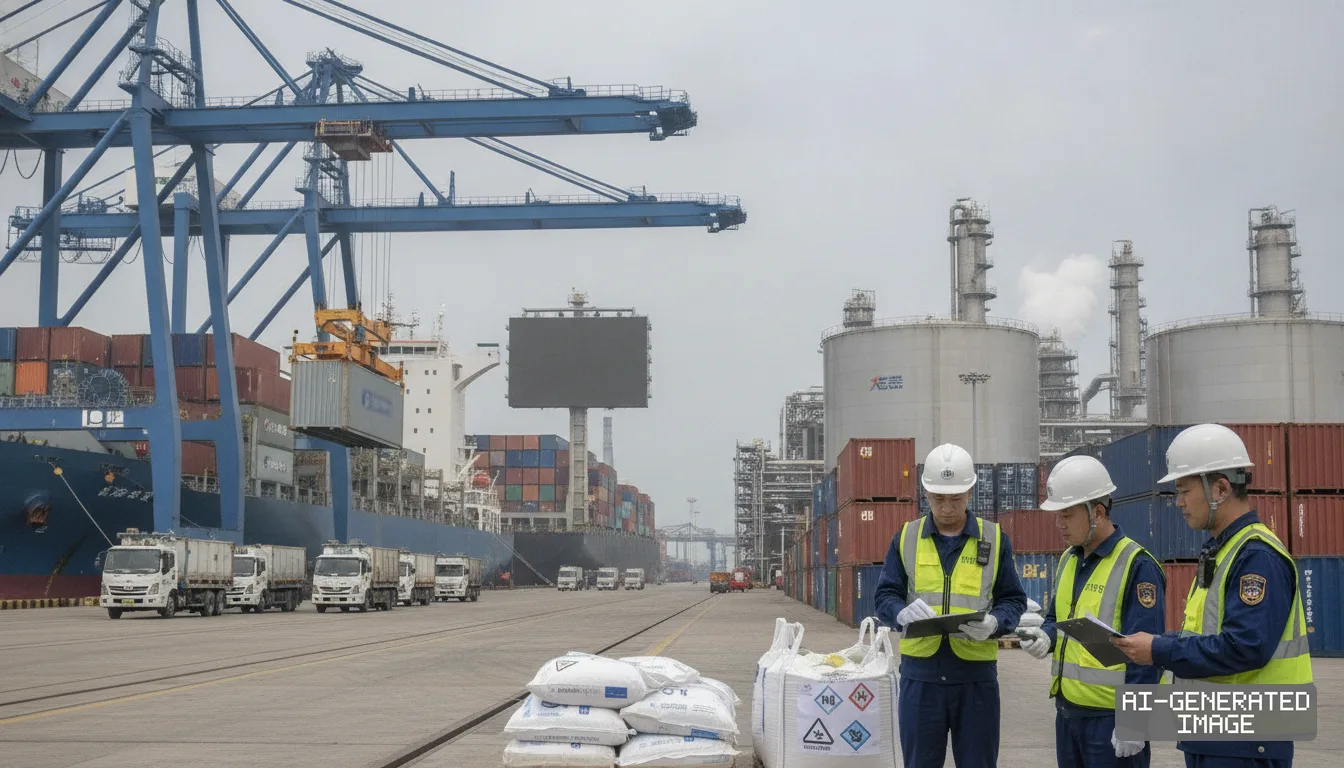
Chinese customs authorities widened physical cargo detentions on rare earth shipments bound for the United States on Oct. 27, 2026, choking raw material flows to Western permanent magnet manufacturers.
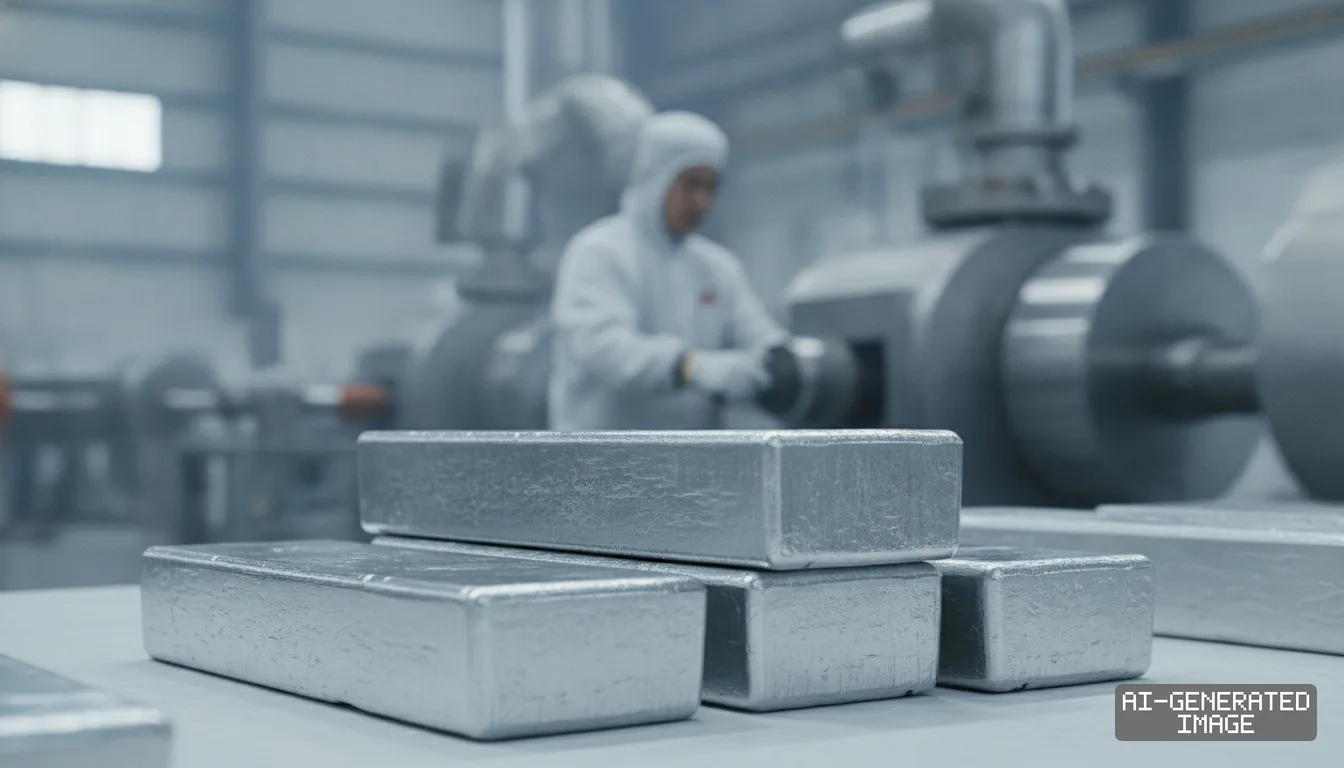
The delays target refined dysprosium, terbium and neodymium-iron-boron alloys. China controls roughly 70% of global rare earth extraction and more than 90% of global permanent magnet refining capacity.
Chinese customs cleared 604 metric tons of permanent magnets for American buyers in September 2026, accounting for about 12% of total outbound Chinese magnet shipments.
The new bottlenecks follow administrative enforcement rather than a newly published statutory ban, trade compliance lawyers said. Port officials in Ningbo and Shanghai have expanded physical batch testing and dual-use end-user paperwork reviews.
Exporters must submit proof of civilian end-use applications within seven business days under customs guidelines issued on Oct. 19. Failure to verify that materials bypass military supply chains leads to indefinite cargo holds.
Underlying authority stems from Announcement No. 18, issued jointly by the Ministry of Commerce and the General Administration of Customs on April 4, 2025. That regulation mandated individual export licences for seven heavy rare earths.
The restriction list covers dysprosium, terbium, samarium, lutetium, ytterbium, thulium and holmium. It also covers high-purity metals and bonded permanent magnet alloys used in electric vehicle traction motors and precision flight actuators.
Commercial fallout is concentrating among American domestic magnet fabricators and defense contractors. U.S. processing lines depend on imported Chinese heavy rare earths to give neodymium magnets their thermal stability in high-temperature environments.
USA Rare Earth faces direct supply halts at its Stillwater magnet facility in Oklahoma. The company was added to China's export control blacklist on June 22, 2026, cutting off 100% of its authorized access to Chinese dual-use precursors.
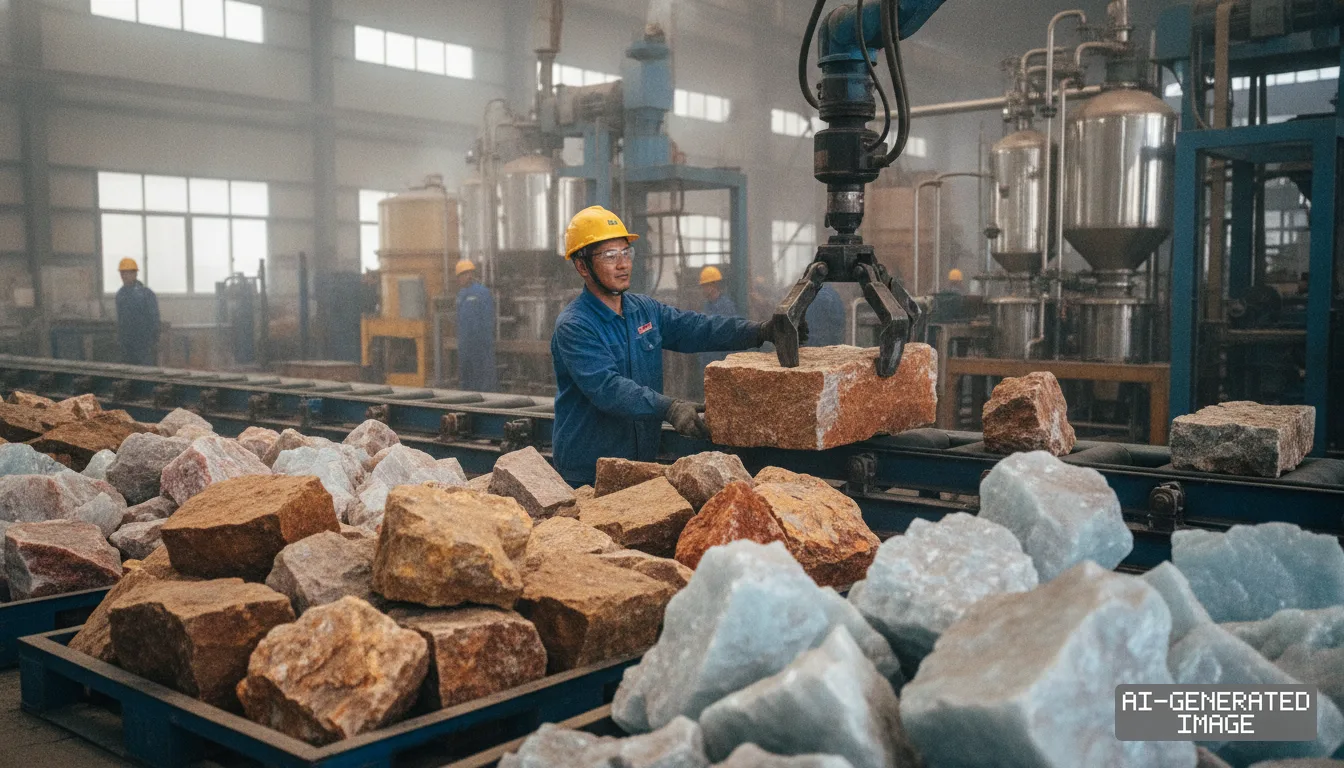
MP Materials mines bastnasite concentrate at Mountain Pass, California, accounting for about 15% of global rare earth oxide output. It relies on overseas toll processors for commercial heavy rare earth refining and alloy blending.
Defense contractor Lockheed Martin consumes approximately 417 kilograms of rare earth materials in each F-35 fighter aircraft. Its tier-one actuator suppliers hold less than 45 days of heavy rare earth inventory.
General Motors consumes sintered neodymium magnets across its Ultium electric drive unit lines, requiring roughly 1.5 kilograms of neodymium-iron-boron material per vehicle. A sustained three-week shipping suspension threatens drivetrain assembly schedules in North America.
The export squeeze occurs despite bilateral regulatory pauses negotiated between Beijing and Washington. On Sept. 28, 2026, the Chinese Ministry of Commerce and the U.S. Treasury Department extended a truce on secondary export controls.
That agreement delayed Beijing's planned 0.1% extraterritorial de minimis threshold until Jan. 10, 2027. Under that dormant rule, foreign products containing more than 0.1% Chinese rare earths by weight require formal re-export permits from Beijing.
Technical equipment export restrictions on rare earth solvent extraction and magnetic alloy sintering remain stayed under the same bilateral agreement. Customs inspections at domestic ports, however, operate entirely outside that deferral mechanism.
Chinese suppliers are increasingly declining American orders to avoid domestic regulatory scrutiny, trade attorneys in Beijing said. Port customs officers retain statutory authority to hold shipments for 30 business days during end-use investigations.
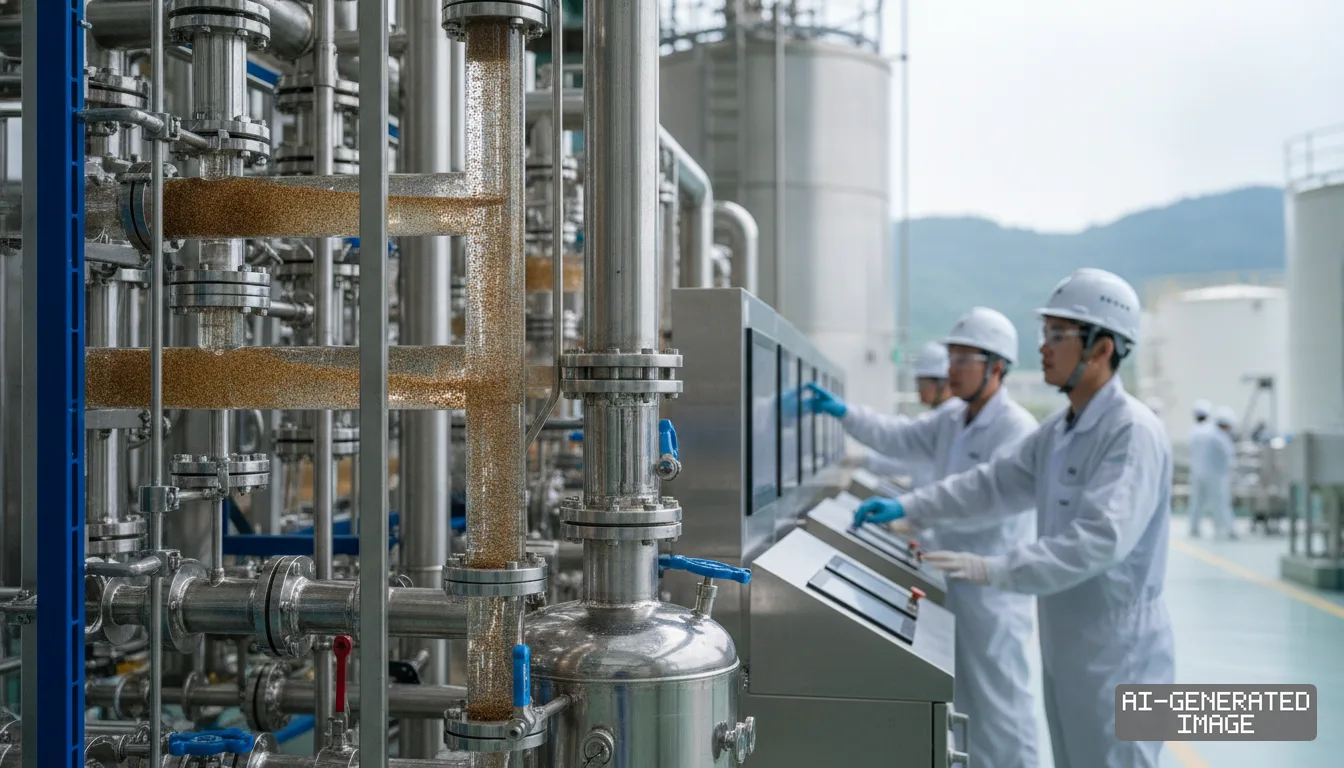
American processors cannot easily pivot to non-Chinese refiners for heavy rare earths. Processing facilities in Malaysia and Vietnam produce light rare earth oxides such as neodymium and praseodymium, but lack commercial separation lines for dysprosium.
Japan's Shin-Etsu Chemical separates heavy rare earths in limited quantities but commits roughly 85% of its output to domestic industrial motor manufacturers. European refiner Solvay produces magnet-grade oxides only under long-term contracted quotas.
Spot prices for dysprosium oxide in Rotterdam rose 14% to $320 per kilogram over the past seven days, European metal traders said. Neodymium metal rose 9% over the same period to $98 per kilogram.
The Ministry of Commerce has not published an official circular for the Oct. 27 cargo holds, and customs authorities have not disclosed the total tonnage of rare earths currently detained at Chinese ports.
American magnet fabricators face an additional legal deadline on Jan. 1, 2027, when Department of Defense procurement rules permanently ban the incorporation of Chinese rare earths into Pentagon hardware.
Beijing and Washington scheduled their next formal working group consultation on critical mineral trade for Dec. 14 in Singapore, where negotiators intend to review bilateral customs inspection protocols.
Impact map
How this development propagates across the region and out to global buyers.
| Event | Korea | China | Japan | Global impact |
|---|---|---|---|---|
| Chinese rare earth export hold | domestic magnet fabricators insulated by direct long-term Australian oxide contracts | refiners hold domestic stocks as customs conducts 30-day dual-use audits | Shin-Etsu retains domestic heavy rare earth output, limiting export allocations | Rotterdam dysprosium oxide up 14% to $320 per kilogram on spot supply squeeze |
In this story
- Companies
- USA Rare EarthMP MaterialsLockheed MartinGeneral Motors
- Tickers
- MPLMTGM
- Exposed
- Shin-Etsu Chemical
- Policy
- Export Controls
- Impact
- Supply ChainOrder BookCost Structure
Track every Export Controls development →
Related briefings
- China Delays Rare Earth Export Controls in U.S. Trade Truce Also on Lockheed Martin, Shin-Etsu Chemical, General Motors
- Benchmark says ex-China heavy rare earth prices jumped 150% in Q3 Also on Lockheed Martin, MP Materials, Export Controls
- Evolution Metals scales Korea magnet capacity to 10,000 tons Also on Lockheed Martin, MP Materials, Export Controls
- Chinese rare earth suppliers halt shipments to US customers Also on Lockheed Martin, MP Materials, Export Controls
Sources
Primary documents
Reporting
Confidence: high — how we grade this
The documents behind this briefing are linked above. East Asia Brief produces its English text with AI assistance under human editorial review, and does not translate or republish other outlets' articles. See our methodology and AI policy. Spotted an error? Tell us.
The Morning Brief
What changed in Korean, Chinese and Japanese industry overnight — and what it means for your supply chain. One email, weekday mornings, US time. Free.
The Morning Brief is in preparation. Leave your address and we will write to you once — when the first issue is ready. Nothing before that.