Aerospace suppliers test rare-earth-free turbine coatings
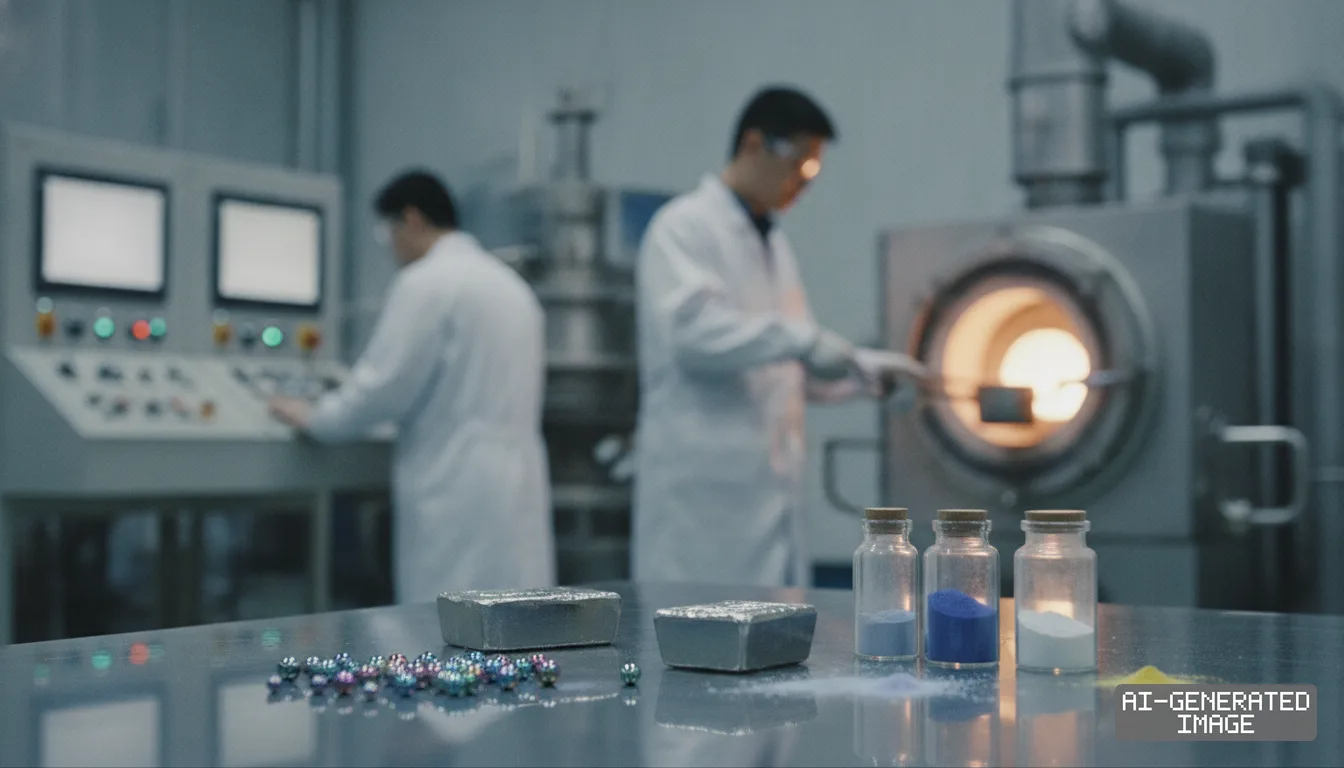
The National Research Council of Canada and Oerlikon Metco are reviving 1970s non-rare-earth ceramic formulas as Chinese supply restrictions threaten high-temperature aerospace components.
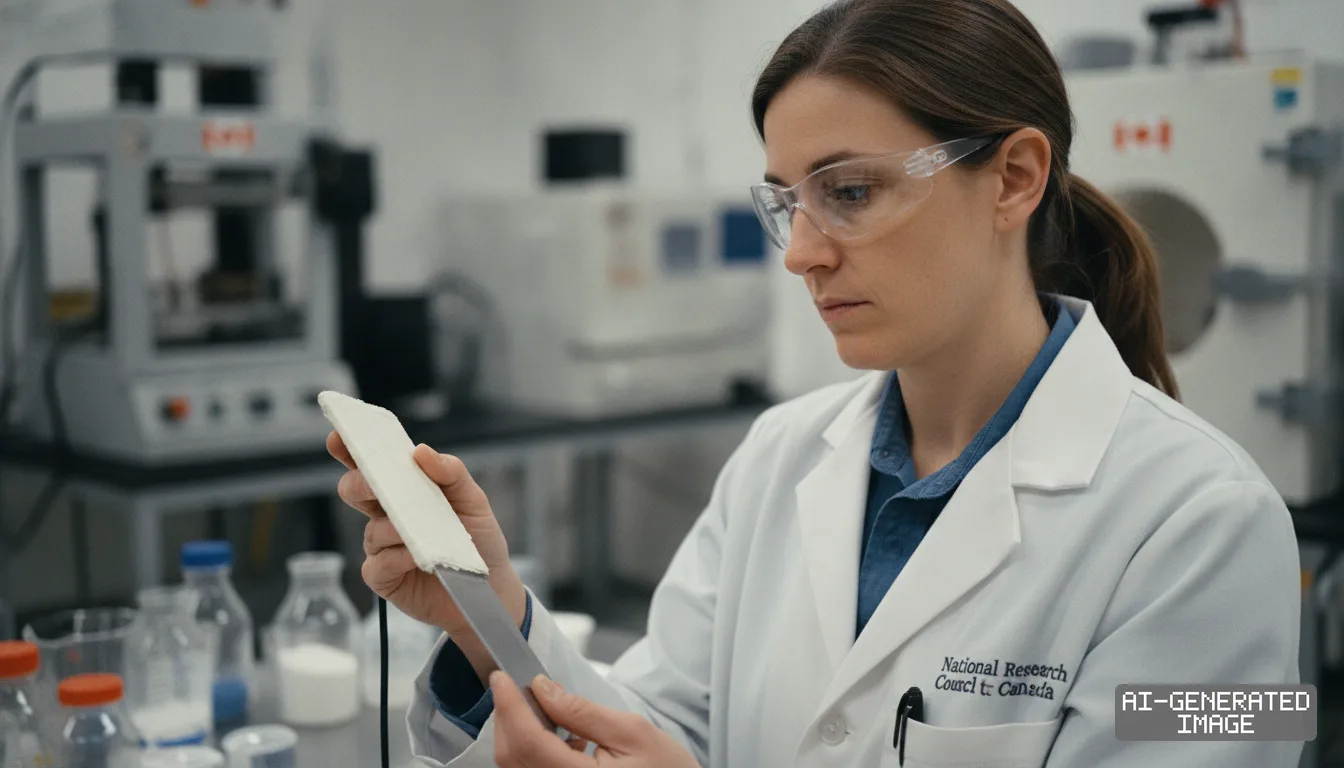
The National Research Council of Canada and industrial coatings suppliers began testing non-rare-earth ceramic formulations for jet engines on Sept. 21, 2026, aiming to circumvent Chinese critical mineral export controls.
The initiative focuses on thermal barrier coatings that shield turbine blades in commercial and military aircraft engines. China controls roughly 70% of global rare-earth extraction and more than 90% of refined processing capacity.
Turbine coatings rely heavily on yttrium, a critical element dominated by Chinese refiners. Recent export curbs from Beijing reduced foreign shipments and caused pricing volatility for Western aerospace component fabricators.
The National Research Council of Canada, the federal research agency in Ottawa, is collaborating with multiple industrial partners. The consortium is re-evaluating zirconium dioxide mixed with magnesium and calcium oxides.
Engineers had phased out those oxide chemistries during the 1970s and 1980s in favor of yttria-stabilized zirconia. Modern analytical tools and advanced thermal spraying may allow older formulations to meet current performance benchmarks, the council said.
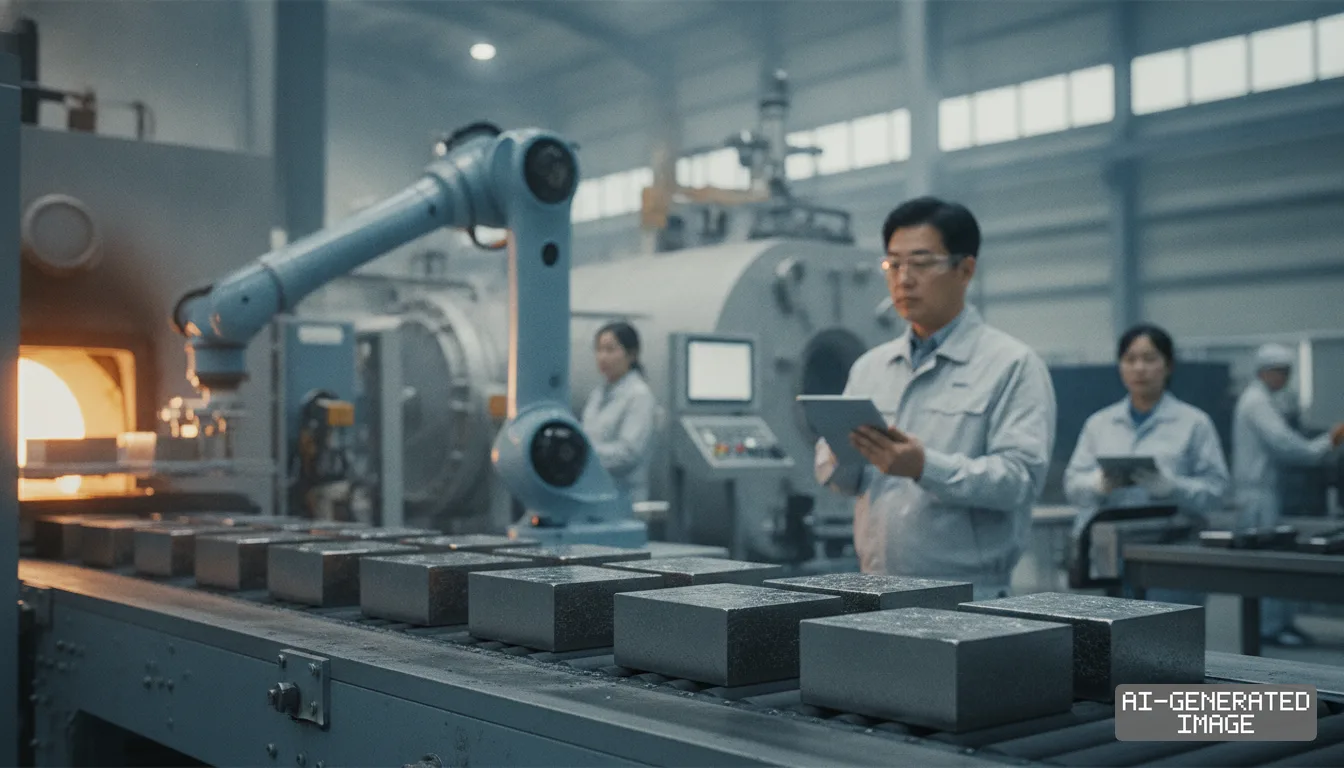
Thermal barrier coatings enable turbine sections to operate at combustion gas temperatures exceeding 1,300 degrees Celsius. Without ceramic thermal insulation, underlying nickel-base superalloys soften, warp and melt during flight operations.
Yttria-stabilized zirconia has remained the global aviation standard for four decades. A typical coating layer contains 7% to 8% yttrium oxide by weight to prevent cracking during severe thermal cycles.
Replacing yttrium requires stabilizing the crystal structure of zirconia with alternative materials. Calcia and magnesia offer non-rare-earth alternatives, but earlier iterations suffered from microstructural degradation under continuous heat cycles.
Swiss industrial group Oerlikon said its surface-solutions subsidiary, Oerlikon Metco, currently sells some non-rare-earth powders. The business is actively developing additional magnesia- and calcia-stabilized zirconia formulations for aerospace clients, the company said.
Major jet engine manufacturers face concentrated exposure to supply chokepoints in the smelting and refining chain. The four principal Western turbine makers—GE Aerospace, Pratt & Whitney, Rolls-Royce and Safran—all depend on yttria-stabilized coatings.
The National Research Council of Canada and Oerlikon Metco did not publish project budgets or the full roster of participating commercial engine manufacturers. Both organizations confirmed laboratory trials remain active across North American and European test cells.
Airworthiness authorities enforce rigorous testing standards before certifying new materials in civil aviation. Regulators require thousands of thermal shock cycles and flight-hour test runs before approving changes to combustion liners or high-pressure turbine components.
Aerospace coatings manufacturers remain several years away from deploying certified non-rare-earth topcoats across commercial production lines. Testing data from the current Canadian laboratory evaluations will inform next-stage furnace qualification trials scheduled for 2027.
Impact map
How this development propagates across the region and out to global buyers.
| Event | Korea | China | Japan | Global impact |
|---|---|---|---|---|
| Non-rare-earth turbine coating trials | Hanwha Aerospace monitors qualification cycles for licensed military turbine components | Ministry of Commerce retains export licensing leverage over yttrium oxides and salts | IHI and Mitsubishi Heavy Industries assess qualification risk for commercial engine subassemblies | GE Aerospace and Pratt & Whitney face multi-year certification hurdles to replace Chinese mineral inputs |
In this story
- Companies
- Oerlikon Metco
- Tickers
- OERL.SW
- Exposed
- GE AerospacePratt & WhitneyRolls-RoyceSafran
- Policy
- Export ControlsEconomic Security
- Impact
- Supply ChainComplianceCost Structure
Track every Export Controls development → Track every Economic Security development →
Related briefings
- China tightens dual-use export screening on aerospace titanium powders and tooling Also on GE Aerospace, Export Controls, Compliance
- China bars dual-use exports to Japan citing military end-use Also on Export Controls, Compliance, Cost Structure
- Japan confronts rare earth magnet squeeze under China curbs in August Also on Export Controls, Compliance, Cost Structure
- Trump signs sanctions act authorizing 100% tariffs on oil buyers Also on Export Controls, Compliance, Cost Structure
Sources
Reporting
Confidence: medium — how we grade this
The documents behind this briefing are linked above. East Asia Brief produces its English text with AI assistance under human editorial review, and does not translate or republish other outlets' articles. See our methodology and AI policy. Spotted an error? Tell us.
The Morning Brief
What changed in Korean, Chinese and Japanese industry overnight — and what it means for your supply chain. One email, weekday mornings, US time. Free.
The Morning Brief is in preparation. Leave your address and we will write to you once — when the first issue is ready. Nothing before that.