China lifts flake graphite imports 400% as export volumes drop
A 33% decline in outbound shipments squeezes overseas anode producers while domestic refining hubs absorb 75% of worldwide natural flake consumption.
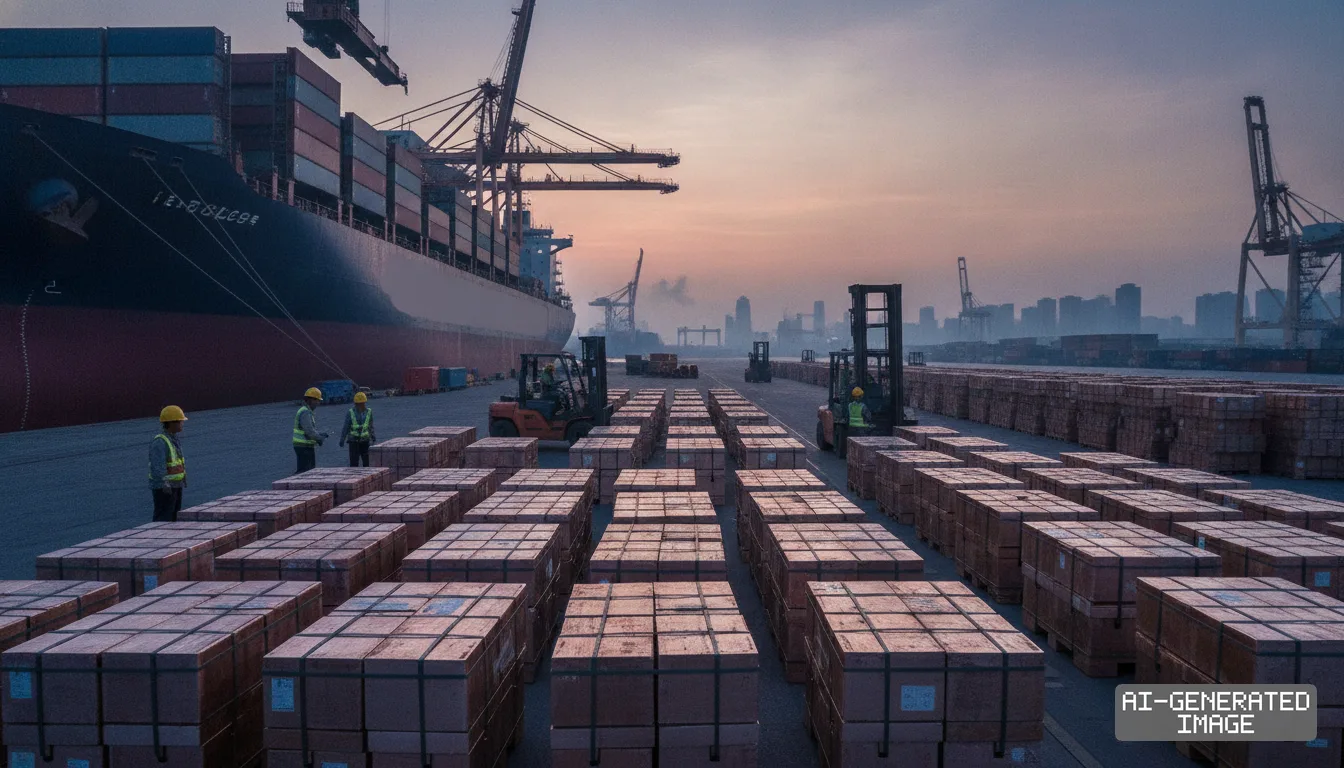
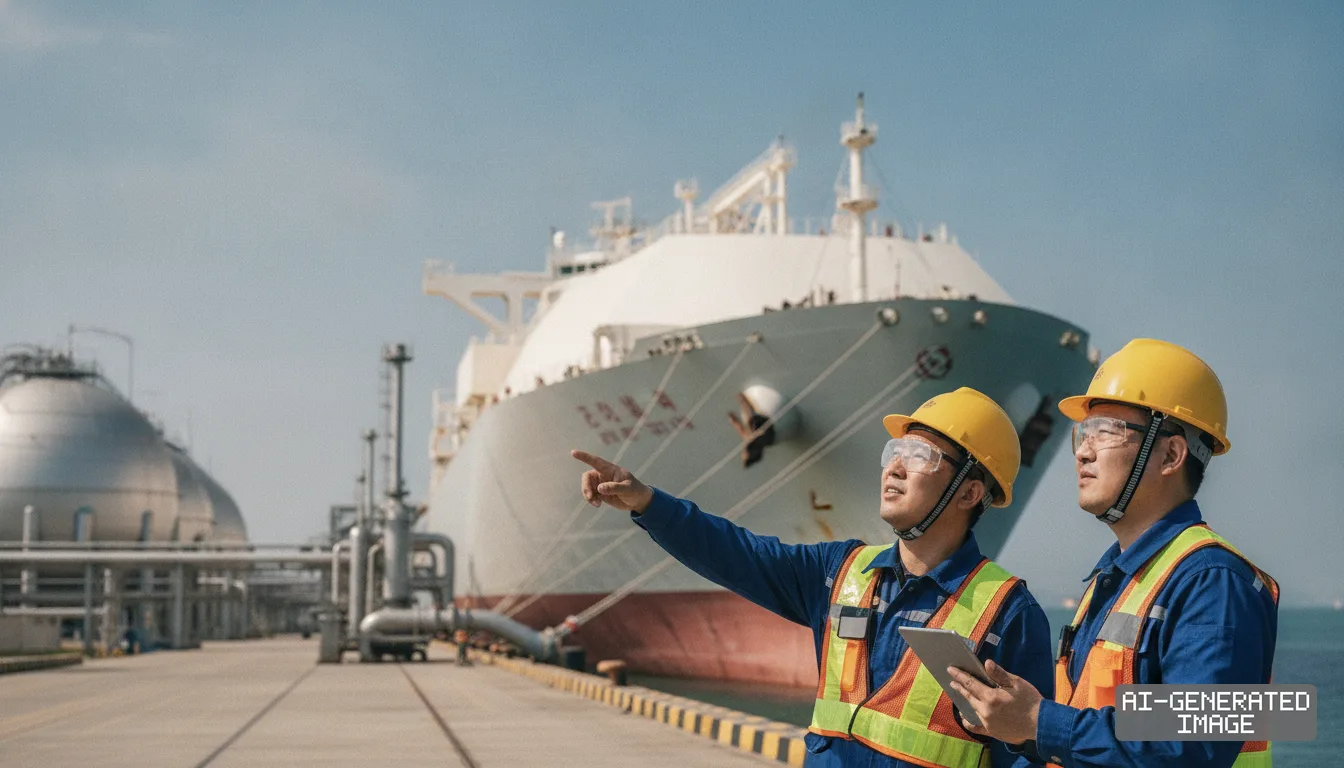
China's graphite trade flows diverged sharply on Nov. 20, 2026, as preliminary shipping tallies showed domestic processors expanded natural flake imports by 400% month on month while outbound shipments dropped 33%.
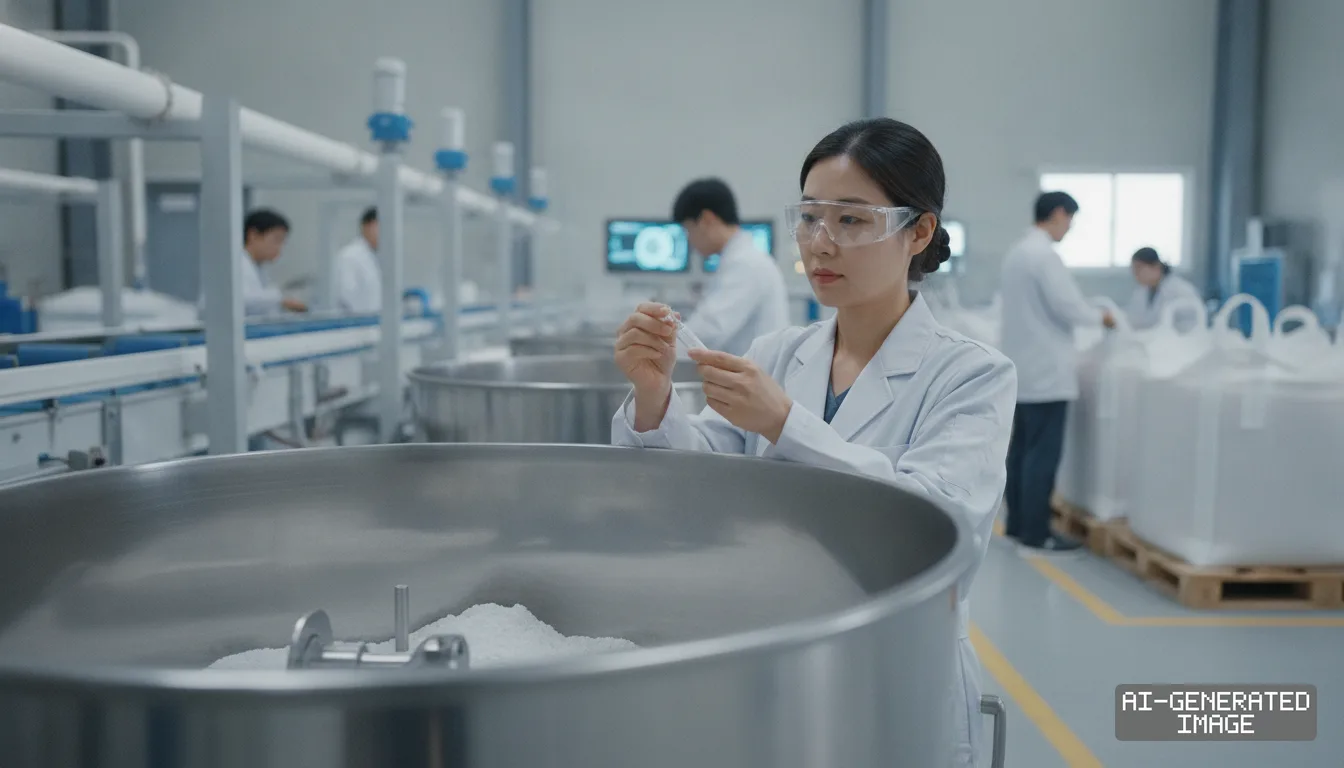
The divergence directly impacts global lithium-ion battery supply chains. China controls over 90% of global spherical graphite capacity, the acid-purified and shaped active material that coats electric vehicle battery anodes to store electrical charge.
Chinese refining hubs absorbed overseas raw flake shipments to feed domestic battery plants, accounting for roughly 75% of worldwide natural flake consumption. That buying wave left external processing facilities with diminished raw feedstocks.
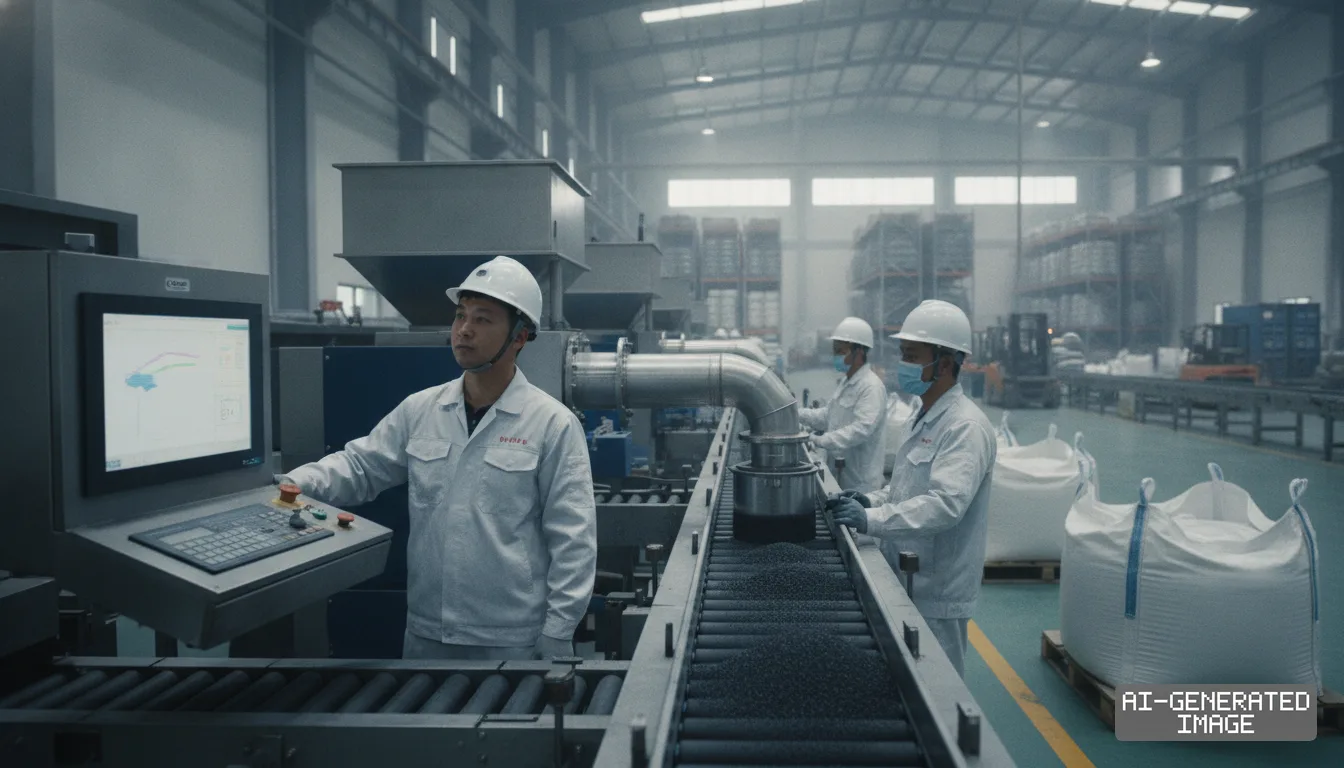
POSCO Future M, South Korea's sole commercial anode producer, draws 97% of its natural flake feedstock from Chinese supply chains. The company operates 82,000 metric tons of domestic anode capacity and faces immediate raw material margin compression.
Syrah Resources, which operates the Balama graphite mine in Mozambique, supplies raw flake concentrate under long-term off-take contracts. Surging procurement by Chinese trading houses absorbed uncommitted spot tonnage, lifting regional freight-inclusive procurement expenses roughly 18% over the quarter.
The shift complicates compliance with the United States Inflation Reduction Act, or IRA. The statute requires automakers to source critical battery minerals from countries with bilateral free trade agreements to qualify for $7,500 consumer tax credits.
South Korean battery cell manufacturers LG Energy Solution, Samsung SDI and SK On depend heavily on imported anode materials. Synthetic graphite alternatives offer temporary relief, but natural graphite provides higher energy density per cell volume at lower electricity processing costs.
China's Ministry of Commerce maintains strict dual-use licensing controls on natural flake graphite under Joint Announcement No. 39 of 2023. Those controls mandate individual export permits for shipments of natural flake graphite and spherical graphite.
Chinese commerce authorities have prolonged bureaucratic export clearances for overseas buyers, taking up to 45 working days per consignment. In contrast, domestic battery material refiners cleared inbound African raw flake through customs without comparable administrative delays.
Trade frictions eased slightly for synthetic materials earlier this month. The Ministry of Commerce and the General Administration of Customs issued Announcement No. 58 of 2026 on Nov. 9, 2026, extending an export control suspension.
The notice keeps export restrictions suspended on synthetic graphite anode materials, high-density lithium iron phosphate cathodes and battery production equipment. That legal reprieve runs through Jan. 10, 2027, aligning with bilateral commercial understandings.
However, Announcement No. 58 of 2026 excludes natural flake graphite entirely. Exporters of natural flake products must still secure individual dual-use export permits, leaving overseas battery anode producers vulnerable to supply bottlenecks.
South Korean anode production facilities operate under structural cost disadvantages against integrated Chinese rivals. Chinese synthetic graphite producers benefit from heavily subsidized industrial grid power in Inner Mongolia and Sichuan, while external refiners face rising flake purchase prices.
Western electric vehicle manufacturers cannot easily bypass Chinese refining assets. Building commercial spherical graphite plants outside China requires two to three years of environmental permitting, chemical wastewater engineering and specialized qualification cycles.
The General Administration of Customs has not published official line-item trade figures for tariff code 2504.10 for October, leaving the reported 400% import jump and 33% export drop unconfirmed in official ministry gazettes.
Automakers and battery suppliers face their next statutory cliff on Jan. 10, 2027, when China's export control suspension on synthetic anode materials expires unless the Ministry of Commerce grants a further extension.
Impact map
How this development propagates across the region and out to global buyers.
| Event | Korea | China | Japan | Global impact |
|---|---|---|---|---|
| Natural flake graphite supply squeeze | POSCO Future M faces feedstock deficits on 97% China-dependent natural graphite lines | Domestic refiners secure ~75% of global flake supply under Announcement No. 39 licensing | Battery material producers face 45-day export clearance delays for spherical graphite | Ex-China EV battery cell manufacturing costs rise as IRA-compliant anode supply tightens |
In this story
- Companies
- POSCO Future MSyrah Resources
- Tickers
- 003670.KSSYR.AX
- Exposed
- LG Energy SolutionSamsung SDISK On
- Policy
- Export Controls
- Impact
- Supply ChainCost Structure
Track every Export Controls development →
Related briefings
- China Customs tightens origin documentation for graphite transit shipments Also on Posco Future M, SK On, Samsung SDI
- China Tightens Dual-Use Graphite Export Licensing for Anode Supply Chains Also on POSCO Future M, SK On, Samsung SDI
- China controls 99% of battery spherical graphite, OECD says Also on POSCO Future M, SK On, Samsung SDI
- Korean battery makers localize LFP cathodes under US rules Also on POSCO Future M, SK On, Samsung SDI
Sources
Primary documents
Reporting
Confidence: high — how we grade this
The documents behind this briefing are linked above. East Asia Brief produces its English text with AI assistance under human editorial review, and does not translate or republish other outlets' articles. See our methodology and AI policy. Spotted an error? Tell us.
The Morning Brief
What changed in Korean, Chinese and Japanese industry overnight — and what it means for your supply chain. One email, weekday mornings, US time. Free.
The Morning Brief is in preparation. Leave your address and we will write to you once — when the first issue is ready. Nothing before that.