Three Brazil states bid for BYD 1B reais commercial EV plant
Minas Gerais signed an investment protocol offering machinery tax breaks to secure an assembly hub creating 2,000 manufacturing jobs by 2028.
Minas Gerais Governor-elect Cleitinho Azevedo met BYD executives in São Paulo on Nov. 24, 2026, agreeing to sign an investment protocol to attract a commercial electric vehicle plant.
The agreement positions Minas Gerais against São Paulo and Rio de Janeiro in a bidding contest for the Chinese automaker's second major industrial base in South America.
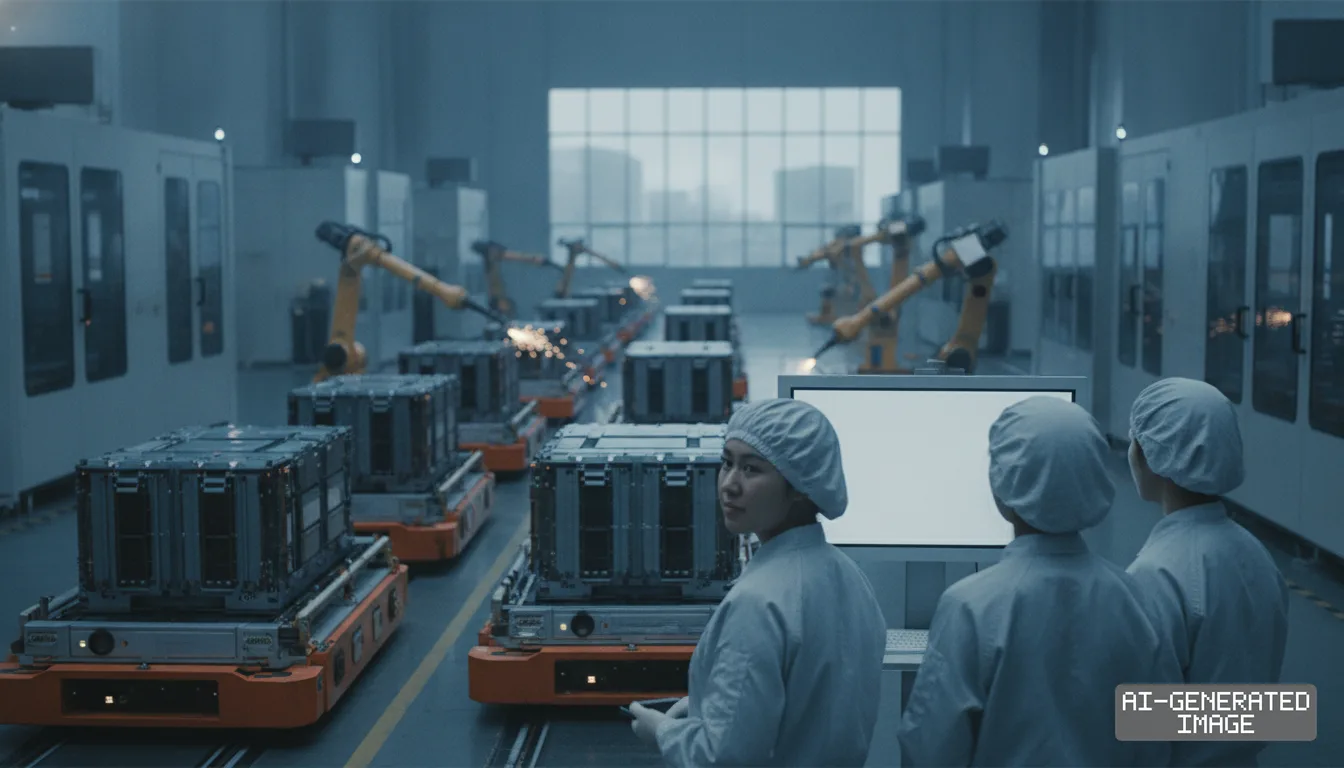
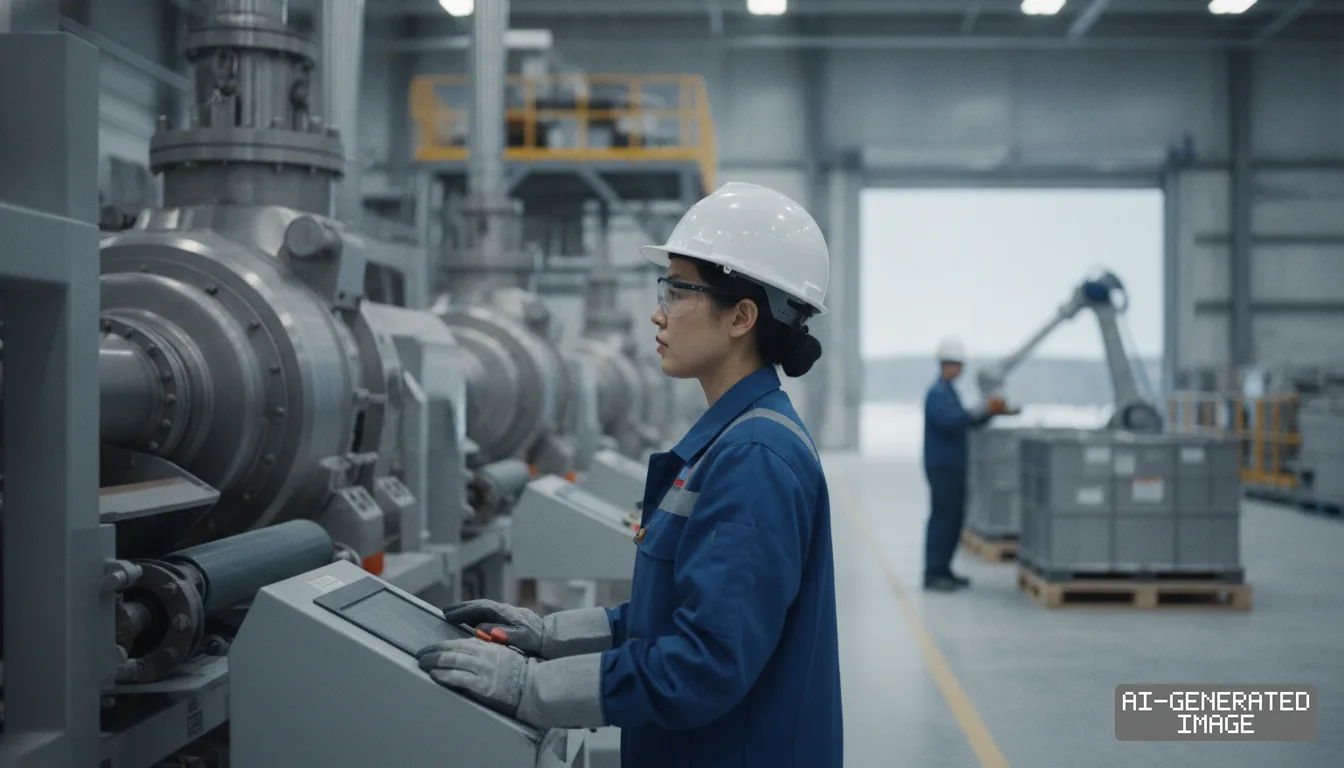
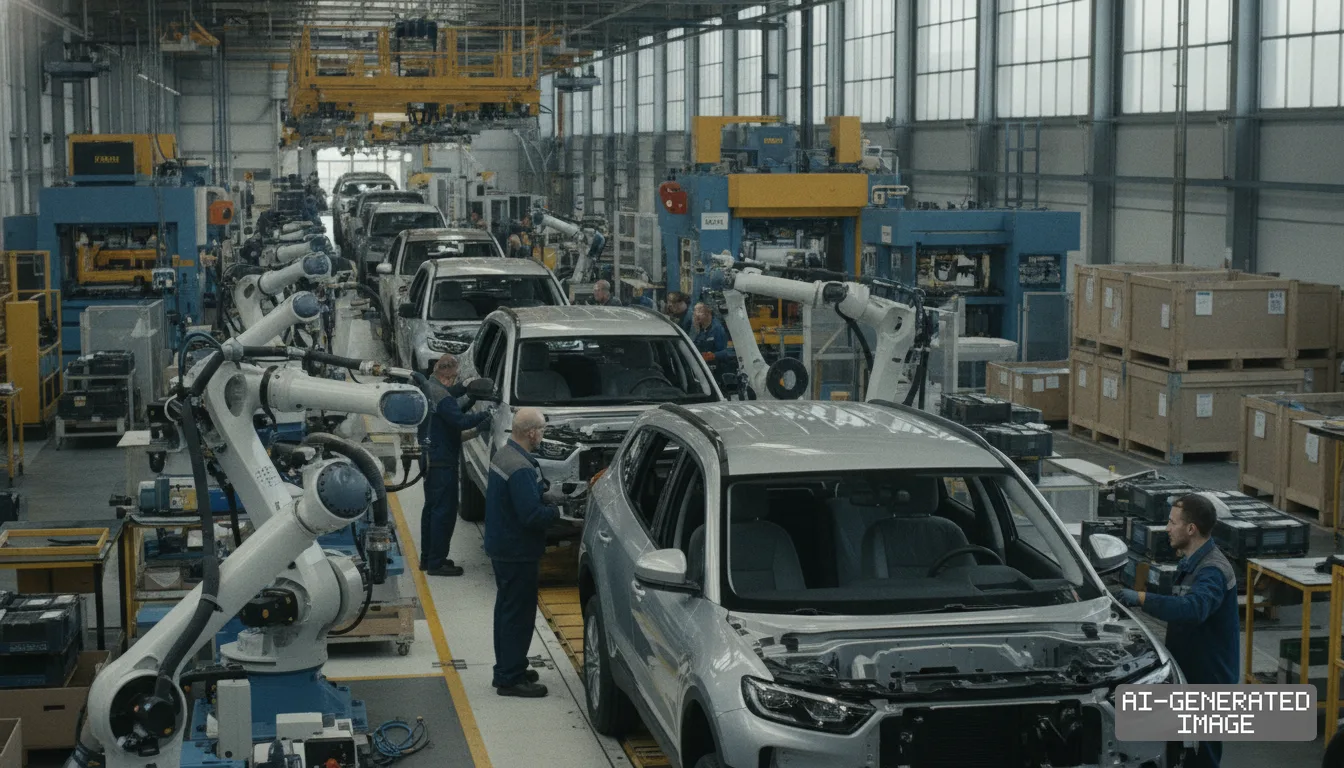
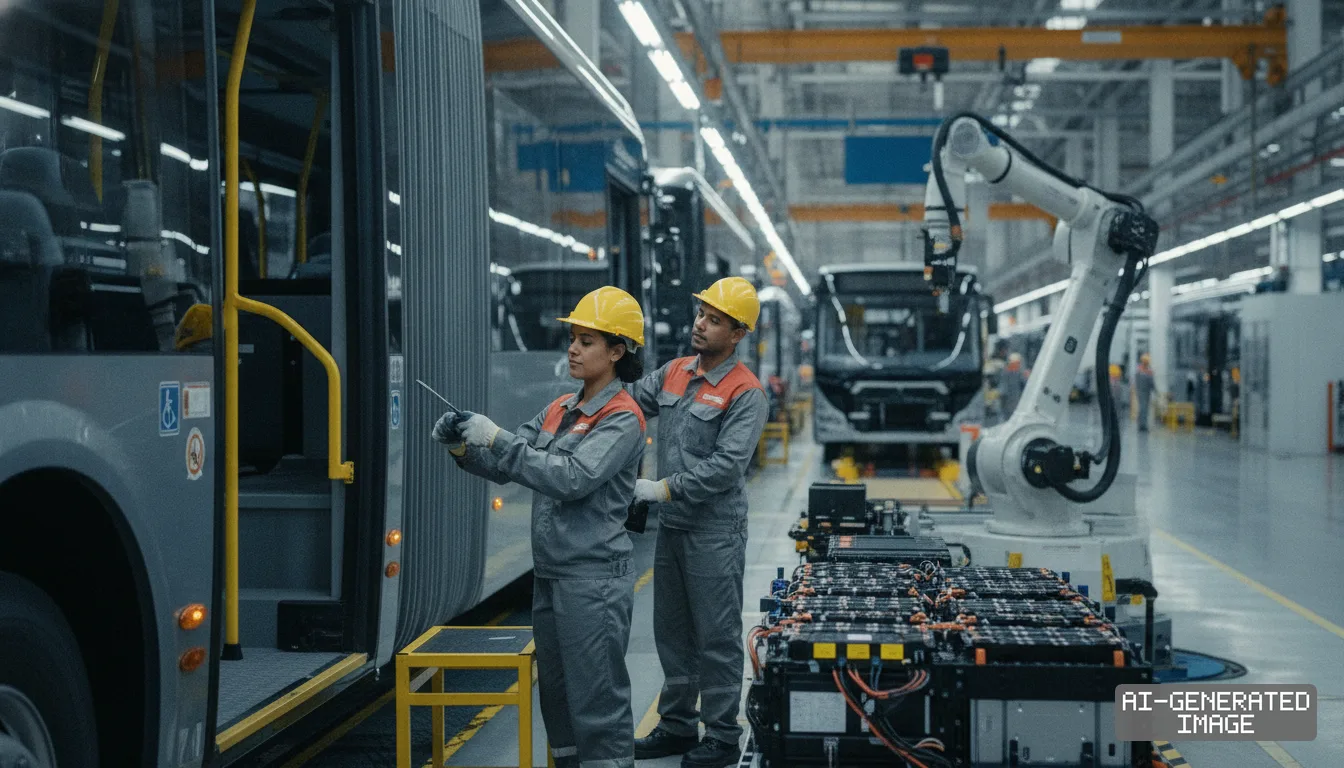
The planned project involves a 1 billion reais ($169 million) capital outlay to assemble electric buses, trucks and vans. The site will generate roughly 2,000 direct manufacturing jobs.
BYD already operates chassis fabrication lines in Campinas, where facility utilization reached peak design capacity this year. The new commercial vehicle plant will operate separately from that site.
The investment also sits alongside the passenger car complex BYD is building in Camaçari, Bahia. That 5.5 billion reais ($1.1 billion) plant targets an initial capacity of 150,000 units by late 2026.
State investment agency Invest Minas structured a tax incentive package to secure the commercial vehicle plant. The proposal centers on deferrals of the ICMS value-added tax on imported capital machinery and components.
The state also offered presumed tax credits — accounting deductions that offset future corporate tax obligations against capital expenditures — to lower upfront factory tooling costs.
State development bank BDMG pledged dedicated credit facilities to finance plant construction and tooling. State negotiators coupled the credit package with regional supply-chain access in the Jequitinhonha Valley.
The valley holds approximately 85% of Brazil's identified lithium reserves. Minas Gerais officials pitched local lithium carbonate processing to feed BYD battery pack assembly directly.
BYD has negotiated equity and procurement arrangements with Atlas Lithium in the Jequitinhonha basin. Minas Gerais aims to tie local mineral extraction to finished pack fabrication within the state.
Incoming Minas Gerais Economic Development Secretary Thiago Toscano said the administration intends to develop the full value chain from raw ore to final vehicle delivery.
São Paulo is pitching its existing automotive supplier base and logistics networks to retain BYD's commercial vehicle manufacturing within its borders.
The state pointed to BYD's established workforce in Campinas, where the automaker has assembled electric bus chassis and solar photovoltaic modules since 2015.
São Paulo officials argued that expanding near Campinas reduces operational onboarding friction and preserves proximity to Brazil's largest municipal bus operators.
Rio de Janeiro entered the competition by leveraging its port infrastructure and a research agreement signed with BYD in March 2026.
That agreement committed 300 million reais ($56.9 million) to build an automotive proving ground and research center near Galeão International Airport.
Rio de Janeiro offered terminal handling exemptions at regional maritime ports to handle knock-down vehicle kits and raw battery cell shipments.
Federal import tariffs on finished electric vehicles in Brazil will reach 35% by July 2026. The rising border tax forces foreign automakers to localize welding, painting and pack assembly inside the country.
Securing domestic manufacturing status also allows fleet buyers to access subsidized financing through national development bank BNDES. That financing requires strict local content thresholds for municipal bus procurements.
State-level tax concessions remain the decisive factor for heavy vehicle assembly economics because local transport authorities demand lower vehicle delivery prices.
The state government and BYD scheduled the formal signing of the protocol of intent for after Jan. 6, 2027, the day Azevedo assumes gubernatorial office.
The incoming state administration will lead an official trade mission to BYD headquarters in Shenzhen during the first quarter of 2027.
Commercial production at the selected manufacturing site is slated to commence between 2028 and 2029.
The official state gazette has not published the protocol text, and authorities have not disclosed the specific ICMS exemption rate or the total ceiling of tax credits.
Impact map
How this development propagates across the region and out to global buyers.
| Event | Korea | China | Japan | Global impact |
|---|---|---|---|---|
| Brazil EV truck plant bidding | Hyundai Motor faces steeper competition for commercial fleet electrification in Latin America | BYD expands localized footprint to bypass Brazil's 35% EV tariff | Toyota sees bus and utility fleet transition accelerate under BNDES financing rules | Latin American commercial EV supply chain consolidates around regional mineral corridors |
| Brazil EV truck plant bidding | Hyundai Motor faces steeper competition for commercial fleet electrification in Latin America | BYD expands localized footprint to bypass Brazil's 35% EV tariff | Toyota sees bus and utility fleet transition accelerate under BNDES financing rules | Latin American commercial EV supply chain consolidates around regional mineral corridors |
In this story
- Companies
- BYD
- Tickers
- 002594.SZ
- Exposed
- Atlas Lithium
- Policy
- Tax CreditsSubsidies
- Impact
- CapexSupply Chain
Track every Tax Credits development → Track every Subsidies development →
Related briefings
- Suzuki prices e SKY minicar at $13,500 to blunt BYD in Japan Also on Tax Credits, BYD, Subsidies
- Chinese EVs capture 35% Korea market share under 8% tariff Also on Tax Credits, BYD, Subsidies
- Sodium batteries cut grid storage costs 21% over LFP despite higher capex Also on Tax Credits, BYD
- TSMC maps $22.6B Texas fab campus as Taiwanese suppliers follow Also on Tax Credits, Subsidies
Sources
Reporting
Confidence: medium — how we grade this
The documents behind this briefing are linked above. East Asia Brief produces its English text with AI assistance under human editorial review, and does not translate or republish other outlets' articles. See our methodology and AI policy. Spotted an error? Tell us.
The Morning Brief
What changed in Korean, Chinese and Japanese industry overnight — and what it means for your supply chain. One email, weekday mornings, US time. Free.
The Morning Brief is in preparation. Leave your address and we will write to you once — when the first issue is ready. Nothing before that.