Samsung SDI secures 16 GWh US LFP supply deal with Jupiter Power
The estimated $2.5 billion grid storage order runs from 2029 through 2031, lifting cumulative commitments with the developer to 27 gigawatt-hours.
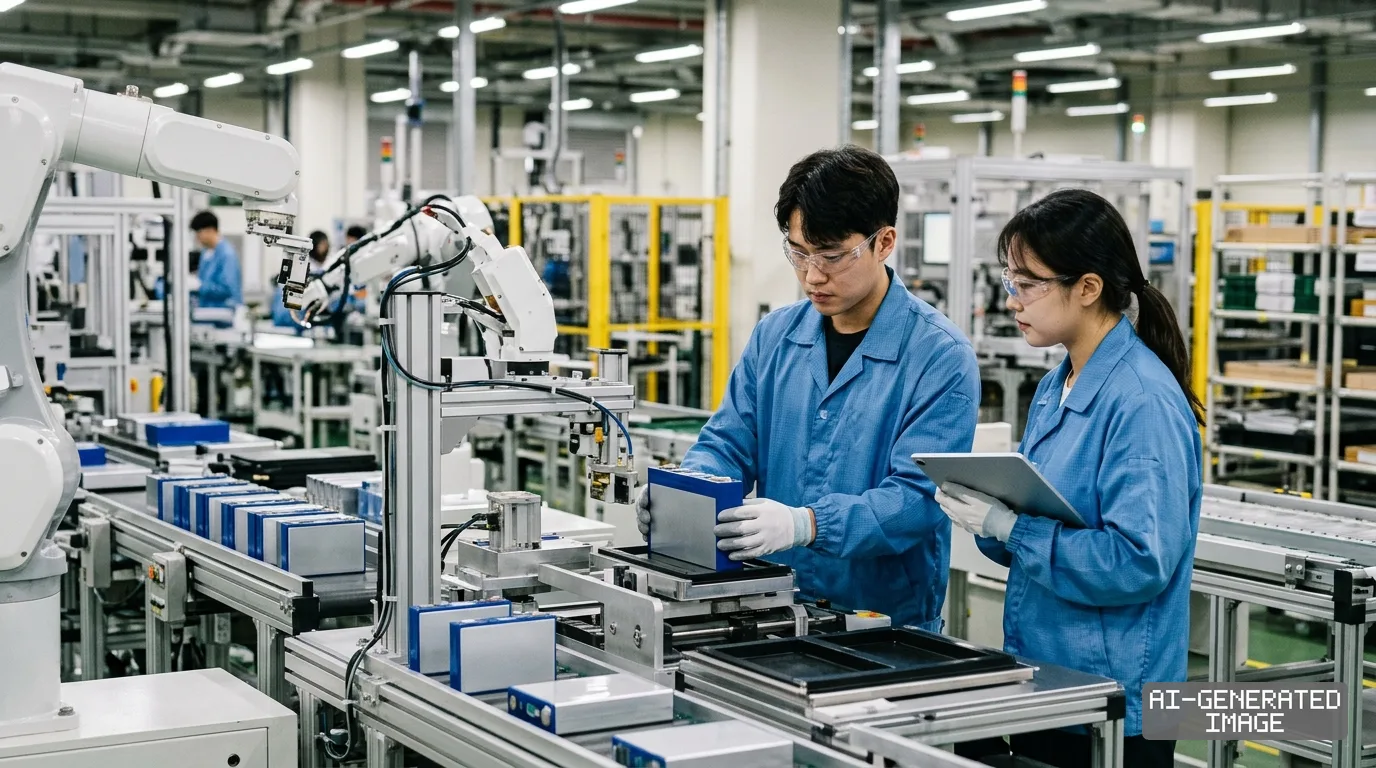
Samsung SDI said Nov. 16, 2026, it signed an agreement to supply 16 gigawatt-hours of lithium iron phosphate batteries to US utility energy storage developer Jupiter Power.
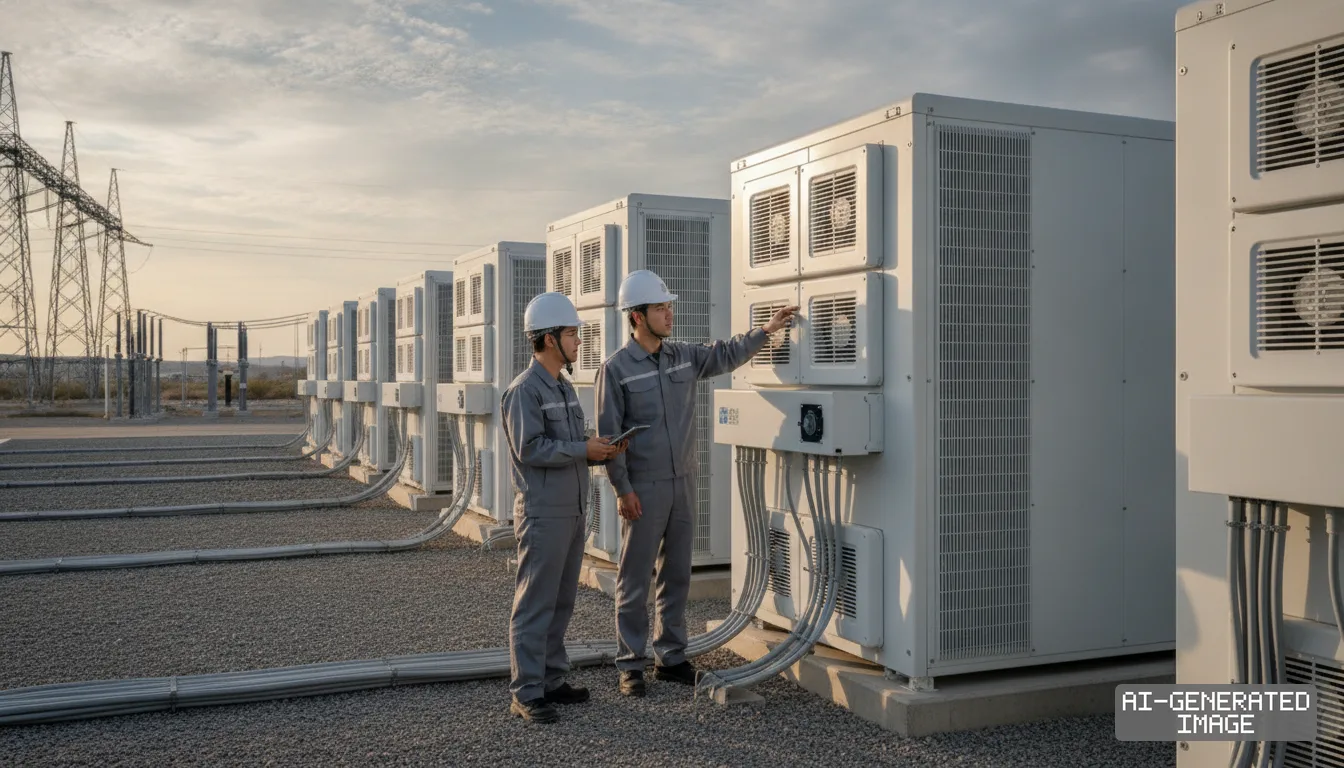
The contract carries an estimated value in the trillions of Korean won, or roughly $2.5 billion. It covers utility-scale grid installations across the United States over a three-year period running from 2029 through 2031.
The transaction represents the first major commercial order for Samsung SDI's newly established domestic lithium iron phosphate lines. The deal expands cumulative battery commitments between the two companies to 27 gigawatt-hours.
Samsung SDI America, the South Korean battery manufacturer's regional operating unit, executed the transaction directly with Jupiter Power. Jupiter Power operates as an independent storage operator owned by Global Infrastructure Partners, an investment vehicle within BlackRock.
Cells for the multi-year program will originate from the StarPlus Energy manufacturing complex in Kokomo, Indiana. The production hub operates as a joint venture between Samsung SDI and automaker Stellantis.
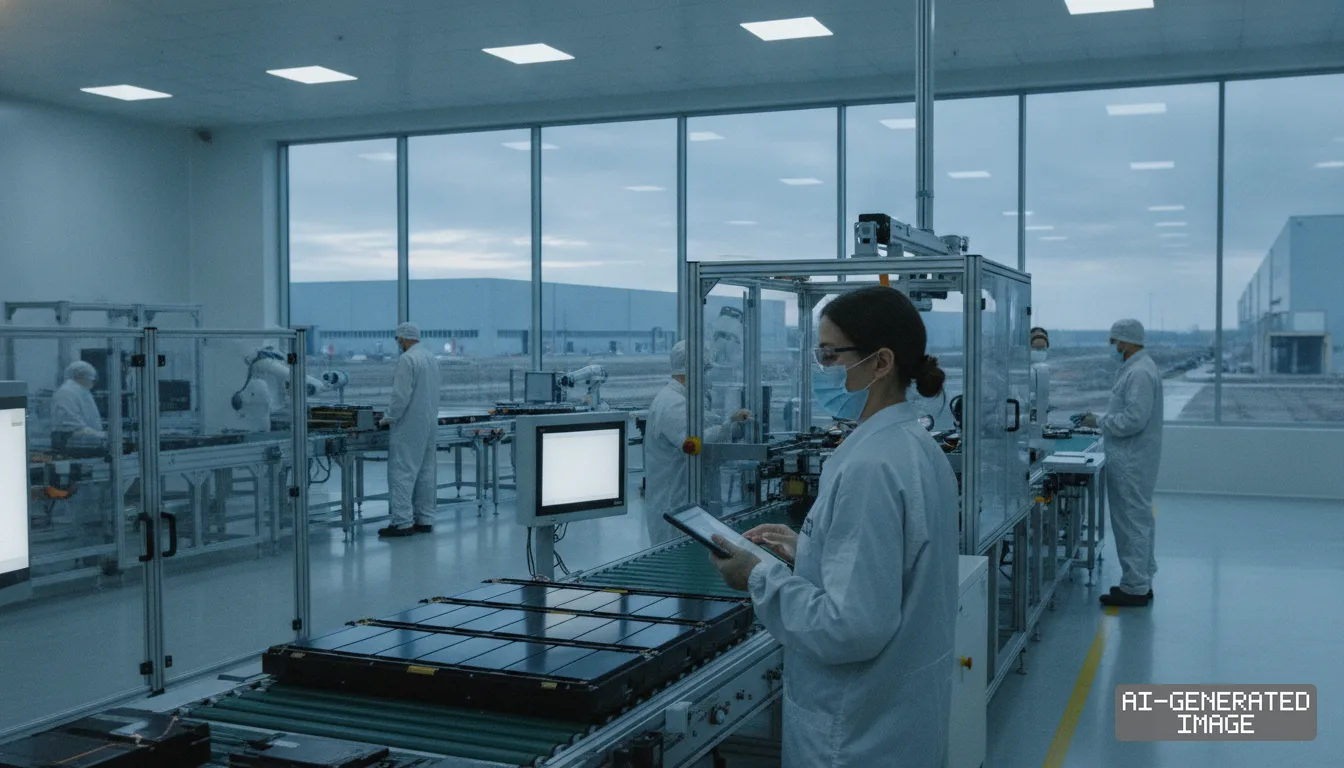
The Kokomo plant recently converted a section of its assembly footprint from electric vehicle modules toward energy storage systems. The facility commenced initial mass manufacturing of utility-scale lithium iron phosphate cells in early October.
The volume commitment guarantees baseload manufacturing utilization for the Indiana lines through 2031. For Jupiter Power, the allocation covers about 15% of its 110-gigawatt-hour project pipeline currently moving through engineering and interconnection queues.
Jupiter Power manages 19,700 megawatt-hours of operating, contracted and under-construction battery systems across the United States. Securing localized cell allocations limits development exposure to maritime transit snarls and federal procurement restrictions on foreign hardware, the developer said.
Samsung SDI had previously centered its international product architecture on high-nickel chemistry. The supplier relied primarily on nickel-cobalt-aluminum formulations for grid installations and premium automotive customer platforms.
Surging grid battery demand prompted Samsung SDI to alter its capital expenditure strategy. Utility developers consistently prioritize lower upfront cell hardware expense and cycling durability over volumetric energy density.
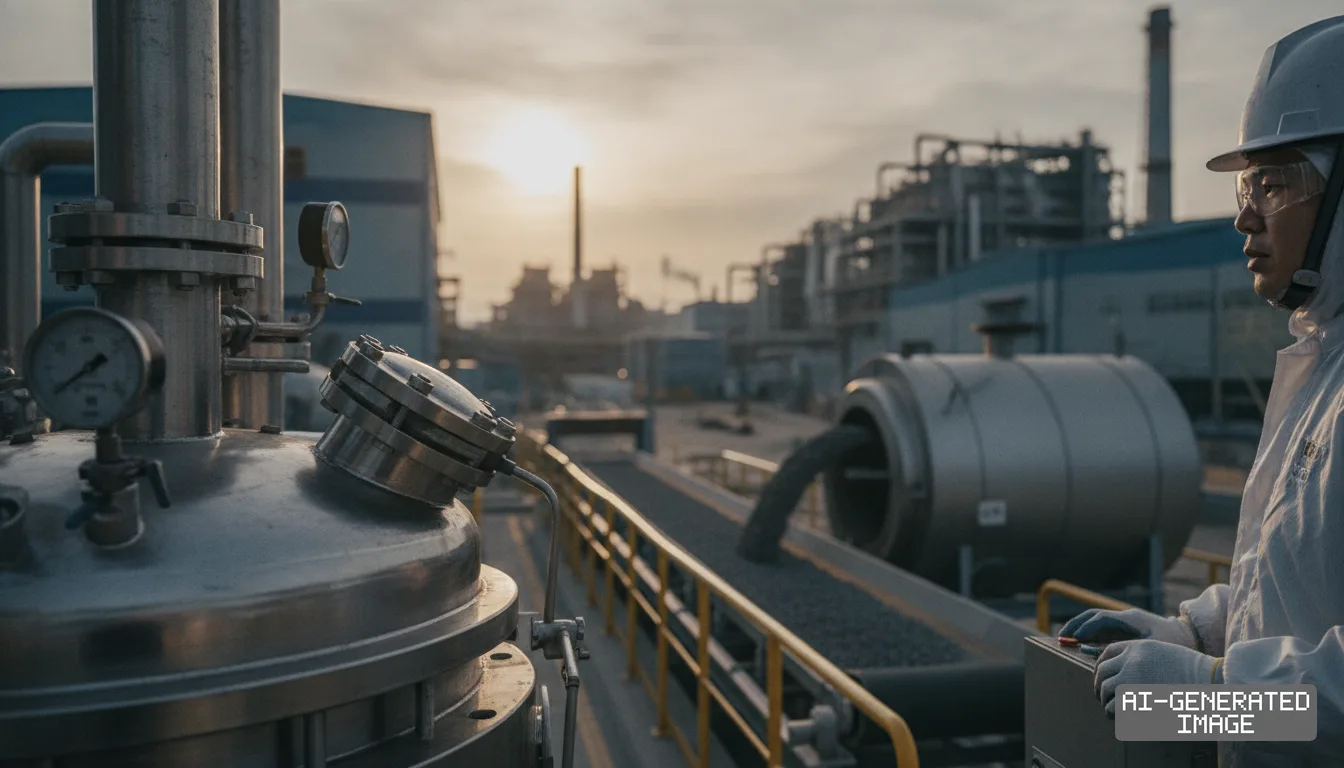
Lithium iron phosphate formulations utilize iron and phosphate salts rather than expensive cobalt and nickel. The chemistry delivers lower chemical degradation during daily discharge cycles, making it the dominant technology choice for commercial power plant substations.
Chinese cell manufacturers currently control roughly 85% of worldwide lithium iron phosphate battery shipments. Federal trade measures have raised financial risks for US grid operators using equipment containing Chinese-assembled active components.
Section 301 tariffs on Chinese utility batteries will escalate to 25% by 2026, up from 7.5%. Additional federal incentives favor projects that incorporate high proportions of components assembled inside the United States.
Samsung SDI is positioning its Indiana assembly lines as the only non-Chinese supplier producing prismatic lithium iron phosphate storage units in North America. The company encloses its energy storage cells in rigid metal casings rather than flexible laminated foil envelopes.
Prismatic formats offer structural stability within outdoor enclosure racks. The rigid aluminum shell simplifies modular maintenance protocols for grid operators managing multi-hundred-megawatt utility installations.
Upstream mineral procurement represents the final hurdle for battery systems seeking compliance with strict federal domestic content standards. Sourcing materials from Chinese suppliers disqualifies energy project developers from claiming maximum local investment tax credits.
Samsung SDI has organized supply contracts with Korean cathode manufacturers POSCO Future M and L&F to secure synthetic iron phosphate precursor material. The agreements exclude input processing sites located inside Chinese commercial jurisdictions.
POSCO Future M and L&F will deliver refined cathode active compounds into the Kokomo joint venture. The structure insulates the storage platform from prospective federal trade sanctions aimed at foreign entities of concern.
Andy Bowman, chief executive officer of Jupiter Power, said domestic equipment agreements form an essential pillar of the firm's schedule management and project de-risking plans.
Fabrice Hudry, executive vice president of Samsung SDI America, said the long-term contract affirms the operational reliability of American-manufactured prismatic cells in competitive grid power sectors.
Deliveries under the binding commercial terms will commence on Jan. 1, 2029, continuing in annual tranches through Dec. 31, 2031.
The corporate notice does not state the precise financial value of the contract, which remains undisclosed under mutual confidentiality covenants. Samsung SDI has not submitted a formal single-sales filing on South Korea's Financial Supervisory Service electronic repository because its American operating subsidiary executed the transaction.
Impact map
How this development propagates across the region and out to global buyers.
| Event | Korea | China | Japan | Global impact |
|---|---|---|---|---|
| 16 GWh LFP battery supply contract | Samsung SDI anchors Indiana LFP output; POSCO Future M and L&F supply non-Chinese cathode feeds | Chinese ESS cell manufacturers lose utility share under rising Section 301 tariffs | Japanese equipment vendors gain secondary tool procurement opportunities for Kokomo lines | US utility BESS installations gain non-Chinese battery supply buffer ahead of 2029 |
In this story
- Companies
- Samsung SDIJupiter Power
- Tickers
- 006400.KS
- Exposed
- StellantisBlackRockPOSCO Future M
- Policy
- Local Content RulesTariffs
- Impact
- Order BookSupply ChainCapex
Track every Local Content Rules development → Track every Tariffs development →
Related briefings
- World Bank and Japan Back Asian Clean Power Credit Facility Also on BlackRock
- MOT secures $7.6M Samsung SDI order for US LFP battery plant Also on Stellantis, Local Content Rules, Samsung SDI
- Posco Holdings starts direct lithium extraction test runs for Korean cathode lines Also on Stellantis, Posco Future M, Samsung SDI
- Samsung SDI readies US LFP production for 30 GWh grid storage Also on Stellantis, Local Content Rules, Samsung SDI
Sources
Reporting
Confidence: medium — how we grade this
The documents behind this briefing are linked above. East Asia Brief produces its English text with AI assistance under human editorial review, and does not translate or republish other outlets' articles. See our methodology and AI policy. Spotted an error? Tell us.
The Morning Brief
What changed in Korean, Chinese and Japanese industry overnight — and what it means for your supply chain. One email, weekday mornings, US time. Free.
The Morning Brief is in preparation. Leave your address and we will write to you once — when the first issue is ready. Nothing before that.