Hungary battery hub stalls under €27 billion Chinese buildout
Eötvös Loránd University research shows isolated Chinese supply chains and environmental restrictions limit economic spillovers across Central Europe's electric vehicle corridor.
The Centre for Economic and Regional Studies at Eötvös Loránd University said Nov. 14 that Chinese battery investments totaling €27 billion ($28.5 billion) in Hungary have failed to generate promised domestic economic spillovers.
The finding underscores growing operational disruption across Central Europe's primary electric vehicle manufacturing corridor. The €27 billion pipeline accounts for the majority of Hungary's foreign industrial capital commitments since 2022.
A cluster of localized supply chains has insulated Chinese cell makers from local suppliers. That structure limits domestic value creation while municipal resistance, environmental sanctions and infrastructure bottlenecks delay factory ramp-ups across the country.
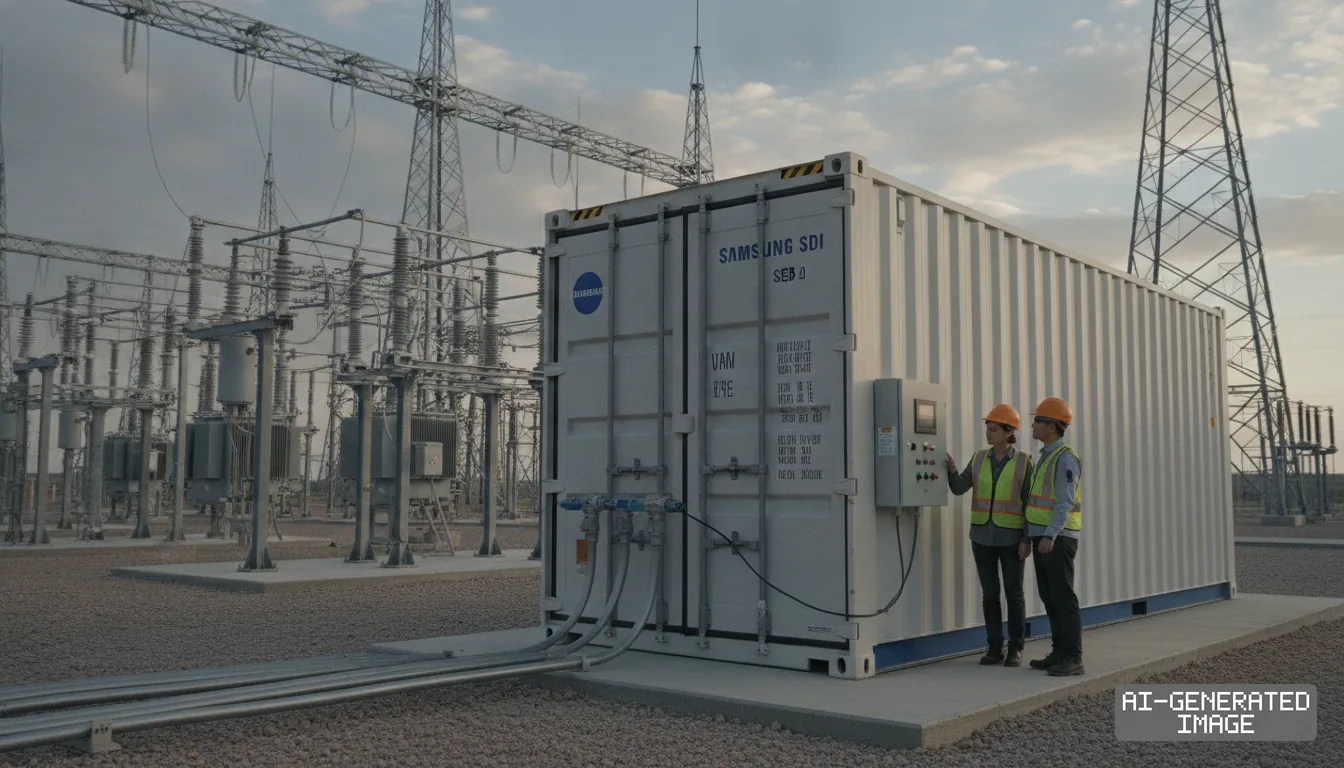
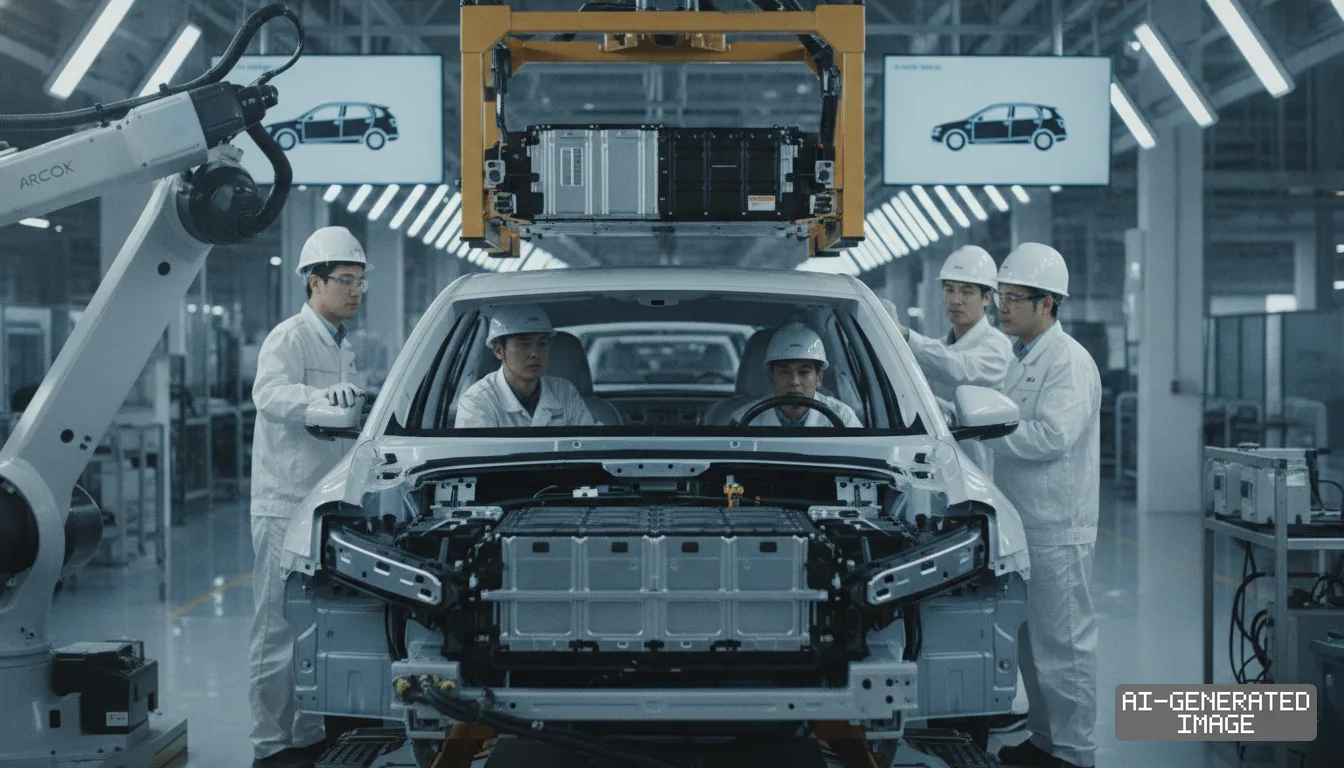
Automakers are altering procurement schedules in response. BMW contracted Samsung SDI in Europe and LG Energy Solution in the United States on Nov. 9 for its sixth-generation high-voltage batteries.
The German carmaker previously relied on Chinese suppliers Contemporary Amperex Technology Co. Limited (CATL) and EVE Energy for European cell delivery. The new contracts introduce established South Korean manufacturers to hedge single-region supply vulnerabilities.
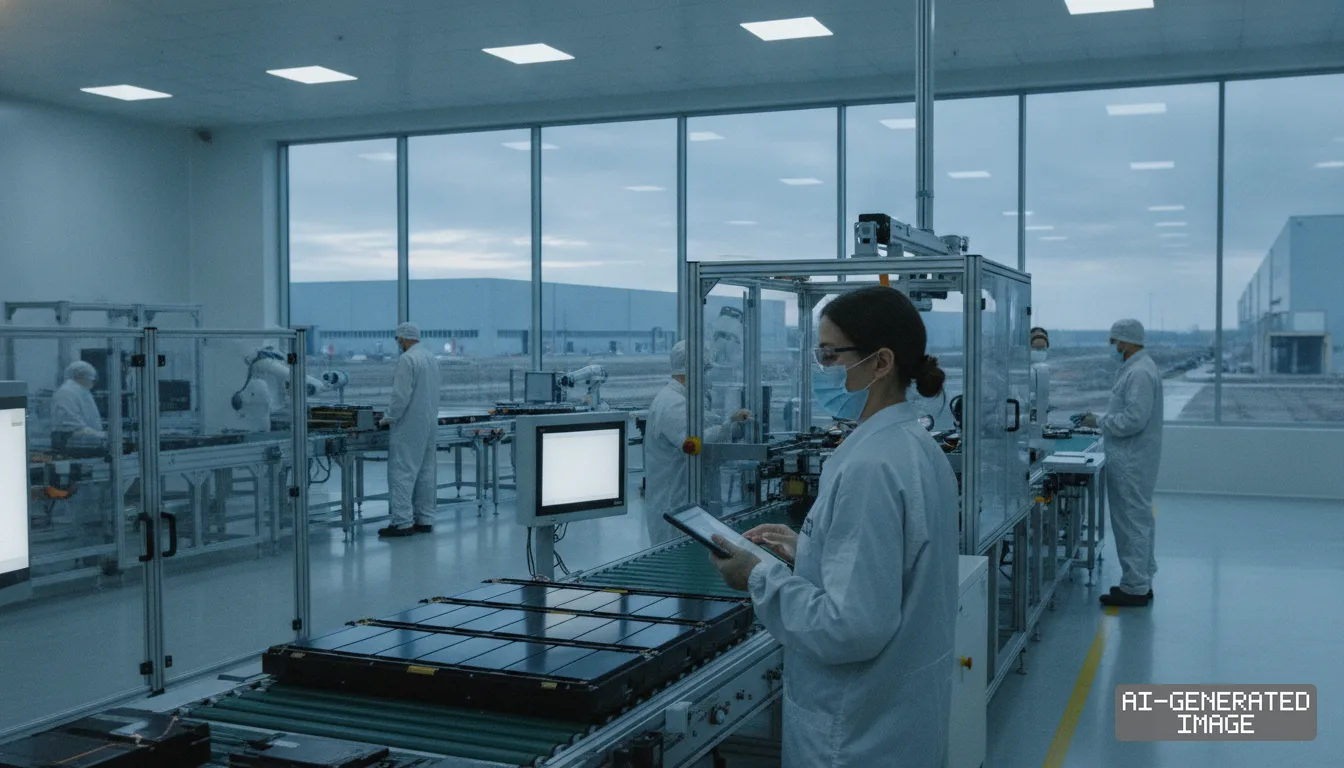
CATL is building a €7.34 billion, 100-gigawatt-hour cell manufacturing facility in Debrecen. The project represents Hungary's largest greenfield foreign direct investment and is designed to supply European assembly lines for BMW, Mercedes-Benz and Volkswagen.
The Debrecen project has encountered regulatory hurdles. The Hajdú-Bihar county government issued a work-stoppage order on the Phase 1 cell plant on Aug. 25 after inspectors recorded nickel emissions exceeding regulatory limits.
Regional regulators restricted activity at the plant to equipment debugging. The county office also rejected CATL's Phase 2 environmental permit application, which the Chinese battery maker submitted on Aug. 19.
CATL completed remediation work and secured trial permits weeks later. The company began limited trial production on two initial lines on Sept. 22, but commercial series manufacturing remains behind its original timetable.
Component suppliers in the cluster face similar enforcement. Separator producer Yunnan Energy New Material, operating through its subsidiary Semcorp, halted operations at its Debrecen plant for several months following environmental compliance reviews.
Chemical supply lines have also fractured. Hungary's Ministry of the Interior confirmed on Oct. 18 that the second-instance environmental authority annulled the operating permit for Dongwha Electrolyte in Sóskút.
The ruling rescinds operating rights for the 23,500-metric-ton electrolyte facility. The appellate agency determined that the initial license improperly combined chemical manufacturing with hazardous solvent recovery without a standalone environmental impact assessment.
Dongwha Electrolyte, a unit of South Korea's Dongwha Enterprise, supplied battery plants operated by Samsung SDI in Göd. The annulment forces the facility to submit new environmental documentation before restarting commercial runs.
The regulatory crackdown coincides with acute utility shortages. Extreme heat during August prompted municipal water restrictions across 629 Hungarian localities, threatening water-intensive cell manufacturing processes.
National peak electricity demand touched 6,800 megawatts during the same period. The surge strained transmission lines and complicated industrial cooling water draws from the Danube River for the Paks nuclear power plant.
Government delegations have intervened to stabilize commercial ties. South Korea's trade minister visited Budapest on Nov. 9, asking Hungarian authorities for regulatory predictability while adopting a joint ESG compliance resolution with Korean battery executives.
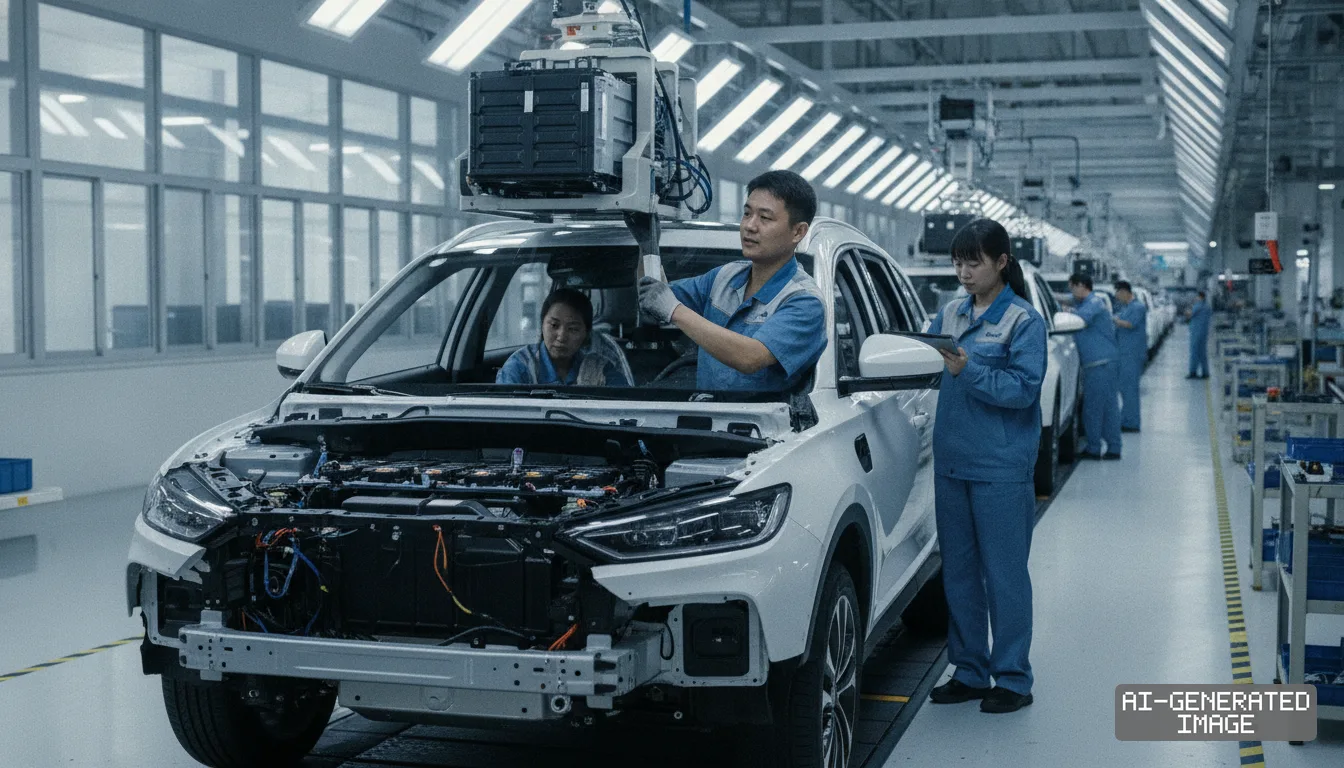
The regulatory turbulence shifts manufacturing economics for European vehicle assemblers. Automakers that committed assembly lines to Hungarian cell hubs face carrying costs for idle capacity as plants operate below planned run-rates.
Cell shortages also prevent automakers from meeting localized battery rules under European trade guidelines. Buyers must absorb transport tariffs and logistical expenses when importing replacement modules from Asian factories.
European automotive procurement desks are responding by splitting purchase agreements among multiple vendors. Spreading volume between Hungarian facilities and established plants in Poland and Germany protects vehicle launch dates at the expense of volume discounts.
The Hungarian government has not published any official executive decree dismantling its industrial battery policy, leaving the scope of future permitting reviews uncodified.
CATL faces its next compliance milestone on Dec. 15, when regional environmental monitors inspect emission control retrofits at the Debrecen facility ahead of planned series volume expansion.
Impact map
How this development propagates across the region and out to global buyers.
| Event | Korea | China | Japan | Global impact |
|---|---|---|---|---|
| Hungary battery production bottlenecks | Samsung SDI and LG Energy Solution win BMW Gen6 contracts; Dongwha loses 23,500-ton electrolyte permit | CATL and EVE Energy lose sole-supplier status at BMW; Debrecen Phase 2 permit rejected | Component exporters face delayed uptake as Hungarian module assembly runs below capacity | Automakers split EV cell procurement across regions, raising pack assembly logistics costs |
In this story
- Companies
- Contemporary Amperex TechnologyEVE EnergyBMWSamsung SDI
- Tickers
- 300750.SZ300014.SZBMW.DE006400.KS
- Exposed
- LG Energy SolutionDongwha EnterpriseYunnan Energy New Material
- Policy
- StandardsInvestment Screening
- Impact
- Supply ChainCapexCompliance
Track every Standards development → Track every Investment Screening development →
Related briefings
- Hungary halts battery lines as environmental rules tighten Also on Yunnan Energy New Material, Standards, Contemporary Amperex Technology
- BYD brings Denza Z9 GT luxury EV to India under 100% tariff Also on Investment Screening, BMW
- EcoPro BM negotiates cathode sales to Chinese battery firms in Europe Also on EVE Energy, BMW, Samsung SDI
- Trump labels robotics imports a US national security threat Also on Investment Screening, Compliance
Sources
Reporting
Confidence: medium — how we grade this
The documents behind this briefing are linked above. East Asia Brief produces its English text with AI assistance under human editorial review, and does not translate or republish other outlets' articles. See our methodology and AI policy. Spotted an error? Tell us.
The Morning Brief
What changed in Korean, Chinese and Japanese industry overnight — and what it means for your supply chain. One email, weekday mornings, US time. Free.
The Morning Brief is in preparation. Leave your address and we will write to you once — when the first issue is ready. Nothing before that.