Li Auto adopts in-house batteries across all models to cut costs
The Chinese electric vehicle maker will phase out CATL cells on its flagship Mega and upcoming i9 after vehicle margins fell to 9.4% in the second quarter.
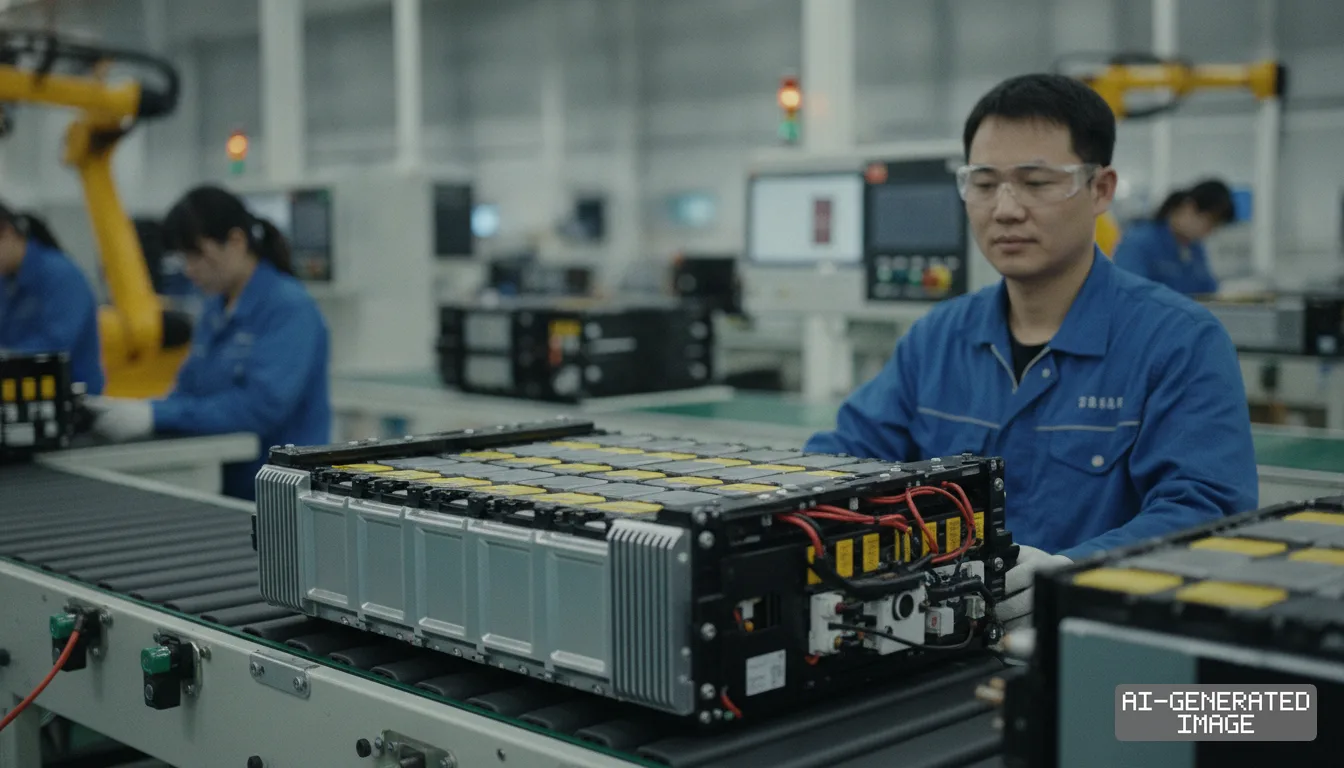
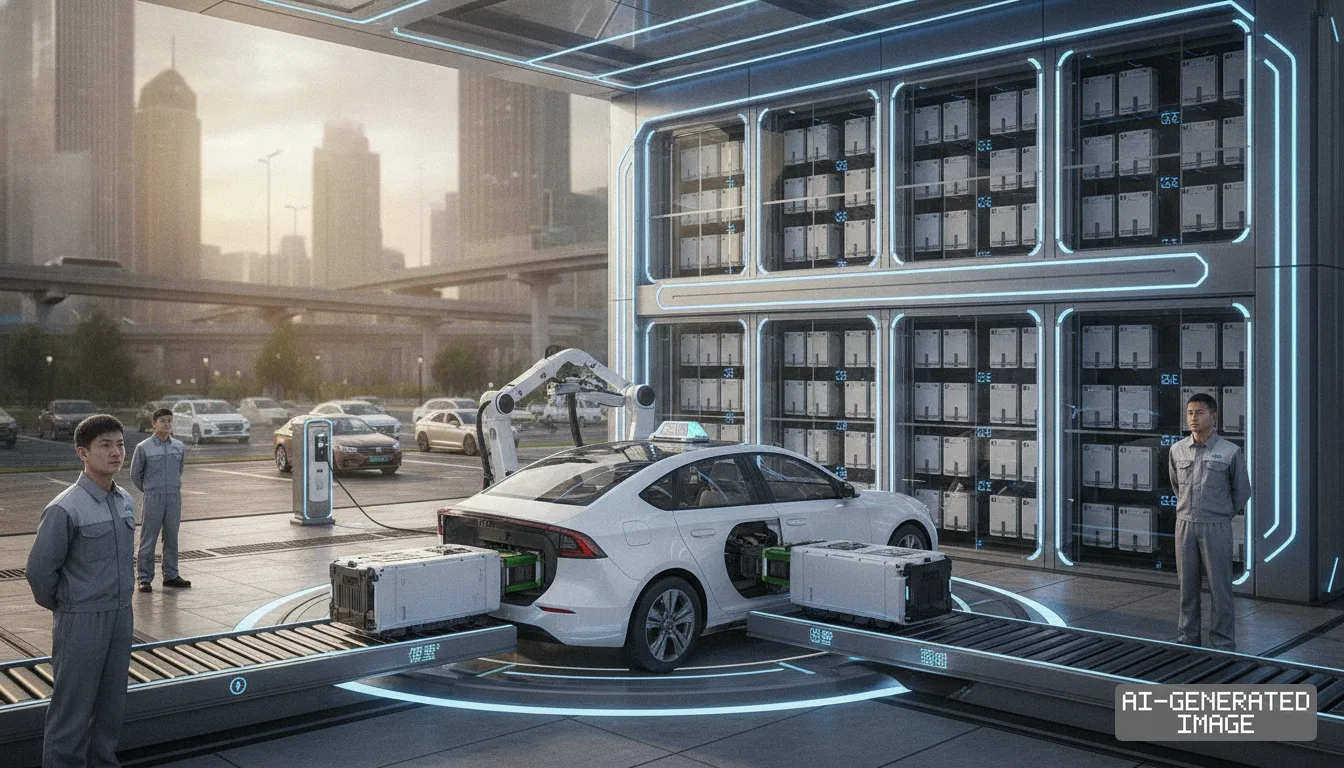
Li Auto announced on Sept. 7 that it will equip its entire vehicle lineup with proprietary battery packs, moving away from supplier Contemporary Amperex Technology to protect shrinking manufacturing margins.
The Beijing-based electric vehicle maker had relied heavily on Contemporary Amperex Technology, known as CATL, for fast-charging ternary cells. CATL is China's dominant automotive power cell manufacturer.
Founder and Chief Executive Officer Li Xiang outlined the transition on an Aug. 26 earnings call. In-house packs would spread across the vehicle range during the second half of 2026, Li said.
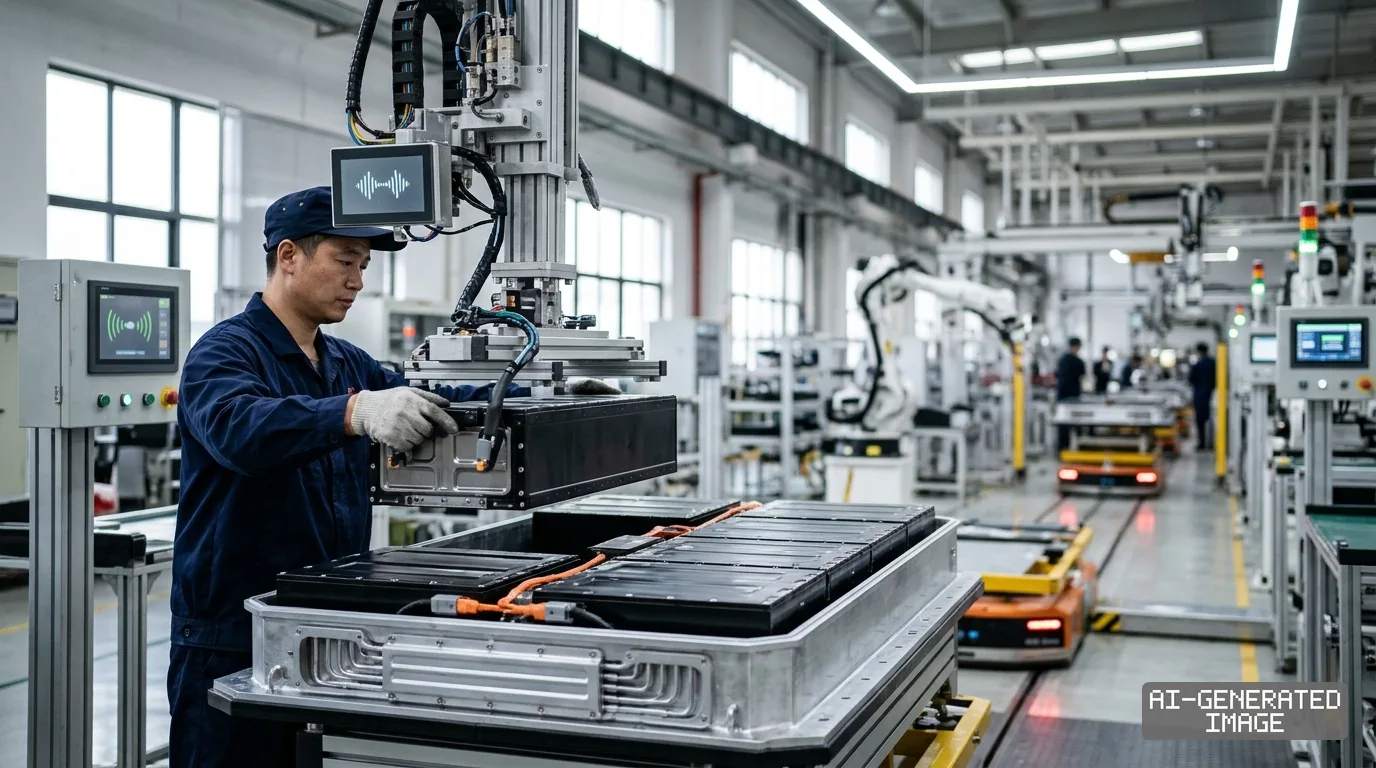
Li Auto already installs proprietary battery packs in three commercial models. The L8, L6 and i8 passenger vehicles roll off assembly lines with the company's self-developed packs.
The transition accelerates with the refreshed Li Mega multi-purpose vehicle. The vehicle launched on Sept. 2 at 509,800 yuan ($71,600) with a 108 kilowatt-hour pack supplied by CATL.
Incoming customer reservations quickly depleted existing CATL pack allocations. Buyers locking orders after 3:00 p.m. Beijing time on Sept. 7 will receive proprietary 5C ternary packs instead, the company said.
Deliveries for those reconfigured Mega vehicles will begin in November. The proprietary pack provides 5C fast-charging capability, matching the electrical charging rates of external supplier cells.
The automaker plans to follow a similar phased rollout on the i9 flagship. The six-seat all-electric sport utility vehicle is scheduled for an official public unveiling in mid-September.
Initial production batches of the i9 will use CATL ternary cells. The automaker said it will shift the model entirely to in-house cells once factory assembly yields stabilize.
A refreshed 2026 i6 electric SUV will arrive in the fourth quarter. Li Auto will open customer pre-orders in late September and begin initial vehicle deliveries in early November.
The refreshed i6 combines an in-house 5C battery pack with proprietary silicon. The vehicle carries the company's self-developed Mach autonomous driving processor, also known as the Mahe chip.
The Mach processor operates on a 5-nanometer automotive manufacturing node. Li Auto engineered a proprietary dataflow architecture to handle onboard sensor inputs and machine-vision navigation tasks.
Internal component development aims to resolve acute supply-chain bottlenecks. Li Auto disclosed that battery cell shortages during late 2025 created severe delivery delays for the original i6 line.
To secure manufacturing capacity for its designs, Li Auto deepened equity ties with cell producers. Battery maker Sunwoda Electronic announced a major capital injection from Li Auto on Sept. 4.
Li Auto agreed to invest 2.65 billion yuan ($390 million) into Sunwoda Mobility Energy Technology. The transaction gives Li Auto an 8.79% direct equity stake in the battery manufacturing subsidiary.
Affiliated entities will bring Li Auto's total indirect holding to 11.17%, making it the second-largest shareholder. The funding round values Sunwoda Mobility Energy Technology at 30.14 billion yuan ($4.5 billion).
Parent company Sunwoda will retain operational control as its equity stake dilutes from 26.38% to 24.06%. The deal builds on a 2022 early-stage investment and a joint venture established in 2025.
That venture, Shandong Li Auto Automobile Battery, manufactures packs engineered by Li Auto under a 50-50 ownership structure. The facility provides specialized assembly lines for high-voltage fast-charging architecture.
The vertical push coincides with severe operational margin pressure across the Chinese auto industry. Intense price cuts among domestic automakers forced steep concessions on retail vehicle pricing.
Li Auto reported second-quarter financial earnings on Aug. 26 showing sharp margin erosion. Vehicle margin fell to 9.4% in the quarter, down from 19.4% during the same period in 2025.
The company posted a quarterly net loss of 1.7 billion yuan ($240 million). Management cited an altered product delivery mix and elevated marketing promotions for the financial drop.
Li Auto set a corporate target to return gross margins to a band between 15% and 20%. Executives said structural savings will come from proprietary component engineering rather than consumer price hikes.
The carmaker initiated cell and processor development programs in 2020. Li Auto stated that it seeks to construct proprietary technology barriers comparable to hardware integration models used by Apple and Tesla.
Developing internal hardware does not replace external industry leaders immediately, the company said. Nvidia remains a premier computing supplier and CATL remains a leading global battery producer, Li Auto added.
Li Auto did not disclose precise per-vehicle cost savings figures in its Sept. 7 announcement. The company also omitted specific percentage estimates for pack-level manufacturing cost reductions.
Order books for the refreshed i6 open in late September. Commercial deliveries of the proprietary battery-equipped Mega begin across Chinese showrooms in November.
Impact map
How this development propagates across the region and out to global buyers.
| Event | Korea | China | Japan | Global impact |
|---|---|---|---|---|
| Li Auto battery integration | — | vehicle margin defence | — | battery supplier exposure |
In this story
- Companies
- Li Auto
- Tickers
- LI2015.HK
- Exposed
- Contemporary Amperex TechnologySunwoda ElectronicNvidia
- Impact
- Supply ChainCapexCost Structure
Related briefings
- Li Auto drops CATL from 2026 i6, tapping Sunwoda and CALB Also on Sunwoda Electronic, Li Auto, Contemporary Amperex Technology
- Gotion and Sunwoda ramp sodium-ion battery output for Chinese light electric vehicles Also on Sunwoda Electronic, Cost Structure
- CATL warns China EV price war triggers batch battery defects and safety hazards Also on Sunwoda Electronic, Cost Structure
- Nio prepares 60-kWh battery pack for Firefly compact EV brand Also on Sunwoda Electronic
Sources
Primary documents
Reporting
Confidence: high — how we grade this
The documents behind this briefing are linked above. East Asia Brief produces its English text with AI assistance under human editorial review, and does not translate or republish other outlets' articles. See our methodology and AI policy. Spotted an error? Tell us.
The Morning Brief
What changed in Korean, Chinese and Japanese industry overnight — and what it means for your supply chain. One email, weekday mornings, US time. Free.
The Morning Brief is in preparation. Leave your address and we will write to you once — when the first issue is ready. Nothing before that.