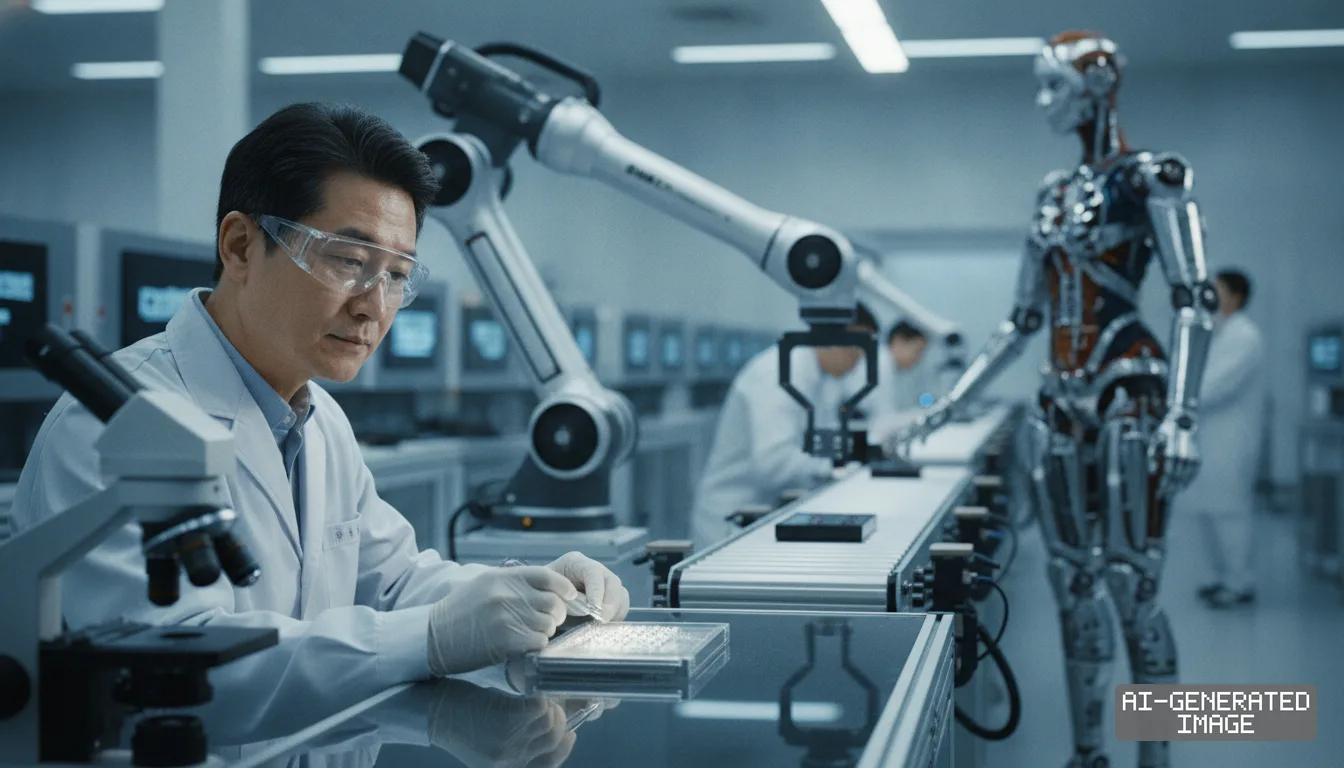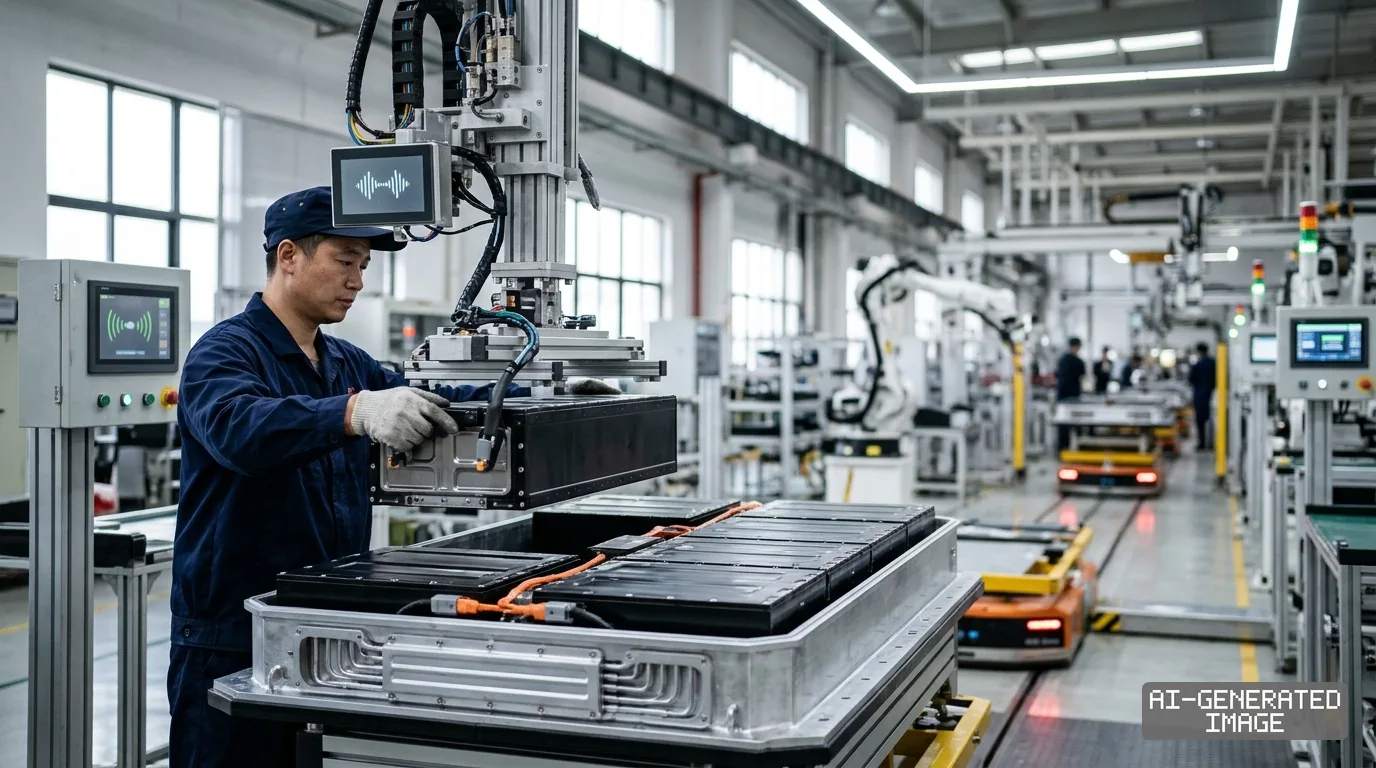
CATL deploys six-minute EV charging alongside 1,000-km cells
The battery maker is separating extreme recharging speeds in lithium iron phosphate packs from long-range nickel chemistries as Korean cell competitors defend their high-nickel margins.
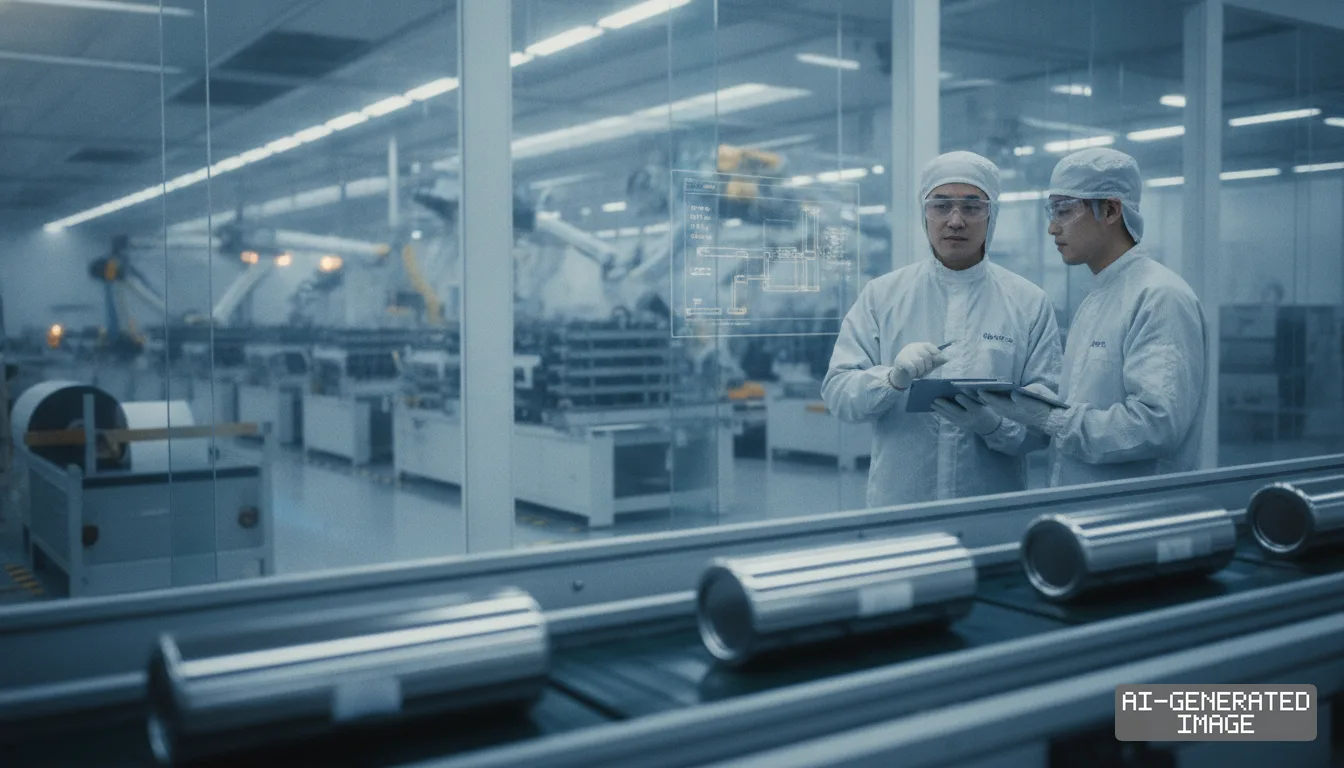
Contemporary Amperex Technology advanced commercial roadmaps on Sept. 5 for its next-generation electric vehicle batteries, pairing six-minute recharging with driving ranges of up to 1,000 kilometers across two separate chemical platforms.
The Ningde-based manufacturer, which supplies roughly one-third of the world's electric vehicle cells, separated extreme fast charging from maximum vehicle range. The division reflects distinct cost and material limits in cell design.
The technical foundation stems from specifications documented at the company's Beijing technology presentation on April 21, 2026. Public confusion arose after secondary industry reports combined the metrics of two distinct battery platforms into a single product.
The charging speed record belongs to the third-generation Shenxing battery, which uses lithium iron phosphate chemistry. That chemistry trades lower energy density for chemical stability and lower mineral costs, the company said.
The Shenxing cell charges from a 10% state of charge to 98% in six minutes and 27 seconds under peak direct-current input. Charging from 10% to 80% takes three minutes and 44 seconds.
The battery operates at an equivalent charging rate of 10C, meaning it can accept 10 times its rated capacity in an hour. Peak intake reaches 15C during initial charging phases, according to technical data.
Low temperatures typically slow ion movement in lithium cells. The third-generation Shenxing pack completes a 20% to 98% charge in about nine minutes at -30 degrees Celsius, using internal self-heating systems, the company said.
Rapid charging degrades cell lifespans through heat generation and internal chemical side reactions. CATL engineered heat dissipation channels that keep capacity retention above 90% after 1,000 full charge cycles, the manufacturer said.
The 1,000-kilometer driving range requires a different chemistry entirely. CATL reserved that endurance metric for its third-generation Qilin battery, which relies on nickel cobalt manganese cathode chemistry to maximize energy storage, the company said.
The Qilin cell achieves an energy density of 280 watt-hours per kilogram, supporting a 1,000-kilometer range while taking a 10C charge. The complete vehicle battery pack weighs 625 kilograms and delivers 3 megawatts of peak power.
CATL also detailed an aviation-derived condensed electrolyte battery for high-end transport. That system delivers 350 watt-hours per kilogram, providing sedans with 1,500 kilometers of range and large sport utility vehicles with 1,000 kilometers, the company said.
Unlocking six-minute charging speeds requires charging dispensers capable of delivering up to 1.5 megawatts of electrical power. Standard public direct-current chargers across East Asia and Europe operate between 120 kilowatts and 350 kilowatts.
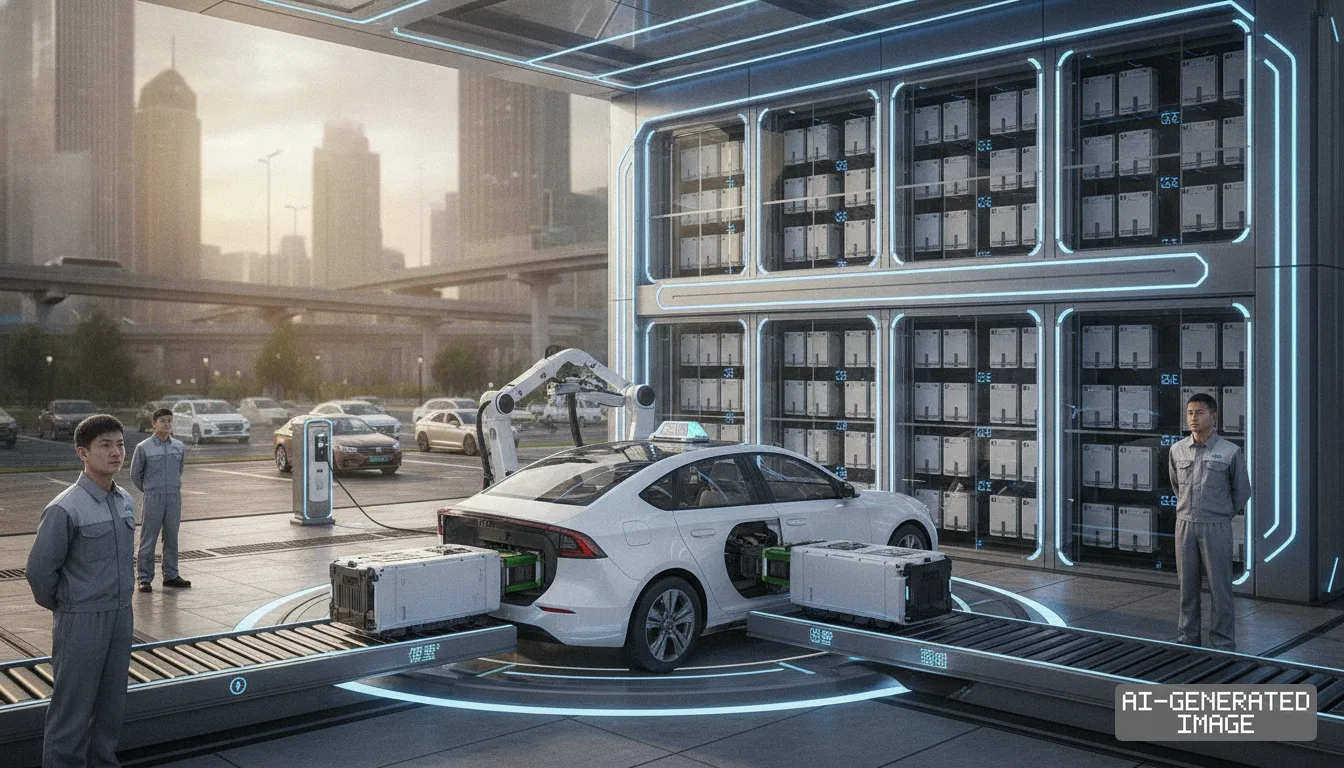
To eliminate the power grid bottleneck, CATL committed to building 4,000 integrated charging and battery-swapping stations across 190 Chinese cities by late 2026. The network combines vehicle swapping bays with high-power dispensers, the company said.
The integrated stations share compact substations and internal power modules between swap bays and chargers. The shared architecture lowers power transmission loss by 13 percentage points compared with conventional storage stations, according to company filings.
The commercial arrival of six-minute iron cells alters competitive economics for South Korea's battery trio: LG Energy Solution, Samsung SDI and SK On. The three manufacturers built their global market share on high-nickel ternary cells.
High-nickel cells offer longer driving range between stops, but iron-based cells cost between 20% and 30% less to produce. Recharging an iron pack in six minutes eliminates the consumer demand for expensive 100-kilowatt-hour nickel batteries.
Global automakers have shifted entry and mid-market vehicle architectures toward iron chemistry to protect operating margins. Tesla, Ford and Stellantis have all expanded production contracts for lithium iron phosphate cells across their volume product lineups.
LG Energy Solution has responded by converting pouch-cell lines to iron chemistry for grid energy storage while developing high-voltage mid-nickel cells for electric cars. The company also expanded cylindrical cell production at its Ochang facility.
Samsung SDI is pursuing all-solid-state battery technology to outpace Chinese fast-charging lithium cells. The company demonstrated oxide solid-state cells with 500 watt-hours per kilogram that support nine-minute charging, targeting commercial mass production by 2027.
Vehicle manufacturers face high engineering hurdles before installing 10C battery packs into commercial vehicle chassis. Automakers must upgrade electrical architectures to 1,000 volts, install silicon carbide power inverters and reinforce thermal liquid cooling loops.
Western trade policies also restrict Chinese cell deployment across North America and Europe. United States foreign entity rules bar subsidies for packs containing Chinese minerals, while European Union rules mandate full battery supply-chain carbon audits.
Chinese electric vehicle manufacturers will conduct the initial road deployments of the third-generation Shenxing battery. Commercial vehicle deliveries carrying the six-minute charging cells begin in the fourth quarter of 2026, according to automaker production schedules.
Impact map
How this development propagates across the region and out to global buyers.
| Event | Korea | China | Japan | Global impact |
|---|---|---|---|---|
| Ultra-fast charging deployment | margin compression | cell dominance | material suppliers | charging grid capex |
In this story
- Companies
- Contemporary Amperex Technology
- Tickers
- 300750.SZ
- Exposed
- LG Energy SolutionSamsung SDISK OnTesla
- Policy
- Subsidies
- Impact
- Supply ChainCapexPricing
Track every Subsidies development →
Related briefings
- CATL Surpasses Korean Battery Trio in Markets Outside China Also on Tesla, SK On, Contemporary Amperex Technology
- CATL widens global EV battery lead to 39.4% as Korean share slips Also on Tesla, SK On, Contemporary Amperex Technology
- Korea Cuts EV Subsidies on Low Energy Density Cells, Squeezing LFP Imports Also on Tesla, SK on, Contemporary Amperex Technology
- Chinese EVs capture 35% Korea market share under 8% tariff Also on Tesla, SK On, Samsung SDI
Sources
Reporting
Confidence: medium — how we grade this
The documents behind this briefing are linked above. East Asia Brief produces its English text with AI assistance under human editorial review, and does not translate or republish other outlets' articles. See our methodology and AI policy. Spotted an error? Tell us.
The Morning Brief
What changed in Korean, Chinese and Japanese industry overnight — and what it means for your supply chain. One email, weekday mornings, US time. Free.
The Morning Brief is in preparation. Leave your address and we will write to you once — when the first issue is ready. Nothing before that.