EcoPro targets humanoid robot batteries for 2027 production
The South Korean cathode producer plans to supply high-nickel and solid-state materials to robotics makers before expanding output into mass-market electric vehicles.
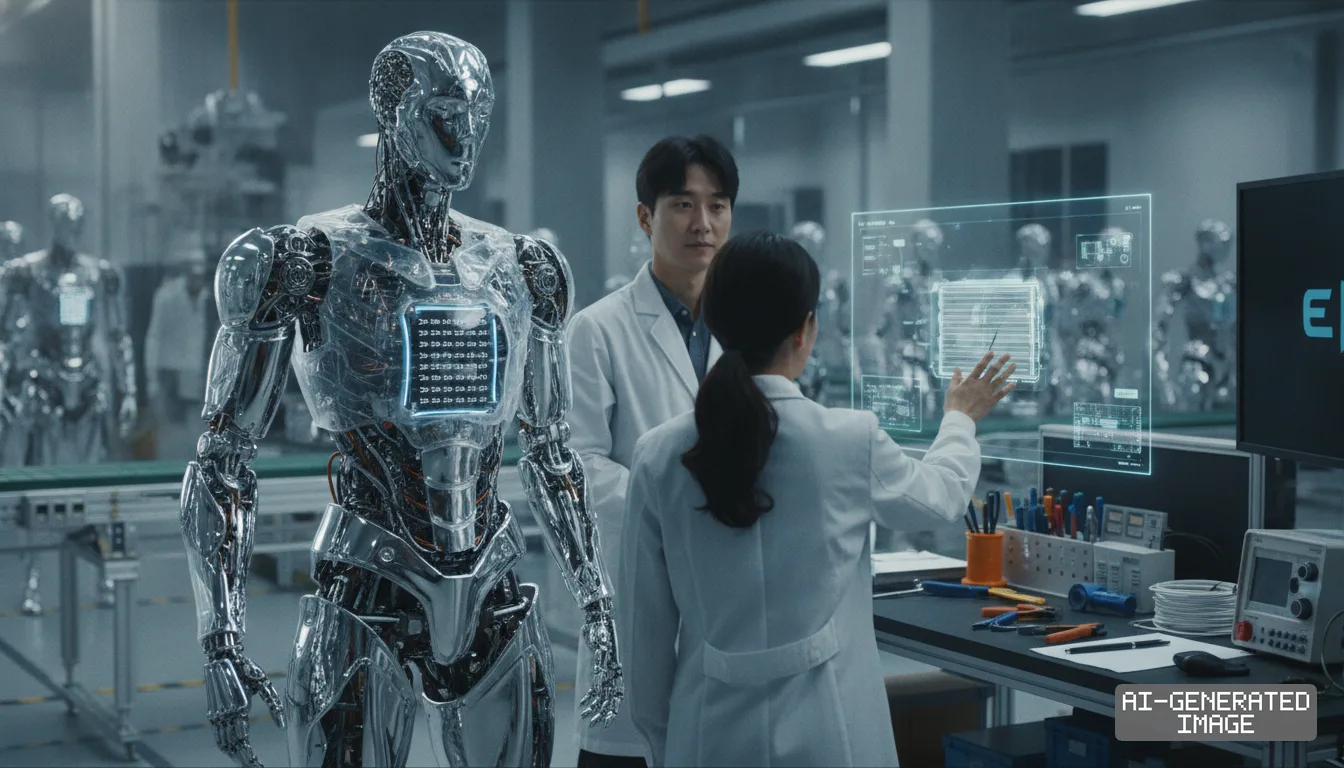
EcoPro said Sept. 6 it would target humanoid robots as a primary market for high-nickel cathode materials and solid-state battery electrolytes ahead of commercial mass production in 2027.
The South Korean battery materials manufacturer outlined the strategy in an internal briefing distributed to employees and media. High manufacturing costs make industrial robotics an earlier commercial outlet than electric vehicles, the company said.
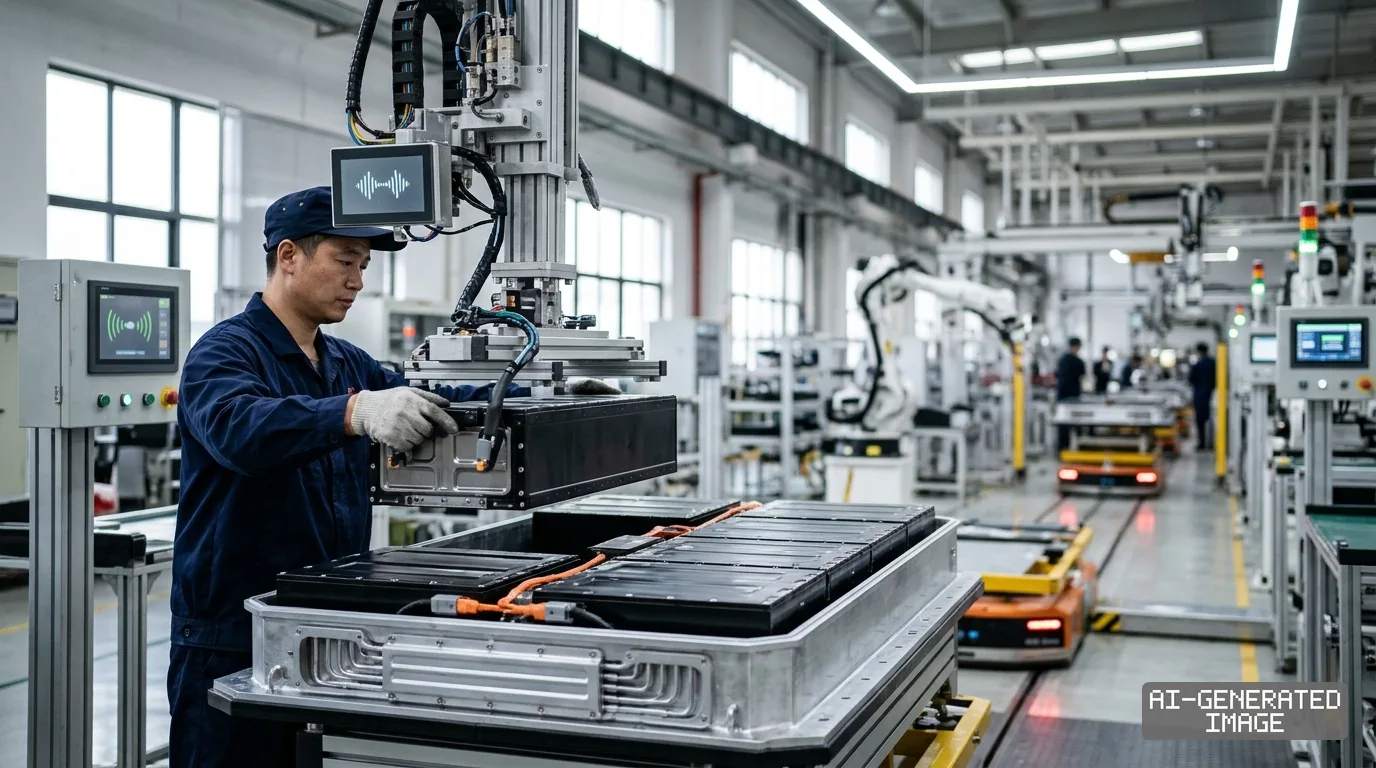
EcoPro operates through affiliates including EcoPro BM, the country's largest producer of high-nickel cathode active materials by revenue. Cathodes determine the energy storage capacity and driving range of lithium-ion cells.
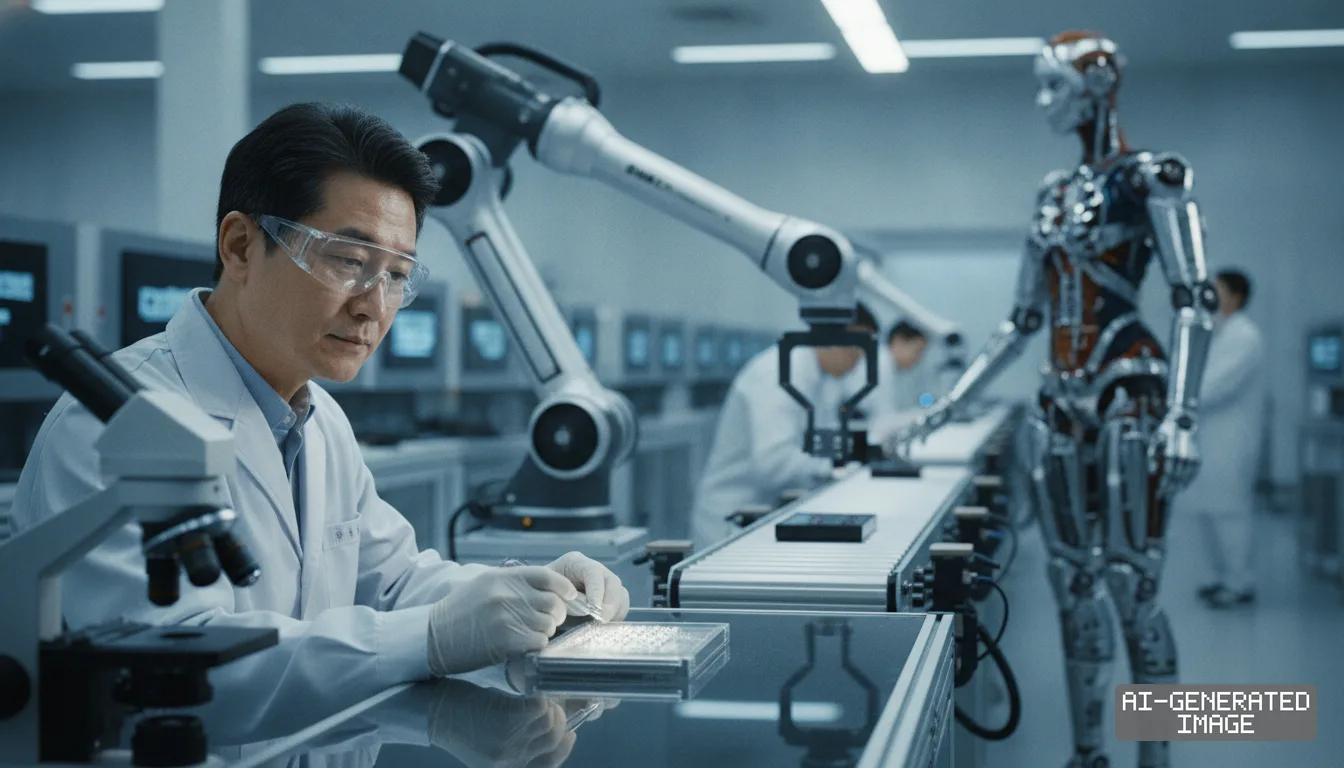
Humanoid robots require lightweight power packs to limit mechanical stress on joint motors and actuators. Heavy battery enclosures reduce operating duration and increase motor strain during walking movements.
Nickel-rich ternary chemistry provides higher gravimetric energy density than lithium iron phosphate, known as LFP. EcoPro said this density advantage makes nickel cathodes necessary for bipedal machines.
The company plans to introduce all-solid-state battery technology to robotics before automotive assembly lines. Solid-state cells replace flammable liquid electrolytes with solid ionic conductors to raise safety and storage density.
High synthesis costs currently restrict solid-state battery adoption in mass-market passenger cars. EcoPro said robotics manufacturers can absorb higher cell prices because industrial robots generate higher gross margins.
Supplying robotics will build initial production scale and lower unit manufacturing costs over time, the company said. EcoPro expects electric vehicle makers to adopt solid-state packs once that scale brings prices down.
EcoPro BM currently operates a pilot plant producing sulfide-based solid-state electrolytes with an annual capacity of 40 metric tons. The facility is now in its fourth year of development work.
Domestic battery manufacturers completed quality verification tests on electrolyte samples from the 40-ton plant, EcoPro BM said. The supplier is negotiating trial production runs with prospective corporate customers.
Engineering designs for a commercial-scale electrolyte manufacturing facility are complete, the company said. EcoPro BM said it can break ground on commercial lines as soon as buyers finalize volume orders.
EcoPro BM has not disclosed the capital spending budget or the plant site for the planned commercial line. Target nameplate capacity in metric tons per year also remains unannounced.
The company has not signed binding supply contracts with robotics developers or battery cell manufacturers. Discussions with cell producers remain centered on material verification and prototype evaluation.
Alongside electrolytes, EcoPro BM is developing cathode active materials engineered for solid-state battery cells. The company adjusted chemical compositions to improve interfacial stability against sulfide electrolyte particles.
Existing manufacturing lines for nickel-cobalt-manganese cathode materials can be converted for solid-state cathode production, EcoPro BM said. Reusing installed equipment reduces capital expenditures and shortens factory conversion timelines.
The commercialization effort follows government backing under an industrial research initiative. South Korea's Ministry of Trade, Industry and Energy selected EcoPro BM in early August for its Super Eul program.
The state program supports domestic equipment and component manufacturers targeting critical supply chain roles. Selected companies receive long-term research grants of about 20 billion won ($15 million) over seven years.
EcoPro BM convened an industry and academic consortium on Aug. 26 to accelerate solid-state commercialization. The partnership connects raw material refiners, research institutes and battery cell assemblers.
Participants include the Korea Electronics Technology Institute, the Korea Institute of Science and Technology, Pohang University of Science and Technology and Hanyang University. The research group focuses on synthesizing high-purity lithium sulfide precursors.
South Korean industrial conglomerates have expanded investments in humanoid robotics and physical automation. Samsung Electronics established a robotics planning team under its chief executive officer.
Hyundai Motor Group is evaluating deployments of its Atlas humanoid robot inside electric vehicle manufacturing plants. LG Electronics established a dedicated robotics division reporting directly to top management.
EcoPro's robotics push comes as slowing demand growth for passenger electric vehicles squeezes cathode suppliers. Material manufacturers across South Korea have faced inventory adjustments and falling factory operating rates.
Automakers in North America and Europe delayed battery joint ventures and model releases throughout 2024 and 2025. Those schedule adjustments pushed cathode suppliers to identify non-automotive revenue streams.
EcoPro first published its 2027 solid-state commercialization schedule at the InterBattery exhibition in Seoul on March 5, 2026. The company reaffirmed that production timeline during an investor presentation on March 16, 2026.
Groundbreaking on the commercial solid-state facility will depend on binding customer agreements, EcoPro BM said. The company has set 2027 as the completion target for customer qualification and commercial shipments.
Impact map
How this development propagates across the region and out to global buyers.
| Event | Korea | China | Japan | Global impact |
|---|---|---|---|---|
| solid-state battery roadmap | materials makers pivot to robotics | LFP dominance challenged in robotics | solid-state electrolyte rivalry | humanoid robot power supply |
In this story
- Companies
- EcoProEcoPro BM
- Tickers
- 086520.KQ247540.KQ
- Exposed
- Samsung ElectronicsHyundai Motor CompanyLG Electronics
- Policy
- Subsidies
- Impact
- Supply ChainCapexOrder Book
Track every Subsidies development →
Related briefings
- EcoPro replaces affiliate CEOs to defend margins in EV slump Also on EcoPro, EcoPro BM, Subsidies
- EcoPro Bets on Ternary Cathodes as Mid-Nickel Counters LFP Also on EcoPro, EcoPro BM
- Hyundai accelerates Ulsan EV conversion to balance export lines with global demand Also on Hyundai Motor Company, Order Book, Subsidies
- SK On and GS Caltex Advance Immersion Cooling Packs for High-Voltage EV Fleets Also on Hyundai Motor Company, Subsidies
Sources
Reporting
Confidence: medium — how we grade this
The documents behind this briefing are linked above. East Asia Brief produces its English text with AI assistance under human editorial review, and does not translate or republish other outlets' articles. See our methodology and AI policy. Spotted an error? Tell us.
The Morning Brief
What changed in Korean, Chinese and Japanese industry overnight — and what it means for your supply chain. One email, weekday mornings, US time. Free.
The Morning Brief is in preparation. Leave your address and we will write to you once — when the first issue is ready. Nothing before that.