LG Energy Solution Reallocates Equipment as Vendor Defaults in Ohio
The South Korean battery maker expanded contracts with System R&D and HyVISION System to shield North American ESS schedules after Daejin Machinery entered court rehabilitation.
LG Energy Solution broadened battery equipment procurement on Oct. 14, 2026, shifting assembly line orders to secondary suppliers following the court-supervised insolvency of key automation partner Daejin Machinery.
The company, which ranks as South Korea's largest lithium-ion cell manufacturer, took steps to protect production schedules across its North American energy storage facilities as electric vehicle demand moderates.
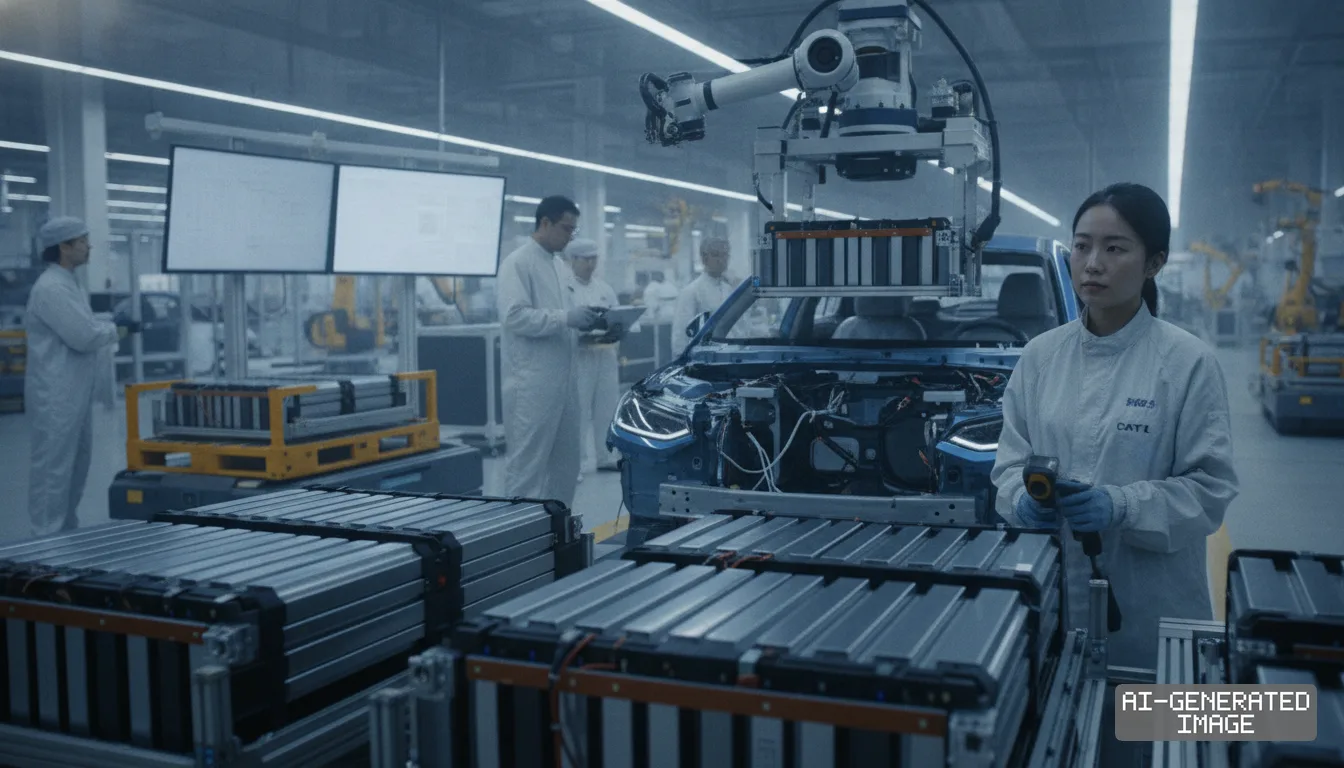
Daejin Machinery entered court rehabilitation in March after defaulting in December 2025. The collapse followed an unpaid construction dispute totaling $22.43 million at the L-H Battery Company plant in Ohio.
The Ohio facility is a joint venture between LG Energy Solution and Honda Motor. Subcontractor Central Conveyor filed suit in federal court over unpaid installation work on five production lines.
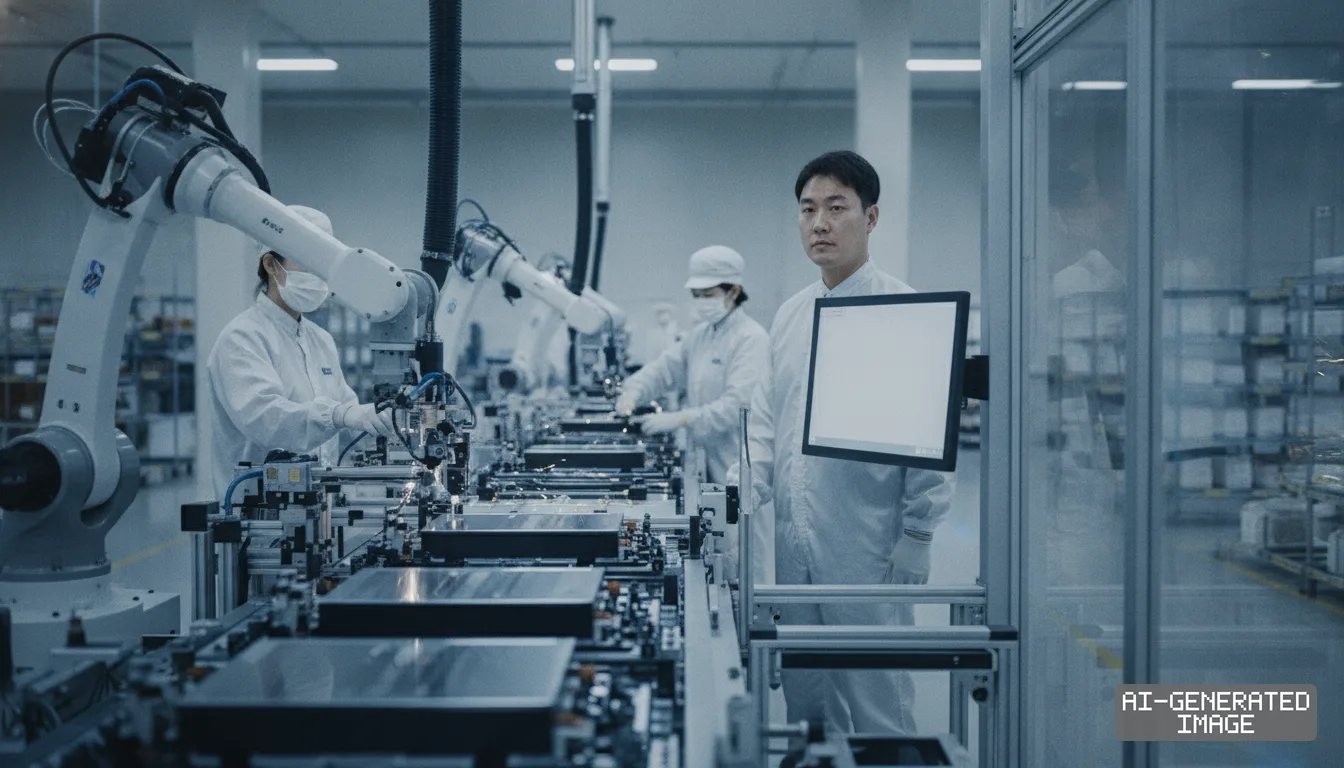
To replace the lost tooling capacity, LG Energy Solution transferred energy storage module assembly orders to System R&D. The privately held automation specialist previously built pouch-cell packaging tools for the company.
LG Energy Solution also expanded the remit of HyVISION System. The supplier disclosed a 95 billion won ($70 million) equipment order, expanding an initial deal signed in May almost fivefold.
That contract represents 55.52% of HyVISION System's consolidated revenue for 2025. The tooling will supply an Ohio facility operated by Sebang Lithium Battery.
Sebang Lithium Battery committed 150 billion won ($110 million) in capital expenditure for the Ohio plant. It will assemble battery modules for LG Energy Solution under a 1.8 trillion won ($1.3 billion) deal.
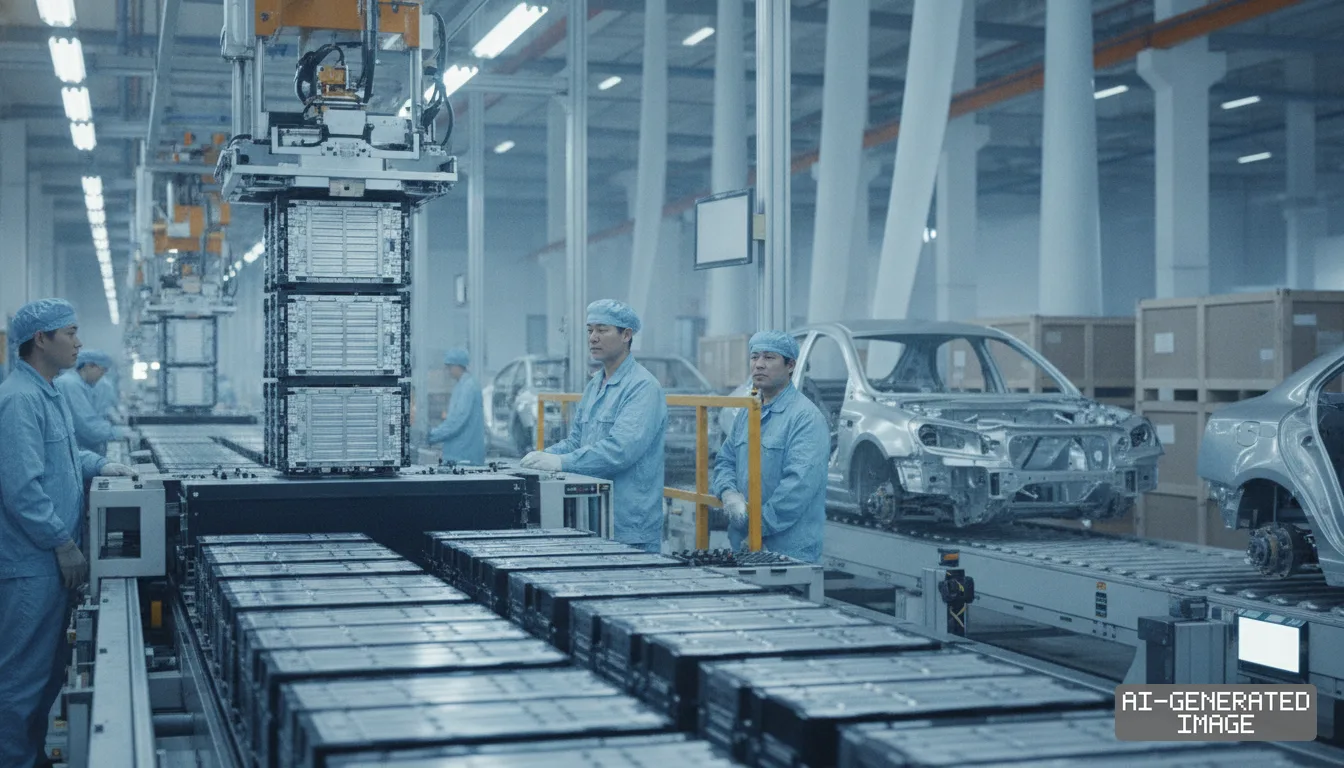
The Ohio plant produces module units for the JF2 Link, a grid-scale energy storage product. Deliveries feed utility-scale projects and artificial intelligence data centers across the United States.
Producing battery cells alone is not enough to complete an energy storage system. Cells must be assembled into modules and packs with integrated thermal and fire-safety controls, requiring dedicated precision machinery.
LG Energy Solution manufactures battery cells internally but relies on external automation specialists for module and pack assembly. Equipment failures downstream can halt the delivery of completed container units.
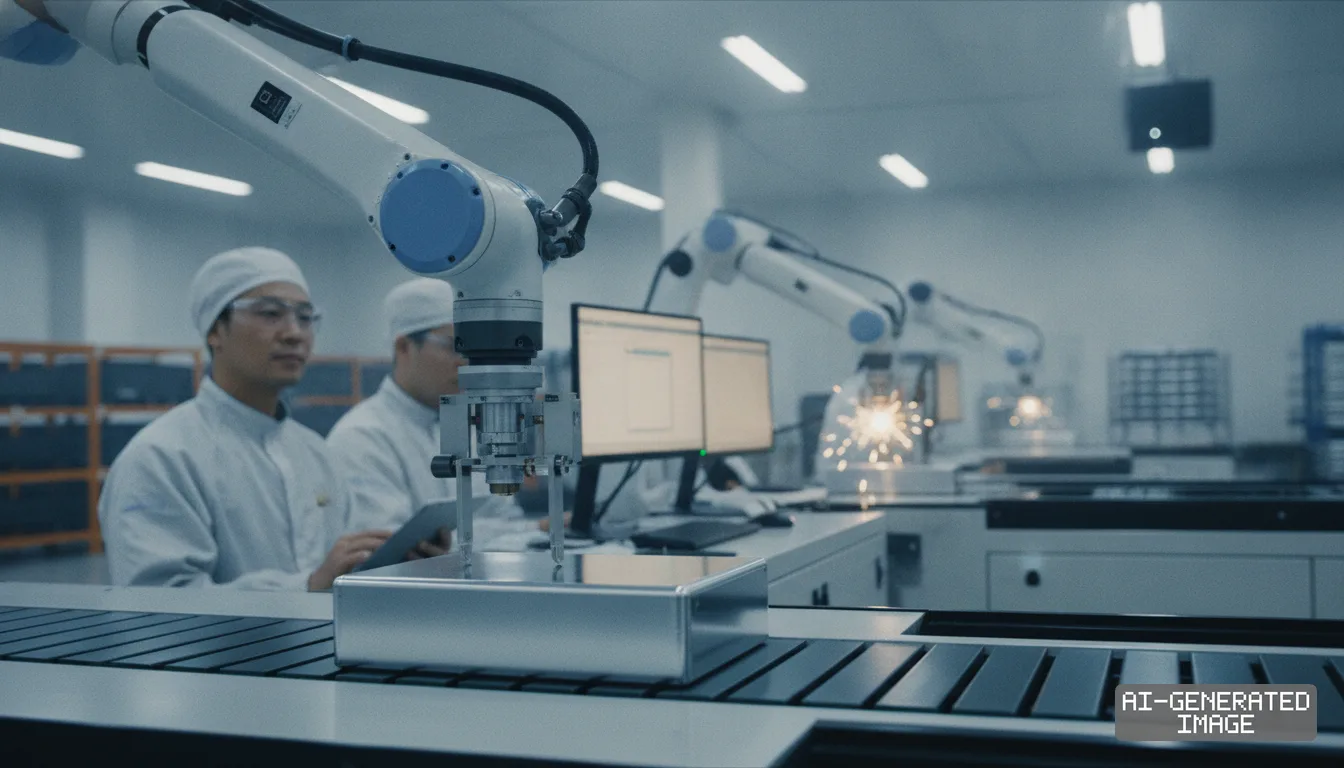
Daejin Machinery had served as a primary automation partner through LG Electronics' Production Engineering Research Institute. The company supplied module, pack and degassing tools that extract residual gas following electrolyte injection.
Equipment validation is coordinated through the institute. The engineering unit qualifies machinery specifications before production tools are deployed to domestic plants in Ochang or overseas joint ventures.
Degassing and packaging tools carry significant capital costs, with tab welding and sealing lines averaging 10 billion won ($7.4 million) per setup. Sourcing bottlenecks can disrupt planned ramp-up curves.
The vendor's financial distress disrupted multiple domestic suppliers in South Korea. Subcontractors faced unpaid delivery bills before the Cheongju District Court approved rehabilitation proceedings earlier this year.
The equipment reallocation comes as battery makers face slower growth in electric vehicles. Manufacturers are diverting capital toward stationary energy storage systems, where grid demand from utilities remains elevated.
LG Energy Solution is targeting more than 50 gigawatt-hours of annual ESS manufacturing capacity in North America. Meeting that volume requires stable tool installation schedules at regional assembly hubs.
Procurement teams have contacted equipment suppliers that historically served domestic rivals Samsung SDI and SK On. Broadening the vendor pool is intended to prevent single-source bottlenecks across future expansion phases.
Automating pack assembly requires high precision to align cell tabs and connect cooling plates. Transitioning tooling designs to new vendors typically requires qualification trials to prevent yield losses during commissioning.
Sebang Lithium Battery plans to begin commercial shipments from Ohio in the fourth quarter of 2026. The company expects the three planned assembly lines to reach full operational stability in 2027.
Daejin Machinery is currently drafting a formal debt restructuring plan for the Cheongju District Court. The filing will determine how outstanding obligations to sub-tier component makers are settled.
LG Energy Solution has not published an official supplier reallocation notice, and corporate filings do not disclose the precise capital value transferred between tooling vendors.
Impact map
How this development propagates across the region and out to global buyers.
| Event | Korea | China | Japan | Global impact |
|---|---|---|---|---|
| Daejin Machinery insolvency | System R&D and HyVISION System absorb module tool orders; Daejin in court rehabilitation | Chinese ESS integrators face intensifying competition from localized US supply lines | Honda JV in Ohio resolves $22.43 million installation disputes across five lines | North American ESS line schedules defended toward 50 GWh regional capacity target |
In this story
- Companies
- LG Energy SolutionHyVISION System
- Tickers
- 373220.KS126700.KQ
- Exposed
- Honda MotorSamsung SDISK On
- Policy
- Economic Security
- Impact
- Supply ChainCapexOrder Book
Track every Economic Security development →
Related briefings
- LG Energy Solution shifts ESS tool orders as supplier defaults Also on HyVISION SYSTEM, Honda Motor, SK On
- LG Energy Solution secures 240,000 tons of Canadian lithium from Elevra Also on Honda Motor, LG Energy Solution
- Japan funds $21 billion GlobalFoundries build in New York Also on Honda Motor, Order Book
- Japanese automakers standardize prismatic battery cold tests as EV timelines advance Also on Honda Motor, Order Book
Sources
Primary documents
Reporting
Confidence: high — how we grade this
The documents behind this briefing are linked above. East Asia Brief produces its English text with AI assistance under human editorial review, and does not translate or republish other outlets' articles. See our methodology and AI policy. Spotted an error? Tell us.
The Morning Brief
What changed in Korean, Chinese and Japanese industry overnight — and what it means for your supply chain. One email, weekday mornings, US time. Free.
The Morning Brief is in preparation. Leave your address and we will write to you once — when the first issue is ready. Nothing before that.