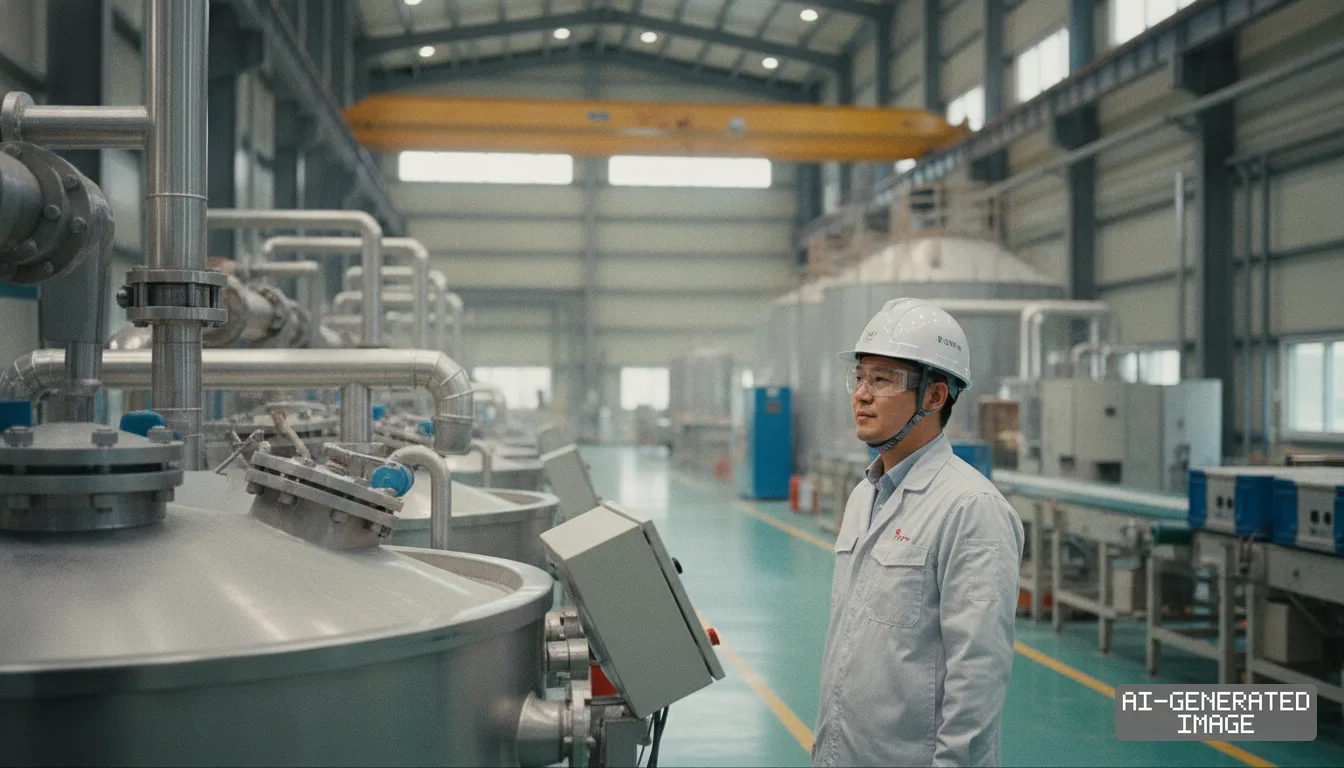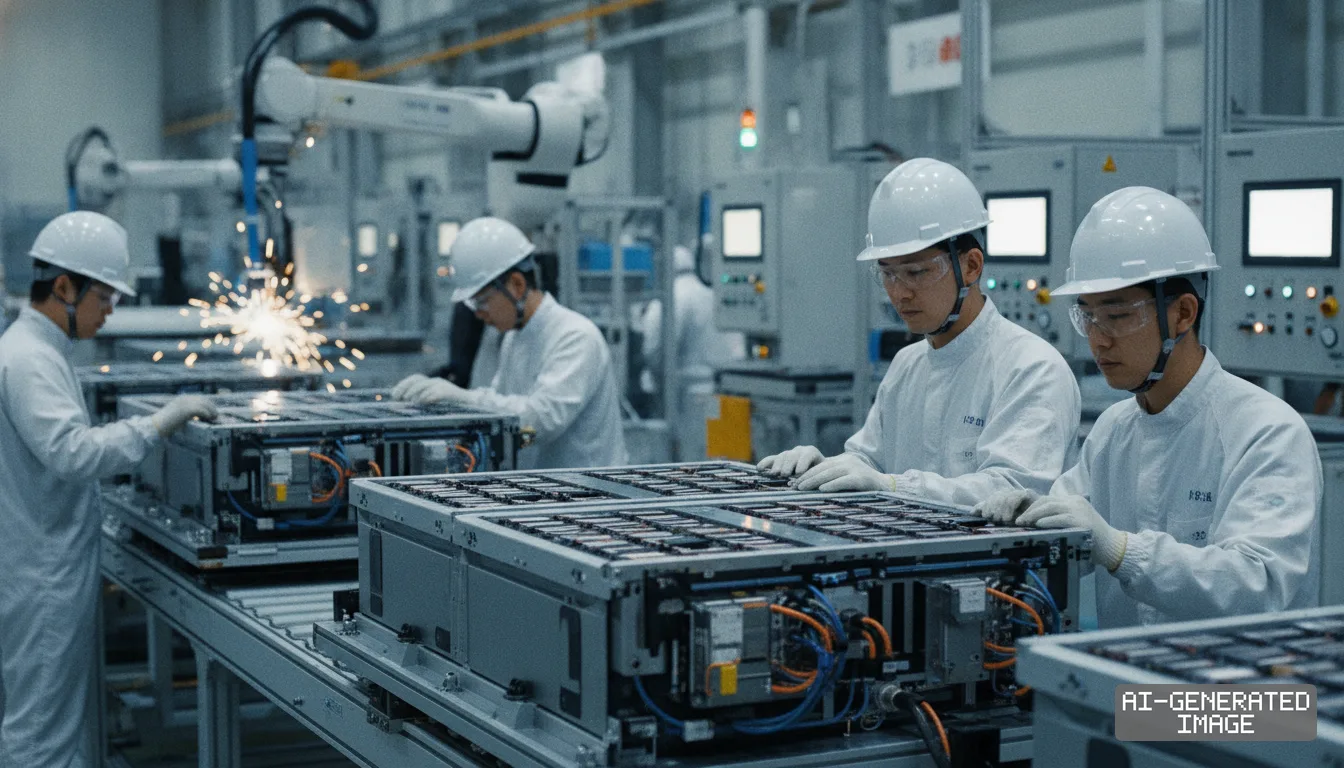
Japanese automakers standardize prismatic battery cold tests as EV timelines advance
Shared public labs and automaker test benches expand sub-zero cell protocols to resolve winter range loss ahead of 2027 regional electric vehicle deployments.
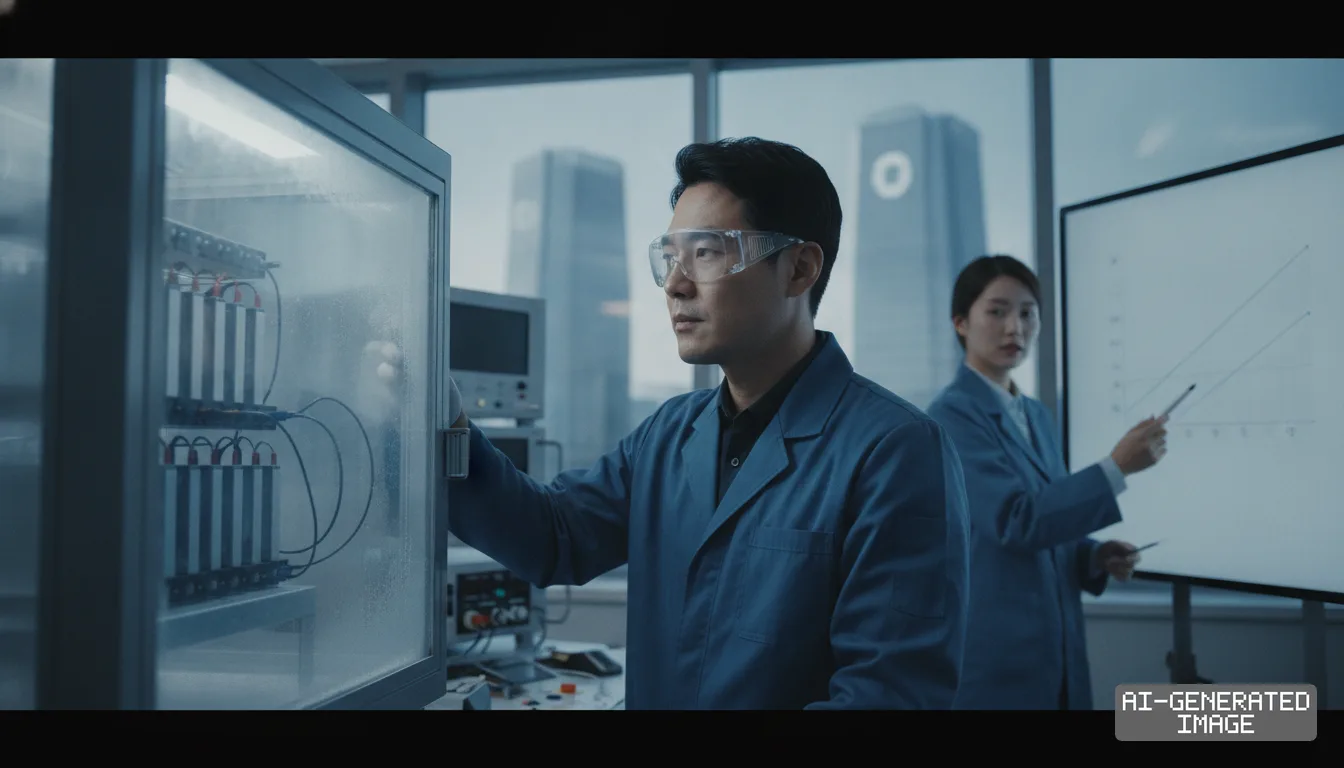
Japanese automakers and state-backed research bodies are intensifying standardized extreme cold verification protocols for automotive prismatic battery cells, expanding thermal stress evaluations across public facilities and dedicated corporate test benches. The coordinated push aims to resolve sub-zero electrochemical degradation, elevated internal impedance, and driving range decay ahead of planned commercial rollouts of next-generation electric vehicle platforms scheduled for 2027.
The testing drive operates under the policy framework established by Japan’s Ministry of Economy, Trade and Industry (METI), which revised its national battery development roadmap in June 2026 into the Battery and Power Industry Strategy. That policy mandate targets 150 gigawatt-hours per year of domestic battery manufacturing capacity by the mid-2030s while establishing definitive milestones for the commercialization of next-generation prismatic and all-solid-state battery cells around 2030. To meet these domestic and export quality targets, Japanese engineering teams are aligning cell-level electrochemical data with standardized environmental stress metrics across government-supported research centers and proprietary proving grounds.
Public evaluation infrastructure in Japan centers on the National Laboratory for Advanced Energy Storage Technologies (NLAB), which was commissioned in Osaka in April 2016 by the National Institute of Technology and Evaluation (NITE) under METI jurisdiction. NLAB operates specialized environmental testing bays and high-capacity electrical cycling equipment designed to assess large-scale energy storage systems, automotive battery packs, and individual cell modules across wide operational temperature regimes and simulated physical stresses.
Pre-competitive material research and standardized evaluation methodologies run through the Consortium of Lithium Ion Battery Technology and Evaluation Center (LIBTEC). Founded with participation from major domestic manufacturers including Toyota Motor, Honda Motor, Nissan Motor, and Panasonic Holdings, LIBTEC conducts joint research into electrochemical durability, interfacial resistance between solid electrolytes and active materials, and continuous cycling behavior across wide temperature fluctuations.
At the commercial manufacturing level, cell design verification concentrates within specialized joint ventures and supplier partnerships. Prime Planet Energy & Solutions (PPES), the battery manufacturing joint venture established with Toyota holding a 51 percent equity stake and Panasonic holding 49 percent, leads the mass production and design qualification of automotive prismatic lithium-ion and solid-state cells. The venture develops rigid-casing prismatic cells engineered to maintain internal ionic mobility and structural integrity under severe thermal contraction.
Extreme cold testing for full vehicle integration remains split between shared foundational laboratories and proprietary automaker testing facilities. Toyota Motor conducts cold-weather validation down to minus 30 degrees Celsius at its dedicated Shibetsu Proving Ground in Hokkaido, testing integrated battery pack structures against snow pack accumulation, rapid thermal cycling, and low-temperature regenerative braking loads. Honda Motor deploys in-house Battery Pack Thermal Management System Test Benches, utilizing dynamic climatic chambers and fluid loop simulators to test battery module thermal management and cell heating systems under arctic conditions without requiring full vehicle prototypes on outdoor tracks.
Sub-zero operating environments present severe electrochemical bottlenecks for automotive lithium-ion chemistries. When ambient temperatures drop below freezing, conventional liquid electrolytes experience increased viscosity, which reduces lithium-ion transport kinetics and elevates internal resistance. This resistance spike causes sharp voltage drops under acceleration and raises the risk of metallic lithium plating on graphite anodes during DC fast charging, accelerating permanent capacity loss. Prismatic cell architectures require rigid mechanical enclosures and precision active thermal management to ensure that internal heating blankets and liquid cooling plates distribute warmth evenly across dense internal jelly-rolls or stacked electrode plates.
The expansion of low-temperature testing protocols directly impacts tier-one testing equipment suppliers, diagnostic software vendors, and laboratory equipment manufacturers. Suppliers of high-precision climate simulation chambers, multi-channel electrochemical impedance spectroscopy (EIS) diagnostic units, and high-voltage battery cyclers are seeing expanded hardware orders as Japanese engineering teams accelerate design freeze schedules. Standardized data from these cold-climate verification cycles feeds into production calibration for thermal control units across Japanese vehicle assembly plants in Shizuoka, Mie, and Fukuoka prefectures.
Testing schedules continue through the winter testing calendar at the NLAB Osaka bays, LIBTEC evaluation sites, and Hokkaido cold-weather proving grounds as domestic manufacturers prepare their finalized cell specifications for 2027 vehicle production audits.
Impact map
How this development propagates across the region and out to global buyers.
| Event | Korea | China | Japan | Global impact |
|---|---|---|---|---|
| EV cold verification | ternary cold balance | LFP winter performance | prismatic cell thermal standards | sub-zero EV range reliability |
In this story
- Companies
- Toyota MotorHonda MotorPanasonic HoldingsPrime Planet Energy & Solutions
- Tickers
- 7203.T7267.T6752.T
- Exposed
- Nissan Motor
- Policy
- SubsidiesEconomic Security
- Impact
- Supply ChainOrder BookCost Structure
Track every Subsidies development → Track every Economic Security development →
Related briefings
- Japan Separator Makers Accelerate Ceramic-Coated and Solid-State Film Expansion Also on Prime Planet Energy & Solutions, Cost Structure
- Japan certifies $2.4 billion in battery subsidies to lock in solid-state cell capacity Also on Nissan Motor, Panasonic Holdings, Toyota Motor
- Suzuki selects BYD LFP battery cells for inaugural Japanese mini EV Also on Nissan Motor, Honda Motor, Cost Structure
- Suzuki launches Japan's cheapest mini EV using BYD batteries Also on Nissan Motor, Panasonic Holdings, Cost Structure
Sources
Primary documents
Confidence: high — how we grade this
The documents behind this briefing are linked above. East Asia Brief produces its English text with AI assistance under human editorial review, and does not translate or republish other outlets' articles. See our methodology and AI policy. Spotted an error? Tell us.
The Morning Brief
What changed in Korean, Chinese and Japanese industry overnight — and what it means for your supply chain. One email, weekday mornings, US time. Free.
The Morning Brief is in preparation. Leave your address and we will write to you once — when the first issue is ready. Nothing before that.