Kandi wins second CATL heavy-truck battery swap station order in China
The follow-on deal expands China Battery Exchange's supply role under CATL's commercial vehicle swap network, which targets 900 operational stations by the end of 2026.
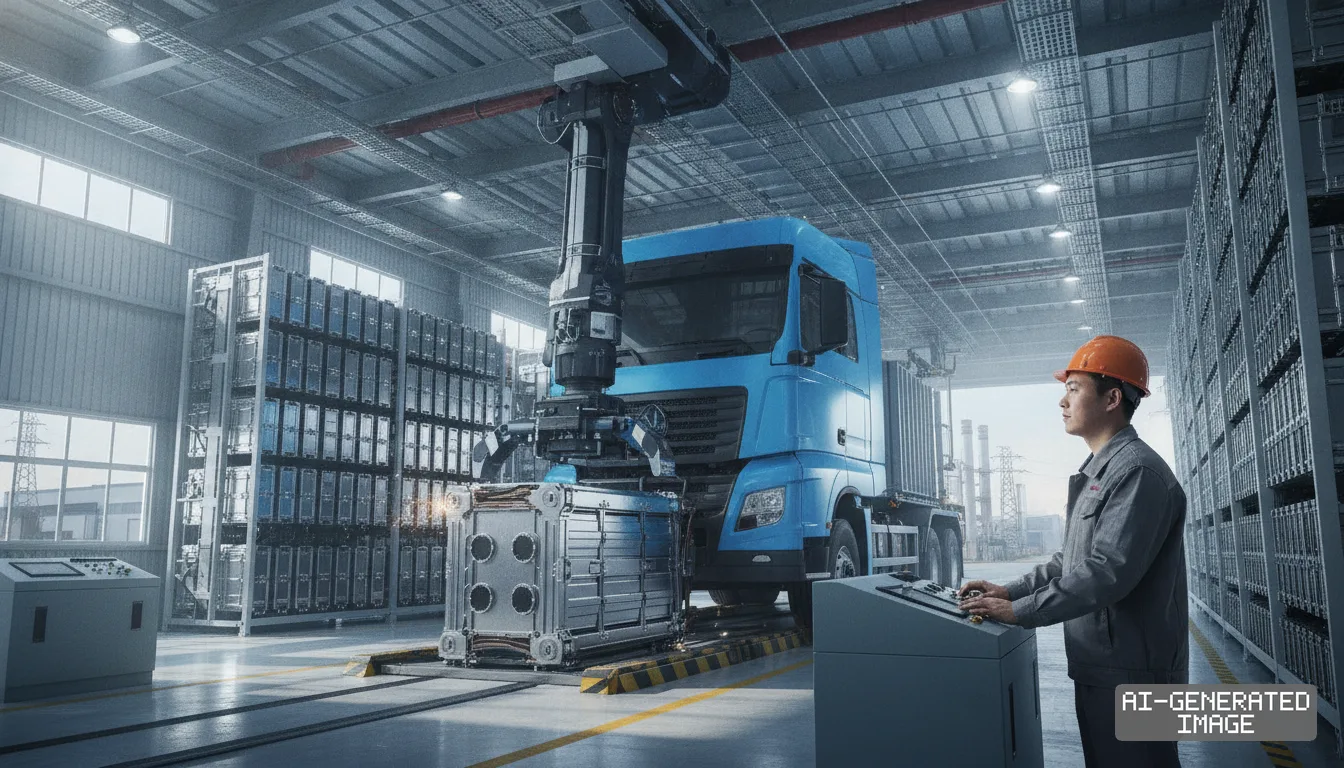
Kandi Technologies Group secured a second equipment procurement order on Sept. 28, 2026, to supply heavy-truck battery swap station hardware to CATL subsidiary QIJI Energy.
The follow-on contract follows an initial July order for 18 stations. It feeds CATL's target of building roughly 900 commercial vehicle swap stations across China by year-end.
Kandi delivers the equipment through China Battery Exchange Technology, its wholly owned subsidiary. The business fabricates the hardware at a newly opened facility in Lin'an, Zhejiang Province.
The Lin'an plant commenced production in July 2026. It operates with a designed annual production capacity of up to 200 heavy-duty truck battery swap stations.
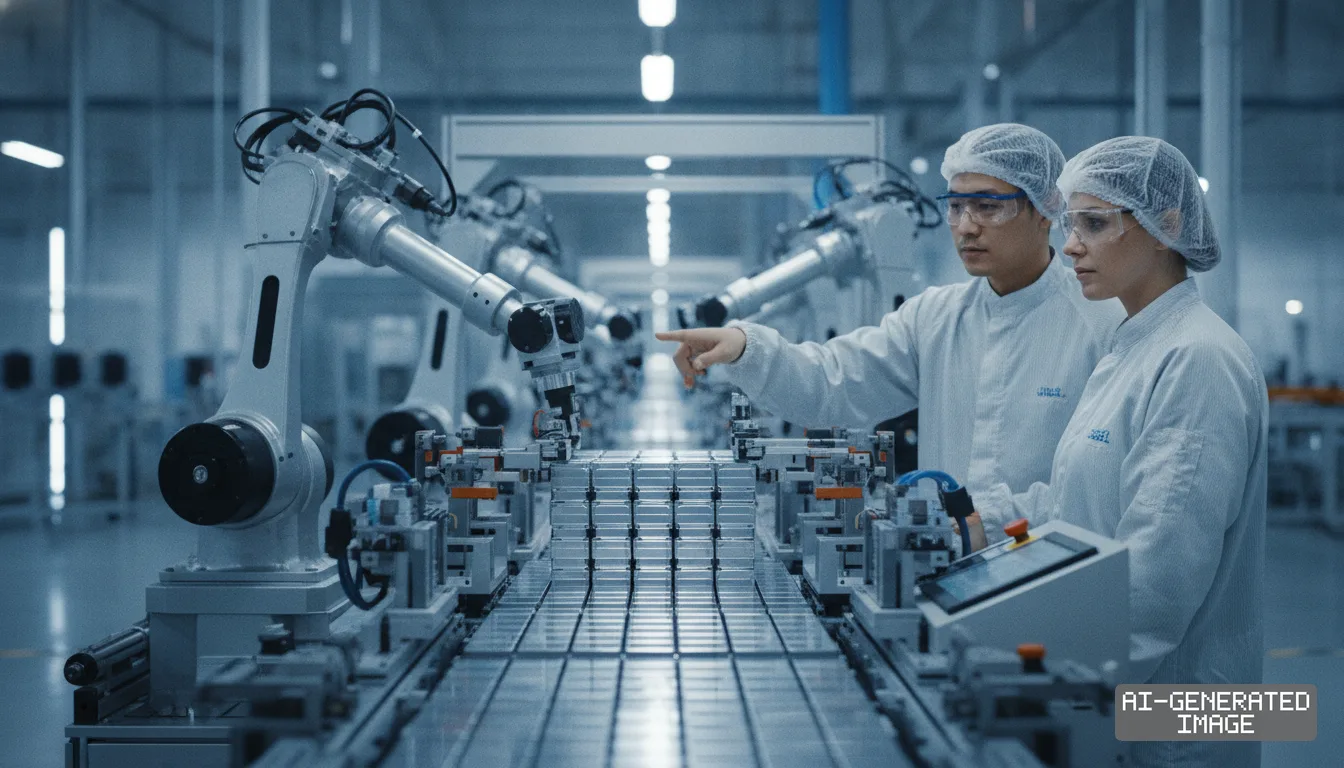
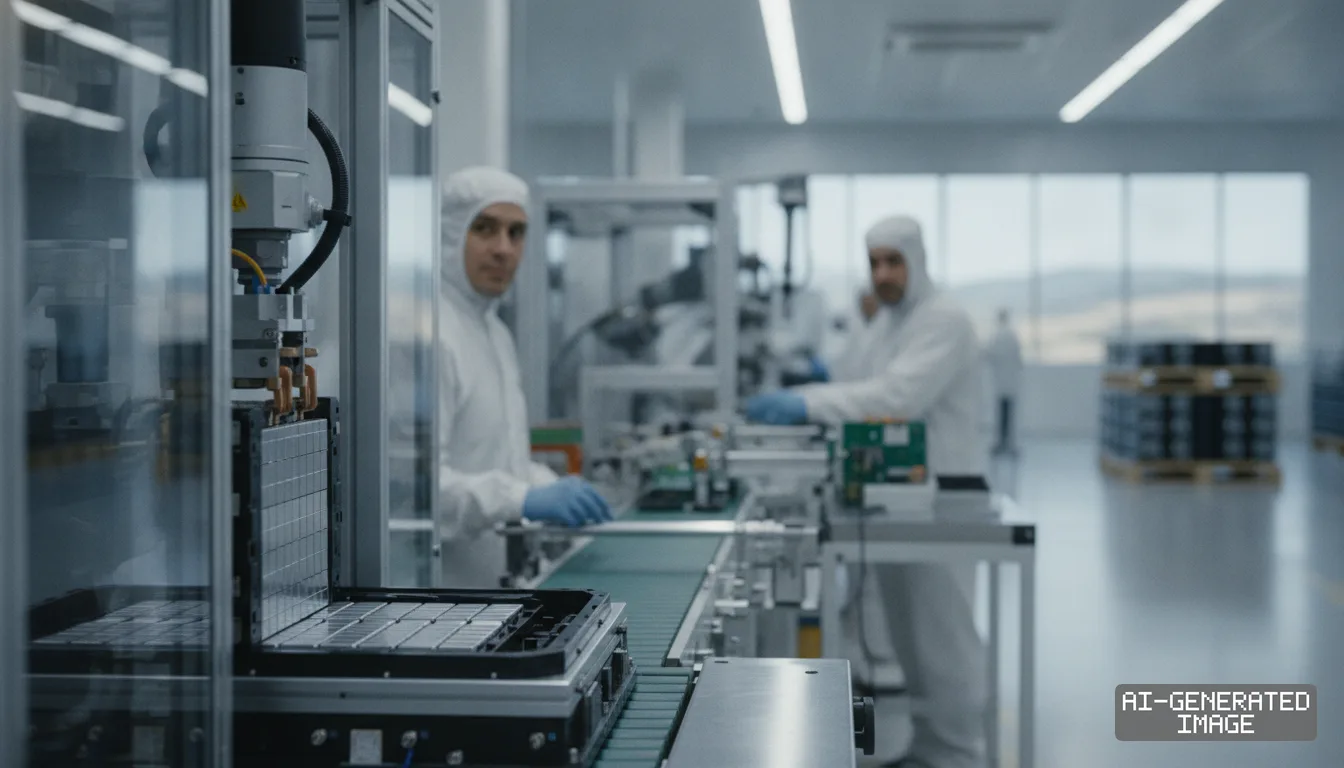
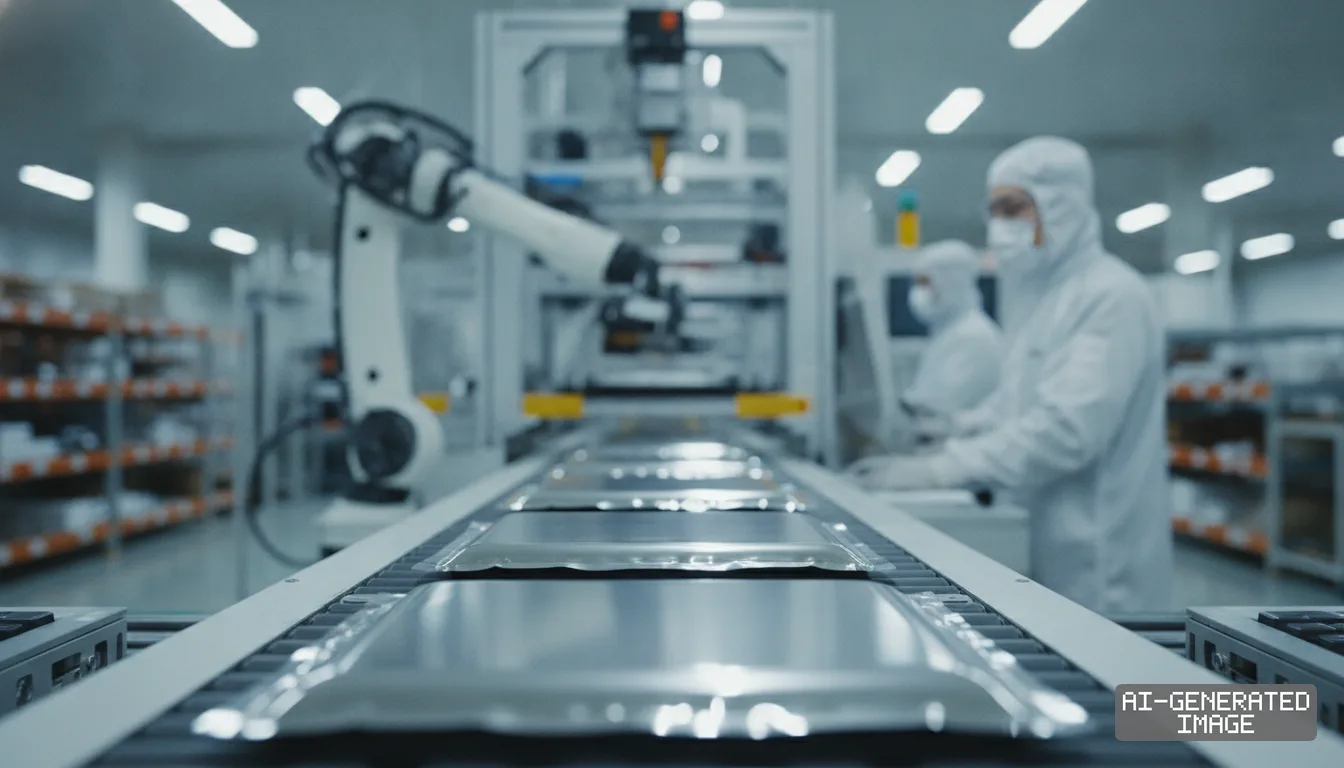
The Lin'an intelligent facility integrates automated welding, structural precision testing and digital control verification lines. China Battery Exchange designed the site to support continuous batch manufacturing for standardized station modules.
Kandi generated $57.1 million in total revenue during the first half of 2026. Management said commercial deliveries of heavy-truck swap stations will contribute meaningful revenue in the second half.
Kandi operates its primary manufacturing and corporate base in Jinhua, Zhejiang Province. The company expanded from personal electric vehicles into heavy commercial infrastructure during 2025.
The procurement agreement stems from a three-year strategic cooperation contract signed on Jan. 29, 2026. Under that agreement, China Battery Exchange became an approved equipment supplier for QIJI Energy.
Direct supplier relations between the two companies began in August 2025 under a master procurement framework. That agreement incorporated China Battery Exchange into CATL's global supply chain.
The supplier provides automated pack-handling machinery, structural gantries and motion control systems. It also provides on-site station assembly, operational commissioning and scheduled maintenance under warranty terms.
The company did not disclose the station count or the monetary value of the second batch order in its regulatory filings released on Sept. 28.
CATL operates its commercial vehicle swapping business through Times Qiji Green Energy Technology. The battery maker ended 2025 with more than 300 QIJI heavy-truck stations in active commercial service.
CATL develops its passenger vehicle swapping network under the separate Choco-Swap brand. The QIJI platform operates exclusively for commercial freight vehicles, using chassis-based swap mechanics rather than underbody passenger vehicle modules.
The rollout forms part of CATL's Ten Thousand Station Plan. The long-term program aims to establish 10,000 heavy-truck battery swap stations along major freight routes across China.
Commercial battery swapping decouples truck chassis ownership from traction battery assets. Under battery-as-a-service models, logistics fleets purchase electric tractors without batteries, reducing upfront equipment acquisition costs by roughly half.
Heavy commercial haulers require large amounts of energy storage to move freight. Standard battery packs for Class 8 trucks weigh several tons and demand prolonged plug-in charging intervals.
Fast charging for heavy commercial trucks can take between 40 and 80 minutes even on high-output DC chargers. Automated swapping stations replace depleted battery packs in less than five minutes.
Logistics operators run heavy electric rigs on high-frequency schedules between inland ports, coal mines and distribution terminals. Rapid pack replacement allows fleet managers to maintain vehicle uptime.
Mismatched pack form factors previously prevented shared infrastructure among competing truck builders. CATL designed the QIJI platform around standardized pack dimensions to service multiple commercial vehicle manufacturers.
Standardized mounting brackets and control interfaces allow compatible tractors from different brands to use the same automated lanes. Shared infrastructure lowers station construction costs across national highway corridors.
Mega-watt fast charging stations place severe sudden loads on local power distribution grids. Battery swap stations charge reserve packs steadily during off-peak hours, flattening electrical demand curves for grid operators.
Securing a second manufacturing order within 60 days of the first batch indicates rapid station deployment. The pace aligns with growing procurement by regional transport operators and state-backed logistics enterprises.
Chinese transport ministries have accelerated decarbonization mandates along high-density freight trunks. Provincial regulators increasingly require mining hubs, inland river ports and steel facilities to replace diesel tractor fleets.
Equipment suppliers building modular swap stations in China are evaluating expansion into neighboring markets. Emerging Asian logistics corridors in mining districts face identical electrical grid limitations and vehicle uptime requirements.
CATL aims to deploy approximately 900 heavy-truck swap stations nationwide by Dec. 31, 2026. The three-year strategic equipment supply framework between Kandi and QIJI Energy remains active through January 2029.
Impact map
How this development propagates across the region and out to global buyers.
| Event | Korea | China | Japan | Global impact |
|---|---|---|---|---|
| Heavy truck battery swap network deployment | Hyundai Motor assesses standard interoperability for electric commercial vehicles | Kandi and CATL accelerate station deployment toward 900-unit target by year-end | Commercial vehicle makers evaluate swap compatibility for mining and port haulage | Fleet operators reduce electric truck upfront capex by up to 50% through BaaS |
In this story
- Companies
- Kandi Technologies GroupCATL
- Tickers
- KNDI300750.SZ
- Exposed
- QIJI Energy
- Policy
- SubsidiesEconomic Security
- Impact
- Order BookSupply ChainCapex
Track every Subsidies development → Track every Economic Security development →
Related briefings
- US warns Ford over Chinese battery ties with CATL and Geely Also on CATL
- BYD confirms solid-state battery car test for 2027 rollout Also on CATL
- CATL opens direct online sales of 587Ah cells at $65 per kWh Also on CATL
- Volkswagen and Gotion commit $3.7B to European battery hubs Also on Order Book
Sources
Reporting
Confidence: medium — how we grade this
The documents behind this briefing are linked above. East Asia Brief produces its English text with AI assistance under human editorial review, and does not translate or republish other outlets' articles. See our methodology and AI policy. Spotted an error? Tell us.
The Morning Brief
What changed in Korean, Chinese and Japanese industry overnight — and what it means for your supply chain. One email, weekday mornings, US time. Free.
The Morning Brief is in preparation. Leave your address and we will write to you once — when the first issue is ready. Nothing before that.