CATL begins trial cell production at 100 GWh Hungarian site
The €7.34 billion Debrecen facility cleared environmental disputes to run its first two lines, challenging Korean cell makers across Central European supply chains.
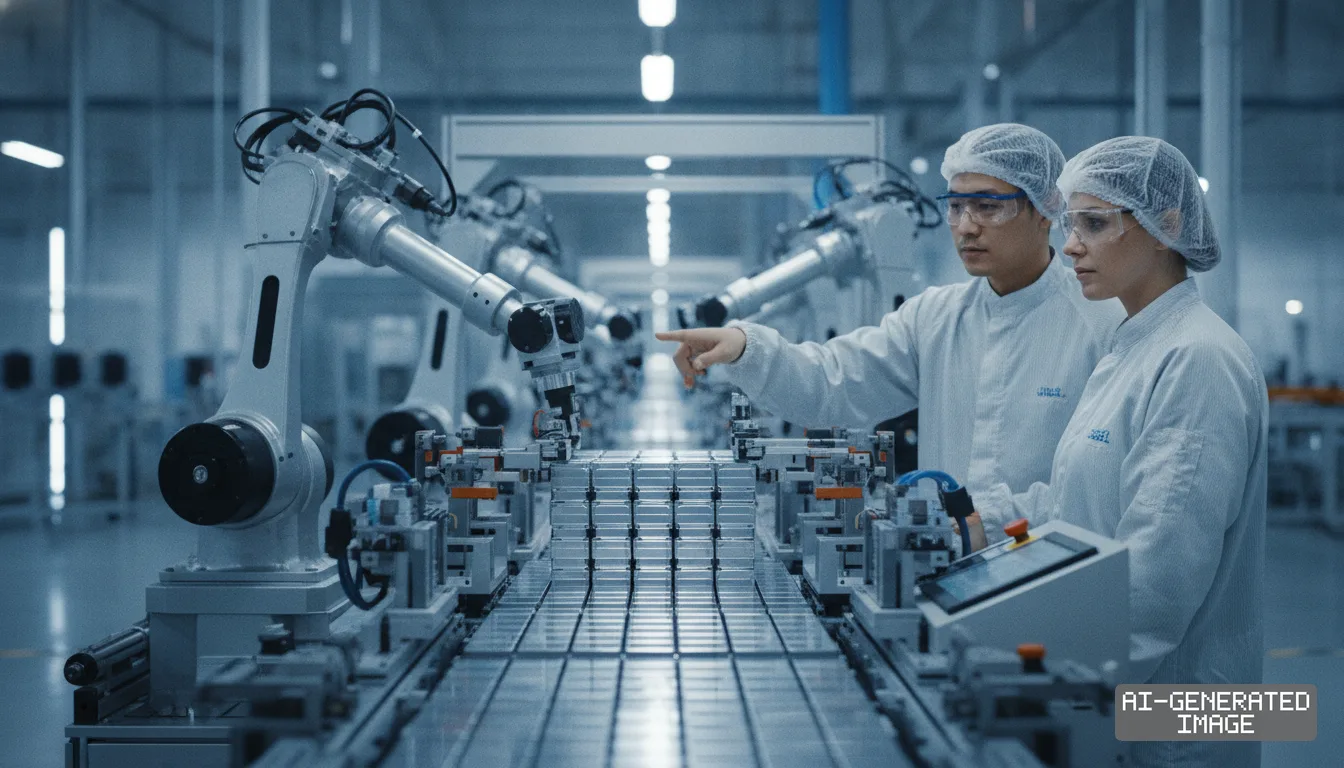
Contemporary Amperex Technology Co. Limited launched trial cell production Sept. 28, 2026, at its 100-gigawatt-hour Debrecen site in Hungary after regional authorities cleared environmental rectifications.
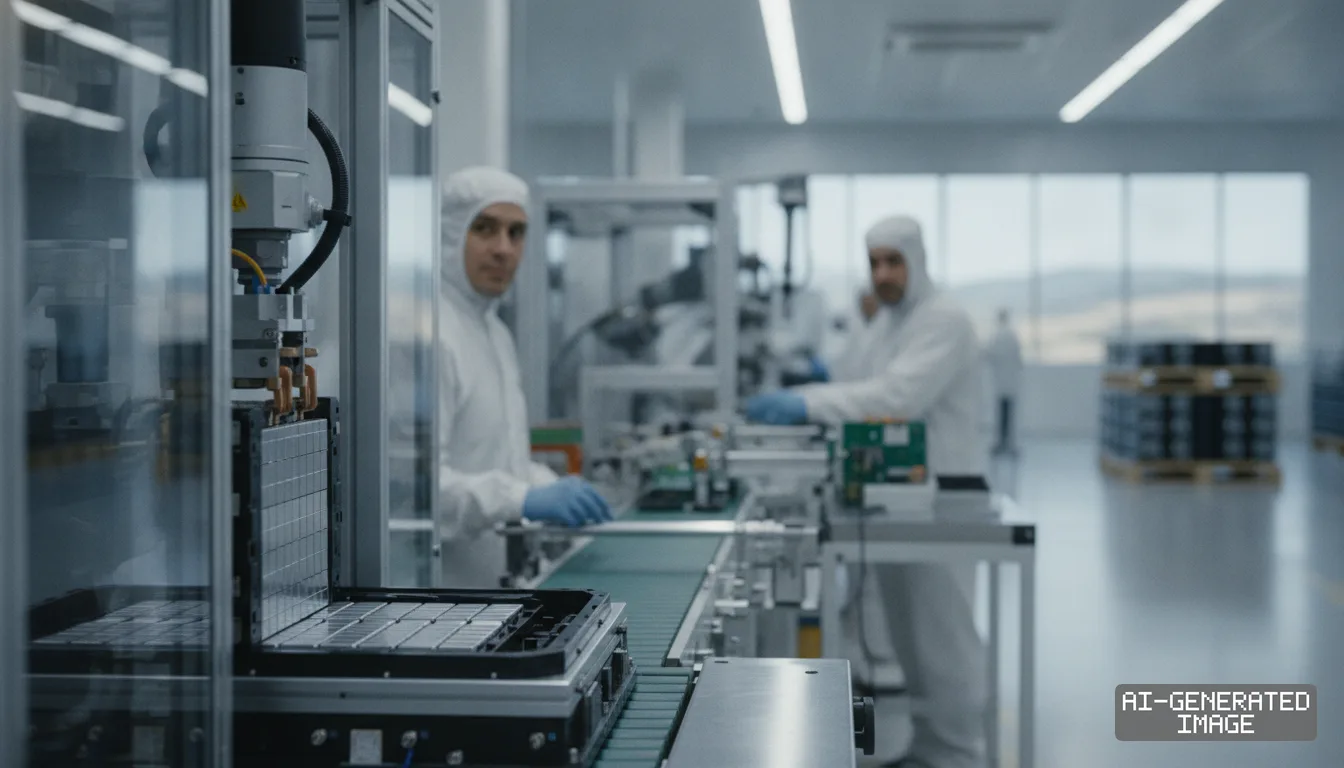
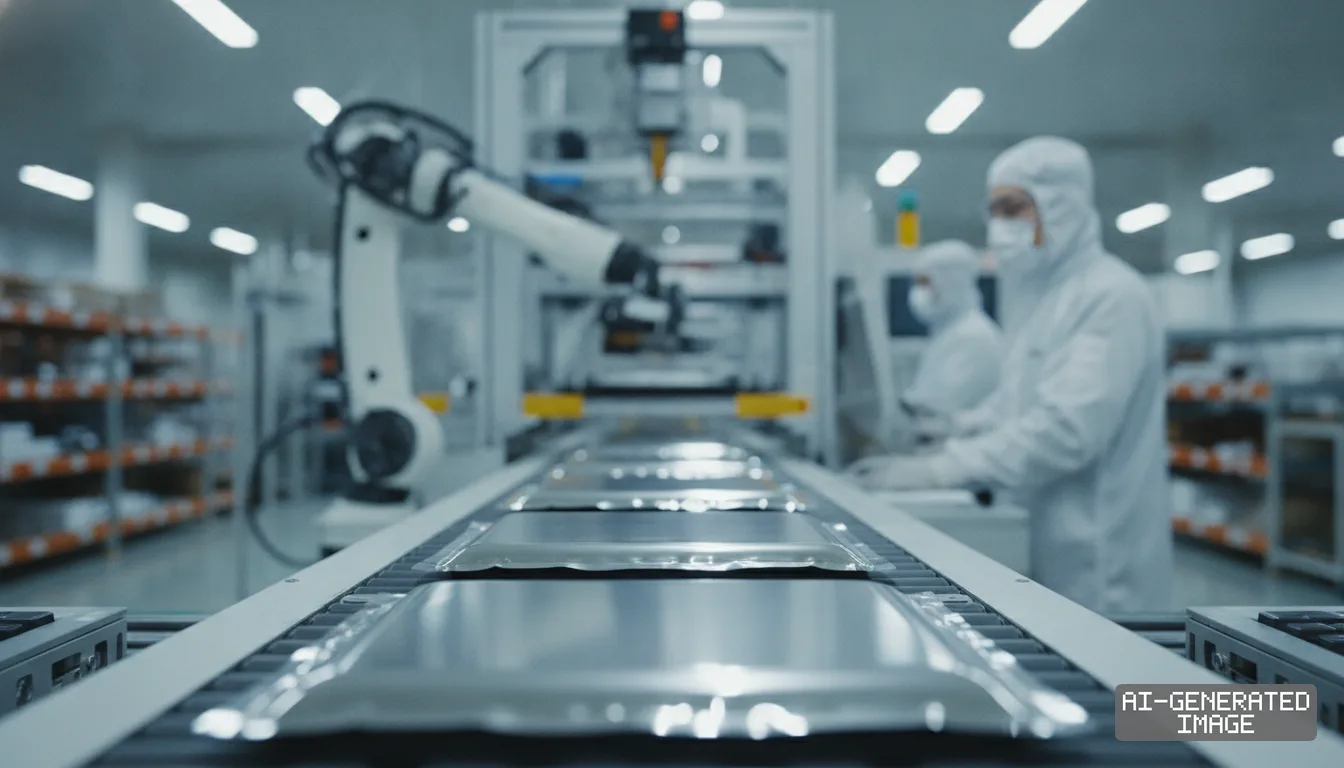
The Chinese battery maker activated two automated lines in its first cell building. That step marks CATL's transition from facility construction to live manufacturing inside the European Union.
The €7.34 billion ($8.1 billion) investment covers 221 hectares in eastern Hungary. Once fully completed, the 100-gigawatt-hour plant will represent CATL's largest production facility outside China.
The initial phase provides 34 gigawatt-hours of annual cell capacity. That volume represents roughly 12% of Europe's projected battery cell demand by 2028, directly challenging established regional suppliers.
Debrecen received its building occupancy permit in August 2026. The regulatory approval followed extensive technical reviews and remediation mandated by the Hajdú-Bihar County Government Office.
Hungarian authorities previously halted work in three production areas following workplace safety concerns. Those incidents involved occupational nickel exposure that affected nine facility technicians during equipment installation earlier this year.
Regional inspectors verified that CATL eliminated the safety hazards and fulfilled its integrated pollution prevention conditions. That clearance allowed the plant to secure authorization for testing.
The site has operated a modular assembly division since autumn 2024. CATL has delivered 537,000 battery modules from that facility to European car assembly plants to date.
The Debrecen complex sits adjacent to BMW's new vehicle manufacturing plant in Hungary. BMW selected CATL to supply next-generation cylindrical cells for its Neue Klasse electric-vehicle architecture.
Volkswagen Group also holds long-term procurement agreements tied to the Hungarian facility. The German automaker relies on external cell partners to supply its Central European vehicle lines.
The commissioning tests place direct competitive pressure on South Korean battery manufacturers. South Korean suppliers built an early manufacturing corridor across Central Europe over the past decade.
Samsung SDI operates roughly 40 gigawatt-hours of cell capacity at its plant in Göd, Hungary. The facility supplies prismatic lithium-ion batteries to BMW and other European automakers.
SK On runs 47.5 gigawatt-hours of combined capacity across its two plants in Komárom and Iváncsa. Those Hungarian sites represent more than 50% of the company's global operating capacity.
LG Energy Solution maintains 90 gigawatt-hours of manufacturing capacity in Wrocław, Poland. The Polish site accounts for approximately 40% of LG Energy Solution's total worldwide production footprint.
South Korean battery makers previously controlled more than 60% of European electric-vehicle cell capacity. CATL's local output threatens that dominant market share by lowering cross-border logistics overhead.
European automakers have pushed battery suppliers to localize cell production to avoid supply chain disruptions. CATL's Hungarian plant reduces lead times compared to imports from Chinese factories.
Localizing cell output also helps carmakers meet European Union rules on critical supply chain emissions. Transporting cells across continental rail corridors generates significantly lower carbon totals than maritime freight.
CATL already operates an operational 14-gigawatt-hour cell factory near Erfurt in central Germany. That plant achieved commercial volume in 2023 but lacks the scale required for mass-market vehicle programs.
Debrecen offers five times the footprint of Erfurt, providing room for cathode blending and recycling systems. CATL plans to build three distinct cell manufacturing halls across the site.
Engineers will use trial operations to calibrate deposition machines, laser welders and electrolyte filling systems. The process establishes quality control baselines before manufacturing teams package packs for road vehicles.
Environmental authorities require CATL to submit continuous air and water monitoring logs throughout the trial phase. The county agency will review the plant's baseline effluent data on Dec. 15, 2026.
The company must also demonstrate that its groundwater recycling loop meets municipal limits before commercial permits issue. Local civil groups continue to monitor aquifer extraction rates around the industrial zone.
The company has not published an exact date for the start of commercial series shipments, and Debrecen officials have not confirmed the initial delivery timetable for client automakers.
Technicians will continue running dry-room calibration batches on the two active production lines. Commercial cell qualification cycles typically require three to six months of uninterrupted trial runs.
Impact map
How this development propagates across the region and out to global buyers.
| Event | Korea | China | Japan | Global impact |
|---|---|---|---|---|
| CATL Debrecen trial operations | Samsung SDI and SK On face direct margin pressure across 87.5 GWh of Hungarian cell capacity | CATL secures EU manufacturing footprint to bypass maritime tariffs and supply European carmakers | Japanese equipment suppliers book calibration service contracts for Debrecen dry rooms | Central European automotive battery supply shifts toward localized Chinese tier-one cells |
In this story
- Companies
- Contemporary Amperex Technology
- Tickers
- 300750.SZ
- Exposed
- Samsung SDISK OnLG Energy SolutionBMWVolkswagen Group
- Policy
- Economic Security
- Impact
- Supply ChainCapexOrder Book
Track every Economic Security development →
Related briefings
- China Tightens Connected Vehicle Data Rules With Mandatory Local Sensor Scrubbing Also on BMW, Volkswagen Group
- CATL and Kuehne+Nagel agree on electric freight logistics Also on BMW, Contemporary Amperex Technology
- Volkswagen and Gotion commit $3.7B to European battery hubs Also on Volkswagen Group, SK On, LG Energy Solution
- German makers expand China capex despite EU de-risking rules Also on Volkswagen Group
Sources
Reporting
Confidence: medium — how we grade this
The documents behind this briefing are linked above. East Asia Brief produces its English text with AI assistance under human editorial review, and does not translate or republish other outlets' articles. See our methodology and AI policy. Spotted an error? Tell us.
The Morning Brief
What changed in Korean, Chinese and Japanese industry overnight — and what it means for your supply chain. One email, weekday mornings, US time. Free.
The Morning Brief is in preparation. Leave your address and we will write to you once — when the first issue is ready. Nothing before that.