Hyundai and SK On battery venture loses $78 million in quarter
HSBMA booked 15.7 billion won in third-quarter revenue from initial production, with factory ramp-up bringing nine-month losses to 157.5 billion won.
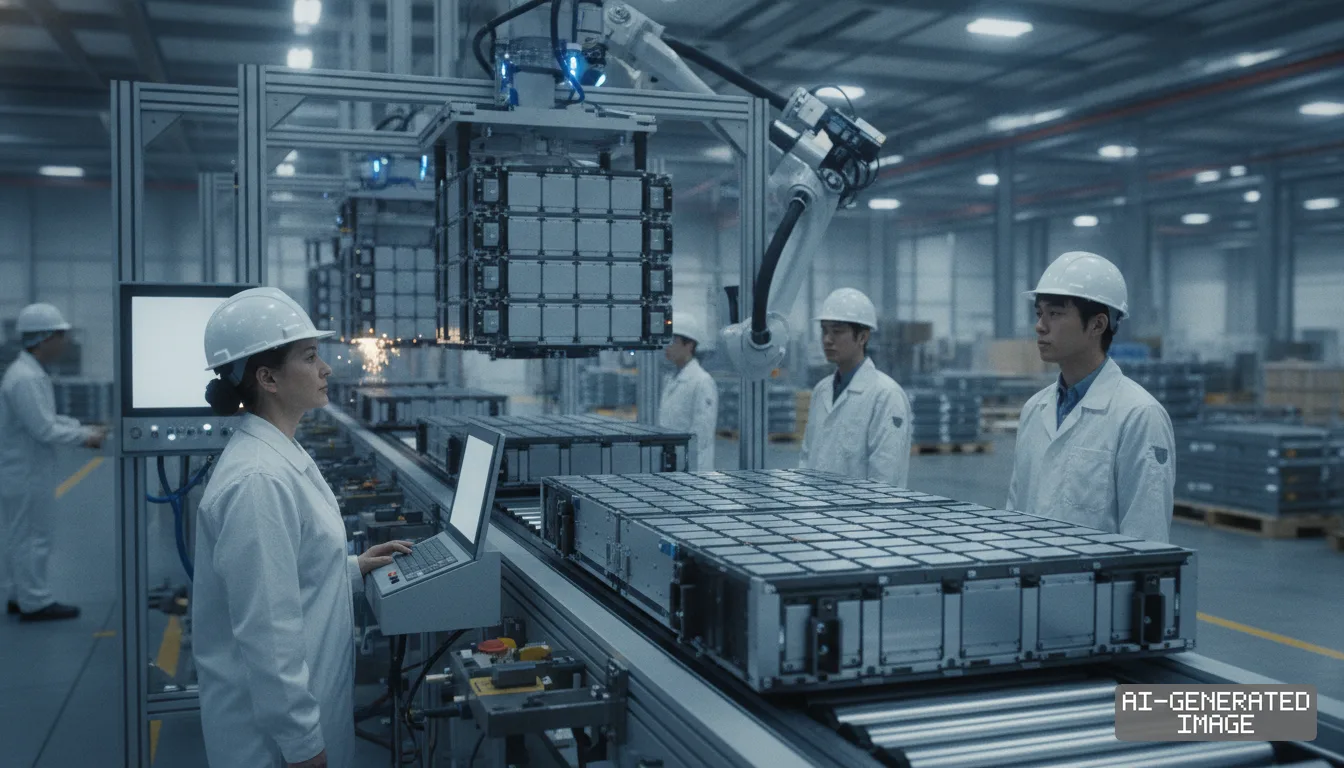
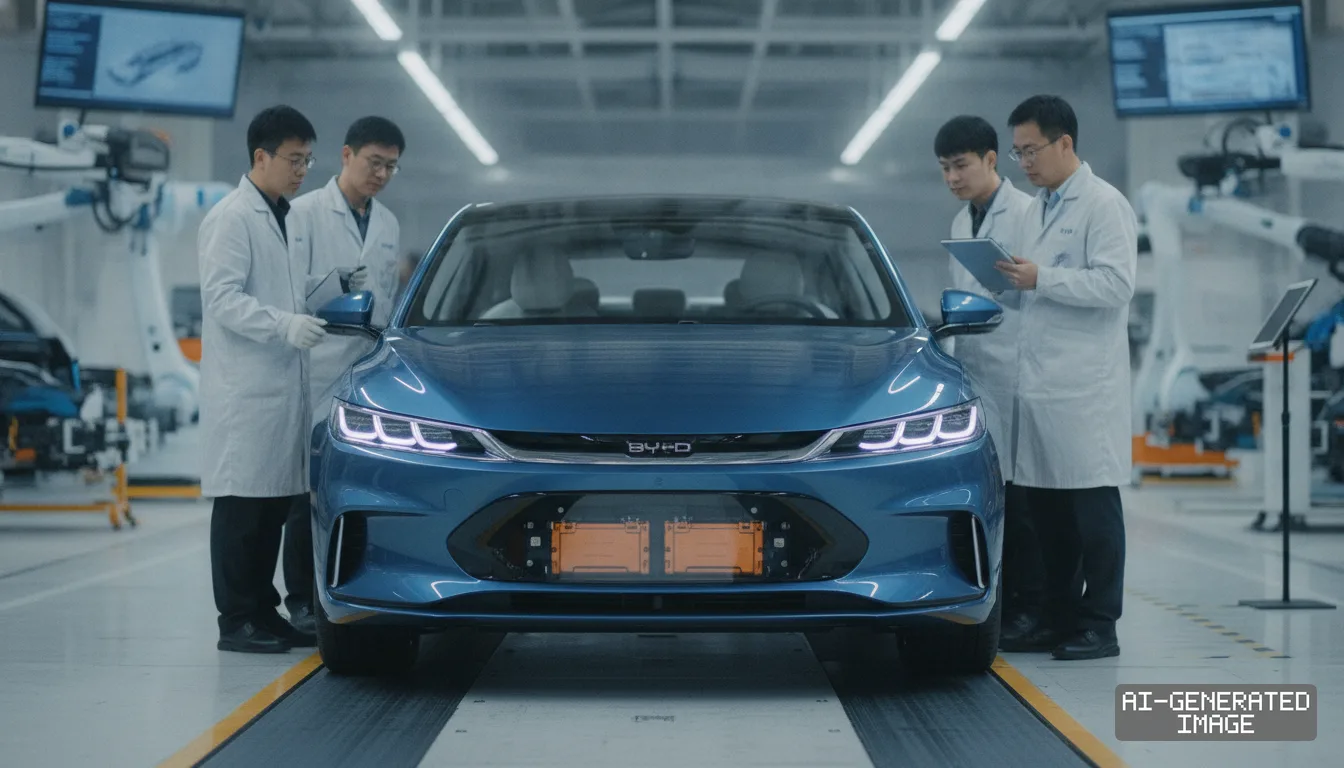
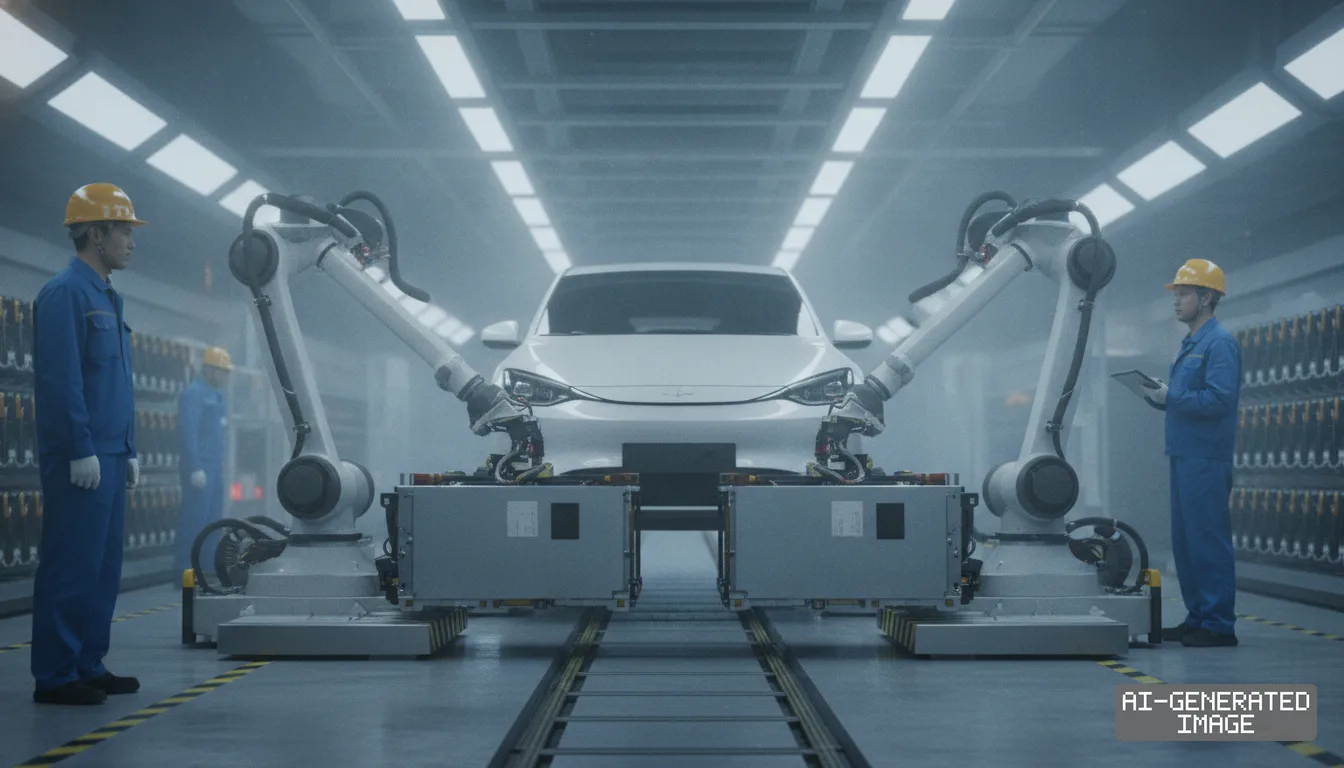
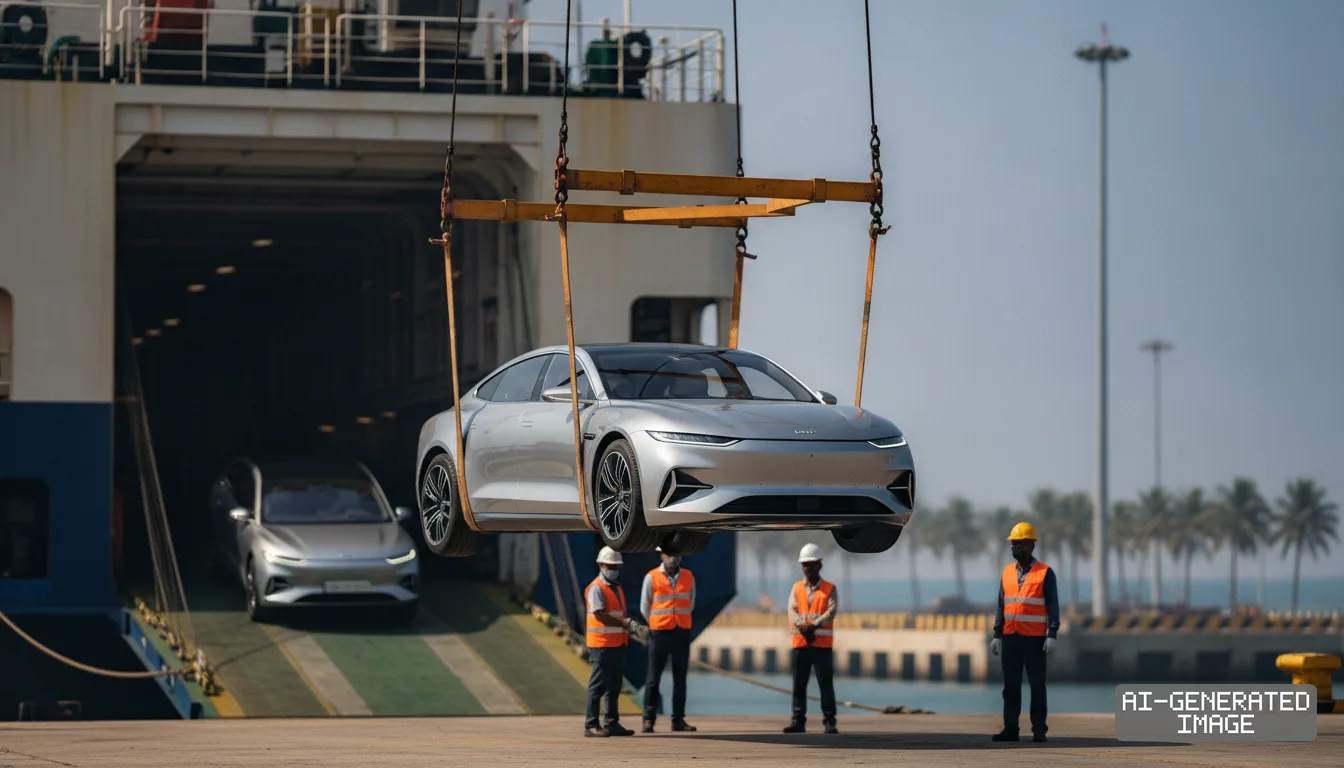
SK On and Hyundai Motor recorded a 108.4 billion won ($77.8 million) quarterly loss at their American battery joint venture on Nov. 18, 2026, as initial factory ramp-up costs mounted.
The venture, Hyundai SK Battery Manufacturing America (HSBMA) LLC, generated 15.7 billion won ($11.3 million) in revenue for the July-September quarter. That figure represented its first commercial turnover since construction began.
The quarterly deficit accounted for roughly 69% of the venture's cumulative nine-month loss of 157.5 billion won ($113.1 million). The project had generated zero revenue through the first half of the year.
Quarterly regulatory disclosures filed Nov. 16, 2026, with the Financial Supervisory Service showed cumulative sales reached 15.7 billion won. Losses during the first six months totaled 49.1 billion won before manufacturing began.
SK On and Hyundai Motor each hold a 50% equity stake in HSBMA LLC. Each company committed 1.633 trillion won ($1.17 billion) to establish the joint entity's 3.266 trillion won capital base.
The total capital expenditure for the Bartow County manufacturing campus in Georgia stands at $5 billion. The partners approved the investment in April 2023 to supply regional vehicle assembly plants.
The facility is engineered for an annual capacity of 35 gigawatt-hours of pouch-type battery cells. That output can power approximately 300,000 all-electric vehicles each year at full utilization.
Trial operations began in June 2026 before early commercial shipments started in July. Initial output supplied battery cells for Hyundai Motor's three-row electric sport utility vehicle, the Ioniq 9.
The joint venture ships finished battery cells directly to a regional plant operated by Hyundai Mobis. Hyundai Mobis packs the cells into modules for final assembly at the automakers' assembly lines.
Finished battery packs go to Hyundai Motor Group Metaplant America, a dedicated electric vehicle site in Bryan County, Georgia. The complex also plans to feed future electrified models under Kia and Genesis.
Fixed depreciation charges on the 6.5 trillion won physical installation drove the quarterly deficit, according to company financial disclosures. Equipment amortisation begins immediately once production lines enter commercial service.
Stabilizing yield rates on high-speed pouch cell equipment created additional overhead during the summer quarter. Early manufacturing waste and calibration scrap typically keep cell costs elevated during initial line acceleration.
Limited manufacturing volume constrained revenue recognition during the three-month period. Sales of 15.7 billion won could not offset baseline operating overhead, utilities and technical payroll.
Softer retail demand for pure battery-electric models across the North American market compounded the ramp-up challenge. Automakers have moderated production schedules to balance dealership inventories.
Hyundai Motor reported US wholesale electric vehicle sales of 11,832 units in the third quarter. That volume marked a 32.3% drop from the same period last year.
Kia experienced a similar contraction across its American distribution network over the same months. The company shipped 9,717 electric vehicles to American dealerships, reflecting a 36.9% year-on-year decrease.
The joint plant represents a central pillar of SK On's broader North American manufacturing footprint. SK On also operates two wholly owned battery plants in Commerce, Georgia.
Those Commerce facilities hold a combined annual manufacturing capacity of 21.5 gigawatt-hours. SK On has shifted portions of that capacity to support Hyundai vehicles ahead of Bartow County's full ramp.
Local cell production allows Hyundai Motor Group vehicles to comply with consumer tax incentive provisions under federal rules. Domestic assembly requirements mandate regional sourcing for battery cells and modules.
The parent companies plan to increase factory line speed sequentially through 2027 as vehicle assembly lines expand. That schedule depends on consumer order volumes for newly launched utility models.
The regulatory filings do not state whether the 108.4 billion won loss reflects an operating shortfall or a net deficit after financing items, because disclosure tables differ between the parent groups.
The Bartow County facility continues commercial trial runs on its initial cell lines, with full commercial throughput across all installed lines scheduled for review by late 2027.
Impact map
How this development propagates across the region and out to global buyers.
| Event | Korea | China | Japan | Global impact |
|---|---|---|---|---|
| HSBMA battery fab ramp-up | SK On and Hyundai Motor shoulder 108.4 billion won Q3 joint venture loss | CATL faces locked-out US EV platforms under regional content rules | Panasonic sees slower North American EV battery capacity expansion pace | Automakers absorb initial depreciation headwinds as EV adoption curve slows |
In this story
- Companies
- SK OnHyundai Motor Company
- Tickers
- 005380.KS
- Exposed
- Hyundai MobisKia
- Policy
- Local Content RulesTax Credits
- Impact
- CapexCost StructureSupply Chain
Track every Local Content Rules development → Track every Tax Credits development →
Related briefings
- Hyundai accelerates Ulsan EV conversion to balance export lines with global demand Also on Hyundai Mobis, Hyundai Motor Company, SK On
- Audi plans $4B Georgia plant, challenging Hyundai suppliers Also on Hyundai Motor Company, Kia, Local Content Rules
- UBS maps 87 humanoid robot suppliers across hardware tiers Also on Hyundai Mobis, Cost Structure
- South Korea faces 70% foreign reliance on humanoid robot parts Also on Hyundai Mobis, Cost Structure
Sources
Reporting
Confidence: medium — how we grade this
The documents behind this briefing are linked above. East Asia Brief produces its English text with AI assistance under human editorial review, and does not translate or republish other outlets' articles. See our methodology and AI policy. Spotted an error? Tell us.
The Morning Brief
What changed in Korean, Chinese and Japanese industry overnight — and what it means for your supply chain. One email, weekday mornings, US time. Free.
The Morning Brief is in preparation. Leave your address and we will write to you once — when the first issue is ready. Nothing before that.