CATL tests show 14-year-old LFP cells retain 85% storage capacity
Teardown data from the 63-megawatt-hour Zhangbei demonstration facility confirms over 6,000 completed cycles, adding a decade to commercial battery life models.
Contemporary Amperex Technology Co., Limited confirmed Nov. 28, 2026 that lithium iron phosphate cells operated continuously for 14 years retain 85% of their initial capacity, supporting a further decade of grid storage.
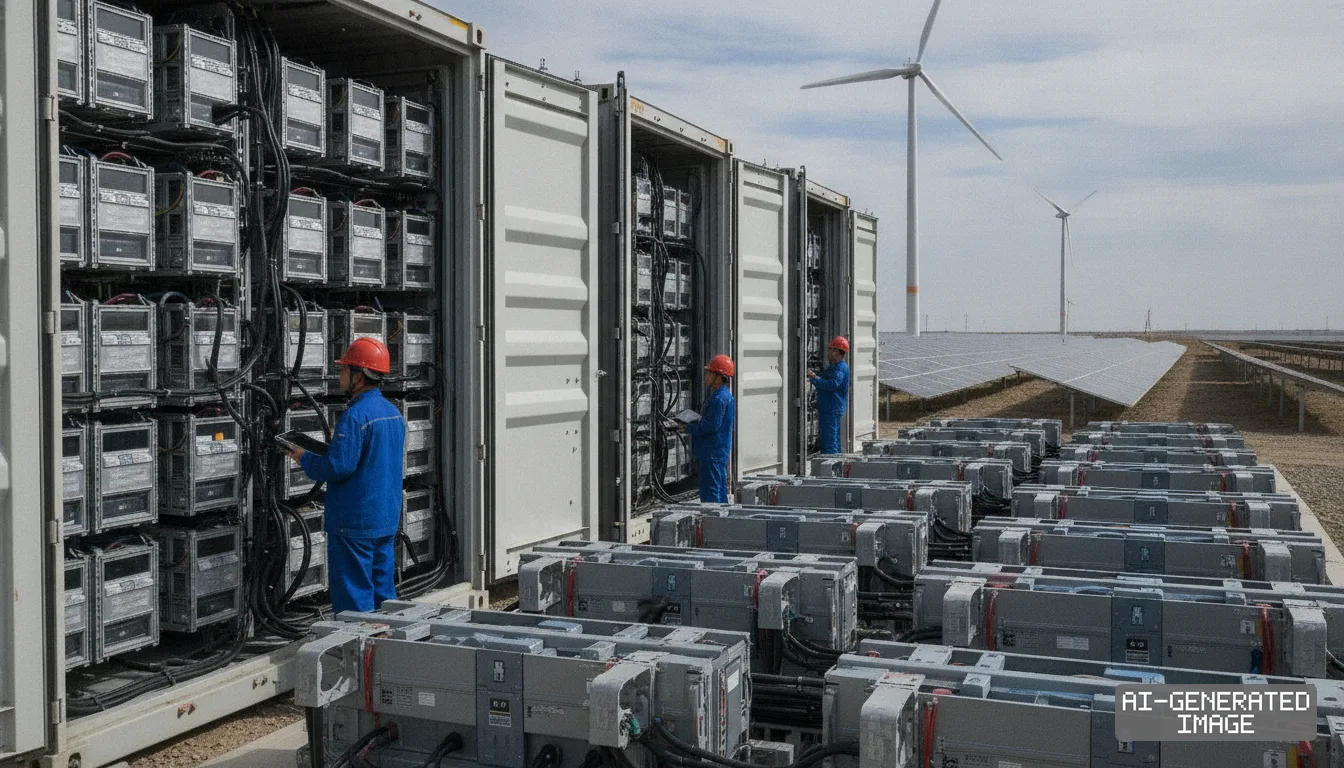
The tested cells operated at the 63-megawatt-hour Zhangbei National Wind and Solar Energy Storage and Transmission Demonstration Project in Hebei Province from December 2011 until their retirement in June 2025.
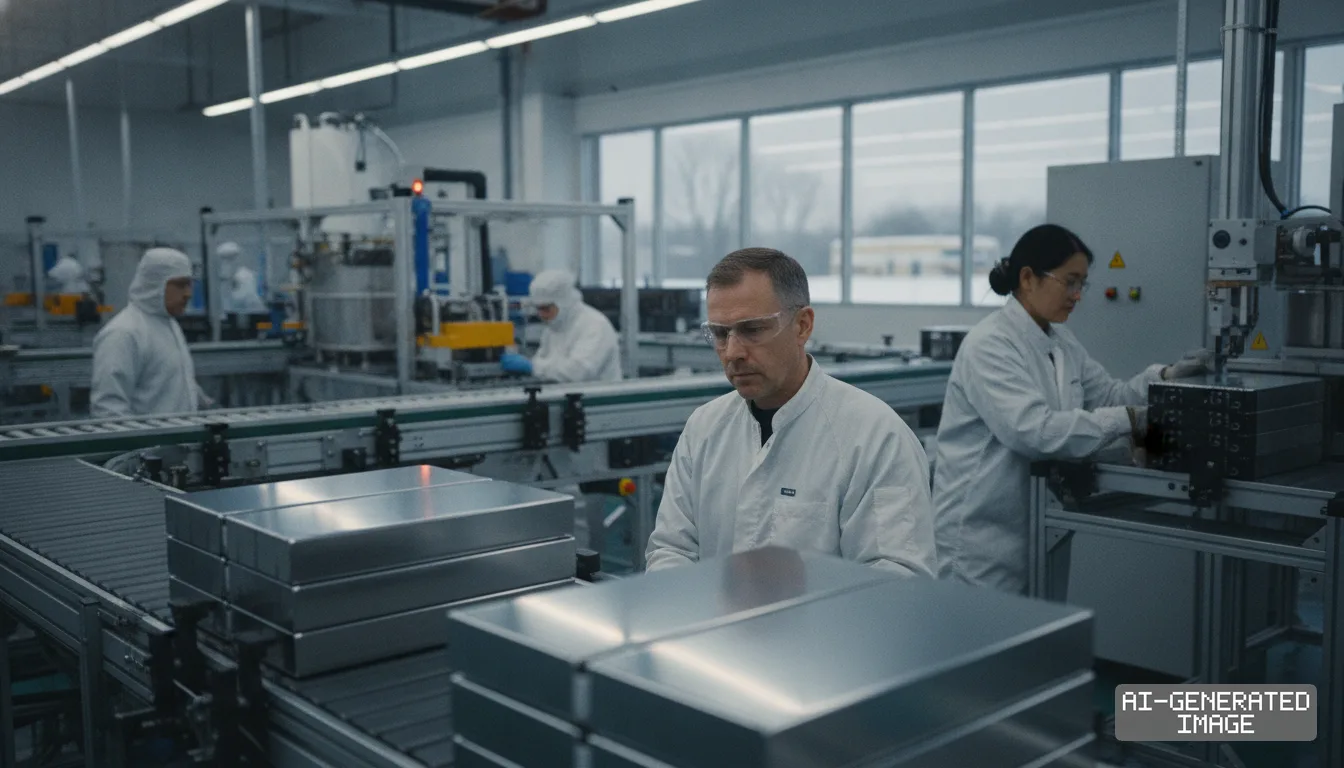
Technicians retrieved more than 50 prismatic cells for laboratory teardown after 13 years and six months of continuous service. The cells delivered 85% residual state of health while completing more than 6,000 cycles without replacement.
Microscopic examination showed that the cathode and anode layers maintained structural alignment, the company said. Lithium intercalation — the charging step where lithium ions insert into electrode lattices — operated without noticeable graphite degradation.
CATL evaluated that the recovered units can complete roughly 1,000 additional charge-discharge cycles. That remaining capability provides approximately 10 years of secondary operation in commercial behind-the-meter or auxiliary storage systems.
CATL reported 423.7 billion yuan ($61.2 billion) in revenue in 2025 and held a 36.8% global market share in electric vehicle batteries, while leading global energy storage shipments for five consecutive years.
Energy storage project planners historically modeled lithium-ion operational lifespans at eight to 10 years. Capital expenditure budgets routinely factored in complete cell replacement cycles before reaching the 15-year operational threshold.
Extending operational cell durability to 24 total years lowers the annual depreciation burden for stationary storage operators. System integrators can stretch capital amortisation schedules across more operating hours, lowering levelised electricity storage costs.
Second-life battery integrators often struggle with high testing and sorting costs when handling discarded cells. Predictable degradation curves allow refurbishers to bypass deep disassembly and deploy uniform modules directly into secondary enclosures.
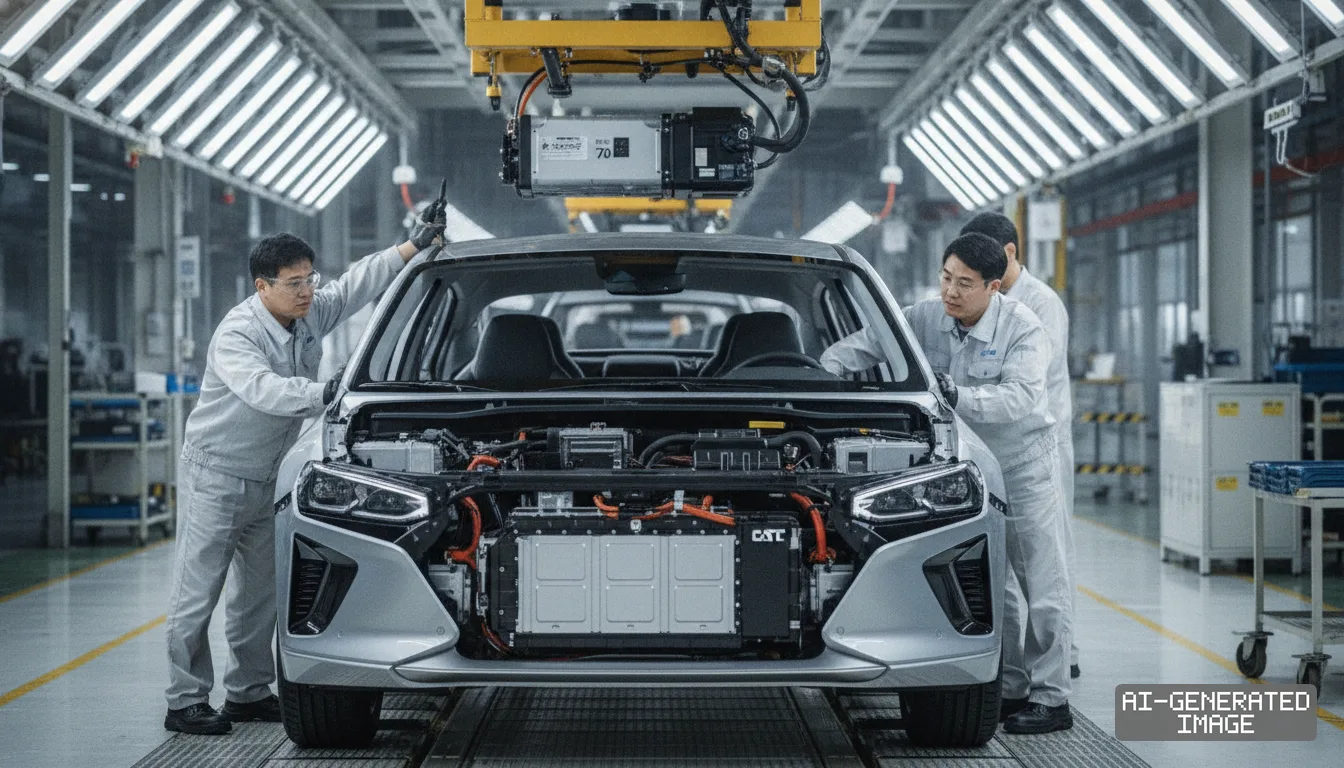
Automakers that rely on lithium iron phosphate (LFP) chemistry face direct financial implications from residual value revisions. Tesla sources CATL prismatic LFP cells for standard-range Model 3 and Model Y vehicles across Chinese and European production lines.
High battery degradation has long driven rapid depreciation in secondhand electric vehicles. Proof that LFP cells retain 85% capacity over 14 years provides salvage valuation floors for fleet operators and vehicle leasing companies.
The verified lifespan widens the durability gap between LFP and nickel-manganese-cobalt (NMC) chemistries in grid installations. NMC batteries deliver higher volumetric energy density but degrade faster under frequent depth-of-discharge cycles in harsh climates.
The Zhangbei installation subjected cells to extreme operational stress in northern China, where winter temperatures drop below minus 30 degrees Celsius. Operating uninterrupted through the 2022 Winter Olympics proved environmental stability under utility load.
Four domestic battery manufacturers originally supplied cells to the Zhangbei project in 2011. CATL noted that its units were the only ones that avoided mid-lifecycle replacement or early retirement during the demonstration run.
Commercial storage operators earn revenue by shifting cheap off-peak solar power to high-tariff evening hours. Adding 10 years of auxiliary service allows facility owners to generate project revenue long after initial hardware debt amortises.
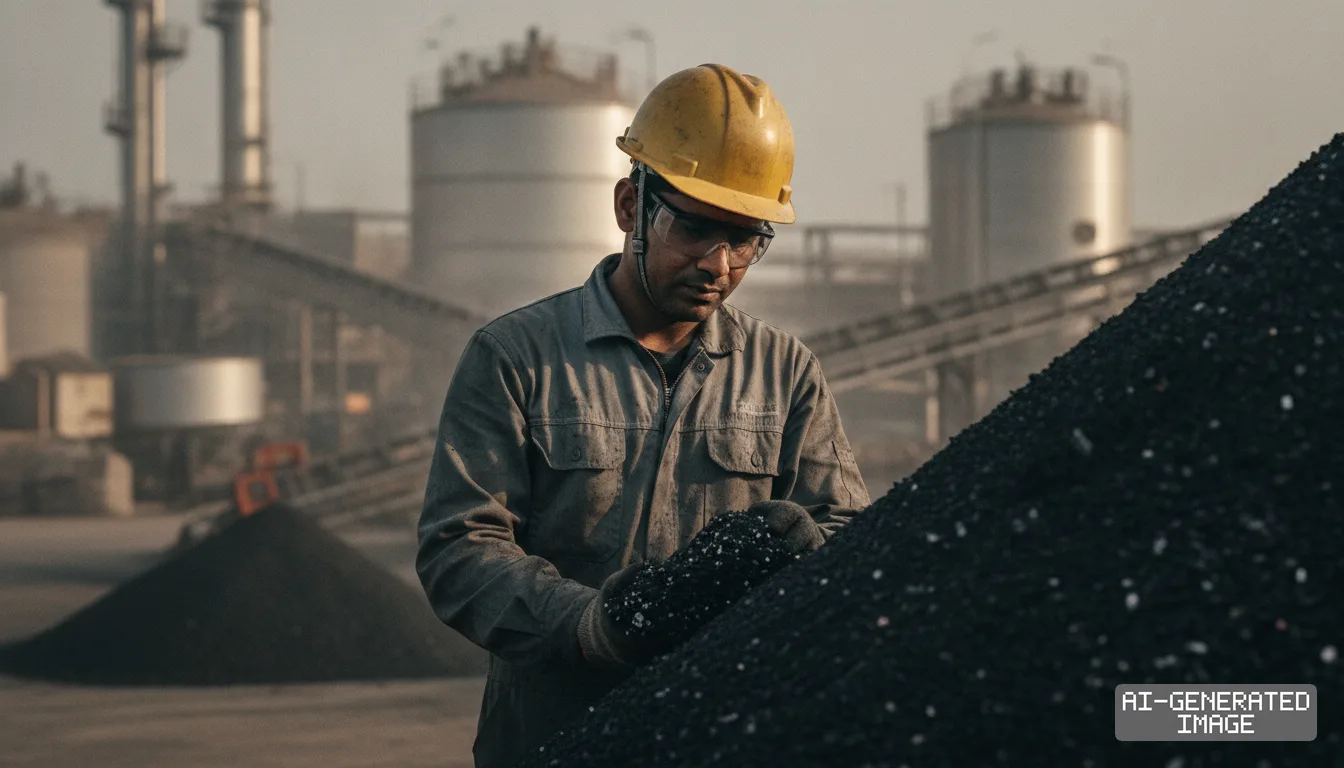
Extended operational lifespans delay the volume of battery material entering hydrometallurgical recycling pipelines. Cathode refiners that rely on scrap black mass must adjust procurement schedules as utility cells remain energized in secondary roles.
Standard-setting bodies in China plan to conclude field evaluations of decommissioned renewable demonstration facilities by Dec. 31, 2026. The review will compile baseline degradation standards for utility grid storage.
National technical committees review draft safety guidelines for repurposed stationary battery modules in Beijing on Jan. 15, 2027. The framework sets mandatory testing thresholds before retired cells enter commercial microgrids.
The company notice does not disclose specific reconditioning costs per kilowatt-hour, and published laboratory files do not include performance data from electric passenger cars driven under variable road conditions over the same 14-year period.
All 50 recovered test cells remain stored at CATL's central testing center in Ningde, where technicians continue calendar-aging measurements under controlled ambient conditions.
Impact map
How this development propagates across the region and out to global buyers.
| Event | Korea | China | Japan | Global impact |
|---|---|---|---|---|
| 14-year LFP cell longevity confirmation | LG Energy Solution and Samsung SDI face margin pressure against low-cost, 24-year LFP grid storage | CATL cements dominance in utility-scale BESS with verified 24-year operational lifecycle | Panasonic and stationary integrators face revised balance-sheet depreciation standards for commercial cells | Storage project developers lower levelised cost of electricity projections by extending asset amortisation windows |
In this story
Track every Standards development →
Related briefings
- Nio prepares 60-kWh battery pack for Firefly compact EV brand Also on CATL, Standards, Pricing
- CATL wins exclusive battery deal with eVTOL firm Blue Vector Also on CATL, Standards
- Li Auto and EV rivals drop CATL to build in-house batteries Also on CATL, Pricing, Cost Structure
- POSCO locks in three-year lithium supply deal with CATL through 2028 Also on CATL, Pricing
Sources
Reporting
Confidence: high — how we grade this
The documents behind this briefing are linked above. East Asia Brief produces its English text with AI assistance under human editorial review, and does not translate or republish other outlets' articles. See our methodology and AI policy. Spotted an error? Tell us.
The Morning Brief
What changed in Korean, Chinese and Japanese industry overnight — and what it means for your supply chain. One email, weekday mornings, US time. Free.
The Morning Brief is in preparation. Leave your address and we will write to you once — when the first issue is ready. Nothing before that.