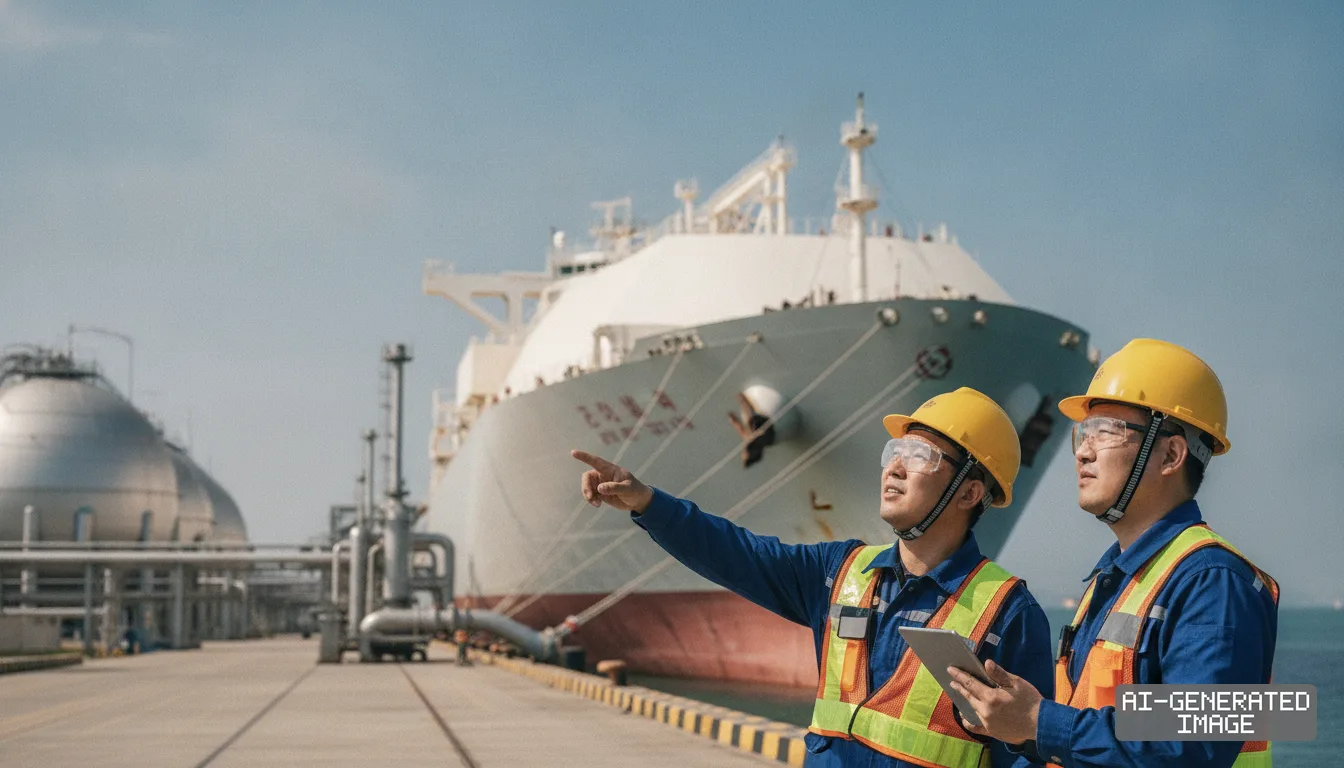
POSCO locks in three-year lithium supply deal with CATL through 2028
Initial deliveries under the agreement have already begun moving from the South Korean group's upstream refining operations to the Chinese battery maker.
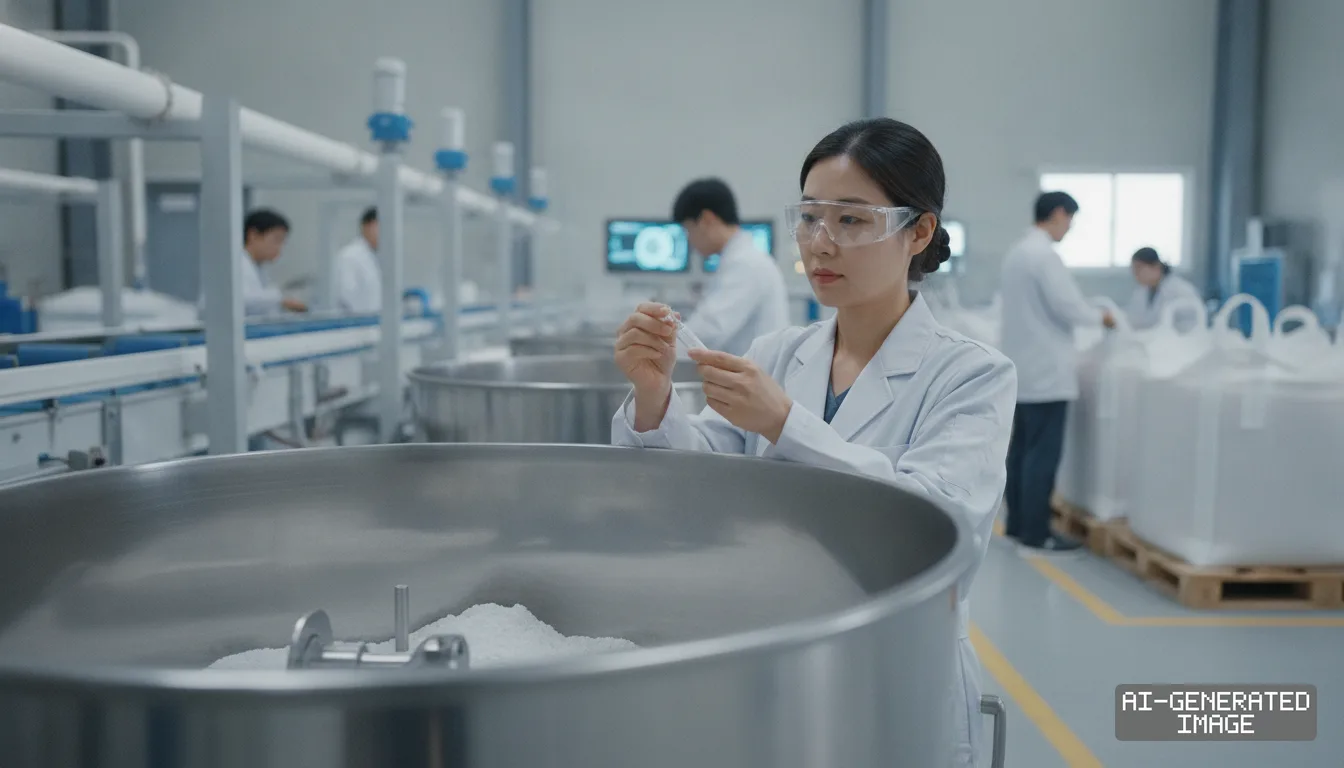
POSCO Group signed a three-year lithium supply contract with Contemporary Amperex Technology Co. on Nov. 18, 2026, securing an offtake channel with the world’s largest electric vehicle battery manufacturer.
The agreement covers deliveries of battery-grade lithium from 2026 through 2028. Initial shipments under the contract have already begun moving through commercial channels, POSCO Group said.
CATL holds approximately 40% of the global electric vehicle battery market. The Chinese manufacturer supplies finished cells to automakers operating inside China and across major overseas assembly hubs.
The company did not disclose the contracted tonnage or total dollar value, citing commercial confidentiality clauses, and submitted no regulatory filing on the transaction to the Korea Exchange.
The transaction connects South Korea's primary mineral refiner directly to China's dominant cell manufacturer. It provides guaranteed utilization for POSCO Group's newly completed extraction facilities during an extended cyclical downturn in critical mineral spot markets.
The supply agreement advances the corporate reorganization outlined in July 2026 by POSCO Holdings Chairman Chang In-hwa. Under that plan, the group designated strategic resources, steel and energy as three core operating pillars.
POSCO Group committed 16.7 trillion won ($11.9 billion) in capital spending across those divisions through 2028. It earmarked 2.4 trillion won ($1.7 billion) specifically for expanding raw lithium refining capacity.
The company aims to reach 173,000 metric tons of annual lithium production capacity by 2033. That volume would position the South Korean conglomerate among the five largest lithium producers worldwide.
POSCO Group has concentrated its resource development on the Hombre Muerto salt flat in Argentina. The group acquired the brine tenement in 2018 to establish an integrated refining network independent of Chinese mine concessions.
A commercial brine plant with an annual capacity of 25,000 tons of lithium hydroxide entered operation at the site in 2024. POSCO Group finished upstream construction on a second plant at the Argentine salt flat in October 2026.
That second Argentine facility produces 23,000 tons of lithium carbonate precursor per year. The intermediate chemical will feed a finishing refinery scheduled for commercial startup in South Korea in 2027.
Once the domestic finishing refinery opens, POSCO Group will operate 50,000 tons of annual brine-based lithium hydroxide production capacity. The group also processes hard-rock ore through POSCO Pilbara Lithium Solution in Gwangyang.
The Gwangyang plant operates an annual conversion capacity of 43,000 tons of lithium hydroxide. Australian miner Pilbara Minerals owns an 18% stake in the joint venture, supplying 315,000 tons of spodumene concentrate each year.
Securing CATL as an offtake counterparty gives the South Korean supplier insulation against soft spot pricing. Battery-grade lithium carbonate and hydroxide prices have dropped more than 80% from their late-2022 peaks across Asian exchange bourses.
The contract also reveals a pragmatic division in East Asian battery supply chains. Western subsidy frameworks restrict Chinese components, but South Korean raw material processors continue expanding commercial ties with Chinese manufacturers for non-US sales channels.
The agreement follows a separate domestic supply arrangement with battery maker SK On signed earlier this year. POSCO Group also finalized an industrial processing partnership with China-based cathode precursor specialist Ronbay Group.
For CATL, sourcing contracted chemical volume from South Korea widens its procurement base outside mainland domestic brine and lepidolite mines. It protects cell production schedules from domestic Chinese environmental crackdowns on low-grade mineral processing.
The official announcement does not confirm which specific POSCO refinery supplies the material, nor does it specify the pricing formula tied to international metal exchange benchmarks.
POSCO Group said it will review additional offtake structures with global automotive manufacturers and cell producers as its secondary Argentine capacity ramps toward commercial volume through late 2027.
Impact map
How this development propagates across the region and out to global buyers.
| Event | Korea | China | Japan | Global impact |
|---|---|---|---|---|
| POSCO-CATL 3-year lithium supply contract | POSCO secures baseload utilization for Gwangyang and Argentine lithium hydroxide refineries | CATL diversifies raw lithium procurement with high-grade South Korean refined feedstock | Japanese cell makers face strengthened supply integration between top Korean refiners and Chinese rivals | EV battery supply chains bifurcate between IRA-compliant US channels and flexible Asian raw material networks |
In this story
- Companies
- POSCO HoldingsCATL
- Tickers
- 005490.KS300750.SZ
- Exposed
- Pilbara MineralsSK OnRonbay Group
- Impact
- Supply ChainOrder BookPricing
Related briefings
- POSCO Chairman Urges Australia Critical Minerals Alliance to Diversify Supply Also on Pilbara Minerals, POSCO Holdings, SK On
- Posco Holdings starts direct lithium extraction test runs for Korean cathode lines Also on Pilbara Minerals, Posco Holdings
- POSCO Future M profit rebounds 23% as cathode shipments rise Also on POSCO Holdings, SK On, Pricing
- EcoPro Innovation invests $40 million in Argentine lithium site Also on POSCO Holdings, SK On, Order Book
Sources
Primary documents
Reporting
Confidence: high — how we grade this
The documents behind this briefing are linked above. East Asia Brief produces its English text with AI assistance under human editorial review, and does not translate or republish other outlets' articles. See our methodology and AI policy. Spotted an error? Tell us.
The Morning Brief
What changed in Korean, Chinese and Japanese industry overnight — and what it means for your supply chain. One email, weekday mornings, US time. Free.
The Morning Brief is in preparation. Leave your address and we will write to you once — when the first issue is ready. Nothing before that.