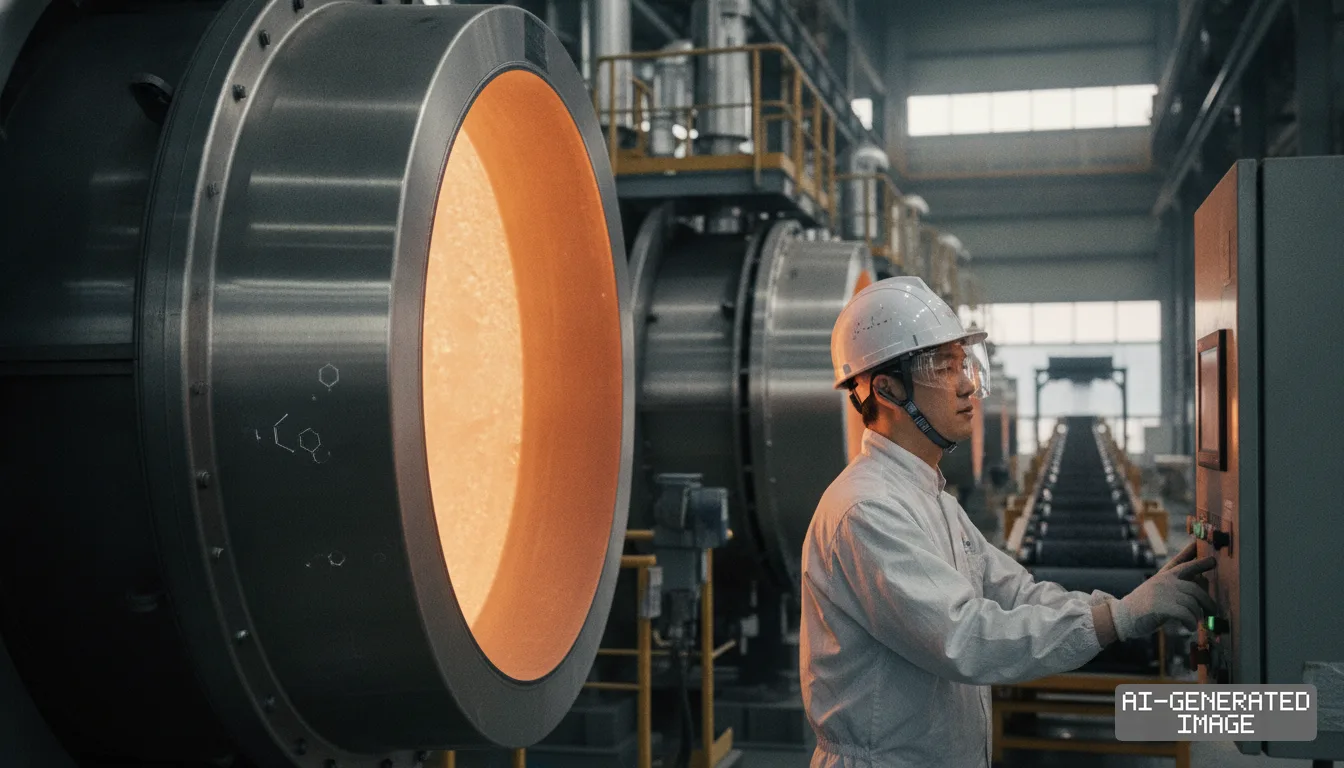
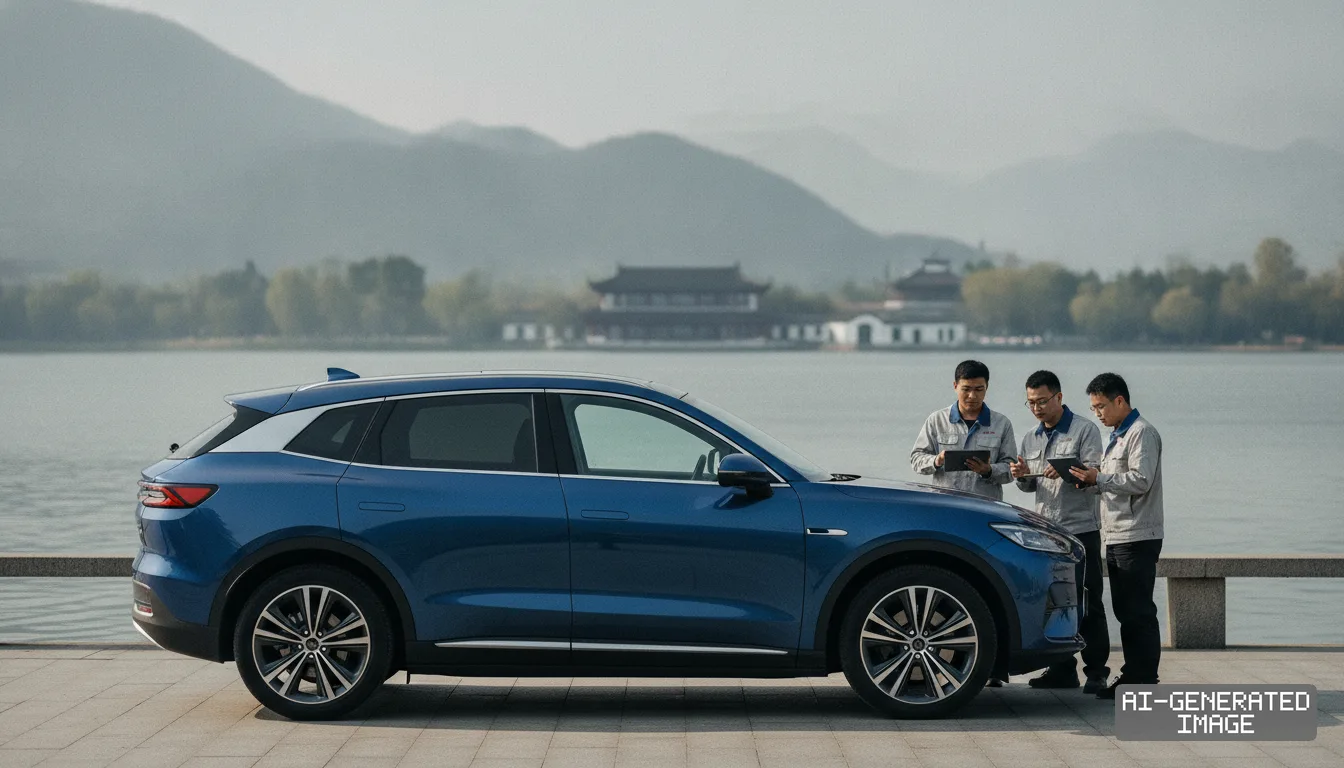
CATL launches dual-battery truck system as fleet demand rises
The Tianxing II architecture pairs swappable chassis packs with fixed backup units, lowering operating costs by 460,000 yuan over three years across highway logistics routes.
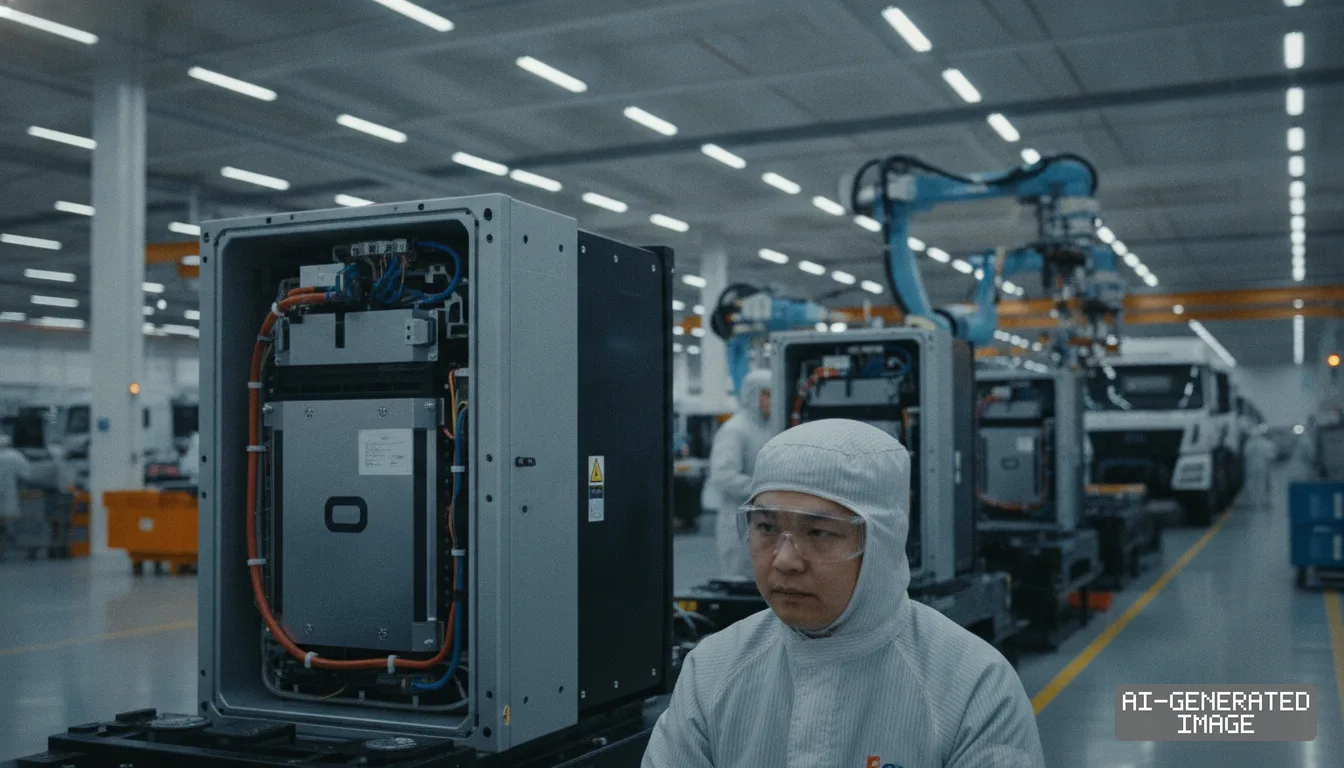
Contemporary Amperex Technology Co., Limited rolled out commercial terms on Oct. 23, 2026 for its dual-electric truck battery system, securing initial fleet agreements for 13,000 heavy commercial vehicles.
The deployment targets long-haul highway transport, where diesel propulsion still dominates operating balance sheets. Electrification in heavy transport has lagged passenger cars due to persistent battery weight penalties and charging delays.
Electric heavy trucks reached 50.28% of total monthly commercial rig sales in China in September. CATL supplies over 70% of that market, with more than 430,000 electric heavy trucks operating on its cells.
The Tianxing II powertrain relies on an all-electric dual-pack layout rather than a combustion generator. The configuration decouples energy storage into two separate onboard battery systems that operate independently to supply traction power.
A primary swappable battery pack mounts directly beneath the truck chassis. CATL built the swappable unit in two standardized sizes, offering 432 kilowatt-hours for 3,800-millimeter wheelbases and 513 kilowatt-hours for 4,200-millimeter frames.
Fleet operators lease the chassis-mounted pack under a battery-as-a-service model. That structure removes the pack purchase price from vehicle capital expenditures and lowers upfront fleet acquisition costs.
A secondary 77-kilowatt-hour battery pack sits permanently behind the vehicle cab. That auxiliary unit serves as an onboard range extender, supporting 3C fast charging to replenish power during short roadside stops.
Conventional swap trucks return to stations with 30% remaining charge because drivers fear running empty. That practice limits usable depth of discharge to 70%, leaving significant leased energy capacity unspent on each dispatch cycle.
The auxiliary pack provides reserve electricity that allows drivers to drain the swappable unit down to 5% capacity. Usable depth of discharge expands beyond 95%, the company said.
The powertrain switches electricity supply between the two battery packs within milliseconds when the primary unit empties. The automatic transfer prevents torque drops and maintains highway cruising speed, the company said.
Depleted chassis batteries swap out in five minutes at automated network stations. The mechanical replacement procedure achieves a 99.99% first-time locking success rate during field operations, the company said.
CATL estimated the system saves fleet owners over 460,000 yuan ($68,700) across three years compared with running diesel rigs. The estimate assumes 100,000 annual operating kilometers on intercity cargo routes.
Under the updated billing model, fleet operators pay only for the net electricity drawn from stations. Freight carriers retain financial credit for electricity generated by onboard regenerative braking, cutting rental fees by up to 20%.
CATL infrastructure subsidiary QIJI Energy operates five national highway swap corridors. Those routes have logged more than five million cumulative kilometers of heavy commercial service, the company said.
Heavy tractor trucks reached 64.48% electric sales penetration in September, outpacing broader commercial vehicle categories. Rising diesel fuel expenses and tightening carbon accounting rules have accelerated line-haul fleet conversion.
Chassis battery swapping standardizes pack dimensions across competing truck assemblers. Universal pack hardware enables third-party truck builders to use the same physical swap stations without modifying mechanical locking pins.
The official launch notice did not name the fleet operators that signed the 13,000 commercial vehicle agreements. CATL also withheld the cell chemistry and stand-alone retail price for the cab-mounted unit.
QIJI Energy plans to expand its operational heavy-truck swap network to 900 stations nationwide by Dec. 31, 2026. The network is scheduled to reach 2,000 operating locations across trunk freight corridors during 2027.
Impact map
How this development propagates across the region and out to global buyers.
| Event | Korea | China | Japan | Global impact |
|---|---|---|---|---|
| Commercial dual-battery freight launch | LG Energy Solution and Samsung SDI face higher entry barriers in China heavy commercial segments | CATL locks in 13,000-unit initial orders while expanding QIJI swap network to 900 stations by Dec. 31, 2026 | Commercial diesel engine exporters face eroding market share as China tractor electric penetration hits 64.48% | Road freight operators gain 460,000 yuan three-year TCO advantage over conventional diesel fleets |
In this story
- Companies
- Contemporary Amperex Technology Co. Limited
- Tickers
- 300750.SZ
- Exposed
- QIJI Energy
- Policy
- Standards
- Impact
- Cost StructureCapexSupply Chain
Track every Standards development →
Related briefings
- Kandi wins second CATL heavy-truck battery swap station order in China Also on QIJI Energy
- CATL Clears Battery Passport Trial Ahead of 2027 EU Mandate Also on Contemporary Amperex Technology Co. Limited, Standards
- CATL targets mid-2027 for first sodium-ion battery deliveries in Chile Also on Contemporary Amperex Technology Co. Limited, Cost Structure
- CATL warns China EV price war triggers batch battery defects and safety hazards Also on Contemporary Amperex Technology Co. Limited, Cost Structure
Sources
Reporting
Confidence: medium — how we grade this
The documents behind this briefing are linked above. East Asia Brief produces its English text with AI assistance under human editorial review, and does not translate or republish other outlets' articles. See our methodology and AI policy. Spotted an error? Tell us.
The Morning Brief
What changed in Korean, Chinese and Japanese industry overnight — and what it means for your supply chain. One email, weekday mornings, US time. Free.
The Morning Brief is in preparation. Leave your address and we will write to you once — when the first issue is ready. Nothing before that.