BYD evaluates Argentina lithium battery plant for EV export
Argentine Foreign Minister Pablo Quirno confirmed talks in Singapore with Executive Vice President Stella Li to assess cell production and storage systems under national mining rules.
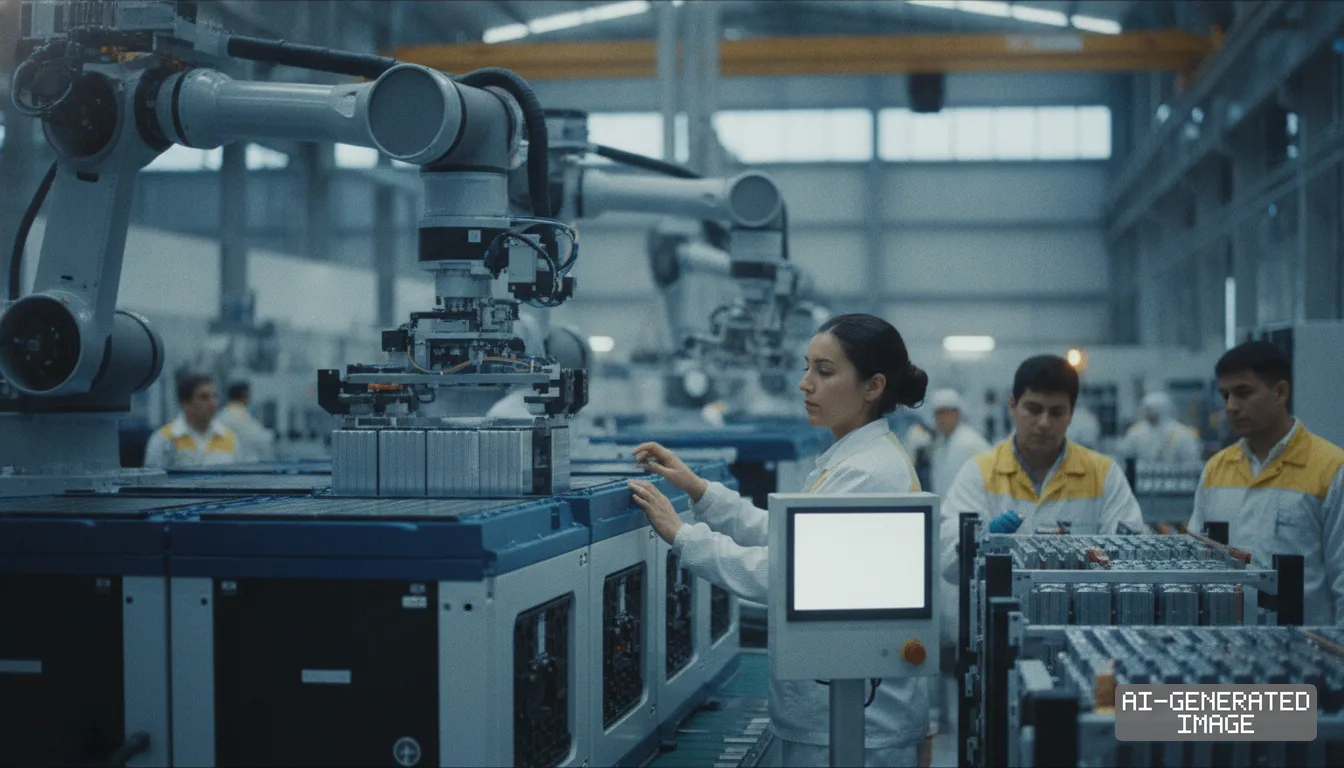
Argentine Foreign Minister Pablo Quirno said Oct. 8 that BYD Company is evaluating plans to build a lithium battery and energy storage manufacturing plant in Argentina.
Quirno announced the talks after meeting BYD Executive Vice President Stella Li in Singapore. The discussions addressed cell production for Argentina's domestic vehicle market and regional export channels.
Neither the Argentine government nor BYD published an estimated capital expenditure figure or nameplate production capacity for the site. Official disclosures did not include a financing structure or provincial site selection.
BYD established a commercial presence in Argentina in October 2025. The company operates 21 dealerships across the country under an import distribution structure.
The automaker delivered between 10,000 and 12,000 electric and plug-in hybrid passenger vehicles to Argentine buyers through October. Those vehicles entered through ocean ports as fully assembled imports from factories in China.
Argentina forms part of South America's Lithium Triangle alongside Chile and Bolivia. The country holds roughly 20% of global lithium brine resources across salt flats in Jujuy, Salta and Catamarca provinces.
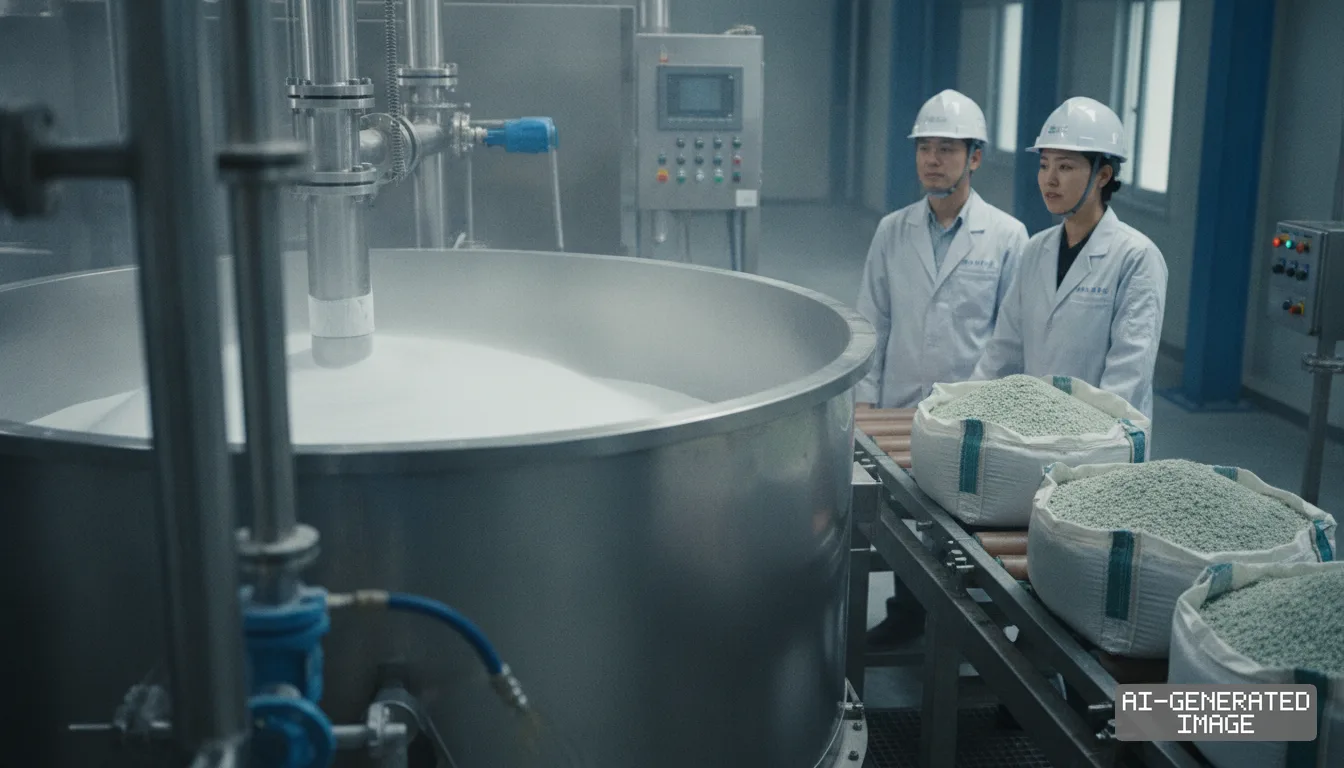
Upstream extraction across the Argentine Puna plateau yields technical-grade and battery-grade lithium carbonate. The country currently possesses no commercial manufacturing facilities that process that chemical output into finished battery cells.
Quirno said any future manufacturing facility would operate under President Javier Milei's investment and mining framework. The regime offers 30-year tax stability and customs duty exemptions for capital commitments exceeding statutory minimum thresholds.
Li addressed lithium procurement during the Beijing Auto Show in April. She said BYD would purchase Argentine lithium carbonate directly if extraction costs and local market prices remained commercially competitive.
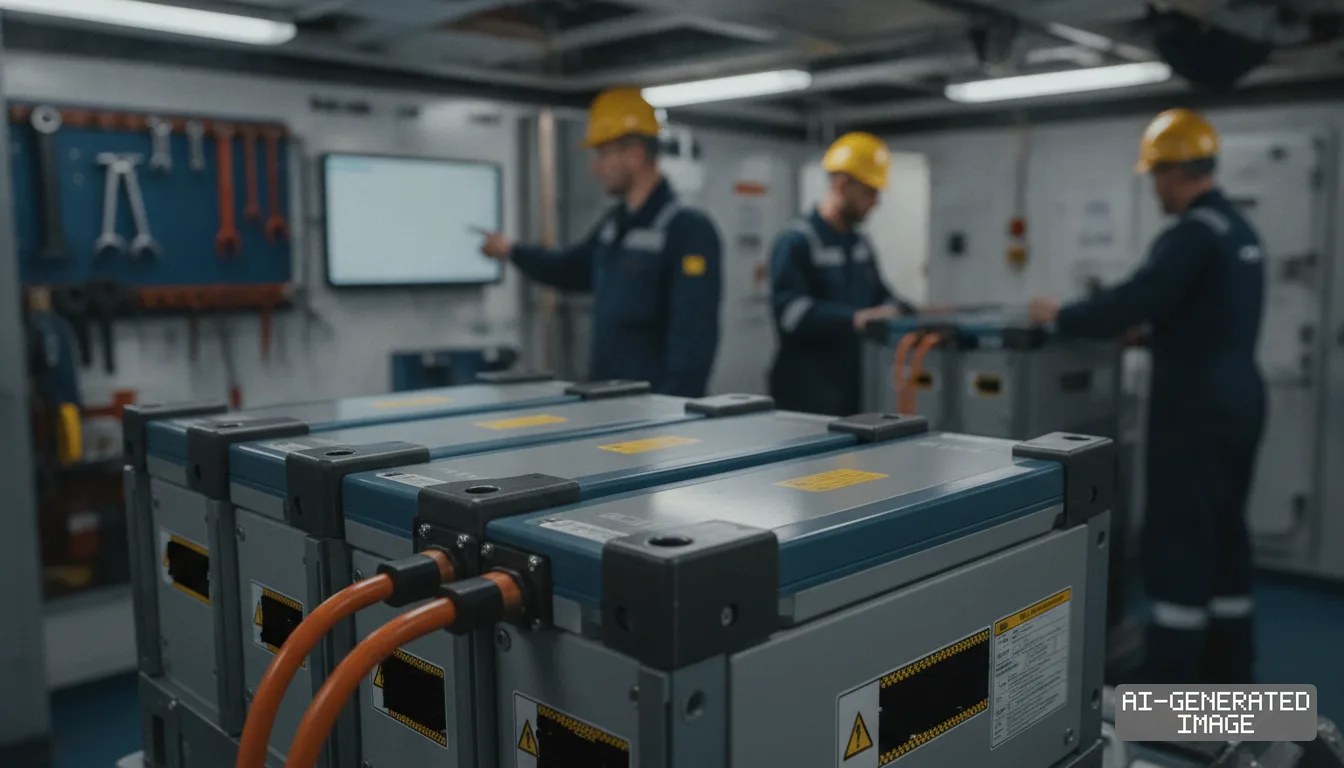
BYD manufactures lithium iron phosphate cells for passenger vehicles and stationary utility installations. The chemistry requires lithium carbonate as its primary metal input, avoiding nickel and cobalt refining entirely.
Transporting battery chemicals from South American brine operations to assembly plants in China requires multi-week transpacific voyages. Refining and packaging lithium cells within Argentina would place cell assembly directly beside chemical extraction basins.
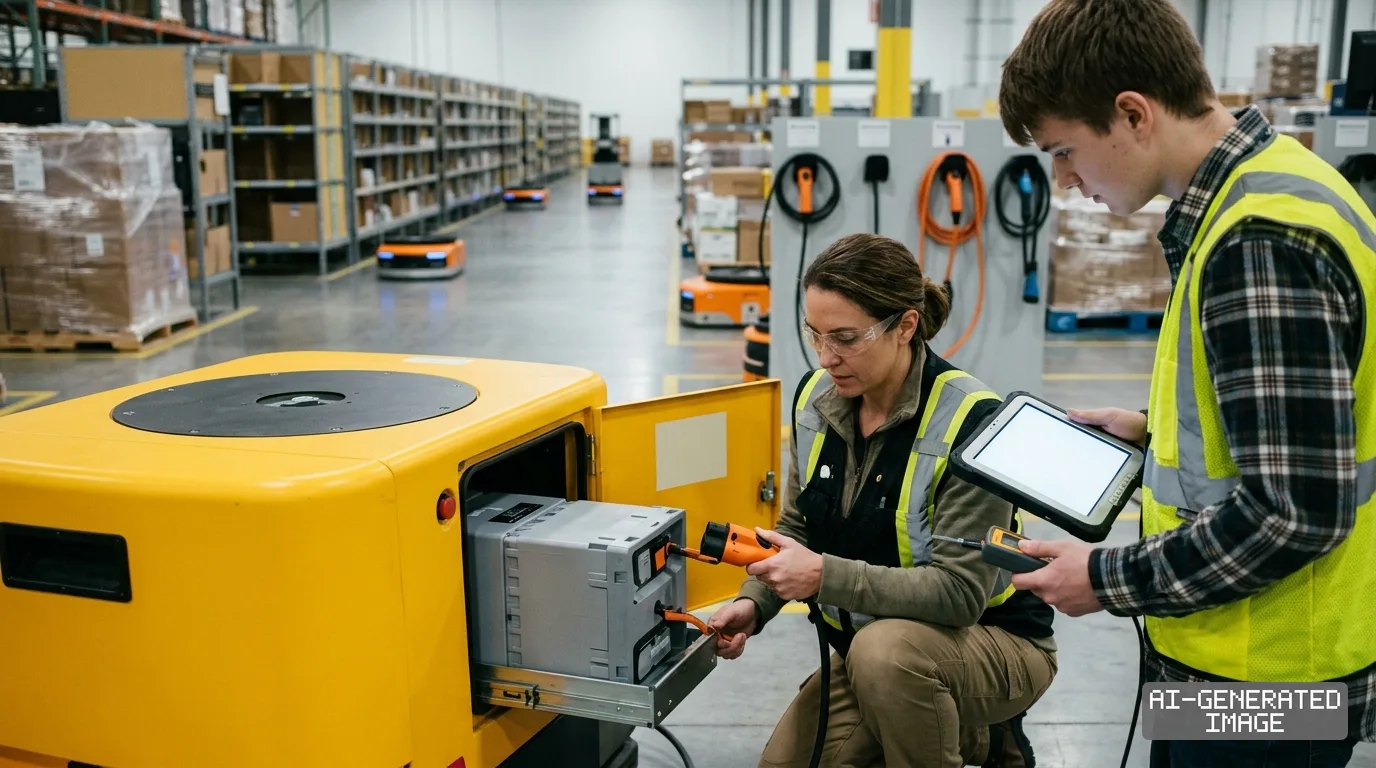
The Singapore discussions also focused on utility-scale energy storage systems. BYD builds modular grid storage units that use the same prismatic lithium iron phosphate cells deployed in its passenger vehicles.
Argentina is seeking private capital to expand high-voltage transmission lines and regional battery backup installations. Market reforms enacted by the Milei administration removed state power purchase agreements in favor of private wholesale energy contracts.
Domestic battery production would allow BYD to supply regional industrial users without paying external tariffs. Argentina belongs to the Mercosur customs union, which allows duty-free trade in manufactured automotive parts when local content rules are met.
BYD is already building an electric vehicle assembly and chassis complex in Camaçari in the Brazilian state of Bahia. Supplying that Brazilian facility with cells assembled in Argentina would shorten regional logistical timelines.
Upstream extraction concessions in Argentina remain under the jurisdiction of provincial governments rather than national authorities. Provincial mining ministries in Salta, Jujuy and Catamarca control water extraction permits, royalty rates and environmental licensing.
Chinese mining companies already operate extensive extraction assets in Argentina. Ganfeng Lithium and Zijin Mining run brine projects in the northern provinces, producing lithium carbonate shipped to Asian cathode manufacturers.
BYD has not established whether it intends to purchase chemical feedstock from operating miners or acquire direct brine concessions. The Argentine Foreign Ministry provided no technical details regarding chemical supply contracts.
The automaker has not filed a regulatory statement regarding the Argentina negotiations with the Hong Kong Stock Exchange or the Shenzhen Stock Exchange. BYD posted no notice on its investor relations newsroom as of Oct. 9.
Corporate representatives for BYD in Shenzhen did not issue statements confirming Li's meeting with Argentine officials. The company has published no capital allocation plan covering South American battery manufacturing.
Argentine authorities confirmed that discussions remain in an exploratory phase. The two parties have not signed a binding commercial agreement or an initial memorandum of understanding.
The official disclosures do not state where in Argentina the plant would be built, and authorities have not published an estimated project value. The government did not release an environmental timeline or plant construction schedule.
The Argentine Foreign Ministry has not scheduled dates for follow-up talks in Buenos Aires. BYD executives face no statutory deadline to submit formal investment filings under the national incentive regime.
Impact map
How this development propagates across the region and out to global buyers.
| Event | Korea | China | Japan | Global impact |
|---|---|---|---|---|
| Argentine lithium cell talks | Korean cell makers face potential low-cost LFP assembly rival in Latin America | BYD expands direct access to South American lithium carbonate resources | Japanese trading firms monitor brine supply agreements in Jujuy and Salta | Lithium battery supply chain shifts toward localized processing in resource nations |
In this story
- Companies
- BYD Company
- Tickers
- 002594.SZ1211.HK
- Exposed
- Ganfeng LithiumZijin Mining
- Policy
- SubsidiesEconomic Security
- Impact
- Supply ChainCapex
Track every Subsidies development → Track every Economic Security development →
Related briefings
- Geely Previews 2.2 MW EV Fast Charger to Rival BYD in China Also on BYD Company
- Grid Storage Costs Diverge Across East Asia as Safety Rules and Balance of System Shape Pricing Also on BYD Company
- BYD and Geely expand Southeast Asian assembly lines to build regional export hubs Also on BYD Company
- Korea Cuts EV Subsidies on Low Energy Density Cells, Squeezing LFP Imports Also on BYD Company
Sources
Reporting
Confidence: medium — how we grade this
The documents behind this briefing are linked above. East Asia Brief produces its English text with AI assistance under human editorial review, and does not translate or republish other outlets' articles. See our methodology and AI policy. Spotted an error? Tell us.
The Morning Brief
What changed in Korean, Chinese and Japanese industry overnight — and what it means for your supply chain. One email, weekday mornings, US time. Free.
The Morning Brief is in preparation. Leave your address and we will write to you once — when the first issue is ready. Nothing before that.