Delta-Q adopts Acculon sodium batteries for warehouse robots
The partnership integrates Acculon Energy's sodium-ion cells into Delta-Q's compatibility program to cut powerpack integration costs and protect low-temperature logistics cycles.
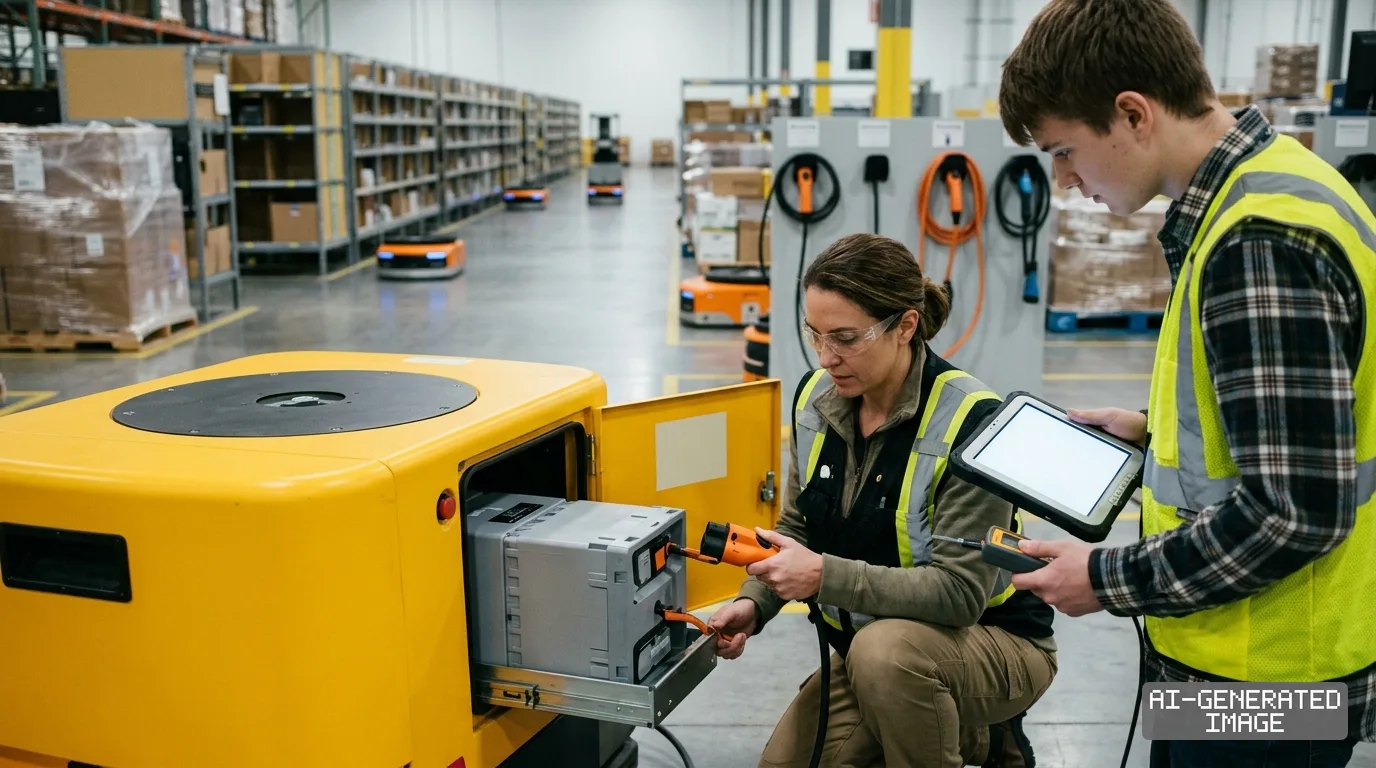
Delta-Q Technologies expanded its industrial equipment charging program on Oct. 8, 2026, partnering with Acculon Energy to validate sodium-ion batteries for warehouse robots and cold-storage machinery.
The collaboration marks the first time Delta-Q has incorporated sodium-ion chemistry into its charging interoperability ecosystem. Neither company published a financial transaction value, shipment quota or revenue-sharing percentage for the agreement.
Delta-Q operates as the industrial charger subsidiary of Italy-based ZAPI GROUP. The Vancouver-based supplier has delivered power management systems across 25 years of equipment electrification, but did not disclose customer volume targets.
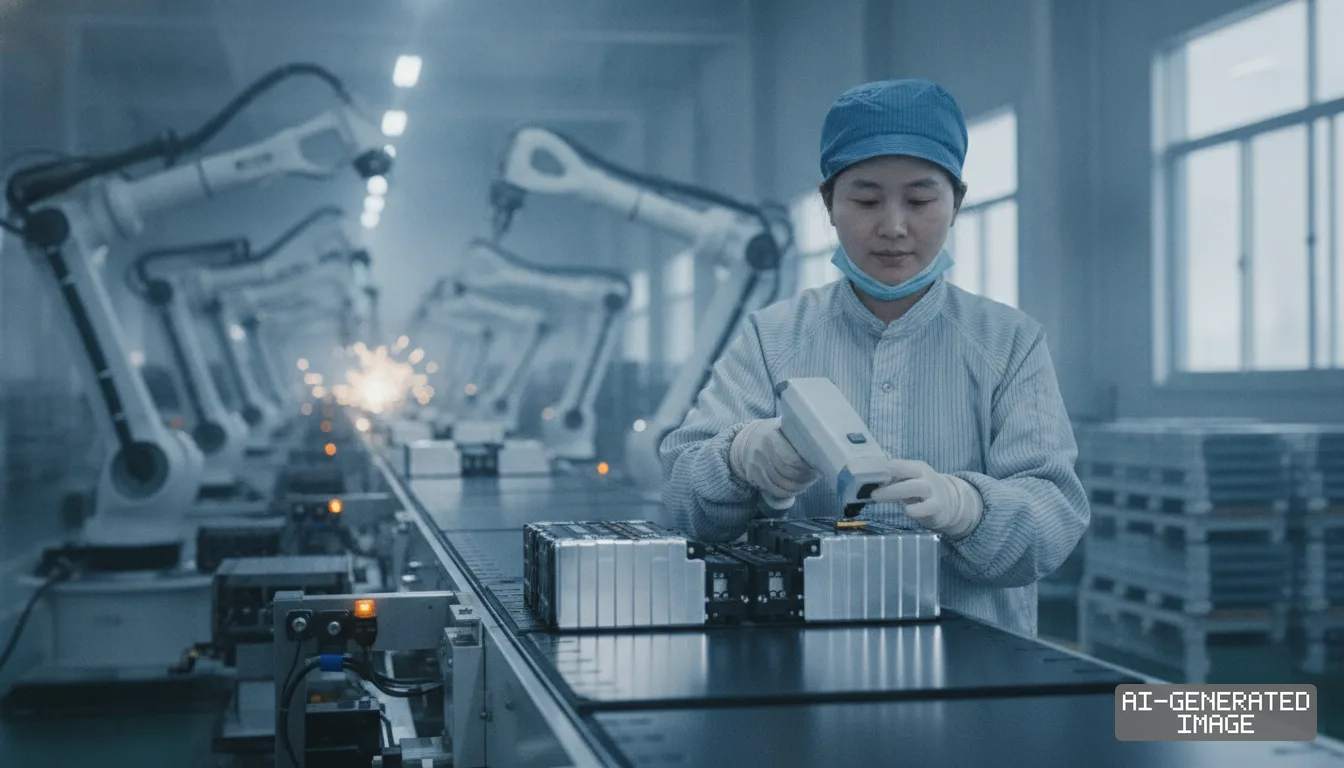
Acculon Energy develops sodium-ion batteries and battery management systems — electronic controls that monitor voltage, current and operating temperature — from its engineering headquarters in Columbus, Ohio.
The joint program targets original equipment manufacturers building automated guided vehicles, autonomous mobile robots and industrial forklifts. These machines transport goods across logistics centers, manufacturing facilities and refrigerated food distribution hubs.
Battery chemistry selection across factory fleets depends on equipment duty cycles, ambient temperatures and rapid charging requirements. Standard lithium-ion packs face capacity loss and charging bottlenecks when operating in sub-zero industrial settings.
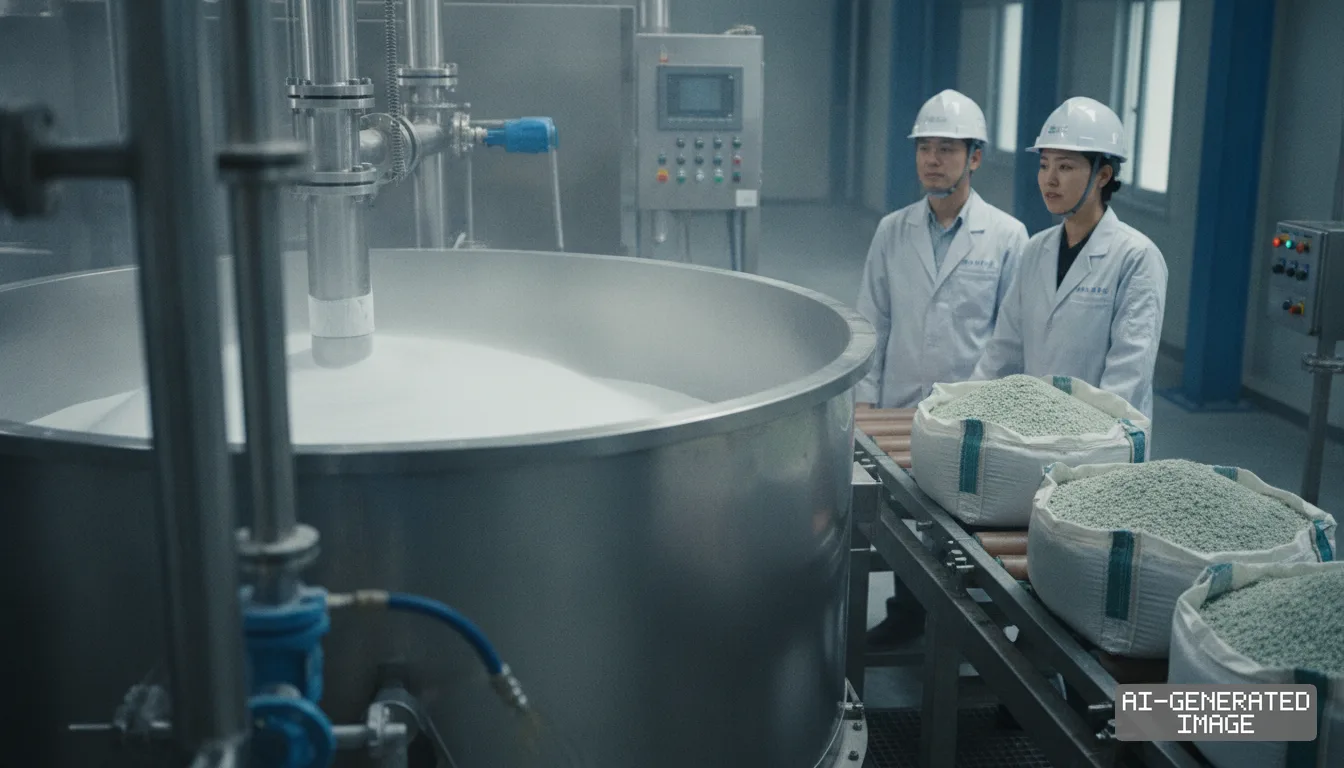
Sodium-ion cells maintain high energy discharge rates and accept rapid charging in sub-zero environments without internal heating elements. The cells replace scarce lithium carbonate with common sodium compounds, reducing raw material dependency.
Pre-validated hardware packages reduce engineering risks for machinery manufacturers, Delta-Q Chief Executive Sarah MacKinnon said. Validating the complete charging and power management setup accelerates commercial deployment, Acculon President Andrew Thomas said.
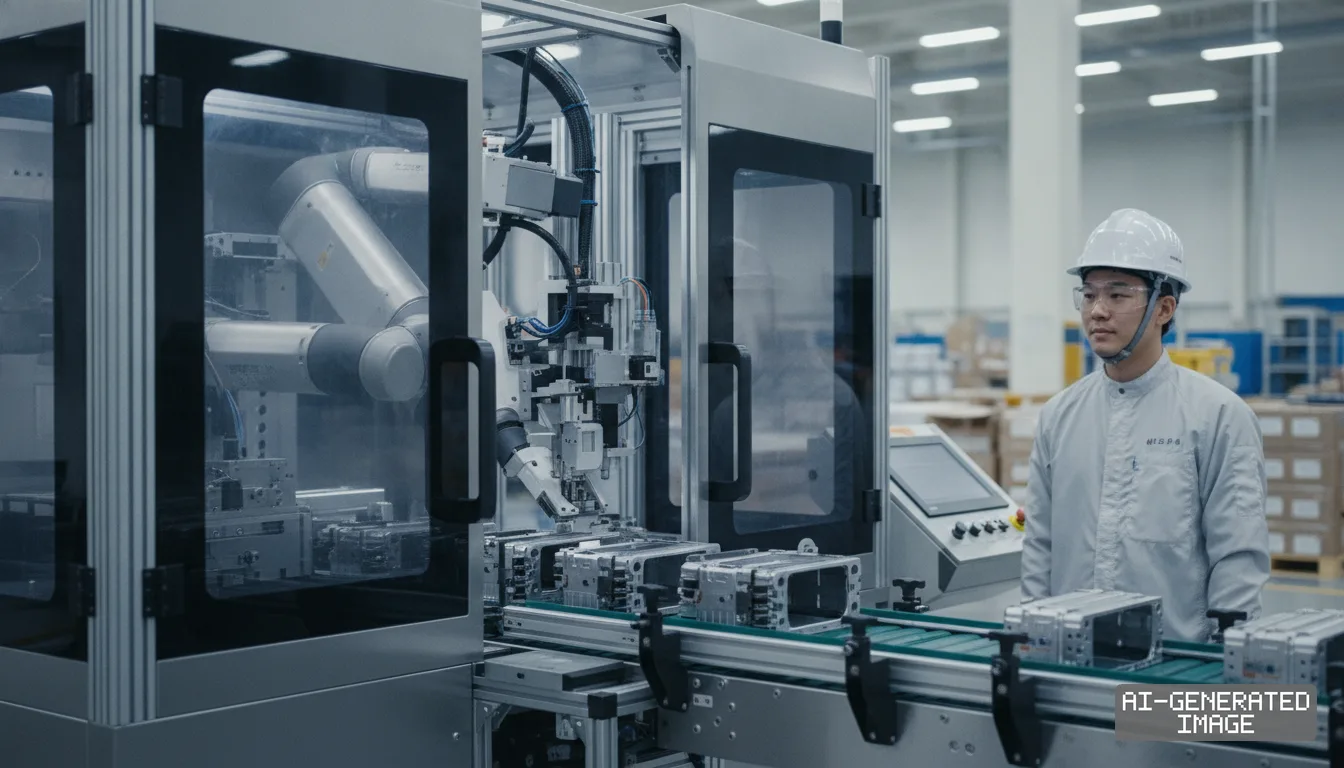
Delta-Q develops custom charging profiles — software instructions that regulate power delivery to prevent cell degradation — inside its testing laboratories. Acculon configures its battery management firmware to communicate directly with these algorithms.
Cold-chain distribution facilities represent a key operational environment for the combined power platform. Commercial refrigerated warehouses typically maintain internal temperatures between minus 20 and 4 degrees Celsius to store frozen goods.
Conventional lithium iron phosphate cells experience sharp ionic conductivity drops under freezing temperatures. Recharging lithium cells at freezing temperatures can trigger lithium metal plating on anodes, causing internal short circuits.
Warehouse operators currently use auxiliary heating blankets or rotate equipment out of cold zones to recharge. Those workarounds idle autonomous fleets, lower machine utilization rates and inflate facility operating costs.
Sodium-ion chemistry operates down to minus 30 degrees Celsius without developing dendritic metal plating during fast charging. The cells absorb and release charge across wide temperature swings without thermal management downtime.
Raw material cost stability also accelerates industrial interest in sodium-based energy storage solutions. Sodium cathode chemistries use abundant iron, manganese and sodium salts instead of volatile nickel, cobalt or lithium compounds.
Sodium-ion cells offer lower volumetric energy density than high-nickel lithium cells, taking up more space per kilowatt-hour. Industrial forklifts and heavy automated guided vehicles require ballast weight for stability, making lower energy density an engineering advantage.
Autonomous mobile robots in logistics centers run on multi-shift operational schedules that require continuous equipment uptime. Sodium-ion cells permit high-rate opportunity charging, letting warehouse robots recharge during short staging intervals without damaging cell life.
OEM vehicle integration testing under the compatibility protocol begins in the fourth quarter of 2026. Commercial factory deliveries will depend on individual equipment manufacturer production cycles.
The notice does not state the supply contract value, initial production volume or which vehicle makers have committed to production purchases.
Impact map
How this development propagates across the region and out to global buyers.
| Event | Korea | China | Japan | Global impact |
|---|---|---|---|---|
| Industrial sodium battery rollout | Cell makers face non-lithium competition in automated logistics packs | Sodium cathode suppliers gain overseas non-EV demand channel | Forklift OEMs gain pre-validated cold-storage charging systems | Warehouse robotics BOM costs drop as sodium-ion replaces heated lithium packs |
In this story
- Companies
- Delta-Q TechnologiesAcculon Energy
- Exposed
- ZAPI GROUP
- Policy
- Economic Security
- Impact
- Supply ChainCost StructureCompliance
Track every Economic Security development →
Related briefings
- LG Energy Solution secures 240,000 tons of Canadian lithium from Elevra Also on Compliance, Cost Structure
- EU puts China rare earth curbs on trade docket to cut deficit Also on Compliance, Cost Structure
- China Delays Rare Earth Export Controls in U.S. Trade Truce Also on Compliance, Cost Structure
- Chalmers maps automotive gallium recovery under China curbs Also on Compliance, Cost Structure
Sources
Reporting
Confidence: medium — how we grade this
The documents behind this briefing are linked above. East Asia Brief produces its English text with AI assistance under human editorial review, and does not translate or republish other outlets' articles. See our methodology and AI policy. Spotted an error? Tell us.
The Morning Brief
What changed in Korean, Chinese and Japanese industry overnight — and what it means for your supply chain. One email, weekday mornings, US time. Free.
The Morning Brief is in preparation. Leave your address and we will write to you once — when the first issue is ready. Nothing before that.