US scrutiny of AI chip diversion threatens SE Asia data centers
Heightened oversight on hardware smuggling into China reviews a $34 billion data center pipeline spanning Malaysia and Singapore.
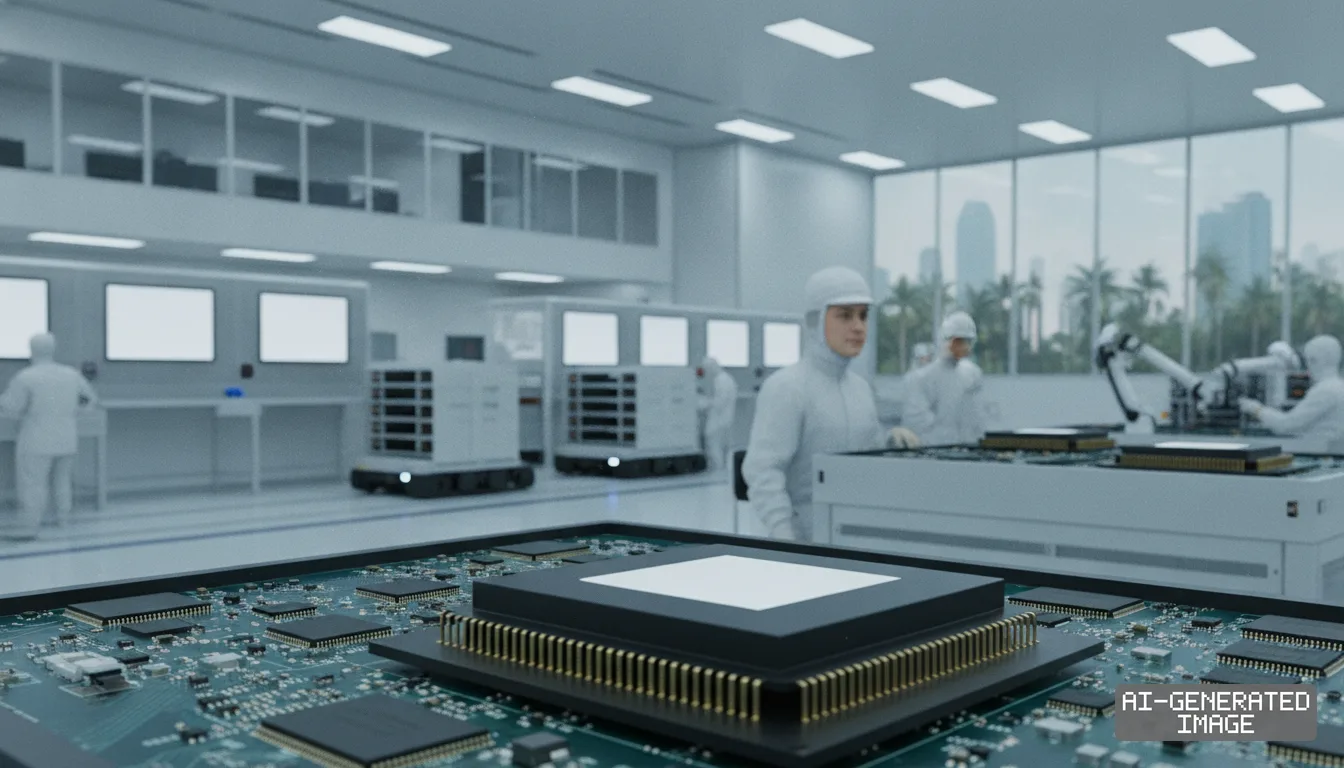
The US Department of Commerce expanded scrutiny of advanced semiconductor diversion routes on Nov. 15, 2026, putting Southeast Asian artificial intelligence infrastructure projects under immediate regulatory review.
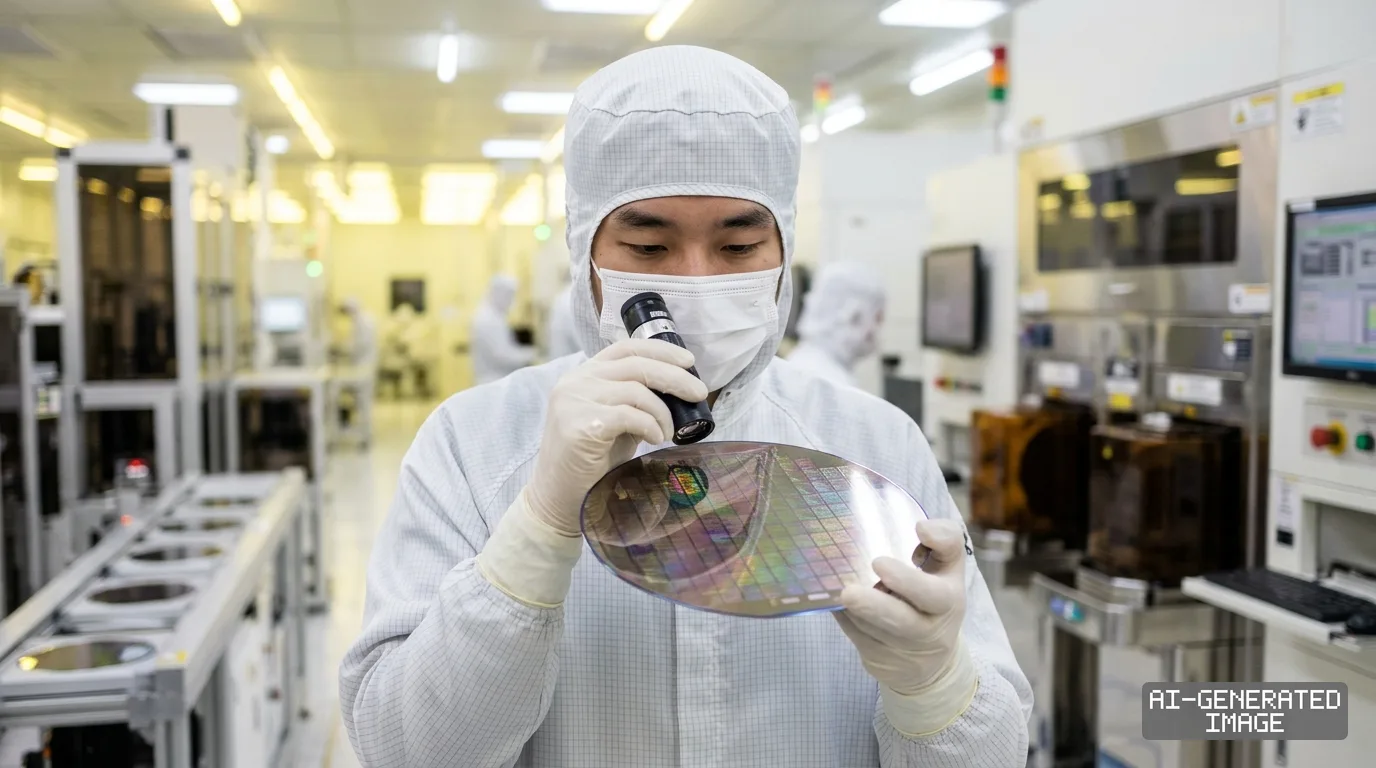
The heightened oversight targets illicit transshipment networks that channel high-performance computing hardware into Chinese facilities. Regional hubs in Malaysia and Singapore have emerged as critical nodes for international computing capacity.
The regulatory push directly affects a pipeline of more than $34 billion in committed data center investments in Malaysia. Those facilities represent capital commitments from both American and Chinese cloud service providers.
Much of that capital targeted the southern state of Johor, adjacent to Singapore, converting former industrial acreage into high-density server parks. The expansion created an operational cluster capable of handling intensive neural network training.
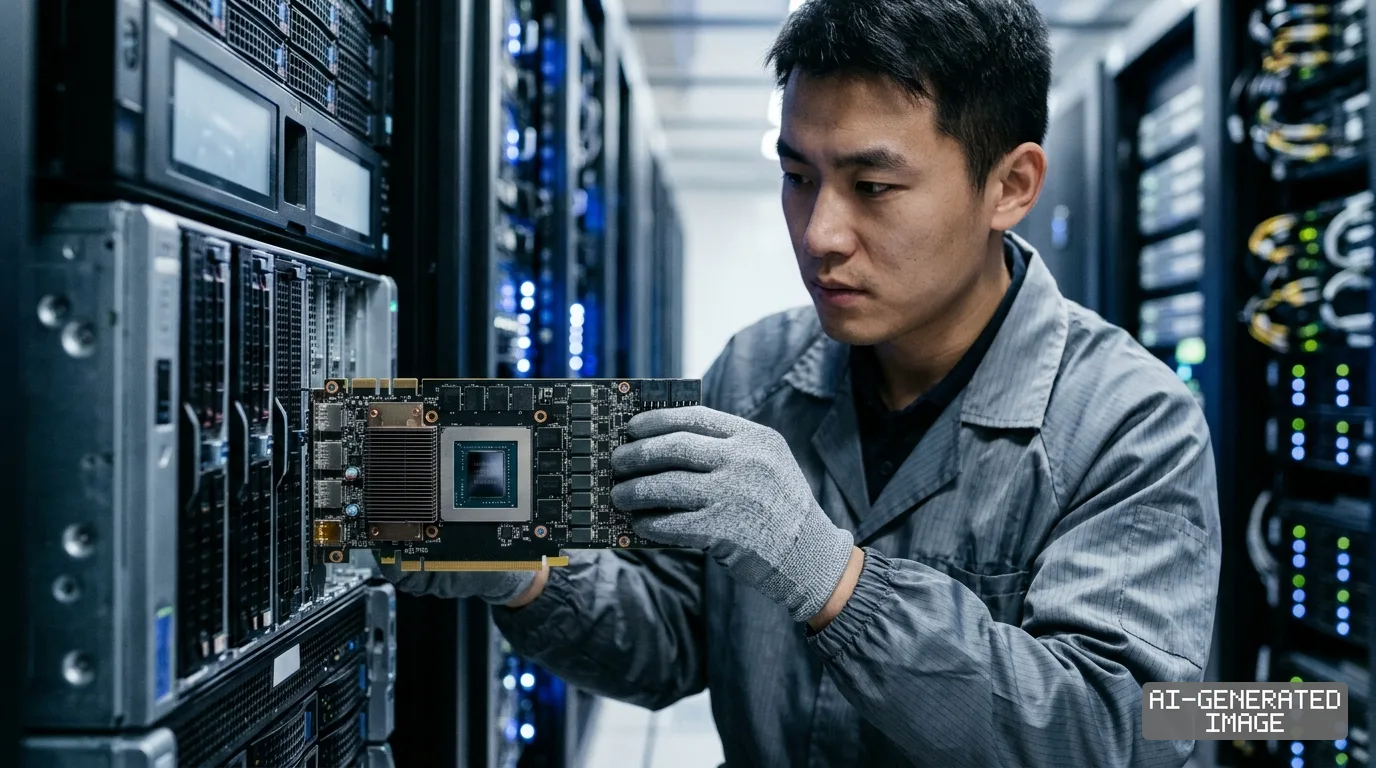
Trade enforcement agencies uncovered intermediary structures handling substantial volumes of restricted silicon. Singapore-based Megaspeed arranged approximately $12 billion in Nvidia graphics processing unit shipments between March 2024 and June 2025.
The transactions utilized multi-tier logistics channels across Southeast Asia to bypass export declaration requirements. Federal investigators have focused on whether equipment bound for neutral colocation facilities was reallocated to Chinese developers.
Nvidia moved to alter its commercial verification standards to protect regional distribution channels. The semiconductor designer instructed members of its Nvidia Cloud Partner network to activate mandatory tracking protocols across regional installations.
The requirement obliges cloud operators to install Fleet Intelligence, an internal tracking program that monitors hardware telematics and physical machine locations. Operators failing to register server telemetry risk losing direct allocations of graphics chips.
Federal regulators are assessing restrictions that target intangible access alongside physical hardware. The Bureau of Industry and Security is reviewing measures to restrict remote access to advanced computing infrastructure situated in Southeast Asia.
Such a framework would prohibit regional data centers from renting server capacity to entities based in restricted jurisdictions. The proposed rules mirror statutory restrictions aimed at closing cross-border computing loopholes.
The dual exposure creates operational friction for Malaysian facilities hosting infrastructure from multiple jurisdictions. Colocation campuses host hardware for Chinese developers alongside standard cloud instances for Western enterprises.
Operators face the possibility of choosing between retaining Western chip allocations or servicing Chinese cloud customers. A disruption in hardware deliveries would delay electrical commissioning schedules for facilities under construction.
Tenaga Nasional Berhad, the state electric utility in Malaysia, has already allocated 5.9 gigawatts of maximum power demand to 38 data center projects. That contracted load represents 43% of Peninsular Malaysia's current electricity supply capacity.
If graphics processing unit shipments stall under export audits, operators will face fixed capacity reservation payments on unused utility infrastructure. The capital burden falls directly on regional developers holding long-term power purchase commitments.
Export administration guidelines allow certain authorized integrated circuit designers to operate under licensing exceptions through Dec. 31, 2026. Trade officials intend to evaluate compliance reports from Southeast Asian cloud hubs ahead of that date.
The Bureau of Industry and Security has not published a final rule in the Federal Register formally restricting remote compute transactions for Southeast Asian operators, and developers have filed no contract cancellations for the $34 billion project pipeline.
Impact map
How this development propagates across the region and out to global buyers.
| Event | Korea | China | Japan | Global impact |
|---|---|---|---|---|
| Southeast Asia compute diversion review | Memory makers assess AI server DRAM deployment timelines across ASEAN colocation projects | Cloud enterprises face disruption of third-party remote computing channels in Johor and Singapore | Infrastructure equipment suppliers face delivery deferrals on secondary power modules | Cloud builders face tightened telematics audits and server capacity verification standards |
| Southeast Asia compute diversion review | Memory makers assess AI server DRAM deployment timelines across ASEAN colocation projects | Cloud enterprises face disruption of third-party remote computing channels in Johor and Singapore | Infrastructure equipment suppliers face delivery deferrals on secondary power modules | Cloud builders face tightened telematics audits and server capacity verification standards |
In this story
- Companies
- Nvidia
- Tickers
- NVDA
- Exposed
- Tenaga Nasional Berhad
- Policy
- Export Controls
- Impact
- ComplianceSupply ChainCapex
Track every Export Controls development →
Related briefings
- Moonshot AI taps European cloud for 8,000 Blackwell chips Also on Nvidia, Export Controls, Compliance
- Nvidia halts H200 chip lines, shifting TSMC output to Rubin Also on Nvidia, Export Controls, Compliance
- OpenAI abandons China chip curbs as Nvidia protects exports Also on Nvidia, Export Controls, Compliance
- Korean battery makers secure non-FEOC LFP supply contracts Also on Nvidia, Export Controls, Compliance
Sources
Reporting
Confidence: medium — how we grade this
The documents behind this briefing are linked above. East Asia Brief produces its English text with AI assistance under human editorial review, and does not translate or republish other outlets' articles. See our methodology and AI policy. Spotted an error? Tell us.
The Morning Brief
What changed in Korean, Chinese and Japanese industry overnight — and what it means for your supply chain. One email, weekday mornings, US time. Free.
The Morning Brief is in preparation. Leave your address and we will write to you once — when the first issue is ready. Nothing before that.