Upgraded China-ASEAN free trade pact enters force on Dec. 1
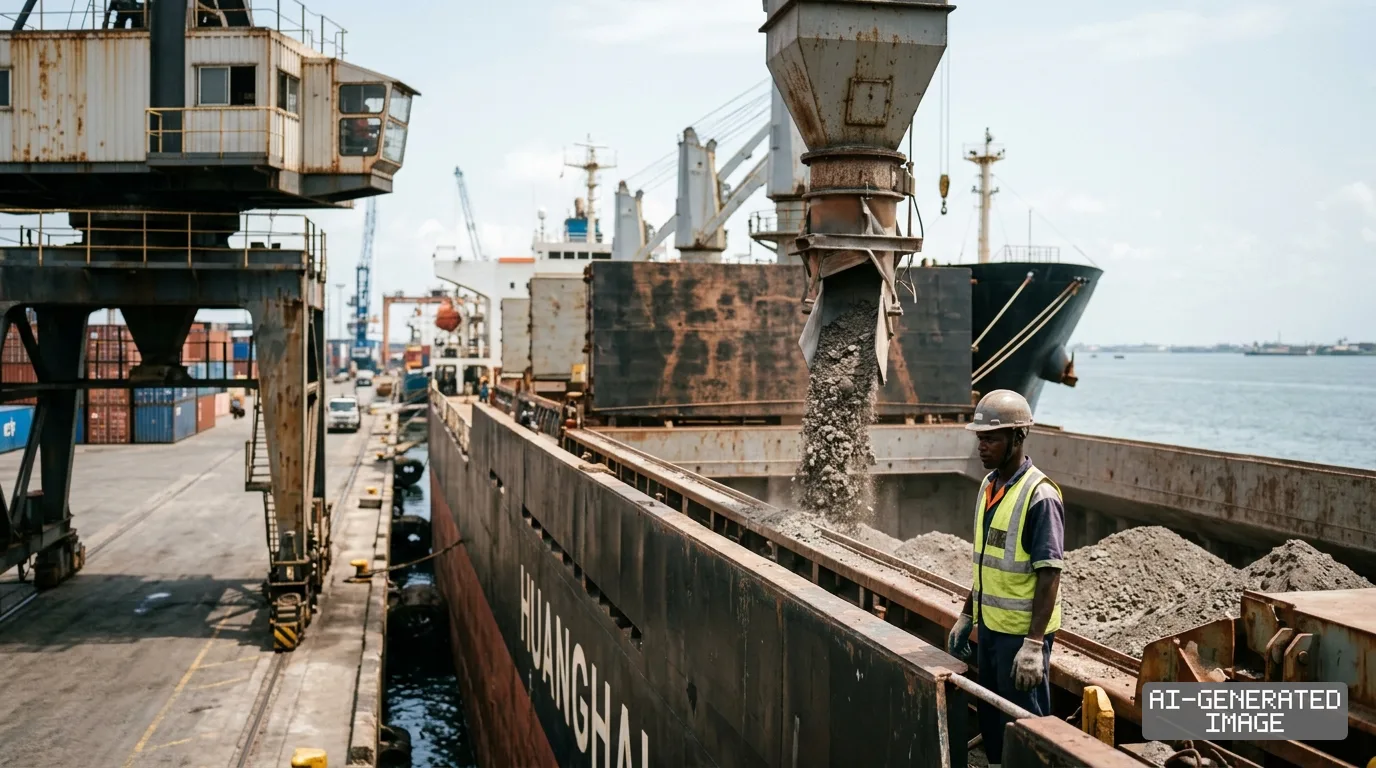
The revised agreement binds regional supply chains after intermediate goods volume climbed 24.5% to $422 billion in the first half of 2026.
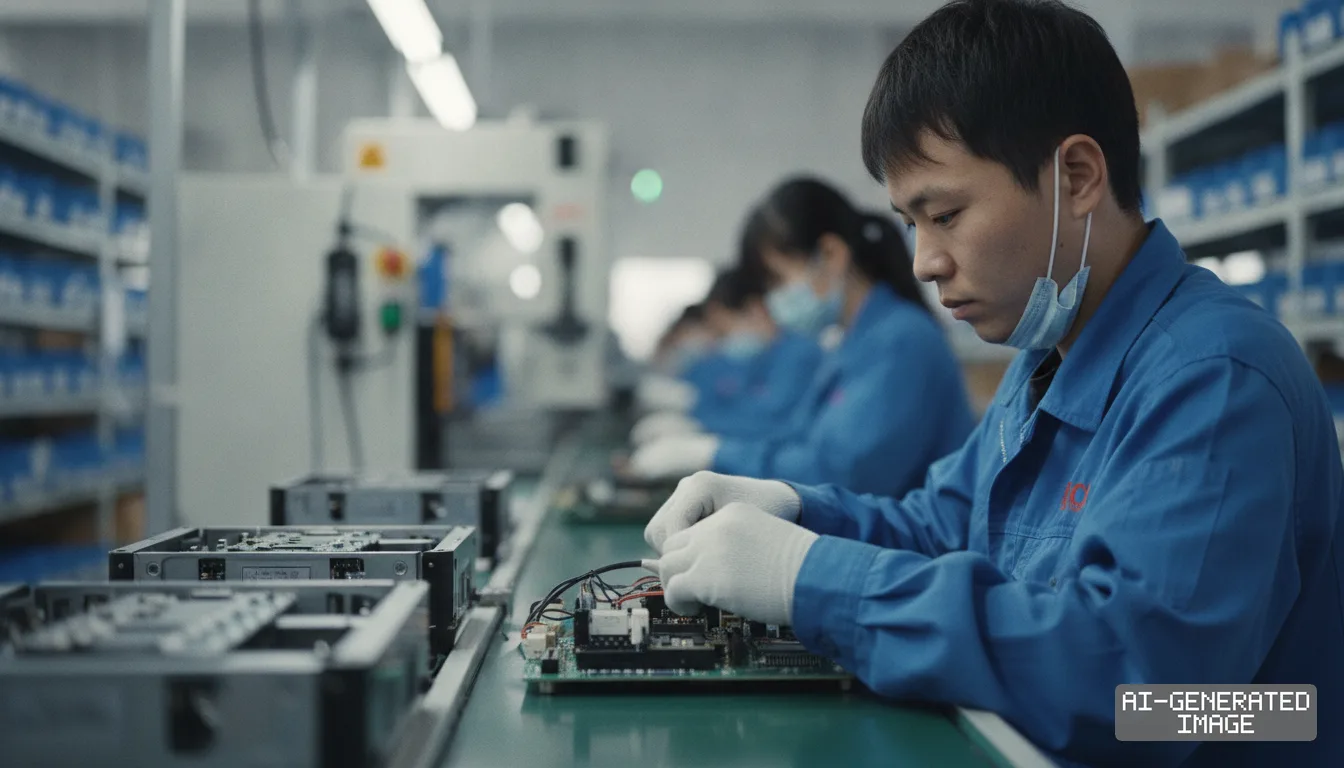
China's Ministry of Commerce announced Nov. 16, 2026, that the upgraded China-ASEAN free trade pact will take effect Dec. 1, locking in new regional supply chain standards.
The revised agreement deepens manufacturing integration as production inputs dominate cross-border trade. Bilateral trade in intermediate parts rose 24.5% to 2.86 trillion yuan ($422 billion) during the first half of 2026.
Those intermediate components accounted for roughly two-thirds of the 4.34 trillion yuan ($643.2 billion) in total two-way commerce in that period. Total bilateral trade between China and ASEAN exceeded $1.05 trillion in 2025.
Officials finalized the implementation timeline during regional leader meetings in Manila. The ministry published the complete Chinese and English legal texts on Monday, directing commercial departments to begin administrative rollouts.
The Version 3.0 protocol marks a structural shift away from traditional tariff elimination toward regulatory harmonization. Negotiators launched talks in November 2022, concluded substantive terms in May 2025 and signed the treaty in October 2025.
Under the upgraded framework, regional cumulation rules for product origin are significantly expanded. Materials originating in any member economy now qualify more easily toward originating status when processed in neighboring partner factories.
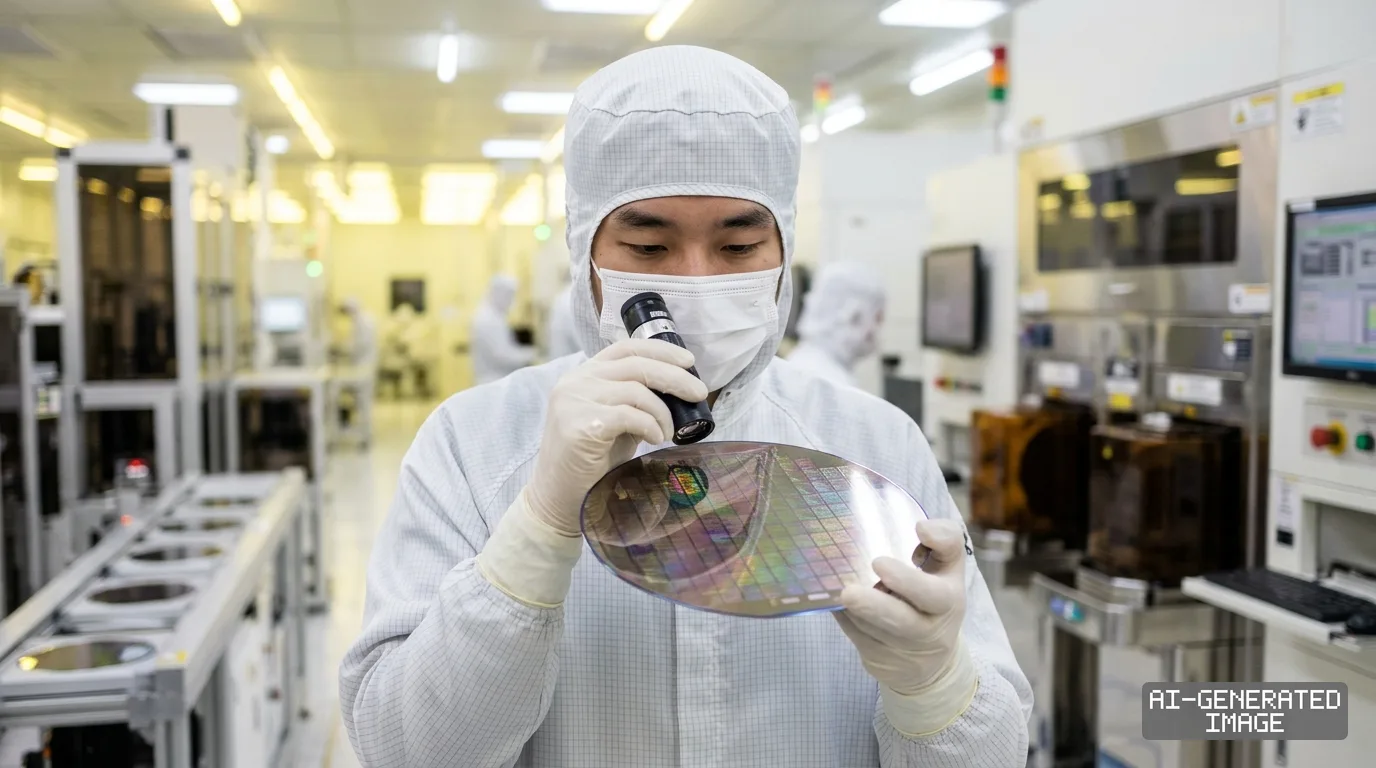
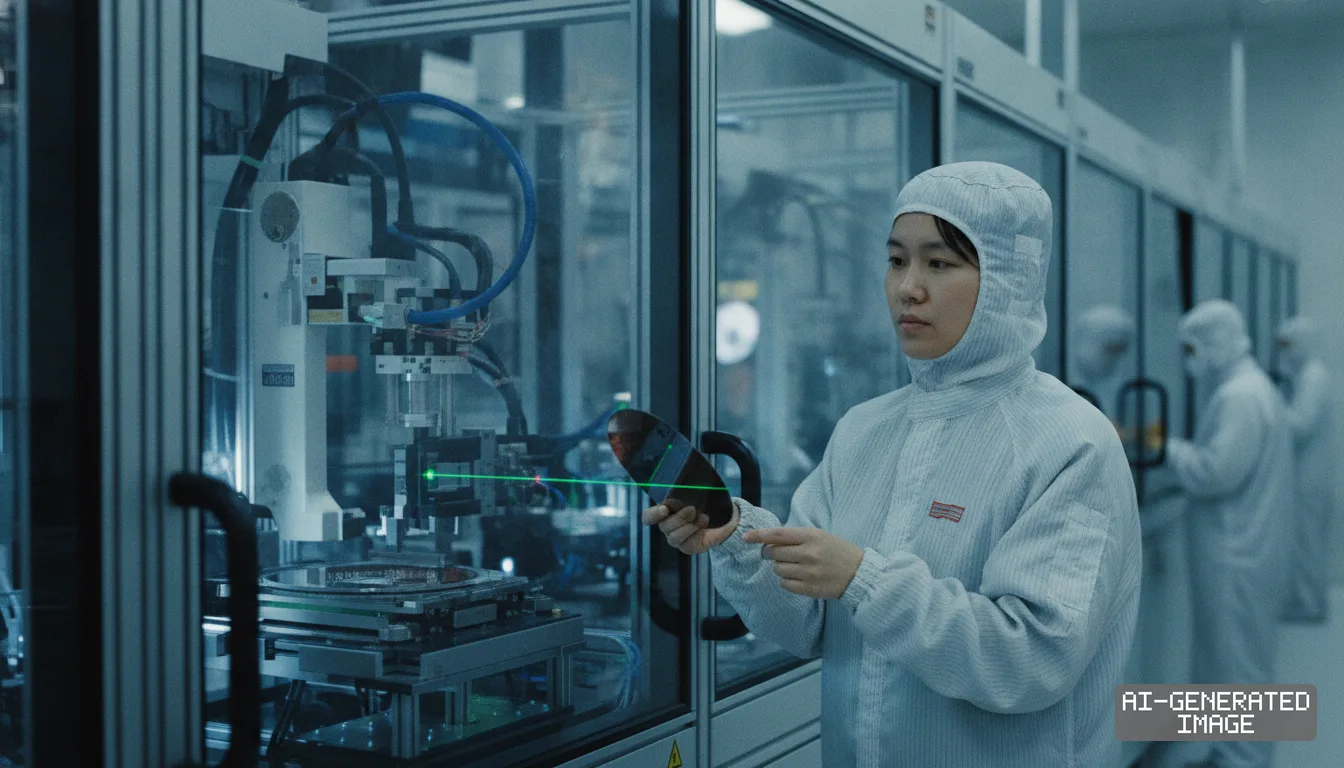
The origin adjustment allows Chinese upstream fabricators to supply components to Southeast Asian assembly plants without losing preferential tariff access. The mechanism shields cross-border manufacturing chains from third-party tariff penalties.
For the first time, the treaty incorporates a standalone chapter dedicated to supply chain connectivity. The chapter mandates mutual recognition of logistics standards and requires joint crisis-management mechanisms during trade disruptions.
Customs administrations will establish 24-hour clearance protocols at designated smart border ports. The automated inspection systems are designed to eliminate border transit bottlenecks for high-frequency industrial components and perishable industrial chemicals.
The pact establishes dedicated commitments covering the digital economy. The provisions require both sides to standardize electronic invoicing, mutual recognition of electronic signatures and paperless border procedures across maritime checkpoints.
Green economy provisions define eight priority industrial cooperation sectors. The framework establishes shared specifications for new energy vehicles, lithium traction batteries, solar photovoltaics and industrial energy-efficiency systems across Southeast Asia.
Automotive manufacturers with established regional assembly footprints face immediate operational consequences. SAIC-GM-Wuling, an automotive joint venture, currently controls more than 50% of the electric vehicle market in Indonesia.
The carmaker relocated 17 Chinese supply chain partners directly into its Indonesian production complex. The enterprise also contracted with 40 local Indonesian parts vendors to meet regional value-content thresholds, the company said.
Vehicle assemblers in southern border regions are also widening deliveries. Guangxi Automobile Group exported its 5,000th complete vehicle to Southeast Asia this fall, pushing cumulative ASEAN shipments past 200 million yuan ($28.23 million).
Specialized component suppliers are reshaping production schedules around the cumulative origin rules. Anhui Sanley Machinery Co., an auto parts fabricator, blends precision metal hardware from South Korea with raw rubber imported from Thailand.
The company then machines final drive components in China before exporting them to assembly lines in Indonesia and Malaysia. Expanded cumulation prevents double taxation on those cross-border subassemblies, corporate executives said.
The institutional alignment operates alongside the Regional Comprehensive Economic Partnership, which took full effect across all 15 signatory nations in June 2023. Version 3.0 deepens disciplines that the broader regional pact left flexible.
China and ASEAN will establish specialized joint subcommittees to oversee standards, digital commerce, green technology and small enterprise integration. Both sides officially designated 2027 as the China-ASEAN Year of AI Cooperation.
The legal notice does not state whether cross-border data transfer exemptions apply to sensitive industrial telematics, and the ministry has not published operational guidelines for automated origin auditing.
The Version 3.0 upgrade takes effect across all participating jurisdictions on Dec. 1, 2026. Bilateral technical committees will begin formal compliance reviews during the first quarter of 2027.
Impact map
How this development propagates across the region and out to global buyers.
| Event | Korea | China | Japan | Global impact |
|---|---|---|---|---|
| China-ASEAN FTA 3.0 entry into force | parts suppliers retain cumulation eligibility for components fed into Chinese and Southeast Asian assembly plants | intermediate goods exporters secure duty-free access to Southeast Asian supply networks worth $422 billion | precision component vendors maintain integration across regional logistics and assembly corridors | manufacturing networks deepen Southeast Asian vertical integration to buffer against external tariff risks |
In this story
- Companies
- SAIC-GM-WulingGuangxi Automobile GroupAnhui Sanley Machinery
- Policy
- TariffsStandards
- Impact
- Supply ChainComplianceCost Structure
Track every Tariffs development → Track every Standards development →
Related briefings
- European carmakers balk at CATL surcharges under EU rules Also on Standards, Tariffs, Compliance
- Octopus Partners With CATL to Scale European Home Batteries Also on Standards, Tariffs, Compliance
- LG and Samsung SDI schedule 2027 launch for data center LFP cells Also on Standards, Tariffs
- China retains 97% grip on heavy rare earths ahead of Pentagon ban Also on Standards, Compliance, Cost Structure
Sources
Primary documents
Reporting
Confidence: high — how we grade this
The documents behind this briefing are linked above. East Asia Brief produces its English text with AI assistance under human editorial review, and does not translate or republish other outlets' articles. See our methodology and AI policy. Spotted an error? Tell us.
The Morning Brief
What changed in Korean, Chinese and Japanese industry overnight — and what it means for your supply chain. One email, weekday mornings, US time. Free.
The Morning Brief is in preparation. Leave your address and we will write to you once — when the first issue is ready. Nothing before that.