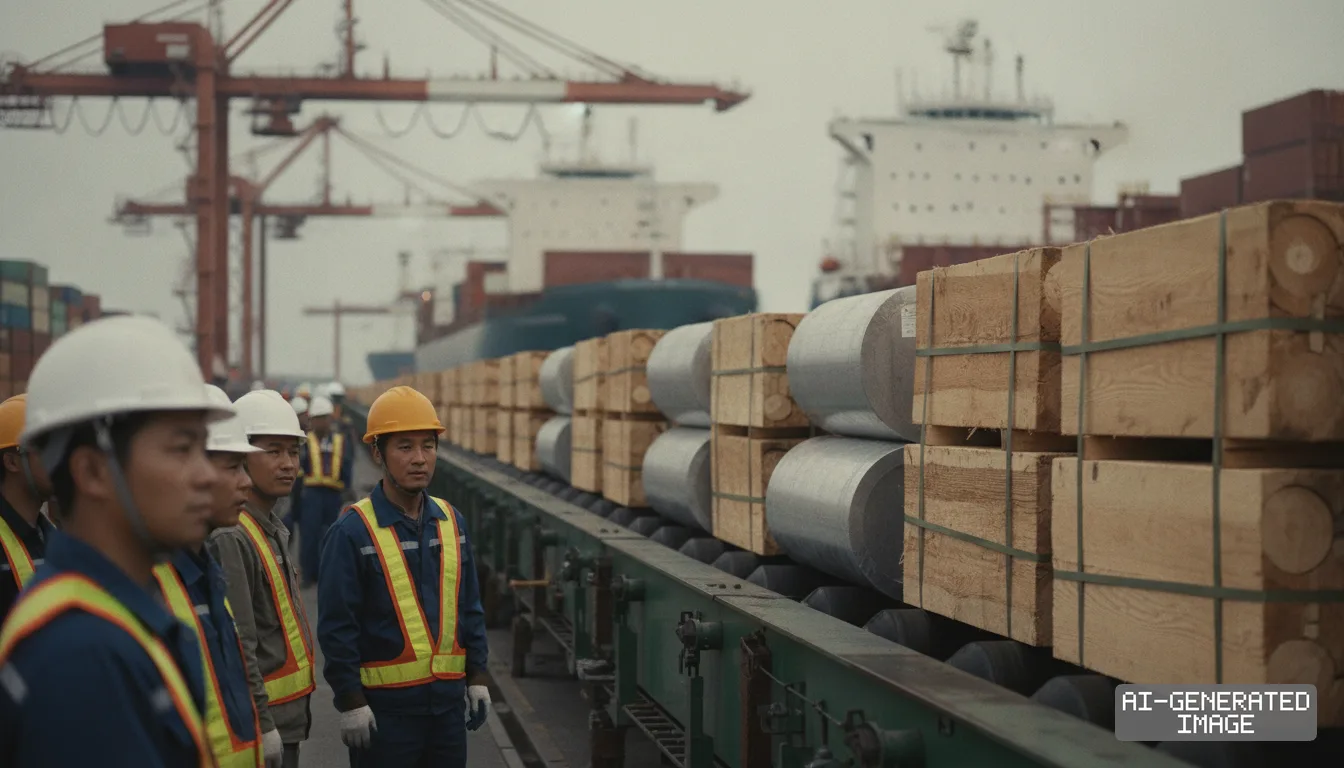
European carmakers balk at CATL surcharges under EU rules
Mandatory European sourcing rules raise cell costs to €85 per kilowatt-hour, adding €2,100 in production expenses for an average 60-kilowatt-hour battery pack.
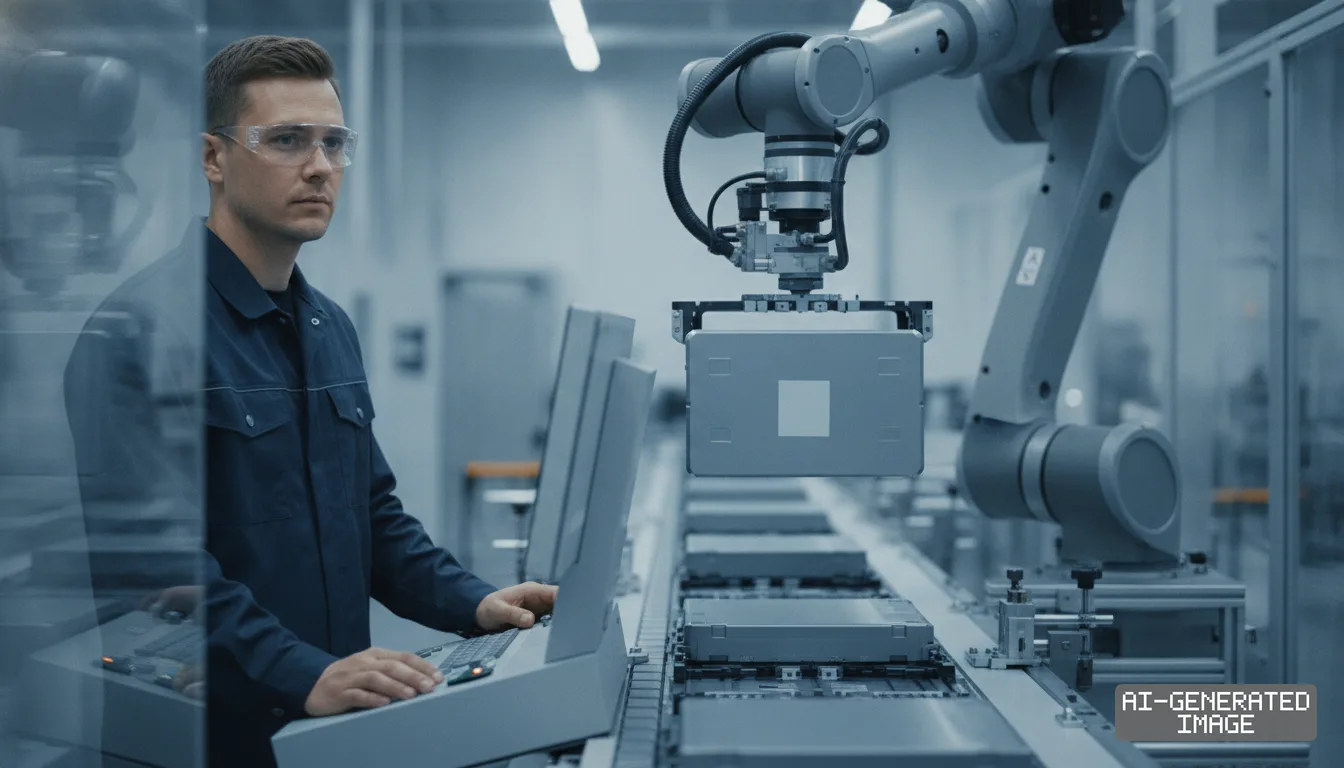
European automakers resisted absorbing regulatory compliance fees and carbon accounting surcharges linked to Contemporary Amperex Technology Co. Limited cell contracts on Nov. 7, 2026, as manufacturing costs climbed across the region.
Mandatory local procurement under European Union rules raises cell expenses from €50 to €85 per kilowatt-hour, Bruegel said Sept. 22. That shift adds roughly €2,100 ($2,400) to vehicle production expenses for a 60-kilowatt-hour battery pack.
Contemporary Amperex Technology, known as CATL, holds a central role in the regional supply network. The company supplied more than 65% of Chinese battery cells delivered to European electric vehicle plants during the first eight months of 2026.
Carmakers argue that suppliers should absorb carbon verification fees and capital overhead from European plant expansions. Higher input expenses have already squeezed operating margins across European assembly plants, automotive purchasing executives said.
CATL faces balance-sheet pressures after years of expansion. Third-quarter net profit growth slowed to about 10% in 2026 as material prices and Chinese consumption levies trimmed margins, the Korea Institute for International Economic Policy said Nov. 5.
The battery maker invested €7.34 billion ($7.95 billion) in Debrecen, Hungary, to construct a 100-gigawatt-hour factory. The site began trial cell operations on Sept. 22, 2026, after completing module lines that built 537,000 units, company filings show.
Mercedes-Benz Group AG signed as the primary customer for the Hungarian facility's initial 34-gigawatt-hour phase. The German carmaker uses the cells for luxury sedans assembled in Germany and Hungary, Mercedes-Benz said in corporate releases.
A Hungarian regional court dismissed a permit challenge against the Debrecen site on Oct. 30, 2026. The decision removed legal barriers for commercial series production after county regulators confirmed that chemical handling standards had been met, court filings show.
BMW AG also built an assembly facility in Debrecen to produce electric Neue Klasse passenger vehicles. BMW plans to take series deliveries of cylindrical battery cells from local suppliers in 2027, according to company production schedules.
CATL completed carbon-neutral conversions across all 20 of its operational production bases, the company said Aug. 17. It plans to require tier-one suppliers to submit audited carbon footprint filings starting in 2027 to reach net-zero emissions across its chain by 2035.
Compliance requirements stem from European Union Regulation 2023/1542, which entered into force in August 2023. The law establishes unified carbon accounting, recycled content thresholds and supply chain due diligence rules for all batteries sold within the 27-nation trading bloc.
The European Commission's Joint Research Centre developed calculation rules for life-cycle battery emissions. Those standards evaluate carbon output from raw mineral extraction and chemical refining through cell assembly, packaging and cross-border transportation, technical reports show.
The calculation framework sparked friction regarding electricity grid emission factors. Automakers and battery producers disputed whether factory power consumption must reflect national grid averages or dedicated renewable power purchase agreements, according to industry consultation filings submitted to Brussels.
The European Commission delayed mandatory carbon declarations for electric vehicle batteries beyond the initial February 2025 target. Filings must now occur 12 months after Brussels formally adopts delegated acts specifying calculation methodologies, according to commission documents.
The Commission established Aug. 18, 2026, as the labeling deadline for rechargeable industrial batteries with storage capacities above two kilowatt-hours. That rule applies to commercial storage and off-highway equipment across the European single market, the regulation states.
Automakers contend that passing carbon certification costs directly into battery contracts violates initial long-term agreements. Automotive procurement teams maintain that factory compliance expenses should remain the manufacturer's responsibility, industry purchasing officials said.
Chinese battery makers also face restored domestic consumption taxes enacted in September 2026. The domestic levy added immediate cash pressure on cell producers already carrying heavy overseas capital expenditures, market analyses show.
European automakers cannot easily switch suppliers despite price disagreements. European battery venture Northvolt AB filed for bankruptcy and Automotive Cells Company halted planned factory investments, leaving automakers heavily reliant on Chinese battery technology, industry data show.
South Korean battery makers also lost European market share over the past year. Shipments from South Korean producers fell to 28.7% of European volume through August 2026, down from 55.6% in 2023, customs and trade data show.
That contraction leaves Mercedes-Benz, BMW and Volkswagen Group dependent on CATL and Hungarian manufacturing hubs. Automakers must secure compliant cells to avoid punitive penalties under tightening European vehicle emissions targets, industry filings show.
The battery regulation also requires rigorous supply chain due diligence audits starting in 2025. Importers must verify that cobalt, natural graphite, lithium and nickel procurement complies with international labor conventions and environmental safeguards, European Union statutory texts show.
Third-party verification of upstream supply chains adds millions of dollars in annual auditing overhead. Battery vendors seek to allocate those compliance expenditures across individual cell supply batches, while automakers demand fixed unit delivery prices, procurement sources said.
CATL and European automakers have not published contract amendments or pricing schedules, leaving the exact distribution of compliance surcharges unconfirmed. Neither party has disclosed whether temporary discounts will offset carbon verification expenses during plant ramp-up phases.
The European Commission plans to finalize secondary delegated acts on battery carbon calculations by early 2027, setting the countdown for mandatory declarations across European automotive assembly lines.
Impact map
How this development propagates across the region and out to global buyers.
| Event | Korea | China | Japan | Global impact |
|---|---|---|---|---|
| EU battery carbon footprint rules | Korean cell makers hold 28.7% EU share, facing identical auditing overheads | CATL bears €7.34B Debrecen capex and seeks to pass compliance fees to buyers | Japanese material suppliers face tier-one carbon data reporting mandates by 2027 | EV production BOM rises up to $2,400 per vehicle on compliance and localized cell costs |
In this story
- Companies
- Contemporary Amperex TechnologyMercedes-Benz GroupBMW AG
- Tickers
- 300750.SZMBG.DEBMW.DE
- Exposed
- Volkswagen GroupNorthvolt AB
- Policy
- StandardsTariffs
- Impact
- PricingCost StructureCompliance
Track every Standards development → Track every Tariffs development →
Related briefings
- Hungary official leaks CATL accord offering land and tax breaks Also on BMW AG, Mercedes-Benz Group, Contemporary Amperex Technology
- Hungarian court upholds CATL permit for €7.3B Debrecen gigafactory Also on BMW AG, Standards
- Hungary halts battery lines as environmental rules tighten Also on Mercedes-Benz Group, Standards, Contemporary Amperex Technology
- CATL expands Hungary battery workforce for local EV supply Also on Volkswagen Group, Contemporary Amperex Technology
Sources
Primary documents
Reporting
Confidence: high — how we grade this
The documents behind this briefing are linked above. East Asia Brief produces its English text with AI assistance under human editorial review, and does not translate or republish other outlets' articles. See our methodology and AI policy. Spotted an error? Tell us.
The Morning Brief
What changed in Korean, Chinese and Japanese industry overnight — and what it means for your supply chain. One email, weekday mornings, US time. Free.
The Morning Brief is in preparation. Leave your address and we will write to you once — when the first issue is ready. Nothing before that.