Korea weighs factory tax credits to stem domestic EV flight
Lawmakers and economic ministries are drafting revisions to the 2026 tax bill, weighing volume-based credits for electric vehicle and battery plants to counter United States and European subsidies.
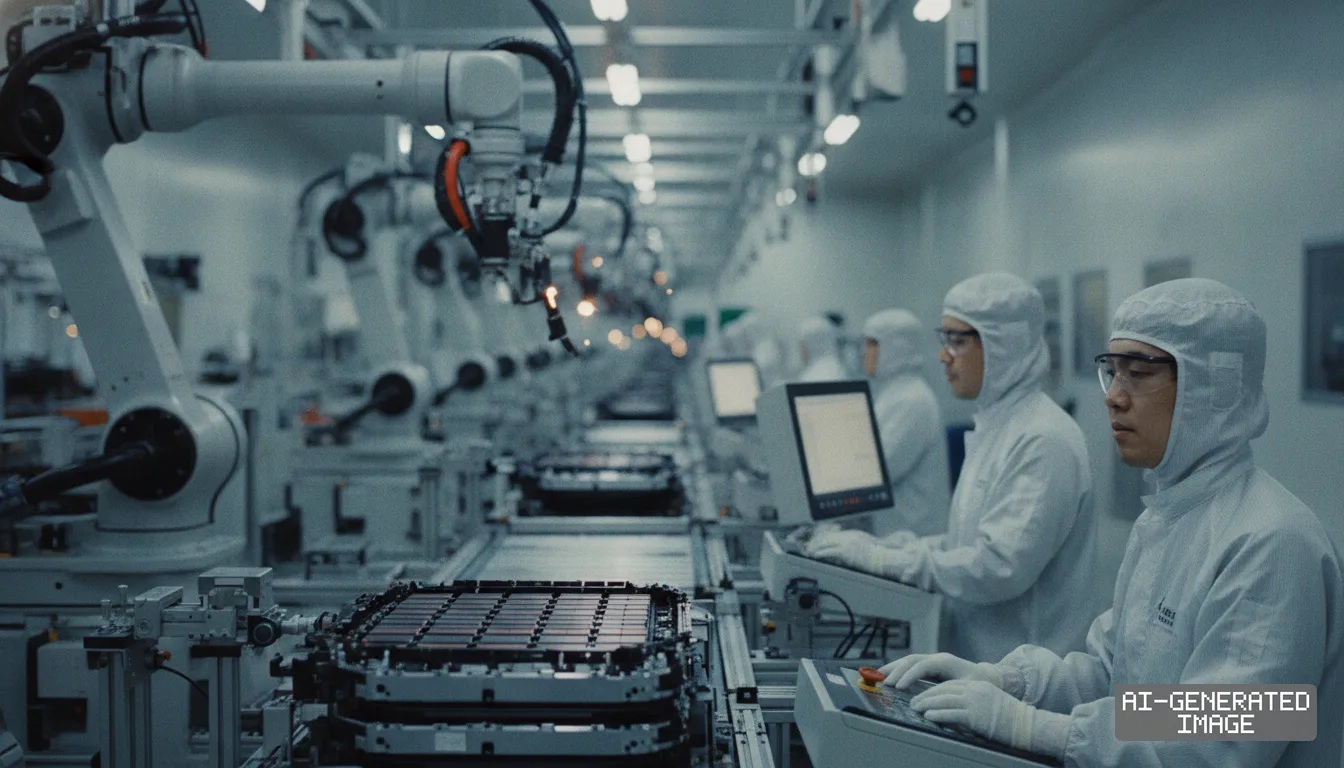
South Korea’s Ministry of Economy and Finance and legislative leaders advanced plans on Oct. 23 to adjust a pending production tax credit bill, addressing domestic manufacturing flight in batteries and electric vehicles.
The initiative supplements a broader industrial tax package submitted to parliament on Aug. 3, which established volumetric tax credits for six strategic sectors through Dec. 31, 2036. The program offers corporate tax deductions calculated by multiplying physical output by fixed unit credit values.
South Korea allocated 1.6 trillion won ($1.16 billion) to consumer electric vehicle purchase subsidies in 2026, yet imported vehicles made in China took 35% of domestic electric registrations in the first half of the year.
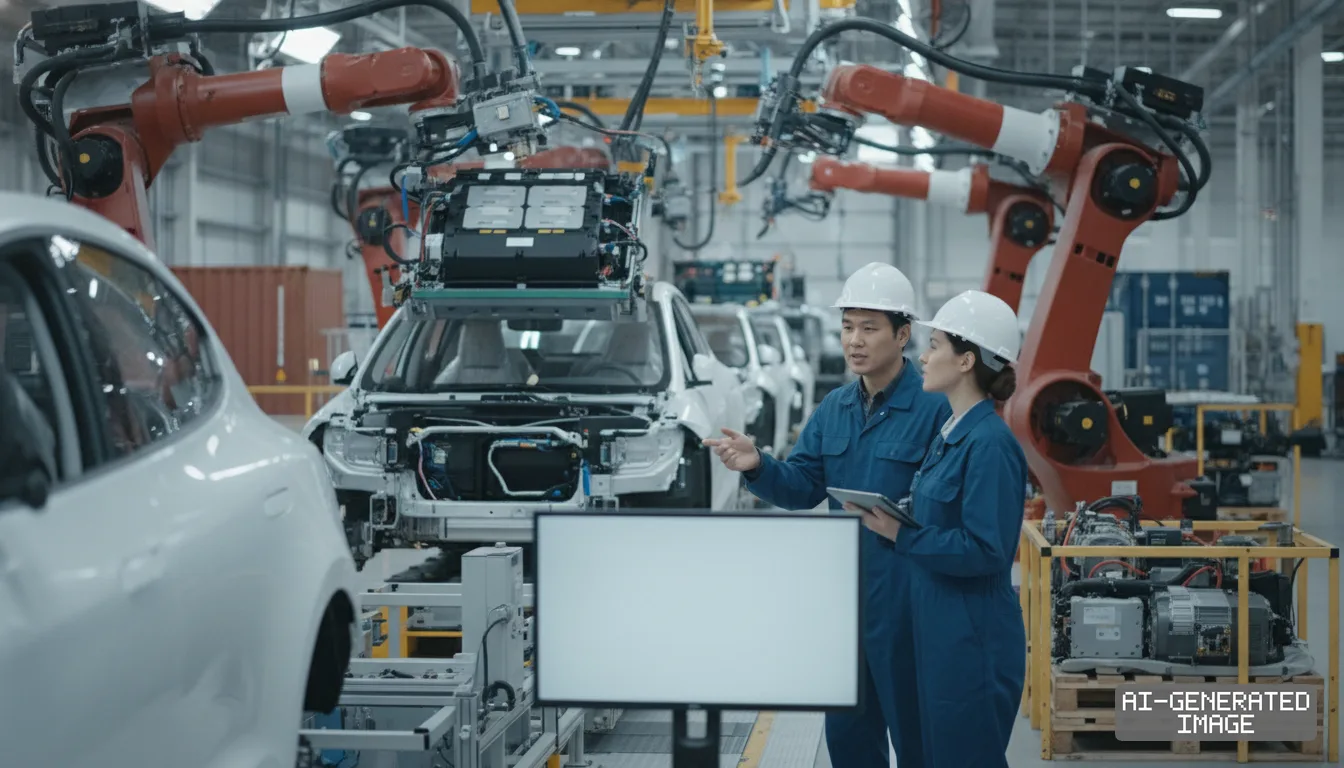
Officials initially omitted finished electric vehicles from the draft tax package, arguing that vehicle makers already benefit from direct retail buyer incentives and existing equipment tax deductions. The exclusion prompted pushback from vehicle assemblers facing factory utilization declines.
Nineteen lawmakers across governing and opposition parties filed an amendment on Oct. 16 to add assembled electric passenger cars to the Restriction of Special Taxation Act. The legislative proposal establishes a production-linked tax credit baseline of four million won ($2,900) per completed vehicle.
Finance Minister Lee Hyoung-il told parliamentary auditors on Oct. 22 that the government would review adding electric vehicles to the production credit framework after holding field consultations in early November.
Lee subsequently met on Oct. 25 with Industry Minister Kim Jung-kwan and Climate Minister Kim Sung-whan to review operational options during an economic ministerial consultation in Seoul.
The ministries are responding to capital realignments by domestic manufacturers that accelerated after overseas jurisdictions introduced volume-based operational subsidies. United States and European policies have drawn capital expenditure toward overseas regional production hubs.
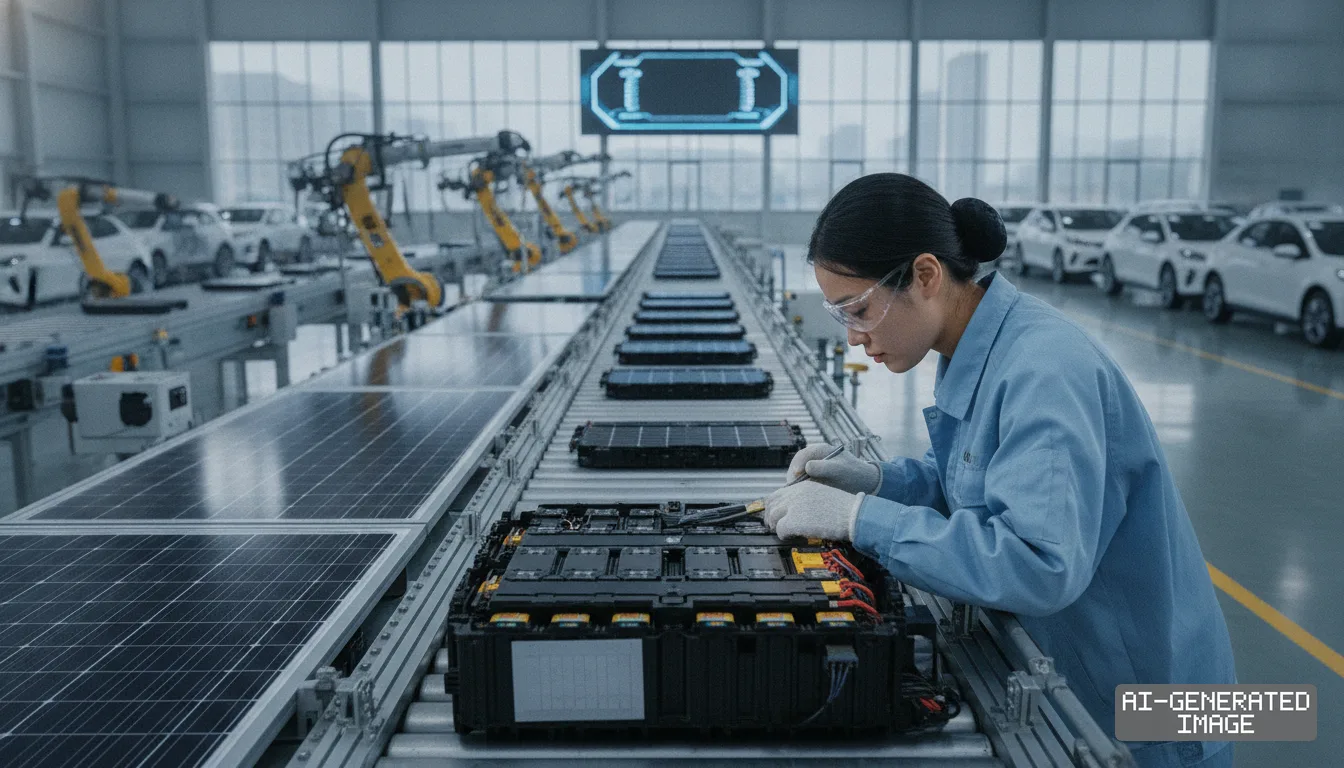
LG Energy Solution holds more than 40% of its order backlog in North American facilities eligible for United States Section 45X production credits, creating cost disparities against its domestic factories in Ochang.
Samsung SDI and SK On face identical pressures as United States battery incentives award up to $35 per kilowatt-hour for domestic cell production. Korean cell lines operate without equivalent output-linked tax support.
Hyundai Motor Company manufactures over 250,000 electric vehicles annually across its domestic assembly lines in Ulsan and Asan, while expanding operations at its dedicated electric plant in the United States state of Georgia.
Automakers argue that vehicle manufacturing underpins domestic battery and parts ecosystems, where domestic employment exceeds 340,000 workers across component and vehicle assembly plants.
South Korea's major battery makers committed eight trillion won ($5.8 billion) in domestic research and facility spending by 2030 under an industry roadmap released Sept. 22. Cell makers said that capital subsidies alone cannot overcome persistent operating cost disadvantages against overseas plants.
Regional competitors have established operational support structures for clean-technology production. Japan provides production credits worth up to 400,000 yen ($2,600) per electric vehicle, while India returns 13% to 16% of qualified sales under production-linked incentive programs.
The structure of the South Korean mechanism remains a key point of divergence from overseas policies. The current draft confines the benefit to corporate tax deductions rather than direct cash reimbursements.
Under the government design, a facility operating at an annual loss cannot monetize the credit in the year output is generated. The government rejected direct payment mechanisms and third-party transferability, citing national fiscal limits and World Trade Organization rules.
Industry associations have asked the National Assembly to include transferable tax vouchers or cash rebates to mirror Section 6417 of the United States Internal Revenue Code.
The Ministry of Economy and Finance has not published the unit credit values per kilowatt-hour for battery cells, and the government has not agreed to include direct cash refunds for loss-making facilities.
The National Assembly Strategy and Finance Committee begins formal clause-by-clause review of the tax revision bill in November, with legislative votes scheduled ahead of the statutory budget deadline on Dec. 2.
Impact map
How this development propagates across the region and out to global buyers.
| Event | Korea | China | Japan | Global impact |
|---|---|---|---|---|
| Korea domestic production tax credit expansion | Hyundai and cell makers gain domestic operating cost relief, EV credit proposed at 4 million won per unit | BYD and Shanghai-built imports face narrowed price advantage in Korean market | Toyota and Japanese cell plants see Korea match Tokyo's domestic output credits | Global EV battery supply chain slows migration to North America as Korean mother factories gain subsidies |
In this story
- Companies
- Hyundai Motor CompanyLG Energy SolutionSamsung SDISK On
- Tickers
- 005380.KS373220.KS006400.KS
- Policy
- Tax CreditsSubsidies
- Impact
- Cost StructureCapexCompliance
Track every Tax Credits development → Track every Subsidies development →
Related briefings
- Hyundai warns Chinese robots will outpace electric vehicles Also on Hyundai Motor Company, Tax Credits, Cost Structure
- Korea Cuts EV Subsidies on Low Energy Density Cells, Squeezing LFP Imports Also on Hyundai Motor Company, SK on, LG Energy Solution
- Hyundai accelerates Ulsan EV conversion to balance export lines with global demand Also on Hyundai Motor Company, SK On, LG Energy Solution
- SK On and GS Caltex Advance Immersion Cooling Packs for High-Voltage EV Fleets Also on Hyundai Motor Company, SK On, Compliance
Sources
Primary documents
Reporting
Confidence: high — how we grade this
The documents behind this briefing are linked above. East Asia Brief produces its English text with AI assistance under human editorial review, and does not translate or republish other outlets' articles. See our methodology and AI policy. Spotted an error? Tell us.
The Morning Brief
What changed in Korean, Chinese and Japanese industry overnight — and what it means for your supply chain. One email, weekday mornings, US time. Free.
The Morning Brief is in preparation. Leave your address and we will write to you once — when the first issue is ready. Nothing before that.