USTR accelerates Section 301 probe to hit year-end target
The inquiry into manufacturing overcapacity puts Korean battery and chemical exporters at risk after a $56 billion bilateral goods surplus finding in 2024.
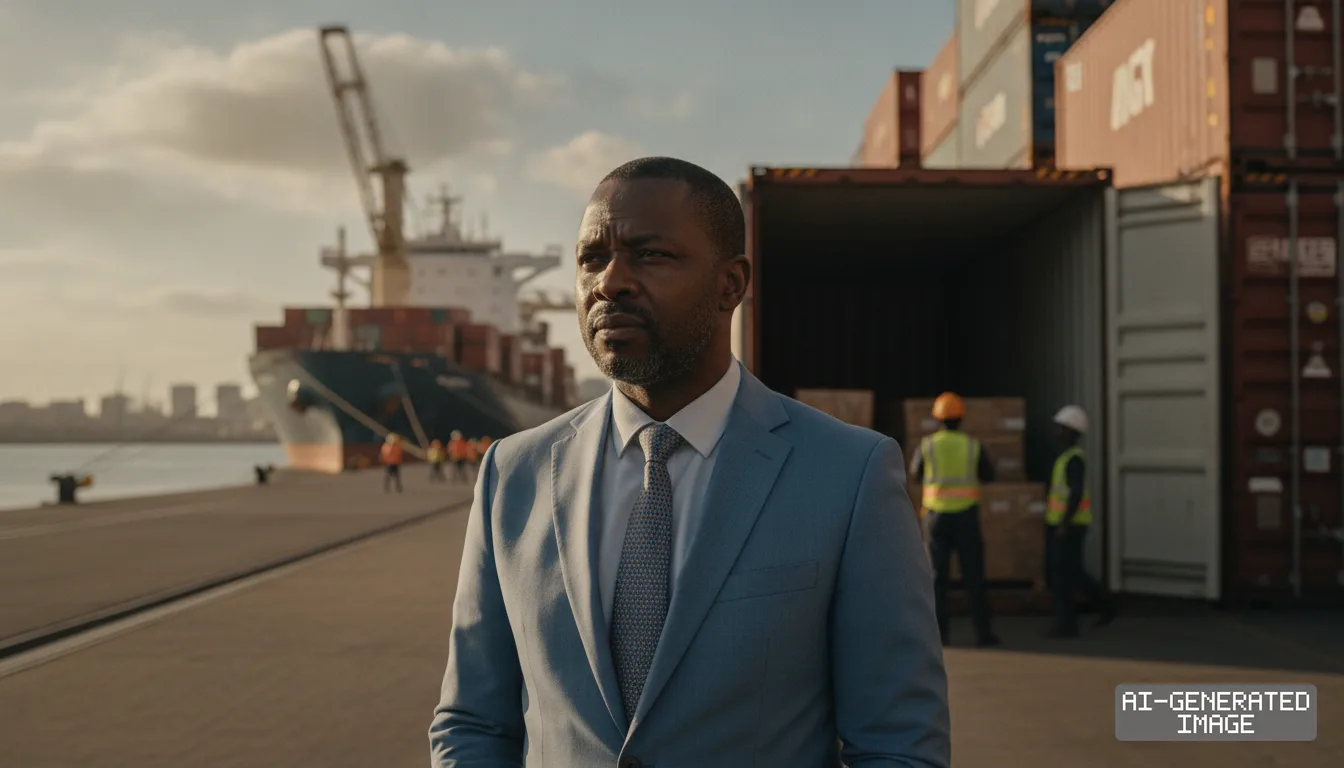
United States Trade Representative Jamieson Greer confirmed on Nov. 21, 2026 that Washington's Section 301 investigation into manufacturing overcapacity across 16 economies will conclude before year-end, months ahead of statutory deadlines.
The inquiry targets 21 manufacturing sectors across 16 economies that generated a combined $56 billion bilateral goods trade surplus for South Korea in 2024. That surplus represents roughly 108% of South Korea's total global goods trade surplus of $52 billion that year.
Greer declined to specify preliminary tariff rates or country-specific penalty schedules during a television interview, emphasizing that final determinations will arrive before the calendar closes.
Under 19 U.S.C. § 2414, the statutory deadline gives the trade agency 12 months to conclude Section 301 investigations, which placed the original deadline on March 11, 2027. Wrapping up the probe in December accelerates the procedural timetable by roughly three months.
The investigation began formally on March 11, 2026, under Dockets USTR-2026-0067 and USTR-2026-0068, following an initial notice in the Federal Register. The docket examines whether foreign policies causing structural excess production are unreasonable or discriminatory.
The 16 investigated jurisdictions include South Korea, China, Japan, Taiwan, the European Union, India, Mexico, Vietnam, Thailand, Malaysia, Indonesia, Singapore, Switzerland, Norway, Cambodia and Bangladesh.
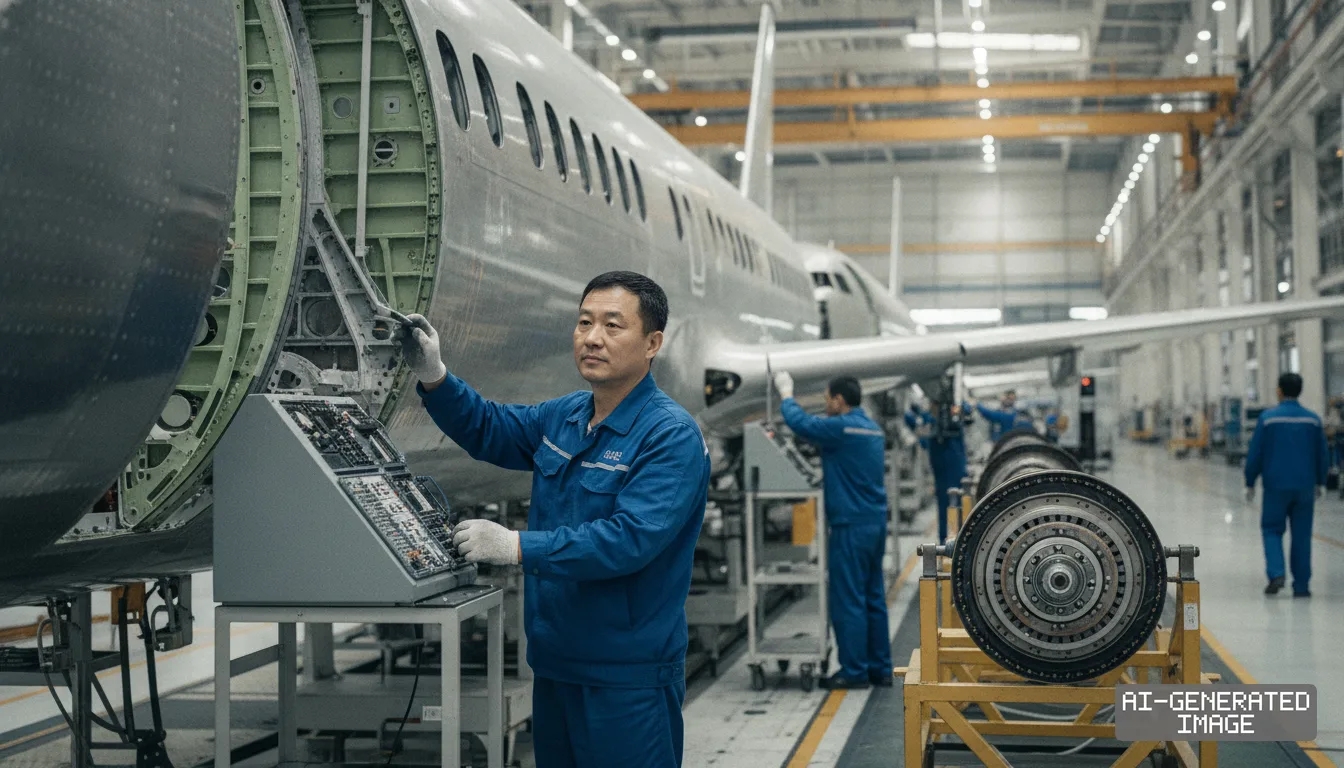
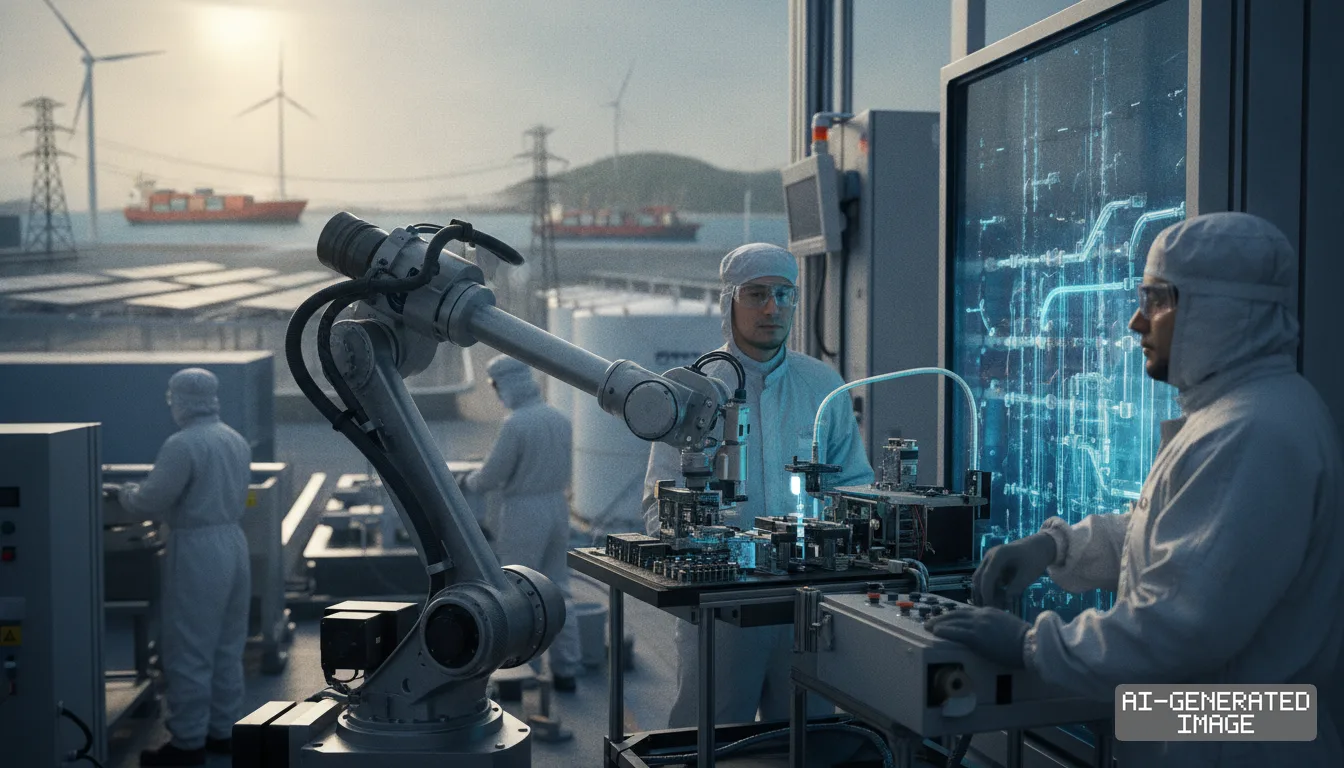
Washington's sectoral scope covers automobiles, lithium-ion batteries, foundational semiconductors, industrial chemicals, plastics, steel, aluminum, robotics, solar modules and precision machinery. The Office of the United States Trade Representative alleges foreign subsidies and persistent export dumping suppress domestic American factory wages and output.
South Korean exporters now face tariff risks mirroring those established during Washington's previous trade enforcement actions earlier this year.
On July 23, 2026, the agency issued a final determination under a separate Section 301 forced-labor inquiry, imposing tariffs ranging between 10% and 12.5% on 60 economies. Under that July ruling, South Korea, Japan and Switzerland received a 12.5% tariff rate net of most-favored-nation duties.
The overcapacity probe followed a comparable administrative pathway. The interagency Section 301 Committee held formal public hearings in Washington from May 5 through May 8, 2026, collecting testimony from foreign trade representatives and industrial federations.
In official comments filed to the docket, the South Korean government argued that its manufacturing output reflects market-driven capital investment rather than non-market state subsidies. Seoul highlighted structural industrial restructuring to demonstrate that domestic factory additions remain tethered to commercial demand.
Seoul also sought multilateral alignment to avert punitive duty orders. On Oct. 1, 2026, South Korea joined the United States, Japan, the European Union and 11 other governments in signing a G20 Joint Ministerial Statement addressing structural excess production.
The joint ministerial agreement created sectoral dialogue platforms focusing on five industries: electric vehicles, advanced batteries, basic chemicals, foundational semiconductors and solar panels. The White House has not stated whether signatory status shields partner economies from eventual Section 301 duties.
Corporate exposure among South Korean manufacturers concentrates heavily in battery cells and petrochemical commodities.
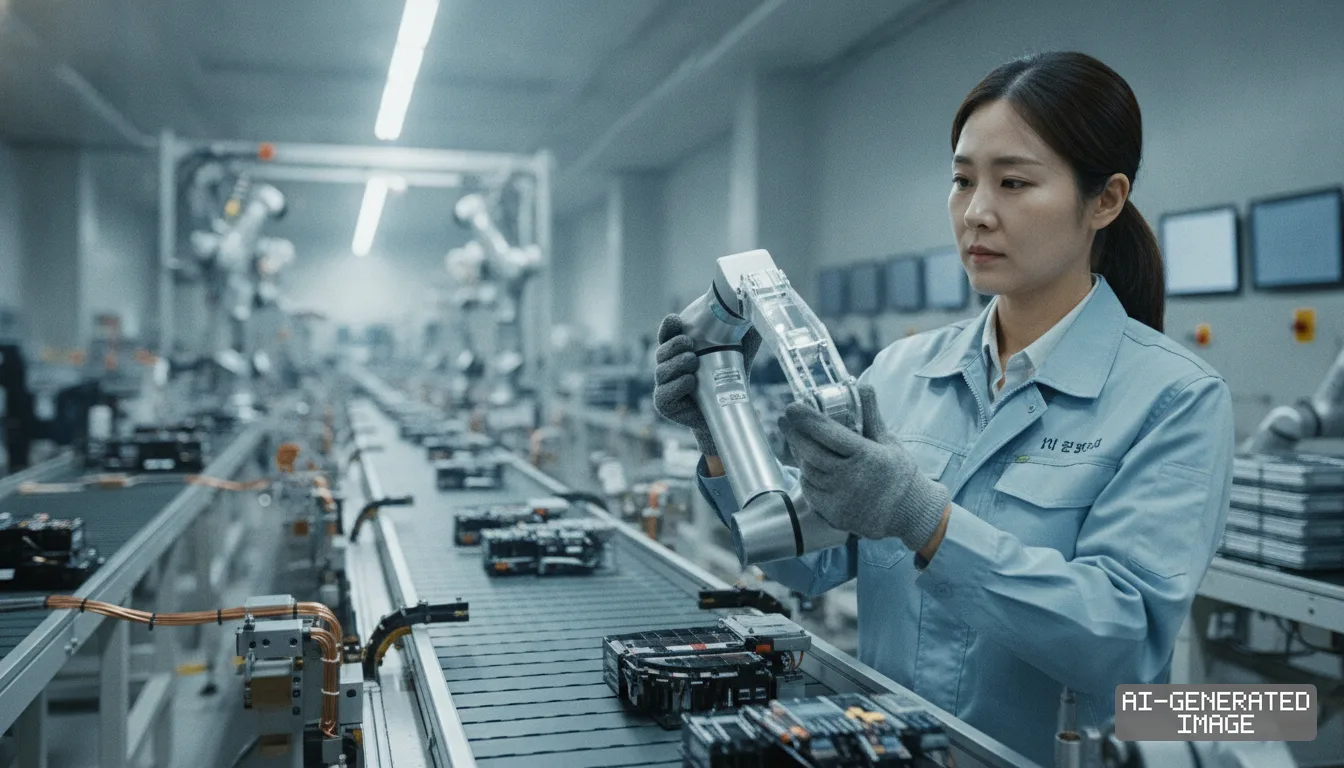
LG Energy Solution drew 9.6 trillion won ($7.2 billion) in consolidated revenue during the third quarter of 2026, driven by North American energy storage shipments. The cell manufacturer collected 417 billion won ($310 million) in United States advanced manufacturing production credits during the same three-month period.
While LG Energy Solution operates local factories in North America, finished battery cells shipped directly from South Korea remain subject to potential import levies. The company holds a global energy storage backlog of 160 gigawatt-hours.
South Korea's petrochemical producers face equal vulnerability. LG Chem recorded 4.5 trillion won ($3.3 billion) in petrochemical sales during the first quarter of 2026.
Plastics and basic resins represent key inputs targeted by the USTR overcapacity docket. South Korean chemical exporters already absorbed operating margin erosion throughout 2026 following elevated feedstock costs and existing import restrictions.
The Office of the United States Trade Representative will issue its final overcapacity determination and country remedy schedules before Dec. 31.
The trade agency has not published determination findings, proposed tariff rates or product-level exclusion lists for the overcapacity docket.
Impact map
How this development propagates across the region and out to global buyers.
| Event | Korea | China | Japan | Global impact |
|---|---|---|---|---|
| Section 301 Overcapacity Determination | LG Energy Solution and LG Chem face punitive duties after absorbing 12.5% forced-labor tariffs in July | Comprehensive duties threaten battery, solar and semiconductor export shipments | Automotive and precision machinery exporters face potential duty margins matching South Korea | Industrial supply chains face pricing shocks across 21 manufacturing sectors |
In this story
- Companies
- LG Energy SolutionLG Chem
- Tickers
- 373220.KS051910.KS
- Policy
- Tariffs
- Impact
- PricingSupply ChainOrder Book
Track every Tariffs development →
Related briefings
- LG Chem Sells $1.9B LG Energy Solution Stake, Shares Plunge 8.6% Also on LG Chem, LG Energy Solution, Pricing
- Korean cathode makers retool production lines for LMFP chemistry as price war spreads Also on LG Chem, Tariffs, Pricing
- Korean cathode makers pivot to LMR to halt Chinese LFP gains in EVs Also on LG Chem, LG Energy Solution, Order Book
- Chinese export curbs push Korean cathode makers toward manganese Also on LG Chem, LG Energy Solution
Sources
Primary documents
Reporting
Confidence: high — how we grade this
The documents behind this briefing are linked above. East Asia Brief produces its English text with AI assistance under human editorial review, and does not translate or republish other outlets' articles. See our methodology and AI policy. Spotted an error? Tell us.
The Morning Brief
What changed in Korean, Chinese and Japanese industry overnight — and what it means for your supply chain. One email, weekday mornings, US time. Free.
The Morning Brief is in preparation. Leave your address and we will write to you once — when the first issue is ready. Nothing before that.