Iran pitches $300B transport and energy portfolio in Shanghai forum
Tehran presented 150 ventures across 11 sectors at the import expo to finance $250 billion in five-year modernization goals under its 25-year Beijing pact.
The Iranian Ministry of Economic Affairs and Finance presented a $300 billion project portfolio to Chinese investors on Nov. 8, 2026, targeting energy, transport and petrochemical supply chains.
The pitch covers approximately 150 projects across 11 strategic sectors, designed to modernise national production and deepen overland trade corridors toward East Asia.
The presentation came during an investment forum held alongside the ninth China International Import Expo in Shanghai. It reflects an effort to secure capital under the 25-year comprehensive strategic partnership signed in 2021.
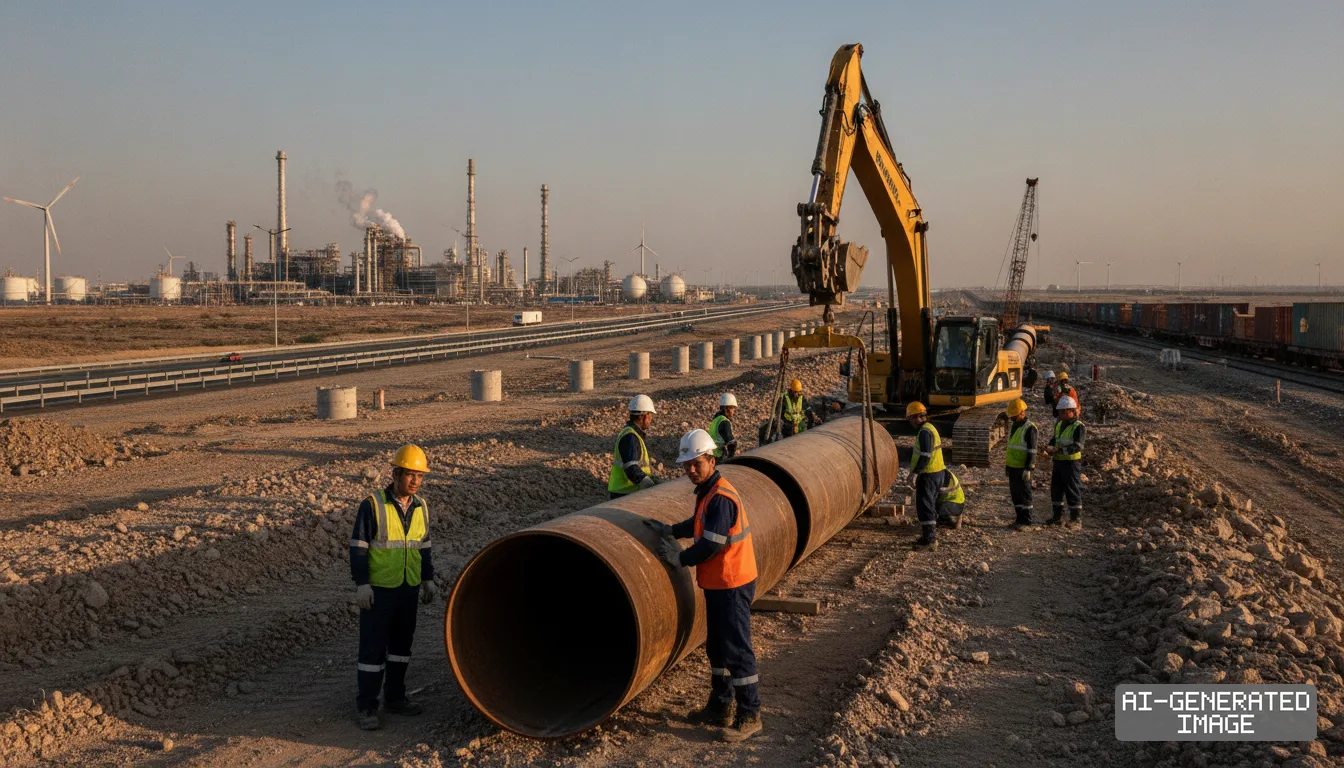
The package requires $250 billion in energy and infrastructure modernization over five years, representing about 83% of the total program. It also earmarks more than $45 billion for roughly 30 petrochemical installations.
The initiative seeks to anchor Chinese industrial demand directly to Iranian processing hubs. That structure bypasses maritime chokepoints and insulates trade flows from unilateral Western economic sanctions.
China remains Iran's primary trading counterparty and the principal buyer of its crude output. Private refiners in Shandong process between 1.1 million and 1.4 million barrels per day of discounted Iranian crude.
State-owned energy enterprises sit directly in the path of the proposal. China National Petroleum Corporation and China Petrochemical Corporation run downstream facilities capable of processing heavy Iranian sour grades.
Equipment suppliers also face direct exposure. China National Chemical Engineering books roughly 18% of its overseas construction revenue in Eurasian basic chemical plants, positioning the group for prospective engineering contracts.
Iranian officials offered statutory investment protections to attract cautious Chinese state and private firms. The incentives rely on the Foreign Investment Encouragement and Protection Act.
The legal framework permits 100% foreign equity ownership, guarantees the repatriation of capital and operating profits in foreign currency, and grants access to international commercial arbitration.
Tehran has also introduced a foreign currency bond mechanism. The instrument allows foreign participants to clear capital contributions, dividend distributions and debt repayments outside the dollar clearing system.
Upgrading overland logistics forms the second major pillar of the capital drive. Iranian planners want to expand railway freight capacity connecting Central Asia to the Persian Gulf.
Iran's Supreme National Security Council ratified the bilateral agreement with Russia on the Rasht-Astara railway line. That link forms the final segment of the western International North-South Transport Corridor.
Completing the rail link enables direct containerized freight movement from Baltic ports to Bandar Abbas. It cuts transit duration between East Asia and Europe to under 20 days.
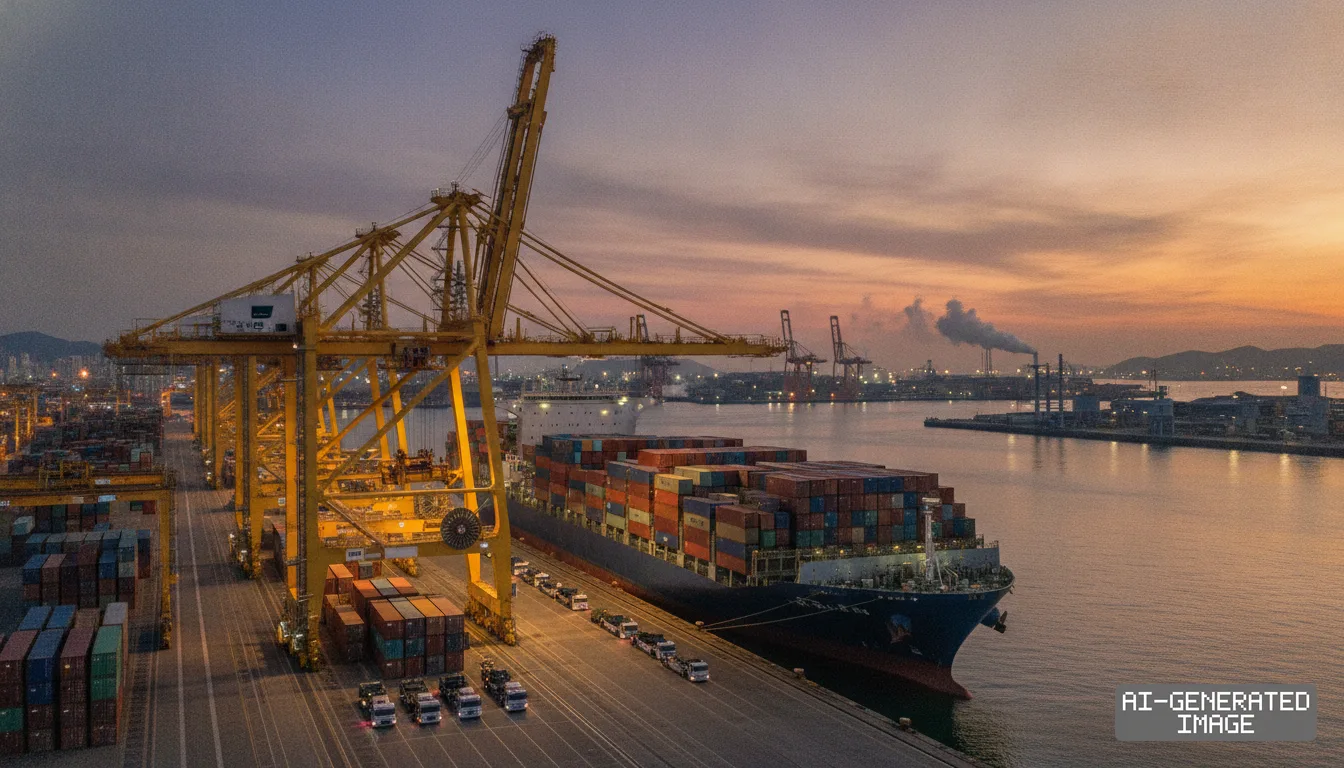
Chinese logistics operators have sought alternative overland routes since maritime transit risks rose in the Red Sea. Rail transit through Central Asia and Iran reduces dependency on vulnerable maritime chokepoints.
Industrial planners in Tehran also propose downstream processing zones along the southern Makran coastline. The zones would refine crude petroleum and natural gas before maritime export toward Asian markets.
Developing processing hubs at the port of Jask reduces reliance on the Strait of Hormuz. That shift lowers maritime insurance surcharges that currently inflate Iranian delivery costs by $4 to $6 per barrel.
Chinese buyers secure significant commercial discounts by taking Iranian energy volumes. Independent Chinese refiners capture discounts of $8 to $11 per barrel against Brent benchmarks, offsetting compliance and transshipment overheads.
Expanding Iranian refining capacity into synthetic chemicals would shift the bilateral trade mix. Tehran exports raw fuels today but intends to export ethylene glycol, methanol and polymer resins under the new installations.
The shift would supply Chinese plastics fabricators with lower-cost intermediate chemical feedstocks. That procurement advantage strengthens mainland manufacturing margins as domestic petrochemical operating rates hover near 72%.
Financial clearing remains the central hurdle for any prospective Chinese participant. Iranian banks remain cut off from the SWIFT international messaging system, and the country remains on the Financial Action Task Force blacklist.
Bilateral settlements rely primarily on the Cross-Border Interbank Payment System and non-dollar clearing accounts in regional intermediaries. Iranian trade offices have opened dedicated commercial windows in Shanghai to clear non-dollar invoices.
The trade ministry has not published the itemized roster of the 150 projects, and Chinese authorities have disclosed no binding equity commitments or sovereign loan guarantees.
The ninth import expo in Shanghai concludes Nov. 10, 2026, when bilateral technical working groups will schedule formal project reviews in Tehran.
Impact map
How this development propagates across the region and out to global buyers.
| Event | Korea | China | Japan | Global impact |
|---|---|---|---|---|
| Iran $300B project offer | Korean engineering firms remain excluded from upstream Iranian tenders under secondary sanction rules | Independent refiners preserve 1.1M-1.4M bpd feedstocks, CNCEC gains potential engineering pipeline | Japanese refiners keep Gulf crude dependence near 95%, unable to access Iranian discounts | Eurasian overland transit capacity increases, bypassing Malacca and Hormuz chokepoints |
In this story
- Companies
- China National Petroleum CorporationChina Petrochemical CorporationChina National Chemical Engineering
- Tickers
- 601857.SS600028.SS601117.SS
- Policy
- SanctionsInvestment Screening
- Impact
- Supply ChainCapexOrder Book
Related briefings
- Trump signs sanctions act authorizing 100% tariffs on oil buyers Also on China National Petroleum Corporation
- Trump waives 100% secondary tariffs on Indian energy imports Also on Sanctions
- China curbs drone tech exports to US defense contractors in 2026 Also on Sanctions
- Trump labels robotics imports a US national security threat Also on Investment Screening
Sources
Reporting
Confidence: medium — how we grade this
The documents behind this briefing are linked above. East Asia Brief produces its English text with AI assistance under human editorial review, and does not translate or republish other outlets' articles. See our methodology and AI policy. Spotted an error? Tell us.
The Morning Brief
What changed in Korean, Chinese and Japanese industry overnight — and what it means for your supply chain. One email, weekday mornings, US time. Free.
The Morning Brief is in preparation. Leave your address and we will write to you once — when the first issue is ready. Nothing before that.