Canada renews China tariff exemptions as bilateral shipments top CA$21B
Prime Minister Mark Carney ruled out a bilateral free trade deal ahead of CUSMA review talks while targeting a 50% increase in exports to China by 2030.
Canadian Prime Minister Mark Carney signaled Nov. 7, 2026, that Ottawa is broadening bilateral commodity pacts with China while upholding treaty curbs that rule out a free trade deal.
The federal government renewed reciprocal tariff remissions to shield domestic exporters from worsening North American cross-border duties. Canadian merchandise shipments to China expanded 31.4% to CA$21.5 billion ($15.8 billion) during the first half of 2026.
Ottawa established an official target to increase exports to China by 50% by 2030. The United States took 68% of total Canadian merchandise exports during the first three quarters of 2026, falling from 75% in prior years.
International Trade Minister Maninder Sidhu concluded bilateral negotiations in Beijing with Chinese Commerce Minister Wang Wentao. The two ministers co-chaired the 29th ministerial session of the Joint Economic and Trade Commission.
The ministers agreed to extend the Preliminary Joint Arrangement through Dec. 31, 2028. The original agreement was negotiated in January 2026 and had been scheduled to lapse at the end of this year.
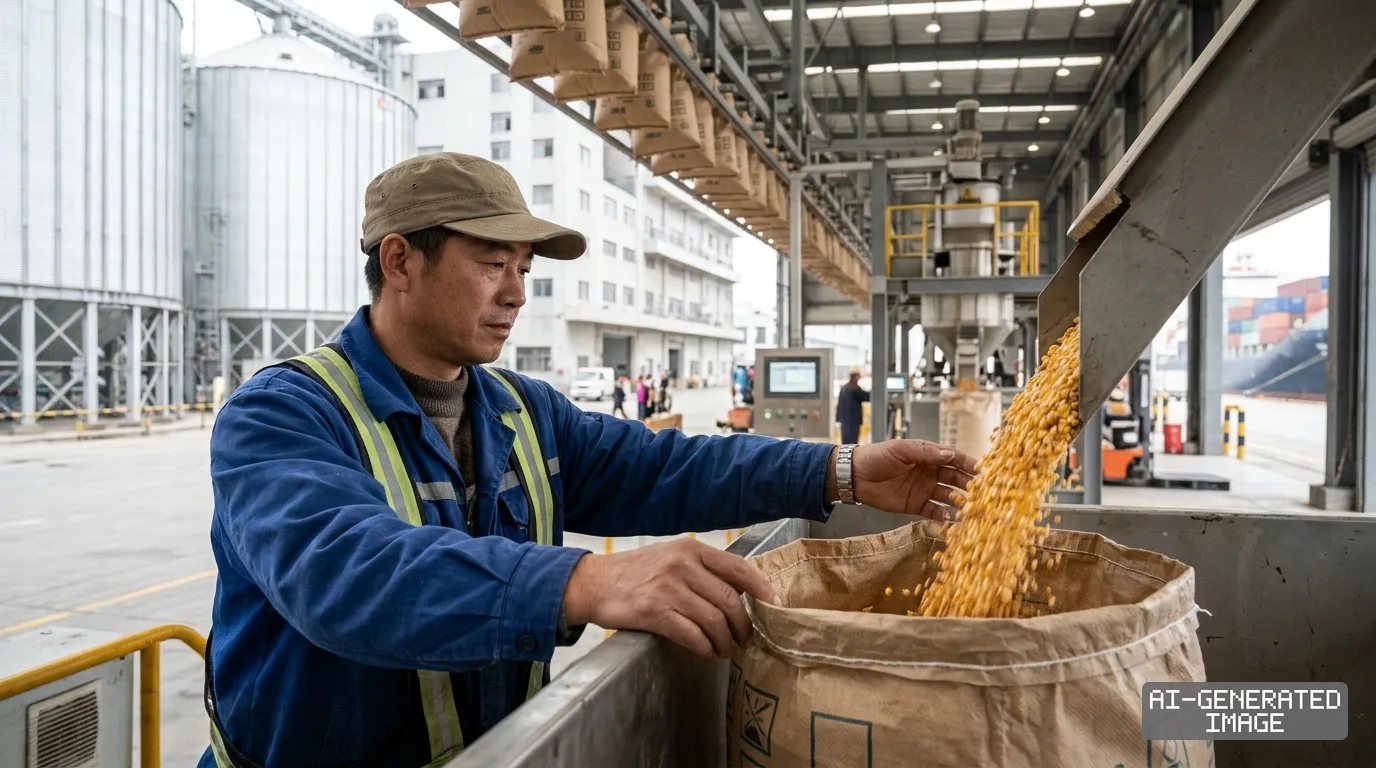
China agreed to maintain full tariff suspensions on Canadian canola meal and dried peas. Those commodities faced retaliatory duties of 100% before the initial bilateral truce took effect in March.
Chinese customs authorities also extended tariff suspensions on Canadian lobster and crab shipments through late 2028. Chinese buyers had previously levied an extra 25% duty on Canadian seafood.
Trade barriers remain in place for other core agricultural products. Canadian canola seed shipments to China carry a 14.9% combined tariff, reflecting a 5.9% anti-dumping deposit and a 9% base duty.
Canola oil exports from Canada face a 100% Chinese tariff. The Canadian Canola Growers Association represents 40,000 farmers operating in a $4 billion annual seed market to China.
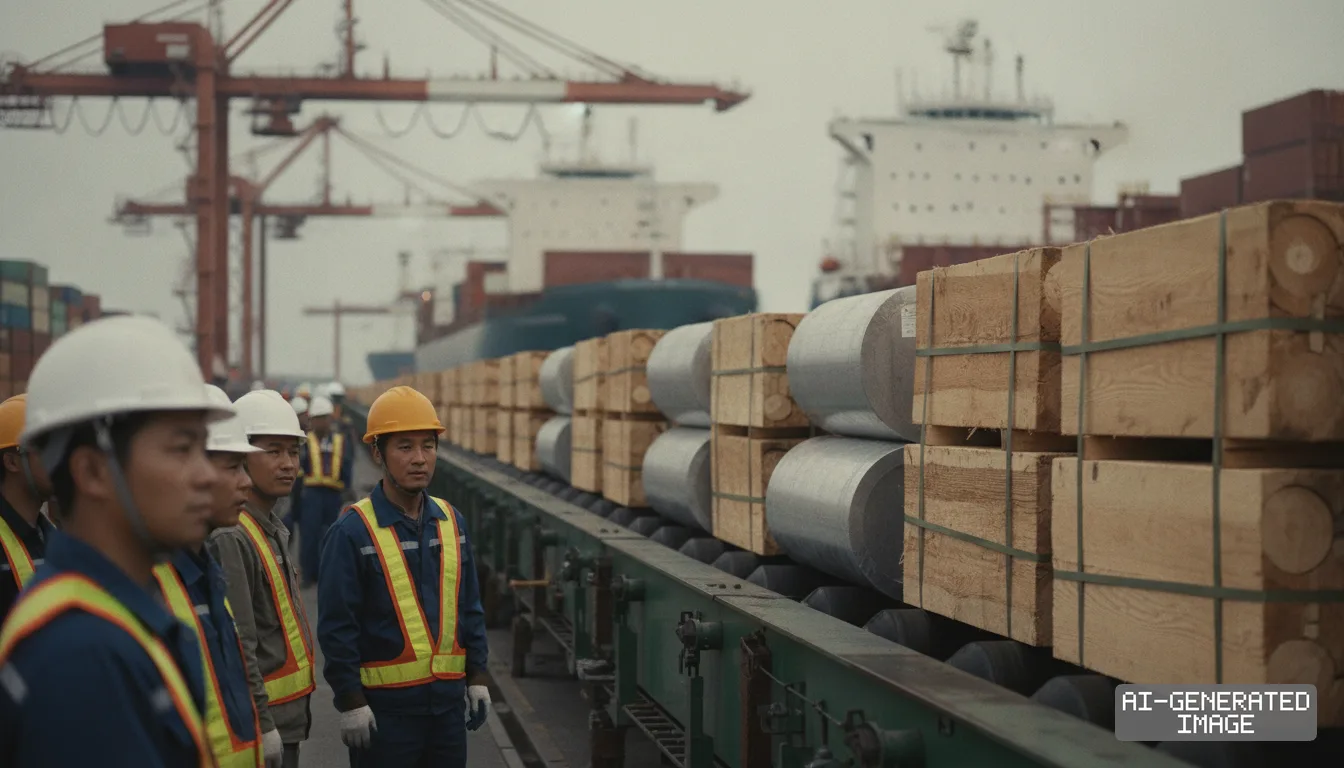
Canada agreed to reciprocate by extending tariff remission on Chinese steel and aluminum through 2028. The remission applies strictly to metal product categories that domestic Canadian mills do not manufacture.
The broader framework preserves an annual Canadian quota allowing 49,000 Chinese electric vehicles at a 6.1% tariff. Ottawa previously maintained a 100% surtax on Chinese electric car imports.
State-owned grain trader COFCO handles more than 40% of China's total agricultural imports. The company purchased 540,000 tonnes of trial canola cargoes to test supply diversification across foreign origins.
Agriculture Minister Heath MacDonald met the president of COFCO in Beijing to secure direct purchase allocations. Canada's agricultural export trade sustains more than 600,000 domestic jobs, the trade ministry said.
Carney told reporters in Winnipeg that Ottawa will not negotiate a free trade agreement with Beijing. Washington warned earlier in 2026 that non-market free trade pacts would trigger punitive border tariffs against Canadian manufacturing.
Article 32.10 of the Canada-United States-Mexico Agreement requires member states to notify partners before entering free trade negotiations with non-market economies. A breach permits member countries to terminate the trilateral treaty on six months of notice.
The Carney government has instead focused on bilateral sector arrangements to protect resource shipments. The prime minister stated that Canada must maintain stability with China without weakening North American integration.
Chinese Vice Premier He Lifeng travels to Canada next week to co-chair macroeconomic consultations. The meeting reactivates the high-level Economic and Financial Strategic Dialogue after an eight-year lapse.
Carney will travel to Shenzhen, China, on Nov. 18 to attend the Asia-Pacific Economic Cooperation summit. The prime minister is scheduled to hold bilateral talks with Chinese President Xi Jinping during the summit.
The prime minister plans official visits to Ireland, the Philippines and Cambodia before arriving in Shenzhen. Trade officials are drafting regional free trade frameworks with the Association of Southeast Asian Nations to broaden Pacific supply routes.
The Prime Minister's Office has not published any framework proposing a free trade agreement with Beijing, and Canadian officials have not filed treaty notifications under CUSMA Article 32.10.
Impact map
How this development propagates across the region and out to global buyers.
| Event | Korea | China | Japan | Global impact |
|---|---|---|---|---|
| bilateral tariff relief extension | shields agricultural exports from sudden Chinese cargo diversion | COFCO secures canola meal and pea supplies through Dec. 31, 2028 | auto assemblers monitor Canadian 49,000 Chinese EV quota impact | North American automotive and grain trade adjusts to CUSMA Article 32.10 constraints |
In this story
- Companies
- COFCO
- Exposed
- Canadian Canola Growers Association
- Policy
- Tariffs
- Impact
- Supply ChainPricing
Track every Tariffs development →
Related briefings
- China MOFCOM Excludes Soybeans From $30B US Tariff Relief Also on COFCO, Tariffs, Pricing
- Malaysia chip packaging hub faces renewed US Section 301 tariff review Also on Tariffs, Pricing
- China ties US farm imports to reciprocal $60bn tariff cuts Also on Tariffs, Pricing
- Philippines seeks zero Japan tariffs on farm and tobacco goods Also on Tariffs, Pricing
Sources
Reporting
Confidence: medium — how we grade this
The documents behind this briefing are linked above. East Asia Brief produces its English text with AI assistance under human editorial review, and does not translate or republish other outlets' articles. See our methodology and AI policy. Spotted an error? Tell us.
The Morning Brief
What changed in Korean, Chinese and Japanese industry overnight — and what it means for your supply chain. One email, weekday mornings, US time. Free.
The Morning Brief is in preparation. Leave your address and we will write to you once — when the first issue is ready. Nothing before that.