Samsung Heavy taps Morimura to build SOFC fuel cells by 2028
The agreement pairs the South Korean shipyard with the Japanese ceramic specialist to deliver auxiliary power modules for ships and data centers.
Samsung Heavy Industries signed an agreement with Japan's Morimura SOFC Technology on Nov. 9, 2026, to develop solid oxide fuel cell power systems for vessels and floating data centers.
The pact targets commercial deployment by 2028. The companies did not disclose capital expenditure figures or stack volumes, but the program marks Samsung Heavy's push beyond reciprocating diesel engines toward electrochemical power.
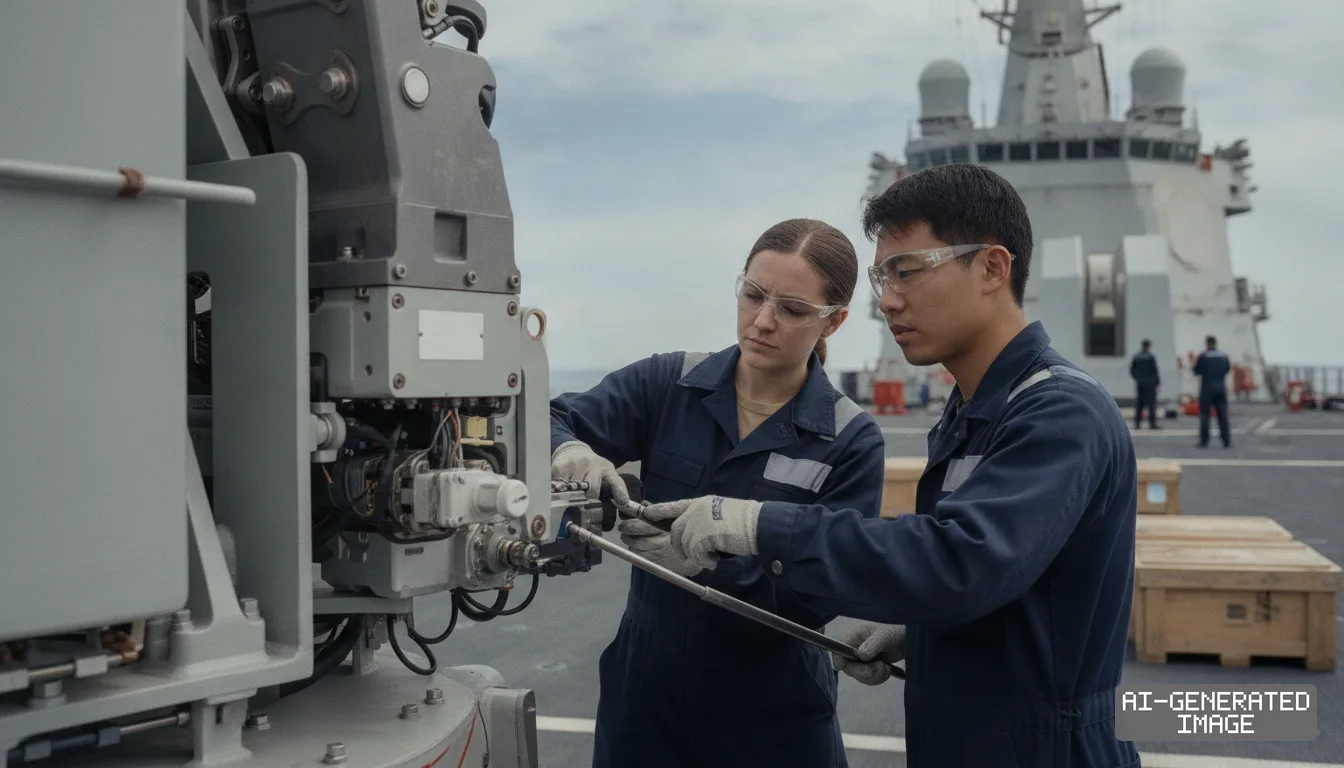
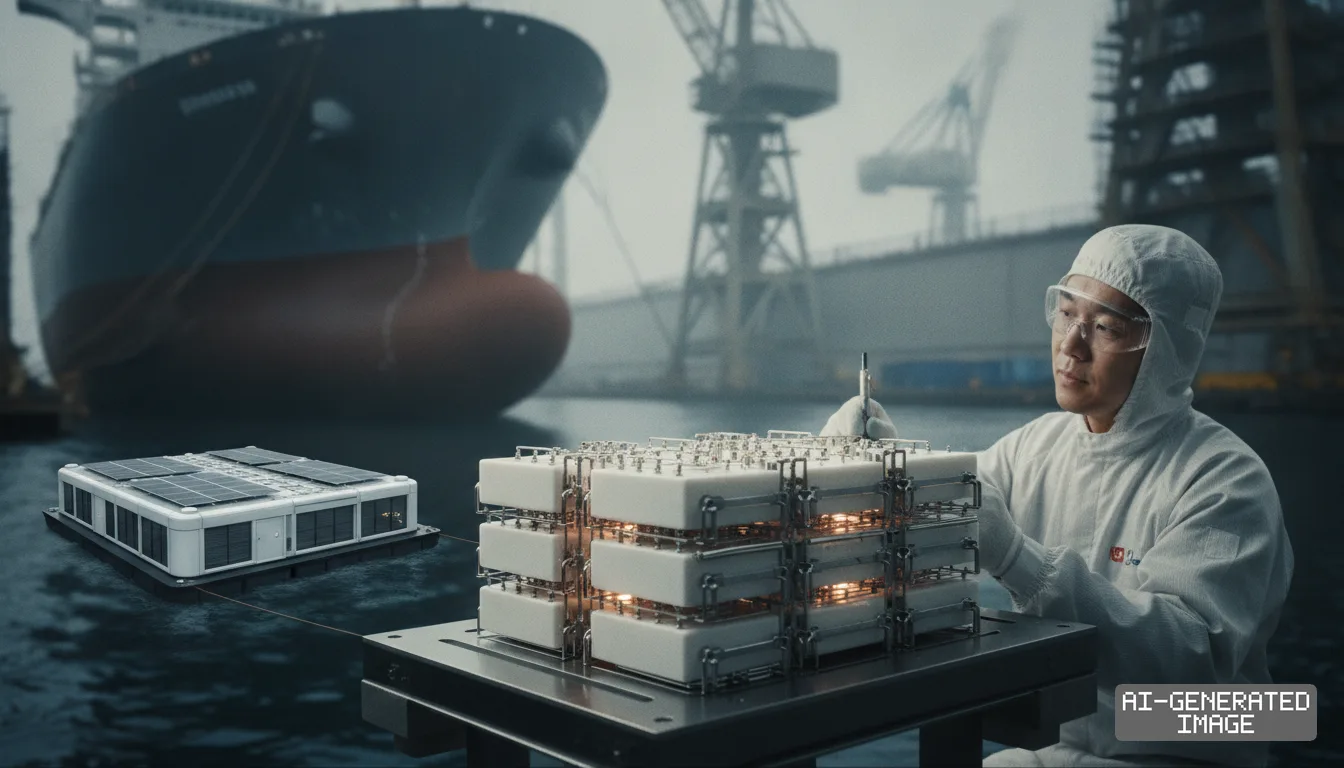
Under the agreement, Samsung Heavy Industries will engineer the balance of plant, manage modular packaging and secure marine classification approvals. Morimura SOFC Technology will manufacture the electrochemical ceramic cells and stack modules.
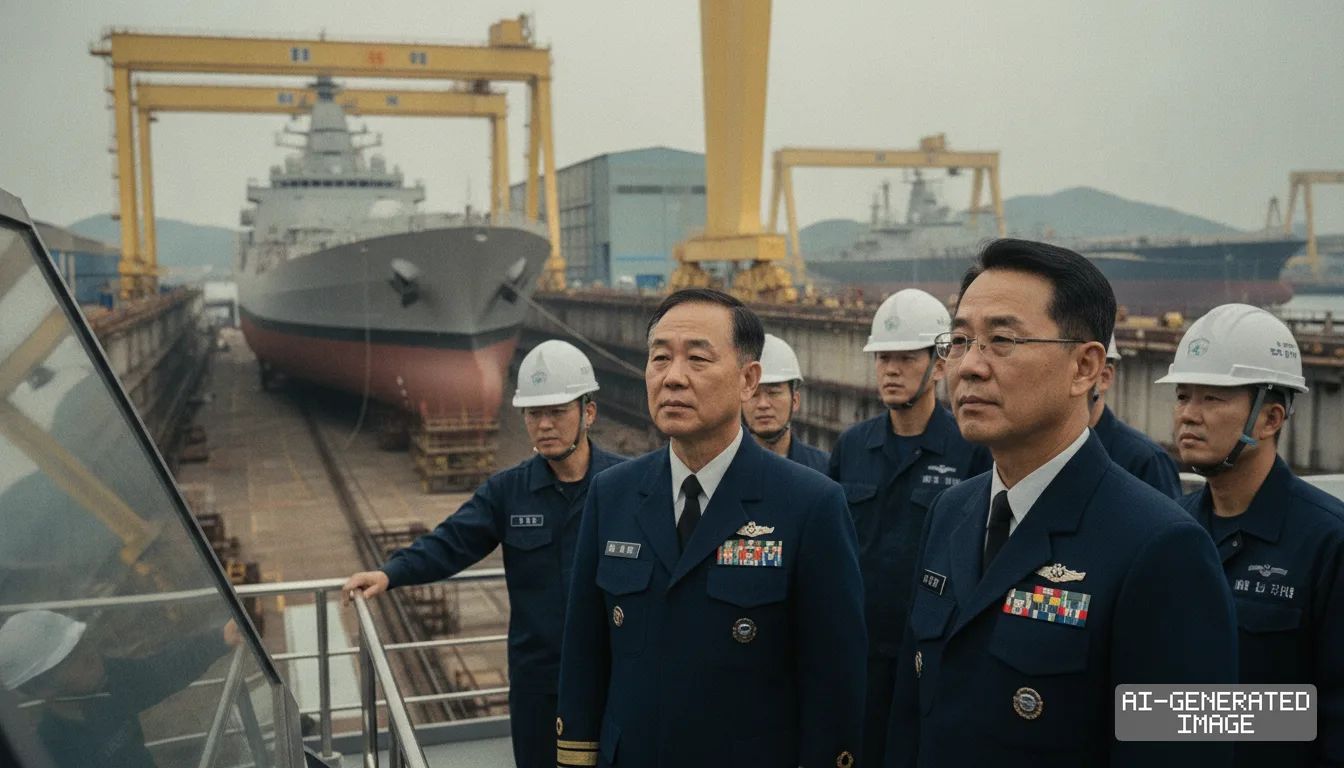
The signing took place at Samsung Heavy's Pangyo research and development center in Seongnam, Gyeonggi Province. Kim Kyung-hee, executive vice president of future business at Samsung Heavy, met Morimura representative director Yoshikuni Sato.
Morimura SOFC Technology operates as an advanced ceramics affiliate within Japan's Niterra group in Aichi Prefecture. The company mass-produces flat-plate ceramic stacks engineered for compact physical dimensions and high power density.
Solid oxide fuel cells generate electricity electrochemically by reacting gaseous fuel with oxygen across a solid ceramic electrolyte. The reaction operates at high temperatures without open combustion, eliminating sulfur oxides, nitrogen oxides and particulate emissions.
Electrical conversion efficiency for solid oxide systems exceeds 55%, outperforming conventional marine internal combustion engines. When capturing high-temperature waste thermal heat for onboard utilities, combined system efficiency can surpass 80% under continuous baseload operation.
For commercial vessels, fuel cells lower routine maintenance overhead because electrochemical stacks operate without pistons, fuel injectors or crankshafts. That mechanical simplicity eliminates vibration and reduces unexpected equipment failure during long voyages.
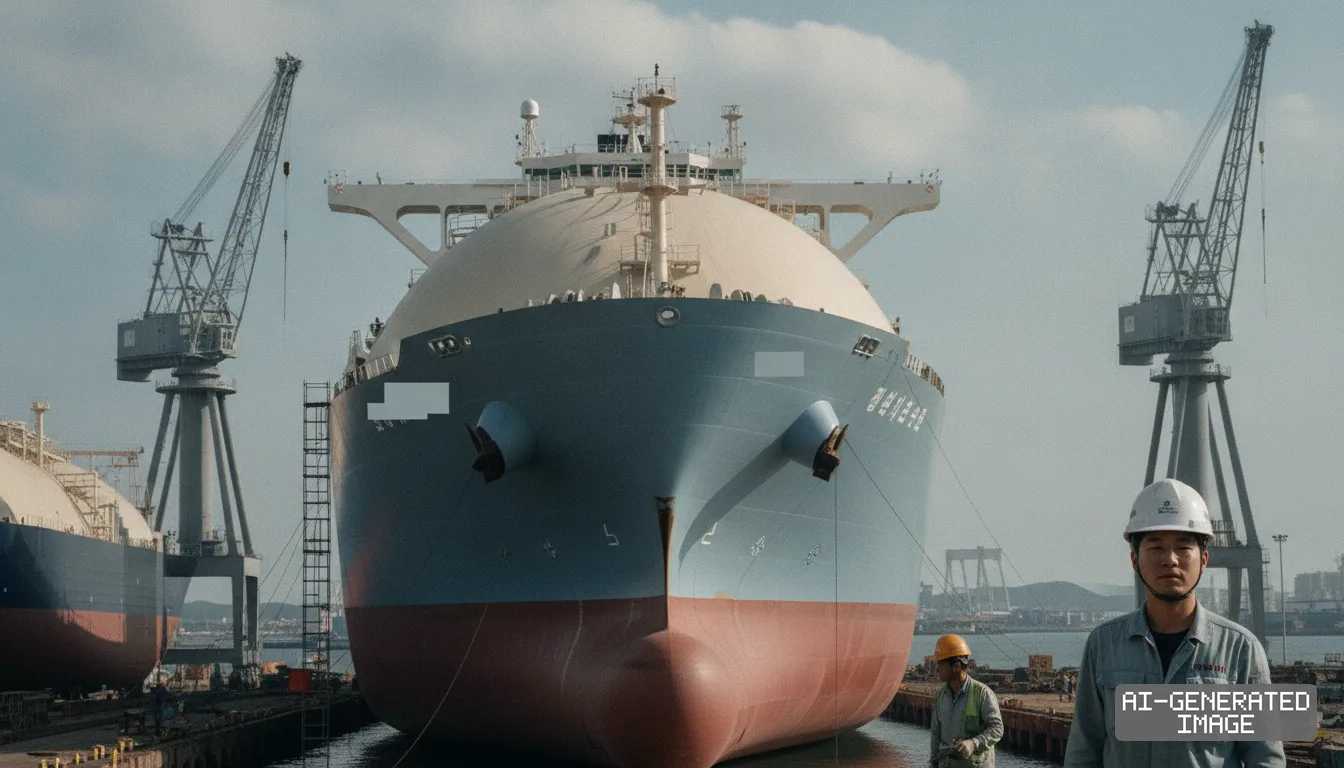
Samsung Heavy plans to install the modular units on next-generation eco-friendly vessels. The shipbuilder is specifically targeting autonomous cargo carriers, where unmanned operations make mechanical maintenance at sea impossible.
The alliance also targets floating and offshore data centers built for artificial intelligence computing clusters. Hyperscale data centers require dedicated baseload power that faces multi-year connection delays on regional terrestrial electrical grids.
High-density computing barges require reliable continuous generation that can withstand salt air and humid maritime environments. Solid oxide systems provide dispatchable electricity from liquefied natural gas or methanol without the mechanical noise of diesel turbines.
Waterborne data centers also draw direct cooling from seawater heat sinks, reducing parasitic energy consumption from air conditioning. Co-locating ceramic fuel cells with floating IT halls offers compact generation inside standard shipping container footprints.
The Morimura alliance broadens Samsung Heavy's fuel cell supply chain into East Asian component manufacturing. The shipbuilder previously collaborated with California-based Bloom Energy to develop marine auxiliary power units for large cargo vessels.
In June 2025, Samsung Heavy and Japanese ship operator Mitsui O.S.K. Lines received approval in principle from Lloyd's Register for a containerized fuel cell design. That pilot integrated a 300-kilowatt Bloom Energy auxiliary unit on a 174,000-cubic-meter liquefied natural gas carrier.
The Bloom Energy demonstration verified maritime safety controls and risk management protocols for containerized deck systems. The new partnership with Morimura shifts Samsung Heavy toward co-developing dedicated stack architectures tailored to its own balance of plant.
Samsung Heavy will design the thermal exchangers, fuel pre-reformers, blowers and marine-grade power inverters. Managing balance-of-plant design internally allows the shipyard to control system packaging dimensions and lower assembly costs for prospective shipowners.
Morimura brings technical heritage from Japan's Morimura Group, which includes ceramic manufacturers Niterra, NGK Insulators and Noritake. Its flat-plate cell design stacks planar ceramic layers tightly, providing high volumetric output suited for tight engine room bulkheads.
The flat-plate configuration provides lower internal resistance than cylindrical cell types. That electrical property delivers high current density, reducing the total footprint required to generate multi-megawatt auxiliary power on commercial vessels.
Global shipbuilders face accelerating decarbonization mandates from the International Maritime Organization. The regulatory body enforces strict Energy Efficiency Existing Ship Index thresholds and Carbon Intensity Indicator operational ratings across merchant fleets.
Cargo vessels with poor carbon intensity ratings face mandatory speed cuts and operational penalties from maritime authorities. Replacing diesel-driven auxiliary gensets with solid oxide fuel cells running on clean fuels helps shipowners maintain compliance.
Solid oxide technology also tolerates multiple fuel inputs without replacing the electrochemical core. The stacks can process pipeline natural gas, liquefied natural gas, bio-methane and e-methanol before transitioning to clean hydrogen or cracked ammonia.
Fuel flexibility protects shipowners against stranded asset risks as zero-carbon bunkering infrastructure matures unevenly across global trade routes. Vessels can burn available transitional fuels today while maintaining hardware compatibility with low-carbon fuels later.
Regional stack sourcing in Japan provides Samsung Heavy with shorter supply chain lead times than North American suppliers. Close geographic proximity facilitates collaborative engineering between Samsung Heavy's Pangyo research base and Morimura's engineering labs in Aichi.
The companies did not disclose the financial terms, capital expenditure commitments or stack procurement volumes under the memorandum. The announcement also does not state which shipyard dock will assemble initial commercial demonstration units.
Samsung Heavy and Morimura plan to conduct system integration and marine class safety verifications ahead of their 2028 commercialization target.
Impact map
How this development propagates across the region and out to global buyers.
| Event | Korea | China | Japan | Global impact |
|---|---|---|---|---|
| SOFC partnership for marine and data centers | Samsung Heavy localizes balance of plant, targets 2028 commercial delivery | Shipbuilders remain tied to reciprocating dual-fuel engines for export hulls | Morimura expands Niterra group ceramic stack output into commercial shipping | Data center and ship operators gain non-combustion 55% electrical efficiency option |
In this story
- Companies
- Samsung Heavy IndustriesMorimura SOFC Technology
- Tickers
- 010140.KS
- Exposed
- Mitsui O.S.K. LinesBloom EnergyNiterra
- Impact
- Supply ChainOrder BookCost Structure
Related briefings
- Vinatech wins $89M data center deal as Bloom Energy expands fuel cells Also on Bloom Energy, Order Book
- Korean power gear makers book grid orders on US fab growth Also on Bloom Energy, Order Book
- Hanwha Ocean equips MOL LNG carrier with dual rigid sails Also on Mitsui O.S.K. Lines, Cost Structure, Order Book
- Japanese shipbuilders standardize electric coastal feeder designs to cut renewal costs Also on Mitsui O.S.K. Lines, Cost Structure, Order Book
Sources
Reporting
Confidence: medium — how we grade this
The documents behind this briefing are linked above. East Asia Brief produces its English text with AI assistance under human editorial review, and does not translate or republish other outlets' articles. See our methodology and AI policy. Spotted an error? Tell us.
The Morning Brief
What changed in Korean, Chinese and Japanese industry overnight — and what it means for your supply chain. One email, weekday mornings, US time. Free.
The Morning Brief is in preparation. Leave your address and we will write to you once — when the first issue is ready. Nothing before that.