US redirects mineral funds to back Korea Zinc's $7.4B smelter
Federal policy favors processing over upstream mining, supporting the 540,000-ton Tennessee facility backed by $210 million in direct CHIPS Act grants.
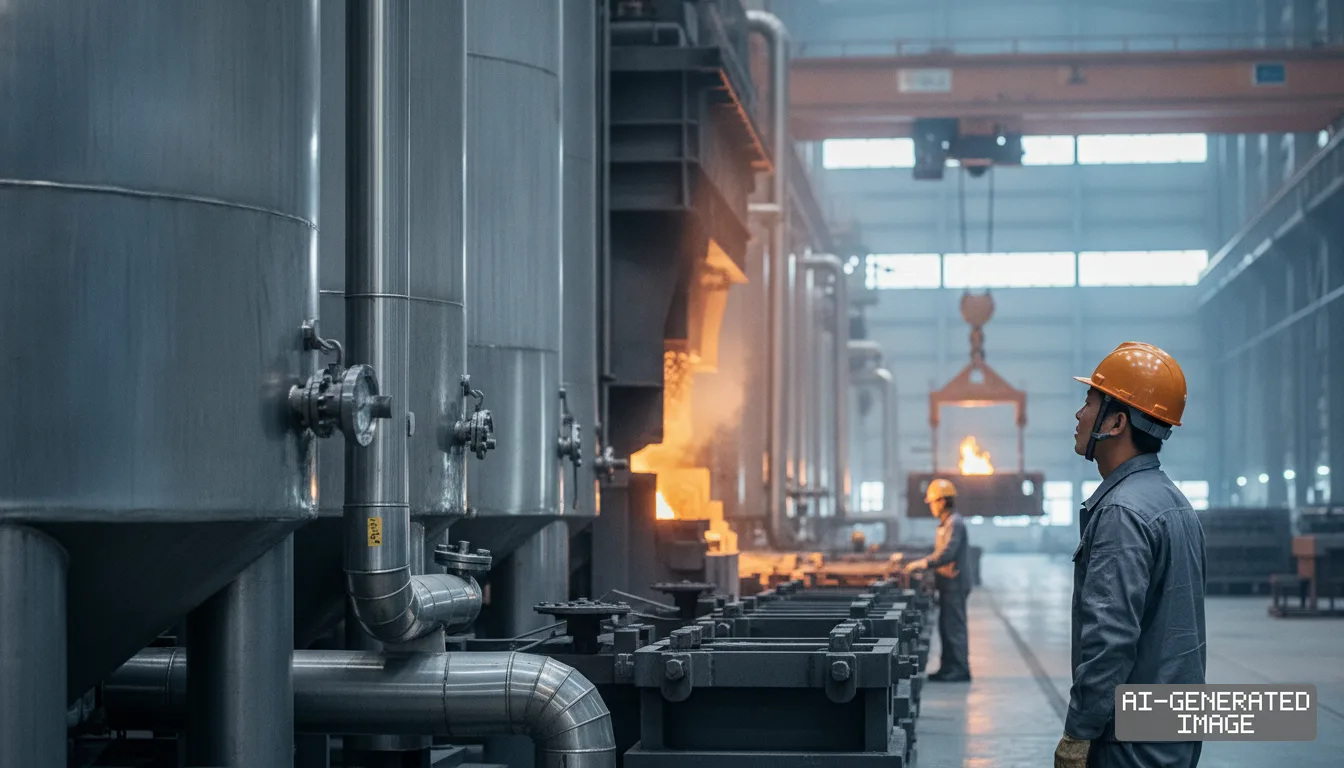
The White House accelerated a strategic review on Nov. 8, 2026, to shift federal critical mineral financing toward allied refining and smelting plants rather than upstream extraction.
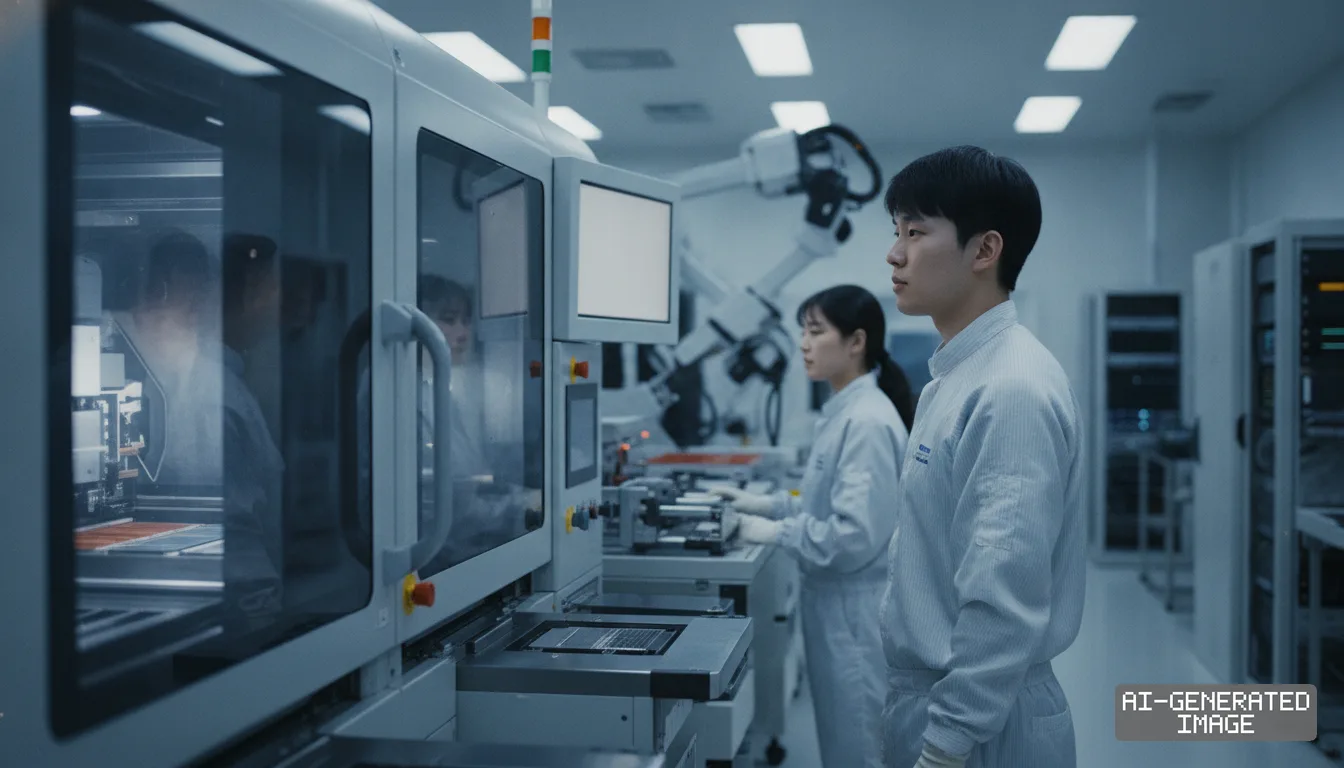
The policy pivot supports projects such as Korea Zinc's $7.4 billion smelter in Tennessee, which secured $210 million in federal grants under the CHIPS Act.
That plant will produce 540,000 metric tons of refined metals annually, representing about 50% of the processing capacity at the company's flagship Onsan facility in South Korea.
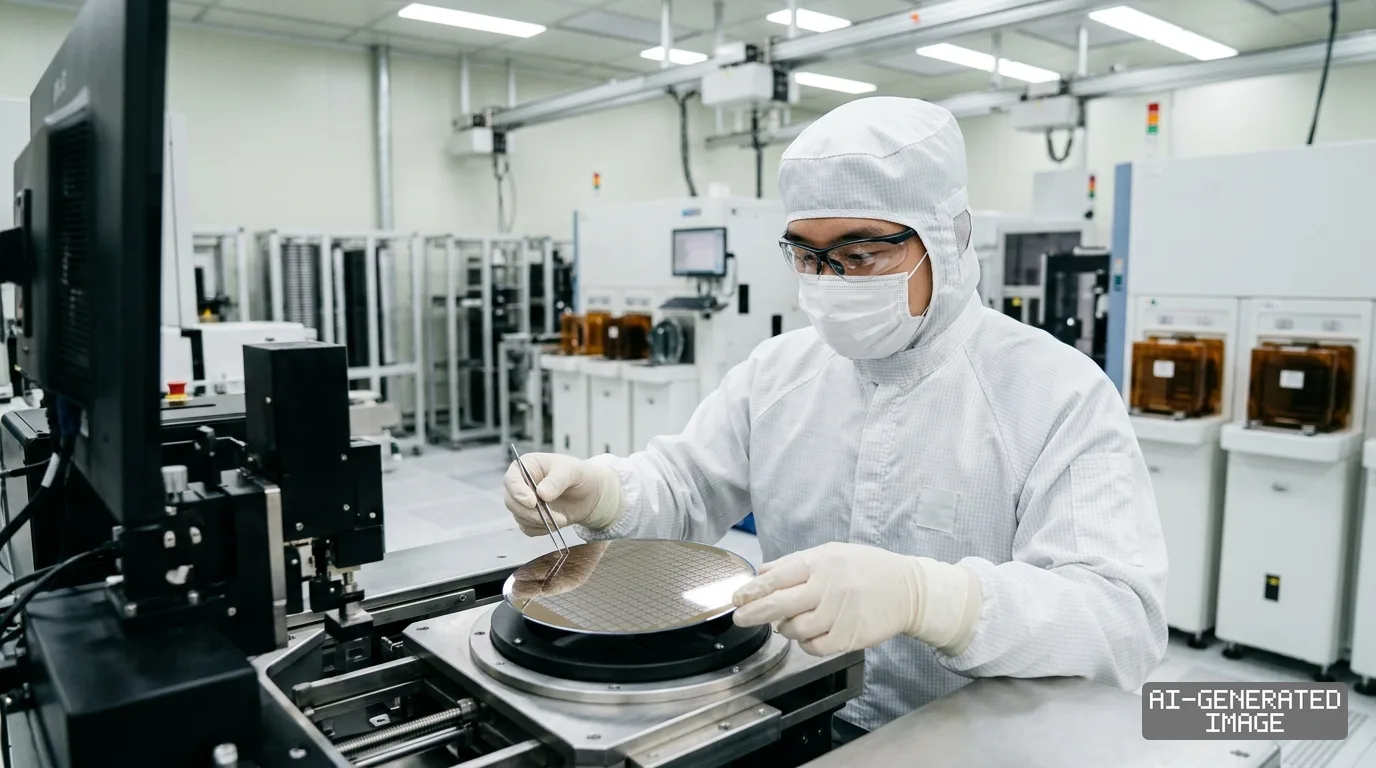
Western officials have identified chemical refining and thermal separation as the primary chokepoint in global resource security. Raw ore extraction remains dispersed, but processing is heavily concentrated in China.
Beijing currently refines more than 70% of global rare earths and controls virtually all commercial separation capacity for heavy rare earth elements, according to government agency data.
To counter that dominance, the Trump administration launched Project Vault on Feb. 2, 2026, creating a $12 billion public-private critical mineral reserve for commercial manufacturers.
The reserve operates through a $10 billion loan guarantee from the Export-Import Bank of the United States, alongside $2 billion in committed private capital from industrial original equipment manufacturers.
Stockpile purchases follow binding commercial offtake contracts rather than centralized government forecasts. The facility covers all 60 materials listed on the United States Geological Survey Critical Minerals List.
The administration introduced strict procurement rules for military hardware under Executive Order 14415, signed on July 20, 2026, requiring defense suppliers to audit and map 11 supply chain tiers.
The Department of Defense published detailed compliance guidelines on Oct. 18, 2026, giving contractors a 90-day window to certify the origin of all smelted inputs.
Existing federal waivers that allow defense contractors to purchase adversary-processed minerals expire completely on Jan. 1, 2027, cutting military programs off from Chinese-refined antimony, gallium and germanium.
Major defense contractors, including Lockheed Martin and General Dynamics, must replace Chinese chemical components across missile guidance assemblies, radar arrays and tactical communications hardware before the procurement ban takes effect.
China expanded export licensing restrictions on antimony in 2024, after curbing overseas shipments of gallium and germanium, which forced Western defense buyers to bid on thin spot markets.
Korea Zinc designed its Clarksville project, known as Project Crucible, to produce 12 nonferrous metals, including 11 critical minerals designated by the United States government.
The complex will process high-purity antimony, germanium, gallium, indium and bismuth alongside bulk zinc, lead and copper output, the company said in an investor briefing.
The facility occupies a 160-acre site formerly operated by Nyrstar, drawing river transport links and low-cost electricity from the Tennessee Valley Authority to lower baseline refining overhead.
Trade policy is reinforcing the capital subsidy push. A White House proclamation issued on Jan. 14, 2026, targeted processed critical minerals and derivative products under Section 232 of the Trade Expansion Act.
That directive instructed the United States Trade Representative to negotiate preferential processing arrangements with allied partners while preparing potential tariff barriers against foreign state-subsidized chemical refiners.
President Donald Trump also signed a presidential memorandum on Oct. 22, 2026, invoking Title III of the Defense Production Act to fund domestic refining and processing assets.
The determination waived statutory funding ceilings under federal defense laws, enabling agencies to issue loan guarantees and direct capital contributions to private processing plants.
Building domestic and allied smelting capacity will increase procurement expenses for industrial consumers. Western environmental compliance, labor costs and power standards command a premium over Chinese state refiners.
Aerospace and defense component buyers expect unit procurement costs for specialty rare metal alloys to rise between 4% and 6% as supply contracts shift to compliant smelters.
To accelerate construction, the Federal Permitting Improvement Steering Council added Project Crucible to the FAST-41 federal dashboard on April 24, 2026, establishing coordinated inter-agency review schedules.
Commercial smelting operations at the Clarksville facility will commence in 2029, with full operational capacity across all 11 critical mineral separation lines scheduled for 2030.
The White House has not published a separate executive order for the refining review reported on Nov. 8, 2026, and federal procurement authorities have not released final price-floor thresholds for allied smelters.
The Department of Defense and private financial institutions are structuring up to $4.7 billion in senior debt financing for the Clarksville project ahead of ground clearance next spring.
Impact map
How this development propagates across the region and out to global buyers.
| Event | Korea | China | Japan | Global impact |
|---|---|---|---|---|
| Allied mineral refining pivot | Korea Zinc builds $7.4B Tennessee plant, securing $210M US subsidy | Beijing loses export leverage as defense buyers phase out Chinese minerals | Trading houses face higher procurement costs for ex-China processed alloys | Aerospace and defense component costs rise 4-6% on Western refining premiums |
In this story
- Companies
- Korea Zinc
- Tickers
- 010130.KS
- Exposed
- Lockheed MartinGeneral Dynamics
- Policy
- Procurement RulesSubsidies
- Impact
- Supply ChainCapexPricing
Track every Procurement Rules development → Track every Subsidies development →
Related briefings
- Pentagon awards Elmet $2.45B to cut China tungsten reliance by 2027 Also on General Dynamics, Lockheed Martin, Subsidies
- HD Hyundai forms US shipyard venture with Kiewit Maritime Also on General Dynamics, Procurement Rules
- Korean Yards Win US Navy Overhauls for 43% of Cargo Fleet Also on General Dynamics, Procurement Rules
- HD Hyundai and Kiewit form U.S. shipyard venture for 2029 Also on General Dynamics, Procurement Rules
Sources
Primary documents
Reporting
Confidence: high — how we grade this
The documents behind this briefing are linked above. East Asia Brief produces its English text with AI assistance under human editorial review, and does not translate or republish other outlets' articles. See our methodology and AI policy. Spotted an error? Tell us.
The Morning Brief
What changed in Korean, Chinese and Japanese industry overnight — and what it means for your supply chain. One email, weekday mornings, US time. Free.
The Morning Brief is in preparation. Leave your address and we will write to you once — when the first issue is ready. Nothing before that.