Japanese Shipyards Tap Korean Equipment in $82 Million Push
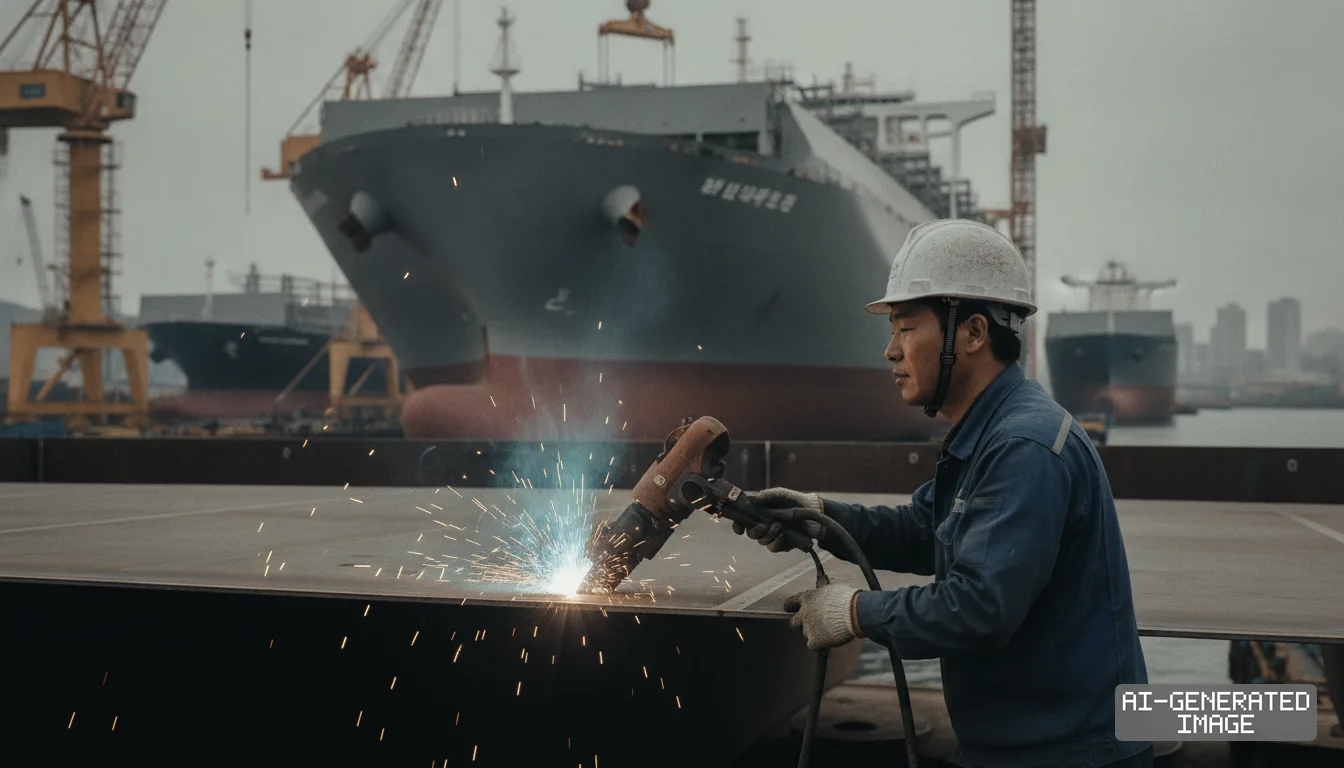
South Korea logged $82 million in marine equipment talks in Kobe on Nov. 1 as Japanese dockyards seek foreign components to support a 900 billion yen state-backed yard revival.
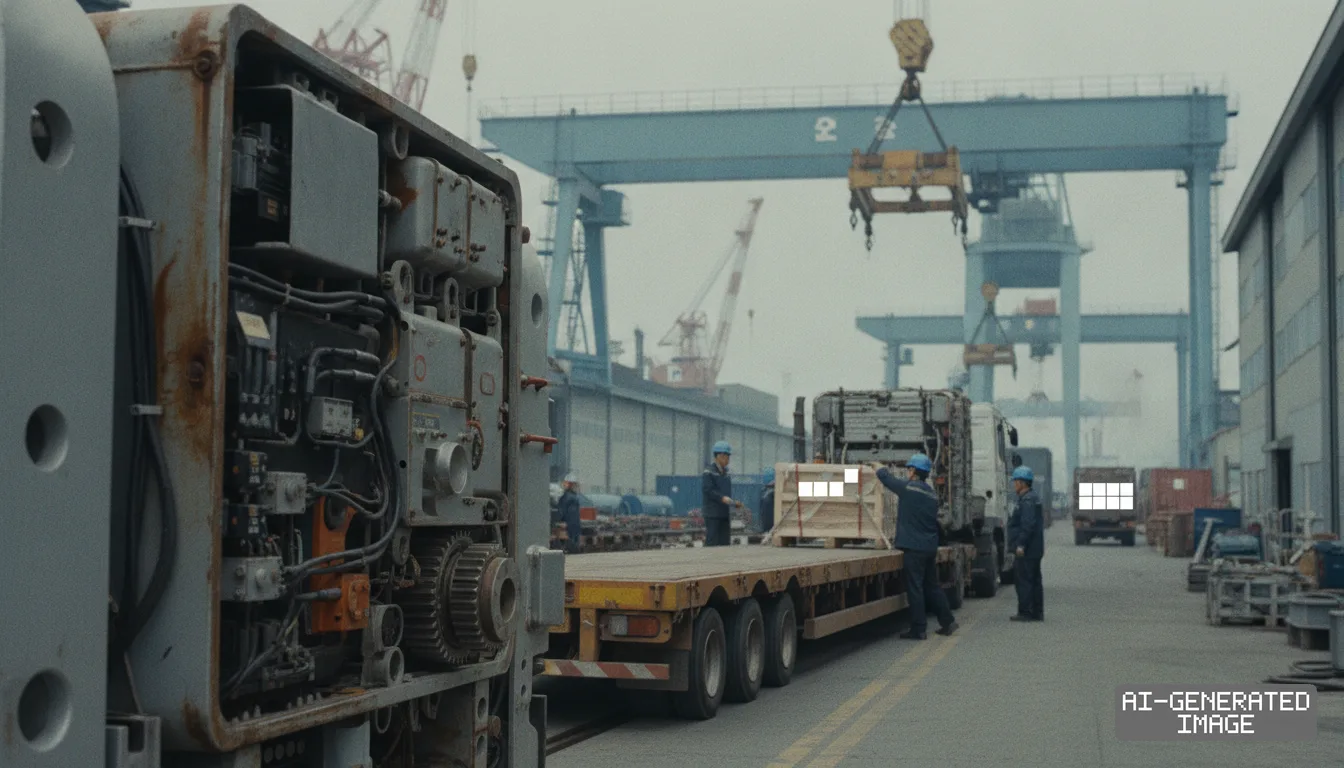
The Korea Trade-Investment Promotion Agency said Nov. 1 that South Korean marine equipment makers generated $82 million in supply consultations with Japanese shipbuilders during trade talks in Kobe.
The two-day bilateral exchange gathered 40 South Korean component manufacturers and 55 procurement executives from Japanese yards, shipping operators and machinery builders. Participants held 167 formal supplier sessions and signed one preliminary memorandum of understanding.
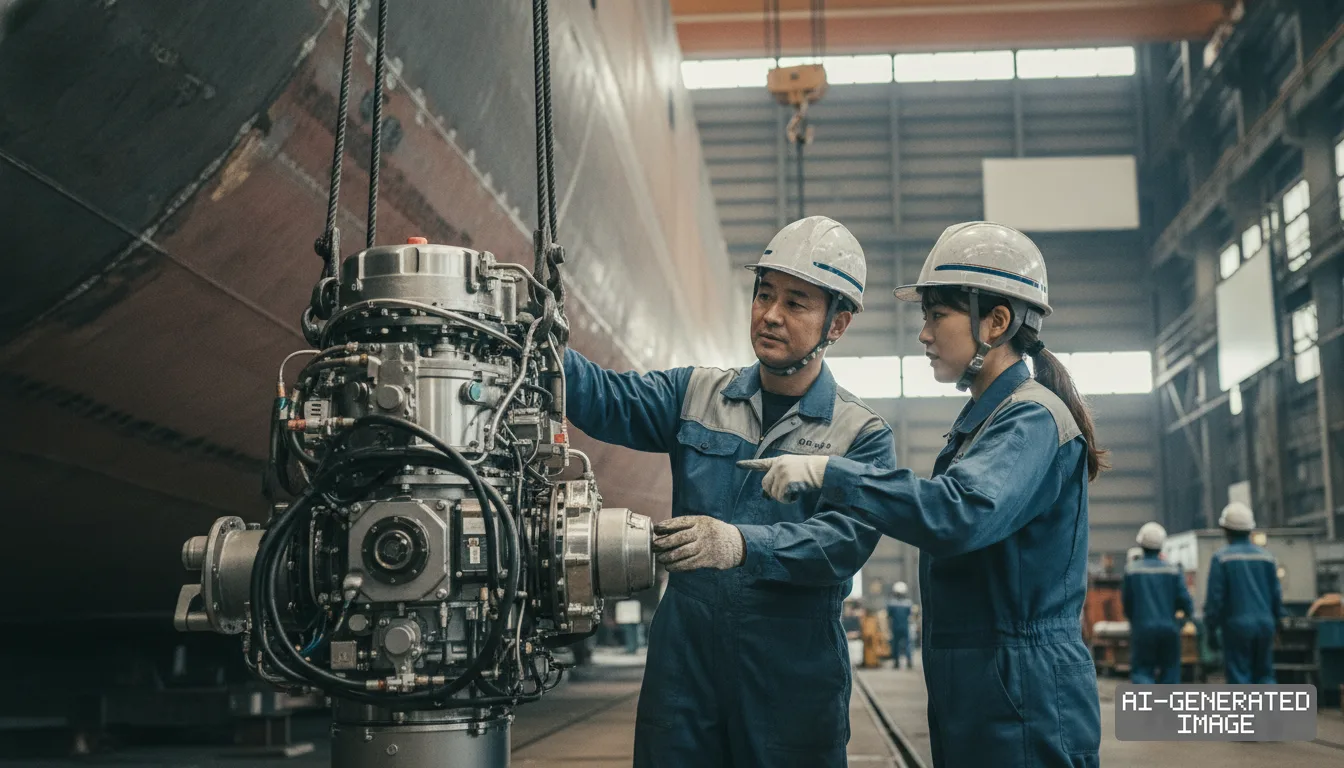
The discussions centered on four high-specification ship systems: alternative-fuel propulsion lines, smart navigational controls, digital monitoring suites and onboard carbon capture systems.
The procurement push reflects an acute supply bottleneck inside Japan. Japanese dockyards are expanding berth capacity under government orders, but local component suppliers cannot produce parts fast enough to meet commercial delivery schedules.
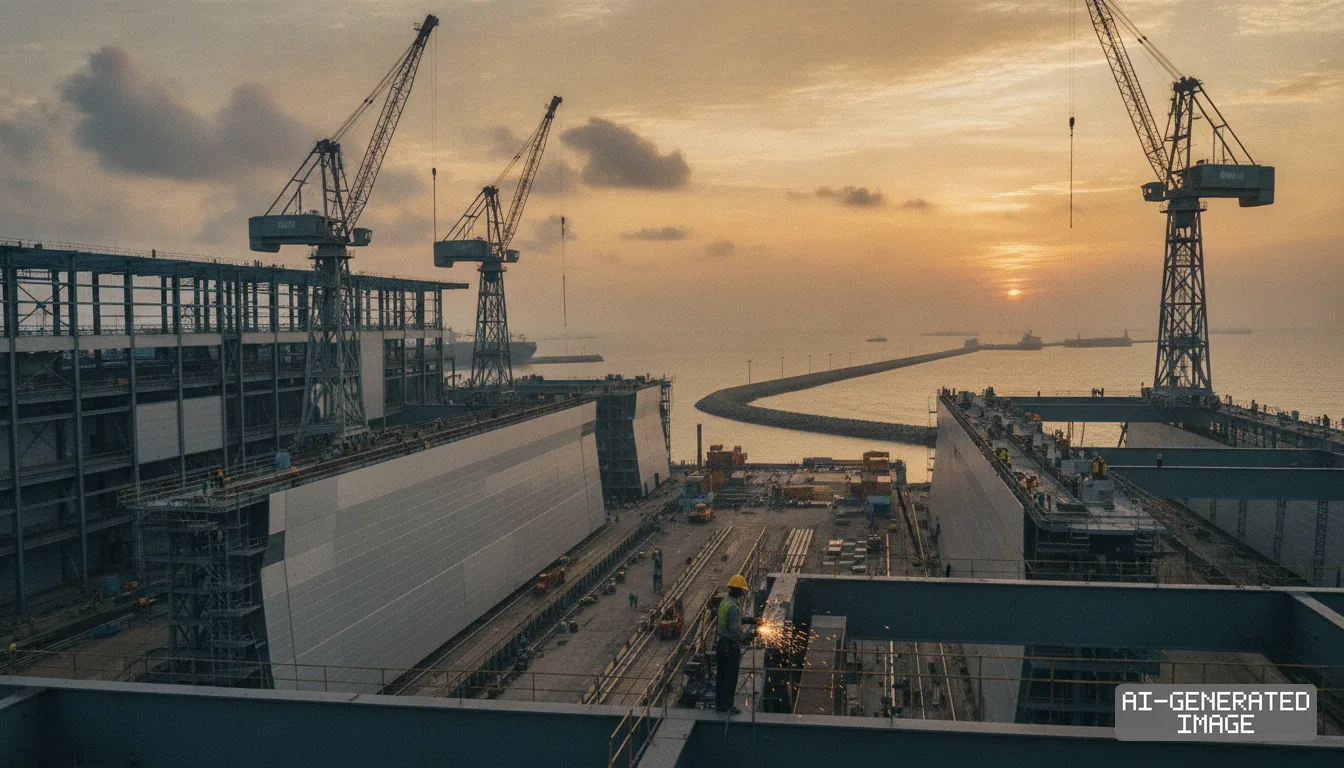
Japan's Ministry of Economy, Trade and Industry and the Ministry of Land, Infrastructure, Transport and Tourism designated commercial shipbuilding an economic security sector. In September, the transport ministry approved eight shipyard investment plans under its Shipbuilding Revival Fund.
Those eight projects commit 900 billion yen ($5.9 billion) in combined public and private capital. The Japanese government will supply up to 311 billion yen in direct facility subsidies through fiscal 2034.
Imabari Shipbuilding, Japan's largest shipbuilder by volume, secured up to 113.8 billion yen in state backing. The group is expanding automated block-welding shops and fabrication halls across its western shipyards.
Shin Kurushima Dock plans 131.5 billion yen in capital spending through fiscal 2034, supported by 32 billion yen in ministry grants. The builder is adding drydock space and painting shops to lift total hull output by 50% over 2024 levels.
Mitsubishi Shipbuilding won up to 40 billion yen in subsidies to expand assembly facilities at its Shimonoseki shipyard. The builder specializes in roll-on/roll-off passenger ferries, specialized cable layers and gas-fueled coastal vessels.
Kawasaki Heavy Industries is spending 45 billion yen at its Sakaide shipyard, backed by 15.6 billion yen in state support. The project installs automated cranes to build liquefied petroleum gas and ammonia carriers.
Regional builders also took state aid. Oshima Shipbuilding received 6.1 billion yen and Naikai Zosen took 4.3 billion yen to install heavy gantry cranes and modernize steel plate processing lines.
Hakodate Dock is preparing to reactivate its No. 4 drydock in Hokkaido, which sat dormant for more than three decades following earthquake damage in 1993. The builder will also erect two hull block assembly plants in Muroran by 2035.
Tokyo set a national target to double annual domestic shipbuilding output to 18 million gross tons by 2035. Achieving that target requires 1 trillion yen in total capital expenditure across the sector over the next decade.
Yet Japan's industrial labor base has shrunk too far to support that volume using domestic inputs alone. The shipbuilding workforce in Japan contracted 15% between 2016 and 2025, falling from 91,000 workers to 77,000, according to transport ministry figures.
Decades of yard closures eroded domestic component production. Japanese forges, pump manufacturers and valve foundries downsized or exited marine manufacturing during prolonged downturns, creating severe component shortages for expanding yards.
Japanese yards also intend to resume construction of liquefied natural gas carriers, a vessel category they abandoned entirely in 2019. Building gas carriers requires cryogenic pipes, specialized insulation and fuel handling skids that Japanese factories no longer produce at scale.
South Korean marine equipment suppliers, clustered around Busan and South Gyeongsang province, already serve global container and gas carrier construction programs. Those workshops possess certified manufacturing lines for high-pressure cryogenic valves, fuel manifolds and scrubbers.
At the Kobe sessions, South Korean suppliers pitched bundled equipment packages rather than individual components. Providing integrated engine-room assemblies allows Japanese shipyards to shorten outfitting hours and reduce yard labor requirements.
Delivery speed was the primary metric during the Kobe talks. Japanese yard managers sought suppliers capable of delivering precision piping and carbon capture modules within established dock installation windows.
Global market share data underscores Japan's urgency. Japanese shipbuilders captured just 5% of global vessel orders in 2025, compared with 63% for Chinese yards and 21% for South Korean builders, according to Clarkson Research data.
Expanding berth capacity without reliable component pipelines risks dockyard gridlock. Sourcing hull fittings and fuel apparatus from South Korea provides Japanese shipbuilders an immediate supply buffer as their domestic reconstruction begins.
The agency did not disclose the value of binding purchase contracts finalized during the talks, and the parties withheld terms for the single signed agreement.
Japan's transport ministry reviews the next allocation of supply-securing yard subsidies in early 2027, as yards face intermediate delivery audits under the ten-year roadmap.
Impact map
How this development propagates across the region and out to global buyers.
| Event | Korea | China | Japan | Global impact |
|---|---|---|---|---|
| Japan shipyard revival fund | marine equipment suppliers gain $82 million in export channels to Japanese yards | yards retain 63% order share but face Japanese competition in feeder and bulk hulls | eight yard projects absorb 900 billion yen to double completions to 18 million GT by 2035 | dual-fuel and cryogenic component lead times ease as Japanese yards add Korean supply options |
In this story
- Companies
- Imabari ShipbuildingShin Kurushima DockMitsubishi ShipbuildingKawasaki Heavy IndustriesOshima ShipbuildingNaikai ZosenHakodate Dock
- Tickers
- 7011.T7012.T7018.T
- Exposed
- Korea Trade-Investment Promotion Agency
- Policy
- Subsidies
- Impact
- Supply ChainOrder Book
Track every Subsidies development →
Related briefings
- Japan Clears $635 Million in Subsidies to Modernize Shipyards by 2035 Also on Naikai Zosen, Oshima Shipbuilding, Mitsubishi Shipbuilding
- Mitsubishi Heavy buys Shimonoseki site in $638M yard plan Also on Oshima Shipbuilding, Mitsubishi Shipbuilding, Kawasaki Heavy Industries
- Kawasaki Heavy unveils quadruped AI robot for shipyards in 2026 Also on Shin Kurushima Dock, Kawasaki Heavy Industries, Subsidies
- Bell Textron vets 17 Korean suppliers for helicopter supply chain Also on Korea Trade-Investment Promotion Agency, Order Book
Sources
Primary documents
Reporting
Confidence: high — how we grade this
The documents behind this briefing are linked above. East Asia Brief produces its English text with AI assistance under human editorial review, and does not translate or republish other outlets' articles. See our methodology and AI policy. Spotted an error? Tell us.
The Morning Brief
What changed in Korean, Chinese and Japanese industry overnight — and what it means for your supply chain. One email, weekday mornings, US time. Free.
The Morning Brief is in preparation. Leave your address and we will write to you once — when the first issue is ready. Nothing before that.