HD Hyundai Wins LR Approval for Hybrid Electric LNG Carrier
The 185,000-cubic-meter vessel design integrates batteries with dual-fuel power to curb emissions ahead of tightening International Maritime Organization fleet rules.
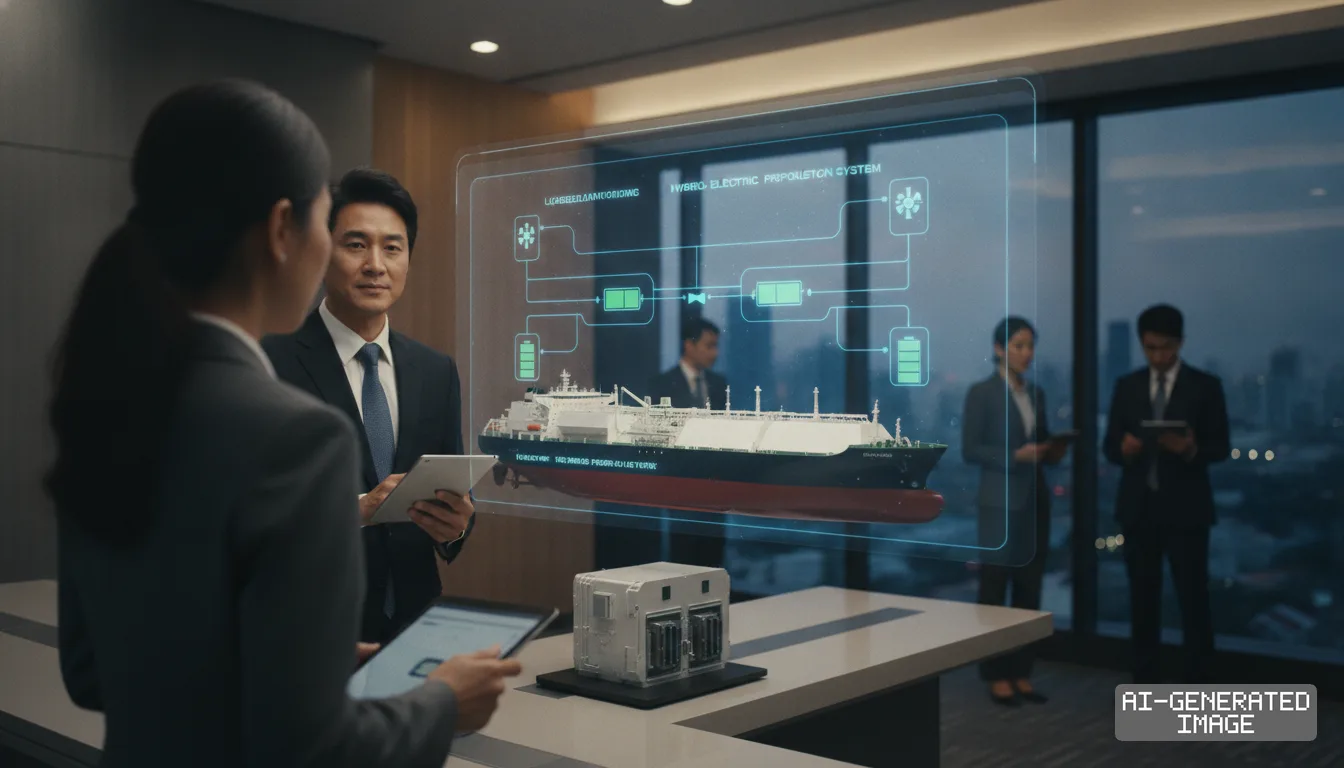
HD Hyundai secured design approval from Lloyd's Register on Sept. 14, 2026, for a 185,000-cubic-meter liquefied natural gas carrier powered by a hybrid-electric propulsion system.
The classification society awarded the Approval in Principle during the Gastech 2026 conference in Bangkok. The ceremony concluded a joint technical evaluation launched earlier this year.
The vessel design covers a standard deep-sea cargo capacity of 185,000 cubic meters. That volume represents the core size bracket for international LNG shipping routes linking North America and the Middle East to Asian import terminals.
Two shipbuilder units handled the development work. HD Korea Shipbuilding & Offshore Engineering directed the basic engineering architecture, while HD Hyundai Heavy Industries finalized the machinery layout.
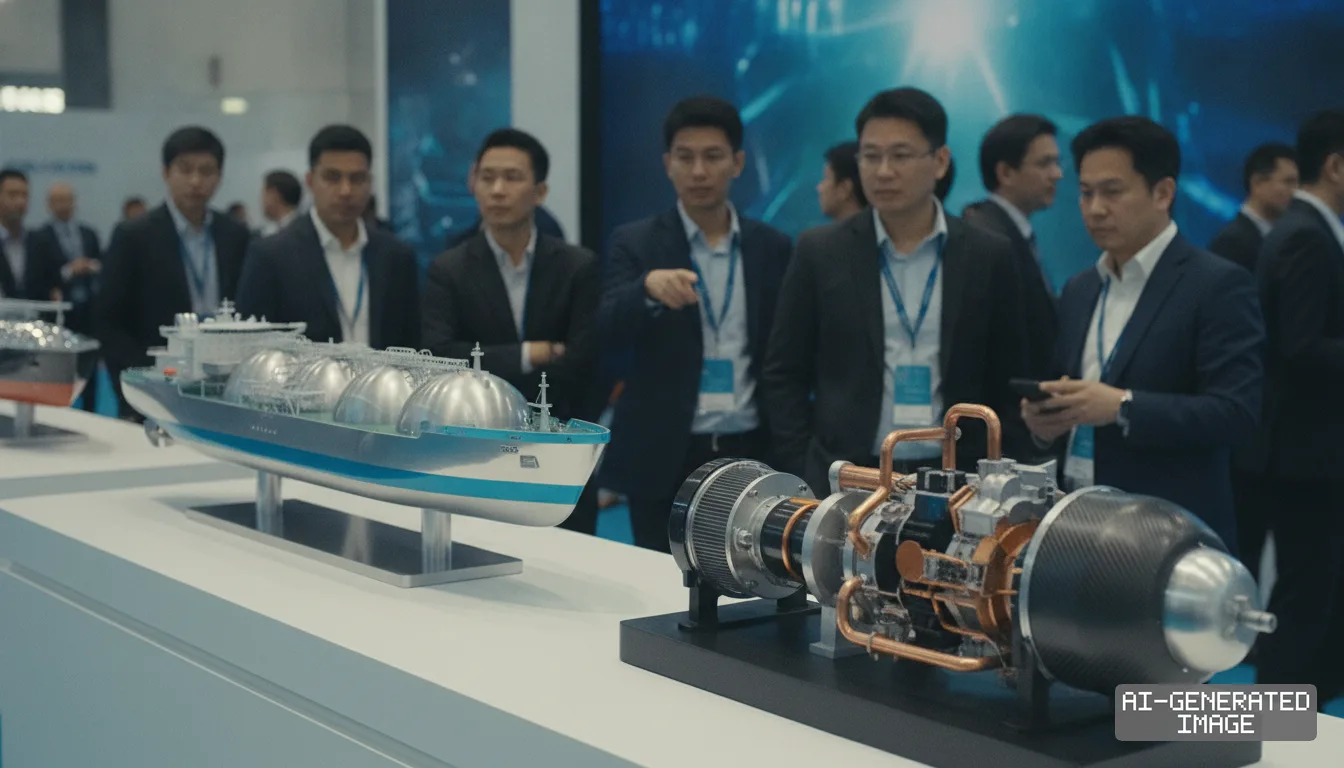
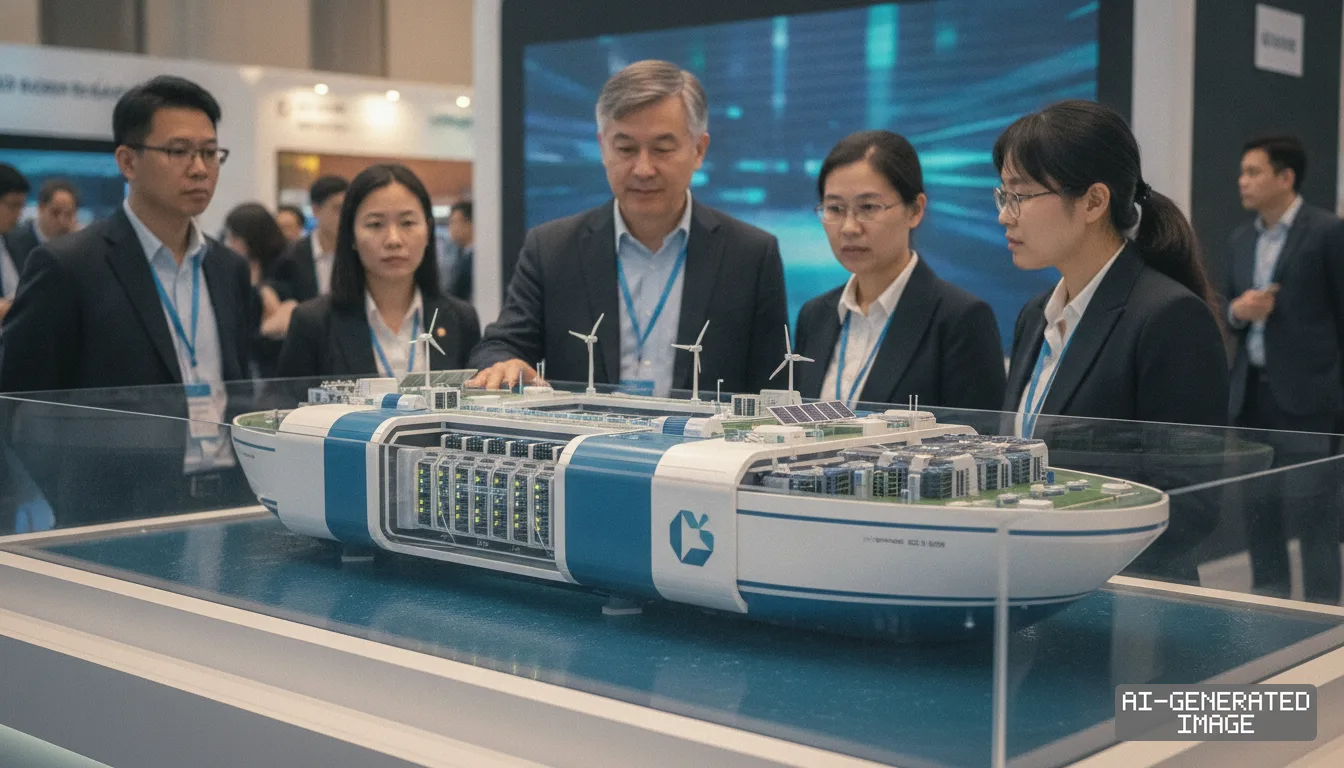
The approval validates the integration of high-capacity battery packs alongside internal combustion engines. The hybrid architecture allows the ship to shave peak electrical loads during open-sea transit.
Engineers also designed the electric propulsion plant to eliminate auxiliary engine operations during port maneuvering. That operating mode lowers fuel consumption and limits greenhouse gas discharge in coastal waters.
The project team focused on system architecture, operational redundancy philosophy and electrical safety frameworks. Those technical controls ensure the vessel maintains propulsion even if a battery unit or generator trips.
Senior Executive Vice President Kwang-Pil Chang, who leads the Advanced Research Center at HD Korea Shipbuilding & Offshore Engineering, represented the yard group at the Bangkok signing.
Executive Vice President Hongryeul Ryu, chief technology officer at HD Hyundai Heavy Industries, also endorsed the regulatory documentation alongside Lloyd's Register Chief Growth Officer Andy McKeran.
The formal certificate follows a Joint Development Project agreement signed by the three organizations at the Posidonia maritime exhibition in Athens on June 2, 2026. The intermediate engineering phase ran for three months.
Regulatory pressure from the International Maritime Organization is forcing shipowners to cut the carbon intensity of merchant fleets. Stricter limits on carbon emissions take effect under the Carbon Intensity Indicator framework.
Conventional LNG carriers run on dual-fuel engines that burn boil-off cargo gas supplemented by marine diesel. Adding batteries stabilizes generator load lines and captures energy that would otherwise escape as waste heat.
Lloyd's Register used the project to establish classification guidance for large electric-drive gas carriers. Standard safety rules for commercial batteries on cryogenic gas tankers remain incomplete across the maritime industry.
The joint engineering results will establish standardized installation procedures for hazardous zones near cargo tanks. Those design rules govern physical separation between high-voltage switchboards and fuel gas supply rooms.
The shipbuilder plans to transfer lessons from the 185,000-cubic-meter vessel into future alternative-fuel ship projects. The engineering package provides an baseline for integrating fuel cells and hydrogen-burning engines.
South Korean yards dominate high-end LNG carrier construction. HD Korea Shipbuilding & Offshore Engineering controls roughly a third of global order backlogs for large membrane-type gas tankers.
Maintaining a technological lead in propulsion efficiency helps South Korean shipyards preserve price premiums against Chinese shipbuilders. Chinese yards have steadily expanded capacity for standard 174,000-cubic-meter LNG carriers.
Electric propulsion systems also introduce higher electronic equipment value per hull. That shift creates internal equipment sourcing opportunities for group manufacturing affiliate HD Hyundai Electric.
The Gastech 2026 exhibition in Bangkok runs through Sept. 17, 2026. HD Hyundai scheduled roughly 30 formal technical certification meetings and commercial partnership sessions during the four-day trade event.
The announcement does not disclose capital expenditure figures, shipyard delivery slots or commercial purchase orders for the vessel. Classification societies award design approvals before yards market new ship types to commercial operators.
Impact map
How this development propagates across the region and out to global buyers.
| Event | Korea | China | Japan | Global impact |
|---|---|---|---|---|
| Hybrid electric LNG carrier design approval | HD Hyundai widens technical barrier over Chinese rivals in high-value 185,000 m³ gas carrier designs | Hudong-Zhonghua faces competitive pressure to qualify electric propulsion suites on standard 174,000 m³ hulls | Japanese shipping lines evaluate battery hybrid systems to comply with tightening IMO carbon intensity limits | LNG vessel operators gain technical blueprint to reduce voyage fuel consumption and port emissions |
In this story
- Companies
- HD Korea Shipbuilding & Offshore EngineeringHD Hyundai Heavy Industries
- Tickers
- 009540.KS329180.KS
- Exposed
- Lloyd's Register
- Policy
- DecarbonizationEconomic Security
- Impact
- Order BookSupply ChainCompliance
Track every Economic Security development →
Related briefings
- HD Hyundai Unveils Three-Tank LNG Carrier Design at Gastech Also on Lloyd's Register, HD Korea Shipbuilding & Offshore Engineering, Order Book
- Asyad Shipping orders two MR product tankers at HD Hyundai Also on HD Korea Shipbuilding & Offshore Engineering, HD Hyundai Heavy Industries, Order Book
- HD Hyundai and Hanwha Ocean Lock In LNG Carrier Berth Slots Through 2029 Also on HD Korea Shipbuilding & Offshore Engineering, HD Hyundai Heavy Industries, Order Book
- HD Hyundai Heavy union stages strike over 30% profit sharing Also on HD Korea Shipbuilding & Offshore Engineering, HD Hyundai Heavy Industries, Order Book
Sources
Reporting
Confidence: medium — how we grade this
The documents behind this briefing are linked above. East Asia Brief produces its English text with AI assistance under human editorial review, and does not translate or republish other outlets' articles. See our methodology and AI policy. Spotted an error? Tell us.
The Morning Brief
What changed in Korean, Chinese and Japanese industry overnight — and what it means for your supply chain. One email, weekday mornings, US time. Free.
The first issue goes out shortly. Sign up now and you will not miss it.