HD Hyundai Samho delivers gas carrier Energy North to Qatar
The 88,000-cubic-meter vessel marks the first handover in a $950 million six-ship order, demonstrating South Korean delivery speed in zero-carbon maritime fuel transport.
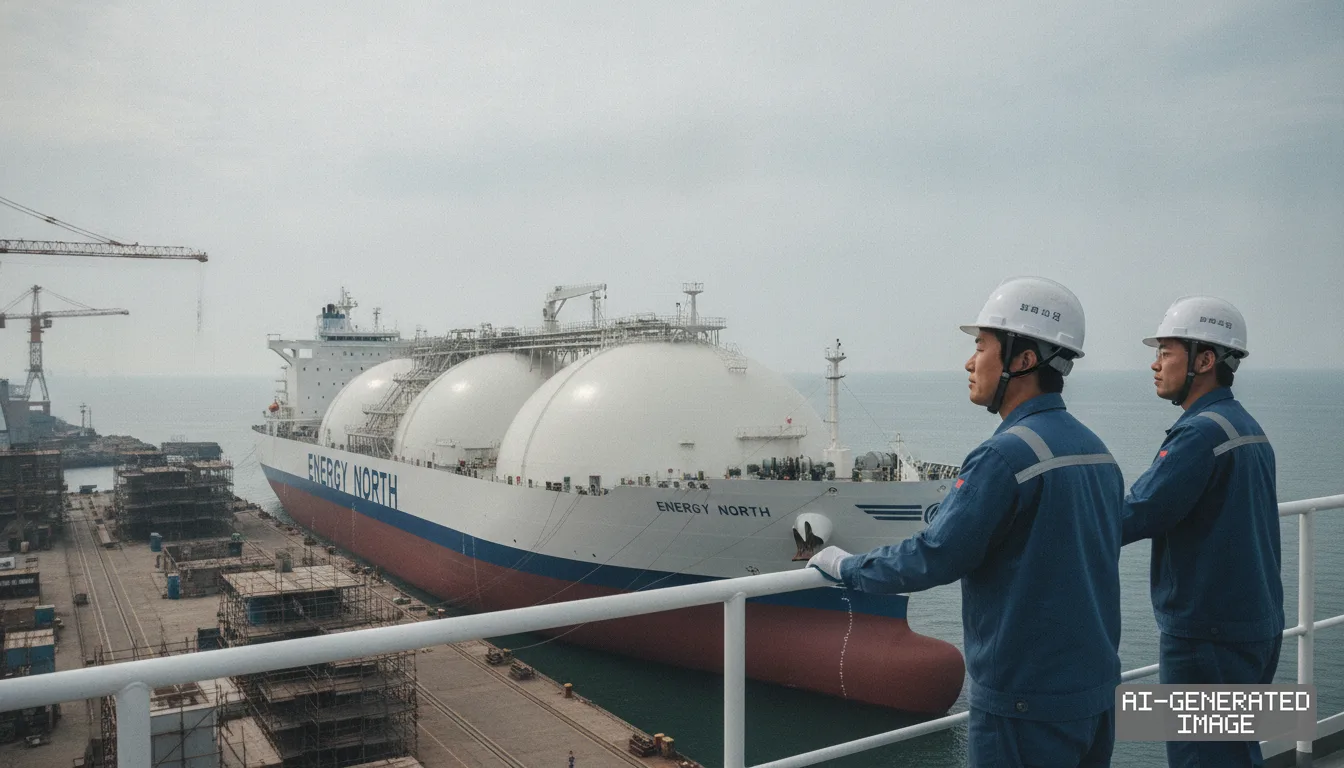
HD Hyundai Samho concluded commercial fleet handover tracking on Oct. 10, 2026, for the 88,000-cubic-meter liquefied gas carrier Energy North to Qatar Gas Transport Company. The vessel is the first unit completed under a strategic multi-ship order placed by the Qatari state-backed carrier.
The vessel represents the initial delivery from a six-ship construction program valued at 1.2588 trillion won ($950 million), finalized in January 2024. The overall contract represents approximately 7% of the annual order intake recorded by the South Korean shipyard that year.
Energy North features a carrying capacity of 88,000 cubic meters of liquefied gas and carries a deadweight of approximately 63,724 tonnes. The vessel measures 230 meters in length and 32 meters in width, operating under the flag of the Marshall Islands.
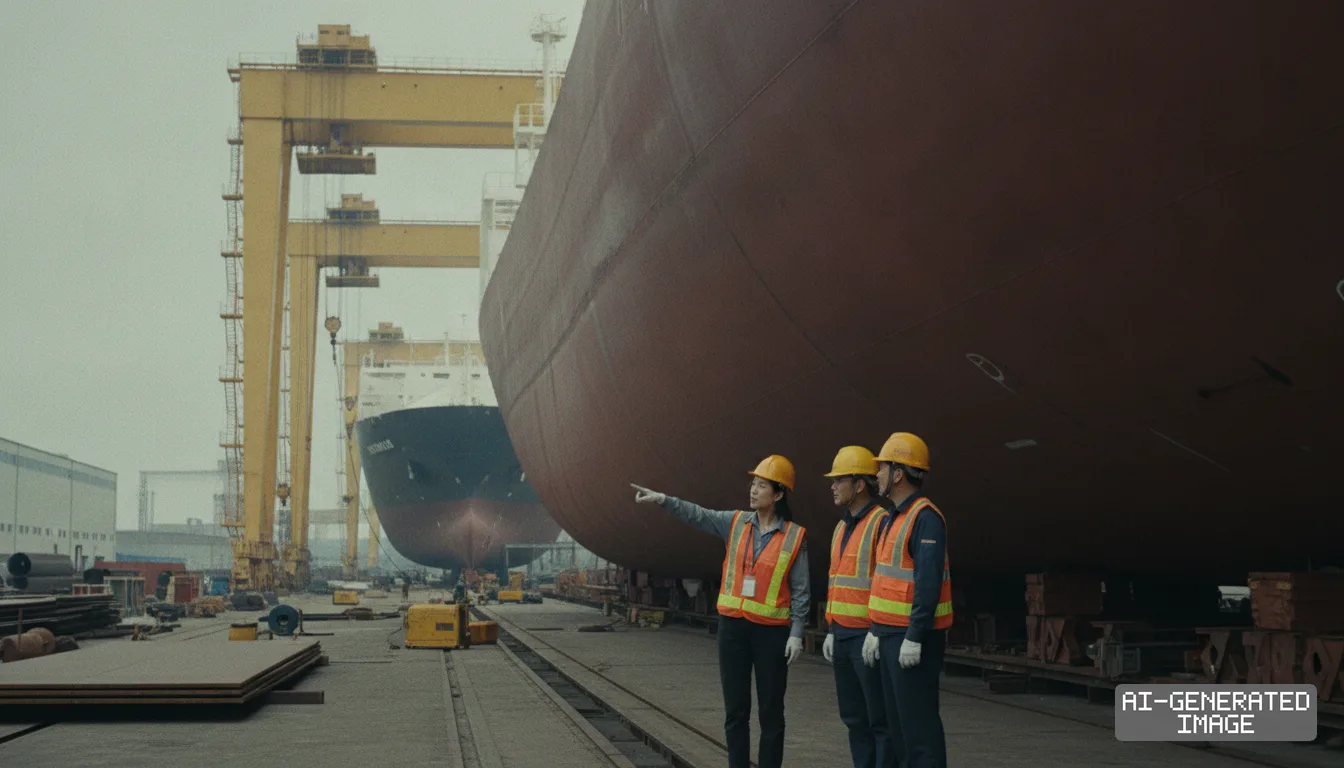
The shipyard completed the construction cycle in approximately 19 months. Work began with an official steel-cutting ceremony at the Yeongam yard on March 16, 2025, meeting the accelerated delivery schedule requested by the shipowner.
Energy North is equipped with a dual-fuel propulsion engine capable of running on liquefied petroleum gas and conventional marine fuels. The propulsion arrangement includes selective emissions-reduction equipment designed to minimize greenhouse gas output during deep-sea voyages.
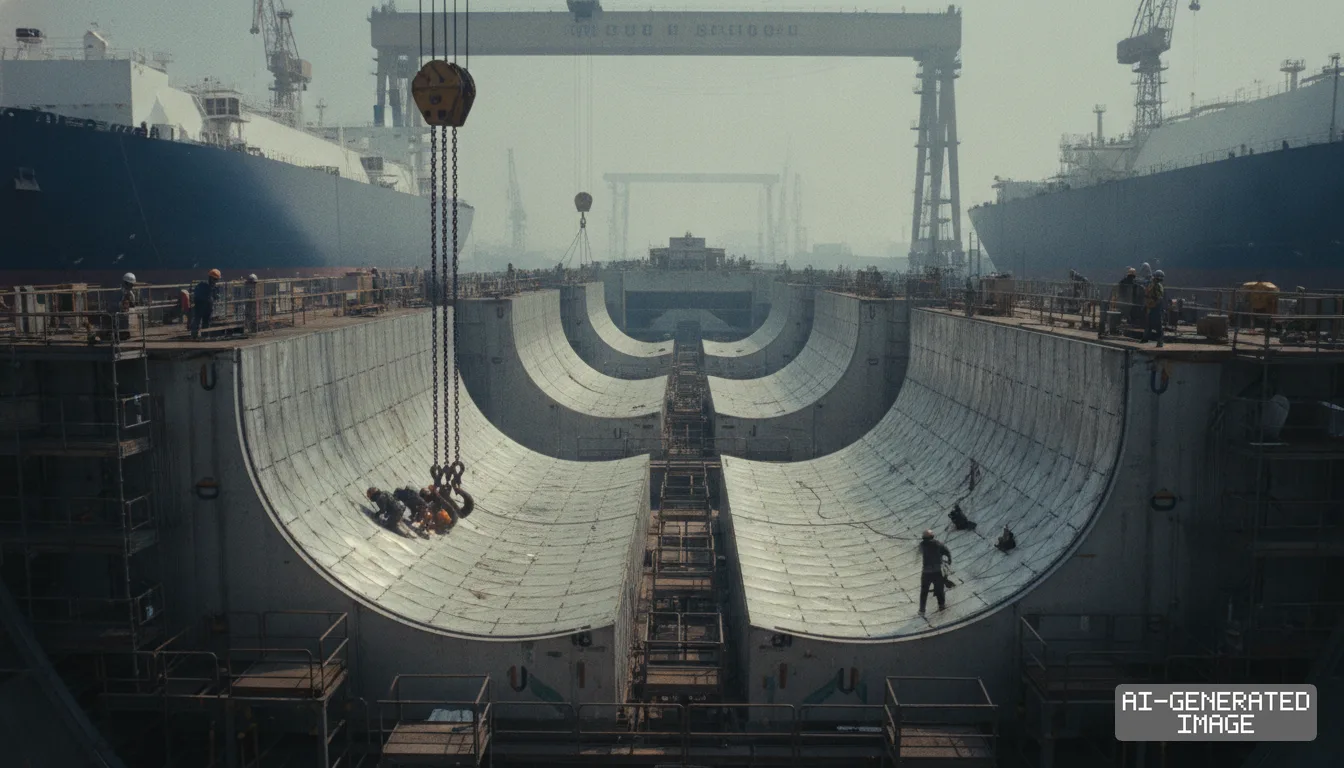
The vessel also carries an ammonia-ready structural specification, meaning the fuel tanks and piping layout can be retrofitted for toxic ammonia fuel without major structural reconstruction. This engineering design allows the vessel to adapt as zero-carbon maritime bunkering corridors open up.
Nakilat held an official naming ceremony for the ship at the Yeongam shipyard on Sept. 30, 2026. The shipowner scheduled the carrier to enter active commercial service on Oct. 2, 2026, ahead of the weekly registry updates finalized on Oct. 10.
The delivery expands Nakilat beyond its core liquefied natural gas fleet into large-scale liquefied petroleum gas and ammonia shipping. The addition reflects our long-term commitment to developing a diversified fleet that supports global energy transportation, Abdullah Al Sulaiti, chief executive officer of Nakilat, said.
Nakilat operates one of the largest LNG shipping operations in the world, with 74 vessels in its operational fleet. Those active ships represent roughly 12% of total global LNG carrier capacity, providing dedicated transport for state energy producer QatarEnergy.
The shipping firm holds an active newbuilding orderbook of 40 vessels across shipyards in South Korea and China. That expansion includes conventional gas carriers as well as ultra-large QC-Max LNG carriers ordered for Qatar's North Field expansion.
The six-vessel order at HD Hyundai Samho includes two 174,000-cubic-meter LNG carriers alongside four 88,000-cubic-meter very large gas carriers. The gas carriers can alternate between LPG and ammonia cargoes, giving the operator trading flexibility between petrochemical feeds and fertilizer inputs.
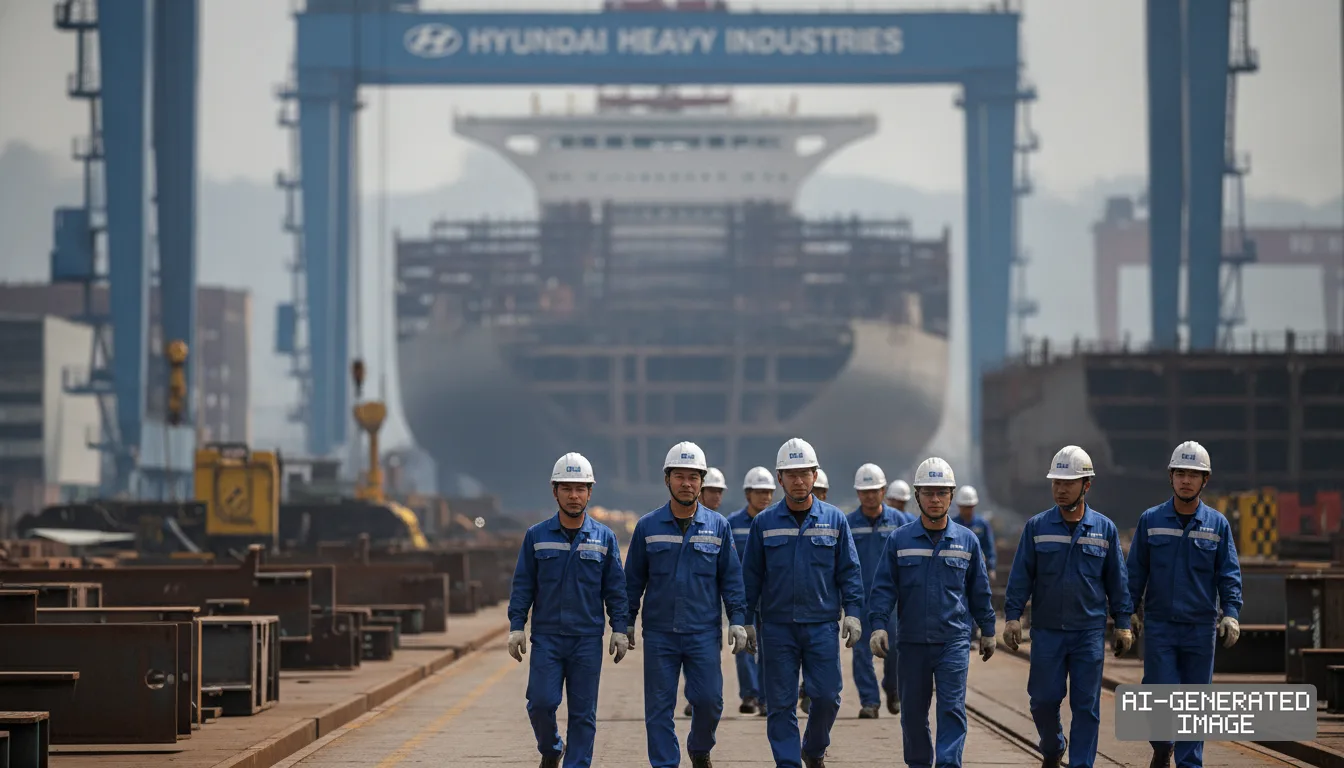
HD Hyundai Samho, a core shipbuilding subsidiary of HD Korea Shipbuilding & Offshore Engineering, holds one of the industry's densest orderbooks for gas carriers. Parent group HD Korea Shipbuilding booked orders for 29 vessels worth $2.64 billion within the opening weeks of 2024 alone.
South Korean shipyards hold an estimated market share above 70% in the very large ammonia carrier segment. That positioning stems from proven tank insulation systems and high-pressure fuel handling designs that meet stringent safety standards for ammonia.
Shipowners pay a premium for South Korean delivery slots because yards consistently avoid schedule slippage on dual-fuel machinery installations. Competing Chinese yards have expanded capacity in conventional gas carriers, but South Korean builders retain an operational advantage in multi-cargo containment systems.
The 19-month construction span achieved on Energy North demonstrates standard modular fabrication efficiency at Yeongam. HD Hyundai Samho assembled the hull blocks and installed the specialized gas-handling skids simultaneously in dry dock.
Alongside the HD Hyundai Samho package, Nakilat placed orders with Hanwha Ocean for eight 174,000-cubic-meter LNG carriers. That separate contract is valued at approximately $1.818 billion, with deliveries scheduled through Jan. 31, 2028.
The remaining five vessels in Nakilat's HD Hyundai Samho order are scheduled for staggered delivery through Sept. 30, 2027. Sister vessel Energy East, the second gas carrier in the series, is slated for delivery in March 2027.
HD Hyundai Samho has not published a separate filing for the Oct. 10 registry tracking date, and original regulatory notices do not break down the individual contract value of each ship. The capital expenditure per hull was bundled into the overarching 1.2588 trillion won disclosure filed with South Korean financial regulators.
Nakilat deploys Energy North under long-term charter arrangements linked to Gulf energy export terminals. The next scheduled milestone in the series is the launch of the second LPG and ammonia hull at Yeongam later this quarter.
Impact map
How this development propagates across the region and out to global buyers.
| Event | Korea | China | Japan | Global impact |
|---|---|---|---|---|
| Nakilat VLAC handover | HD Hyundai Samho secures 19-month delivery milestone across 1.2588 trillion won order | Hudong-Zhonghua faces tighter delivery competition in clean gas carrier segment | Imabari and Namura face higher entry barrier in dual-fuel gas propulsion systems | Energy shipping routes gain first ammonia-ready 88,000 cbm carrier ahead of zero-carbon corridors |
In this story
- Companies
- HD Hyundai SamhoQatar Gas Transport Company
- Tickers
- 009540.KSQGTS.QA
- Exposed
- Hanwha OceanQatarEnergy
- Policy
- Economic Security
- Impact
- Order BookSupply ChainCapex
Track every Economic Security development →
Related briefings
- HD Hyundai Heavy Industries faces delivery risks after wage rejection Also on QatarEnergy, Hanwha Ocean, Order Book
- HD Hyundai wins DNV approval on 271,000 cbm LNG hull design Also on QatarEnergy, Order Book
- HD Hyundai names Lee Sang-kyun head of group shipbuilding units Also on HD Hyundai Samho, Order Book
- HD Hyundai Unveils Three-Tank LNG Carrier Design at Gastech Also on HD Hyundai Samho, Order Book
Sources
Reporting
Confidence: medium — how we grade this
The documents behind this briefing are linked above. East Asia Brief produces its English text with AI assistance under human editorial review, and does not translate or republish other outlets' articles. See our methodology and AI policy. Spotted an error? Tell us.
The Morning Brief
What changed in Korean, Chinese and Japanese industry overnight — and what it means for your supply chain. One email, weekday mornings, US time. Free.
The Morning Brief is in preparation. Leave your address and we will write to you once — when the first issue is ready. Nothing before that.