HD Hyundai inspects Thoothukudi site for greenfield shipyard in India
A South Korean technical delegation assessed waterfront land in Tamil Nadu as domestic dock saturation drives overseas expansion.
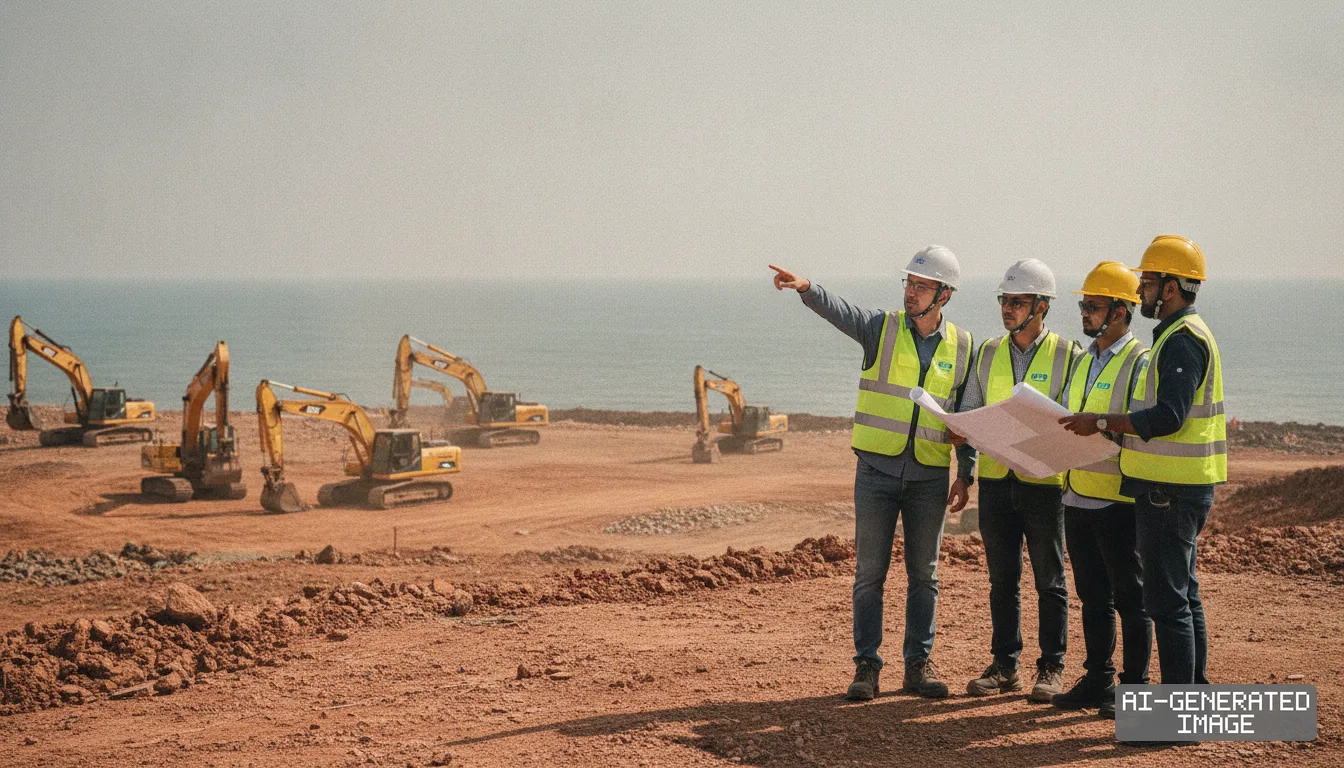
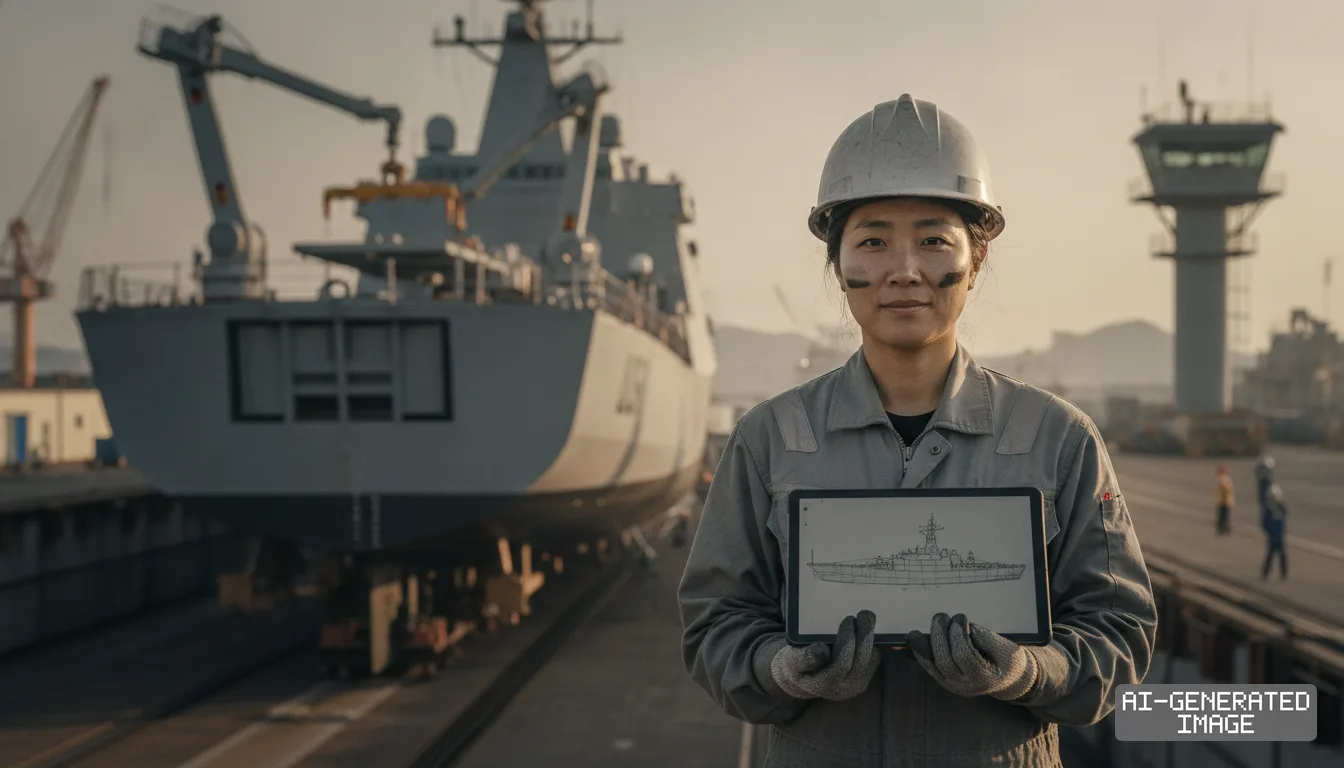
An HD Hyundai delegation inspected a proposed greenfield shipyard site in Thoothukudi, India, on Sept. 3, 2026, advancing plans to build a major commercial vessel hub along the Indian Ocean.
The two-day visit concluded technical discussions with the V.O. Chidambaranar Port Authority, port officials said. Neither HD Hyundai nor Indian maritime authorities published an official press release or regulatory filing regarding the site inspection.
The waterfront inspection followed a public procurement tender issued by the port authority on Aug. 27, 2026. The authority invited global consulting firms to prepare a detailed project report for a 2,500-acre maritime cluster.
Bids for the feasibility study close on Sept. 21, 2026, according to official tender records. A pre-bid conference was scheduled for Sept. 4, 2026, to finalize engineering parameters for the harbor basin and manufacturing berths.
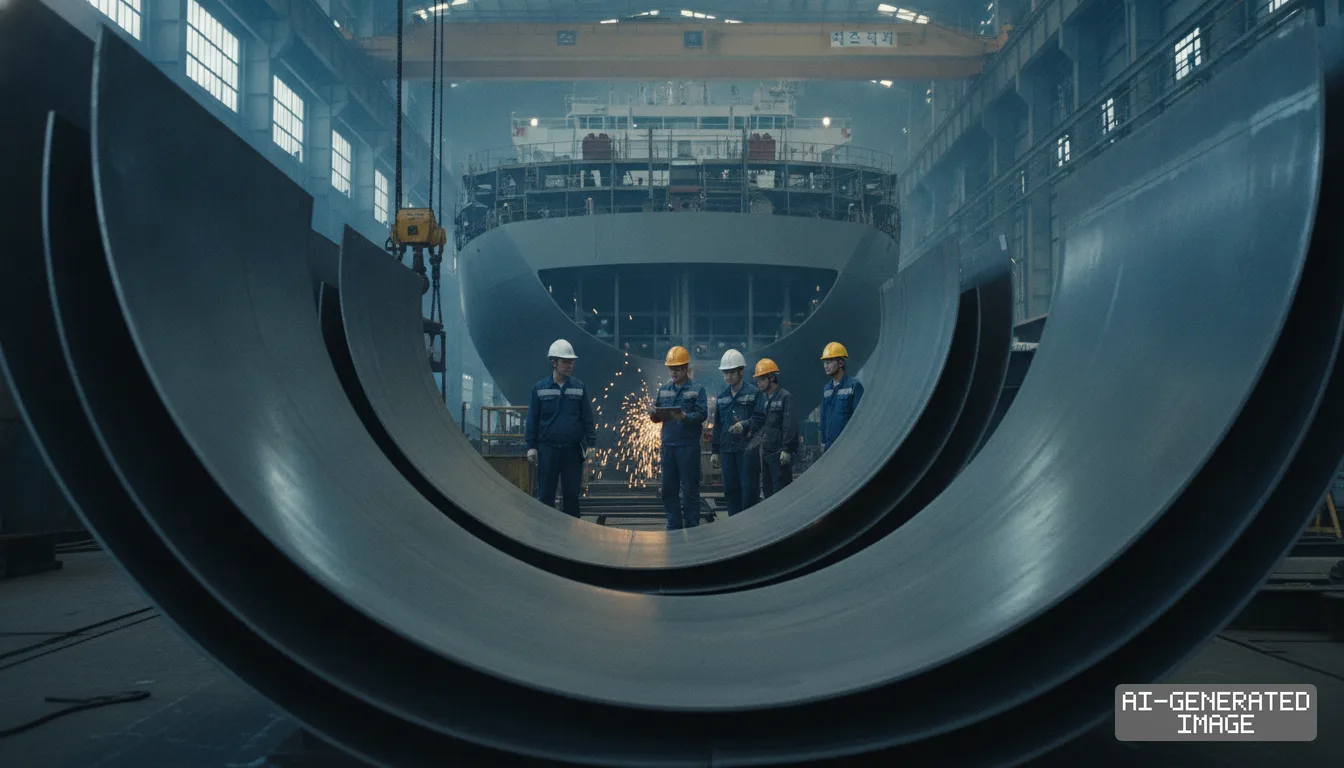
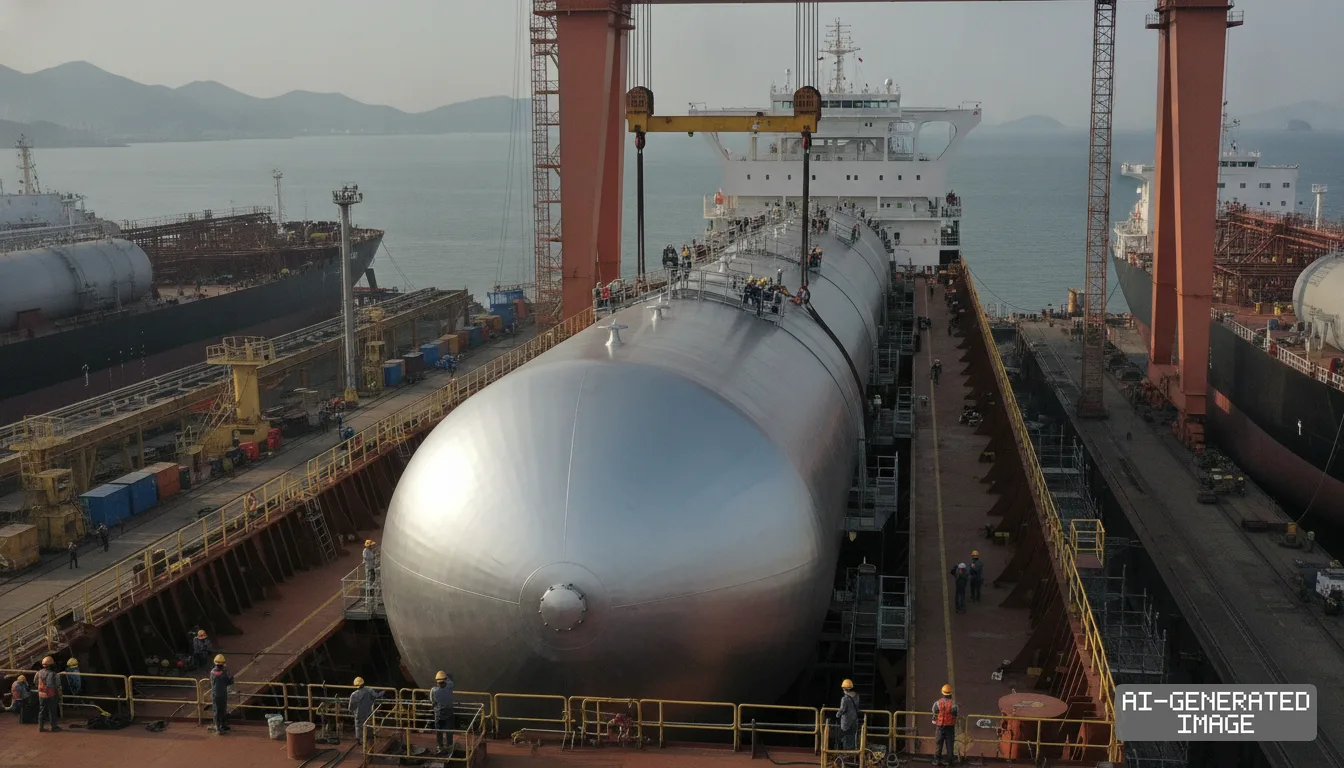
The industrial site will host an anchor shipyard designed to build 2.5 million gross tons of merchant vessels annually. That targeted output matches terms established in a tripartite agreement signed on April 20, 2026.
HD Korea Shipbuilding & Offshore Engineering, the intermediate holding company of HD Hyundai, signed that April accord. The company partnered with Sagarmala Finance and a dedicated regional development corporation, port records showed.
That regional entity, National Shipbuilding and Heavy Industries Park Tamil Nadu, was incorporated on Jan. 29, 2026. The entity operates as an equal joint venture between the port authority and state development agency SIPCOT.
State officials in Tamil Nadu established exclusive cooperation with the South Korean group months earlier. HD Hyundai signed an initial development memorandum with the state government in Madurai on Dec. 7, 2025.
The latest field inspection follows a major strategic consolidation by the shipbuilder. HD Korea Shipbuilding & Offshore Engineering announced on Aug. 21, 2026, that it had dissolved a planned joint venture with Cochin Shipyard.
That canceled venture in Kochi had envisioned a 40 billion rupee ($480 million) ship section manufacturing facility. Both companies mutually agreed to terminate the block venture to redirect resources toward a single standalone shipyard, regulatory filings showed.
South Korean shipbuilders face acute capacity constraints across their domestic facilities. Heavy order intake for liquefied natural gas carriers and ultra-large containerships has filled drydocks in Ulsan and Geoje through 2028.
A chronic shortage of skilled domestic welders and fabricators has compounded the dock congestion. Establishing complete production centers abroad allows Korean yards to retain delivery schedules without ceding merchant contracts to Chinese competitors, industry analysts said.
Thoothukudi offers direct maritime access to east-west commercial shipping corridors across the Indian Ocean. The coastal district also features mild year-round operating conditions and minimal rainfall disruptions, matching seasonal operating profiles in Ulsan.
The development supports New Delhi's Maritime Amrit Kaal Vision 2047, a state initiative to elevate India into the top five shipbuilding nations globally. Indian yards currently represent less than 1% of global commercial vessel production.
Under the initiative, the central shipping ministry offers production-linked financial incentives and coastal infrastructure development funds. Indian authorities intend to expand domestic commercial fleet ownership while developing domestic hull fabrication capabilities.
HD Hyundai plans to anchor a broader supplier industrial park alongside the drydocks. Discussions have involved Korean steelmaker POSCO to secure high-tensile marine plate steel and heavy gantry cranes from specialized engineering partners, project documents showed.
Unconfirmed local reports have pegged the total capital expenditure for the Thoothukudi complex at $4 billion. HD Hyundai has not confirmed any project valuation, capex budget, or binding financing commitments in regulatory filings.
Indian media reports also outlined a proposed shareholding structure where state agencies would hold minority stakes. HD Hyundai and Tamil Nadu authorities have not executed binding equity agreements verifying those figures.
Rival coastal states have also sought to attract Korean shipyard capital. Officials in neighboring Andhra Pradesh presented incentive proposals for Kakinada, but HD Hyundai has made no public filing indicating site reviews there.
The V.O. Chidambaranar Port Authority is scheduled to open technical consultant bids on Sept. 22, 2026. The resulting engineering study will define drydock specifications, water draft dredging, and capital allocation requirements for the shipyard.
Impact map
How this development propagates across the region and out to global buyers.
| Event | Korea | China | Japan | Global impact |
|---|---|---|---|---|
| Thoothukudi shipyard due diligence | expands overseas dock footprint | — | — | eases merchant order congestion |
In this story
- Companies
- HD HyundaiHD Korea Shipbuilding & Offshore Engineering
- Tickers
- 267250.KS009540.KS
- Exposed
- POSCOCochin Shipyard
- Policy
- SubsidiesEconomic Security
- Impact
- Supply ChainCapexOrder Book
Track every Subsidies development → Track every Economic Security development →
Related briefings
- HD Korea Shipbuilding advances $4B shipyard project in India Also on Cochin Shipyard, HD Hyundai, HD Korea Shipbuilding & Offshore Engineering
- Mazagon Dock drops Thoothukudi yard as HD Hyundai wins site Also on POSCO, HD Korea Shipbuilding & Offshore Engineering, Order Book
- POSCO and Hanwha Ocean sign pact to test manganese LNG tanks Also on POSCO, Order Book
- Hyundai Steel and POSCO build US plant to bypass Section 232 Also on POSCO, Subsidies
Sources
Reporting
Confidence: medium — how we grade this
The documents behind this briefing are linked above. East Asia Brief produces its English text with AI assistance under human editorial review, and does not translate or republish other outlets' articles. See our methodology and AI policy. Spotted an error? Tell us.
The Morning Brief
What changed in Korean, Chinese and Japanese industry overnight — and what it means for your supply chain. One email, weekday mornings, US time. Free.
The Morning Brief is in preparation. Leave your address and we will write to you once — when the first issue is ready. Nothing before that.