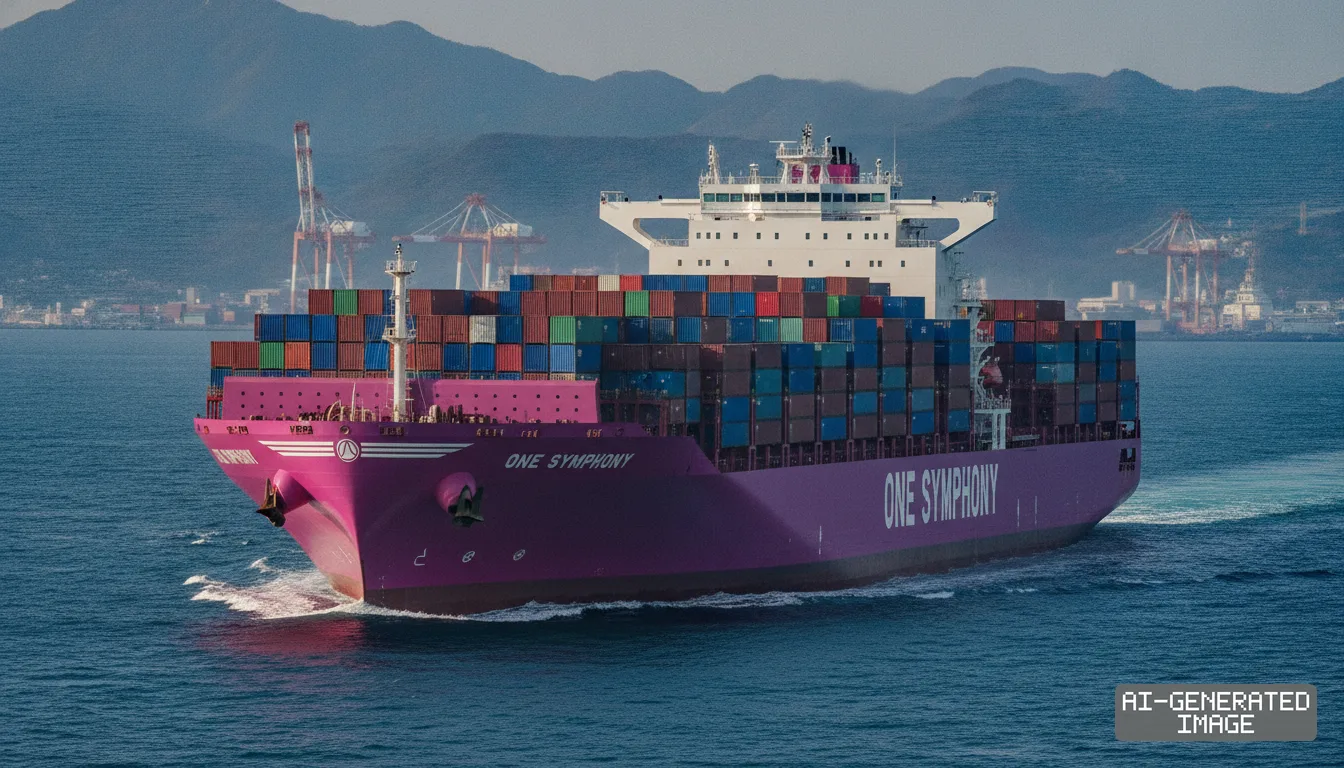
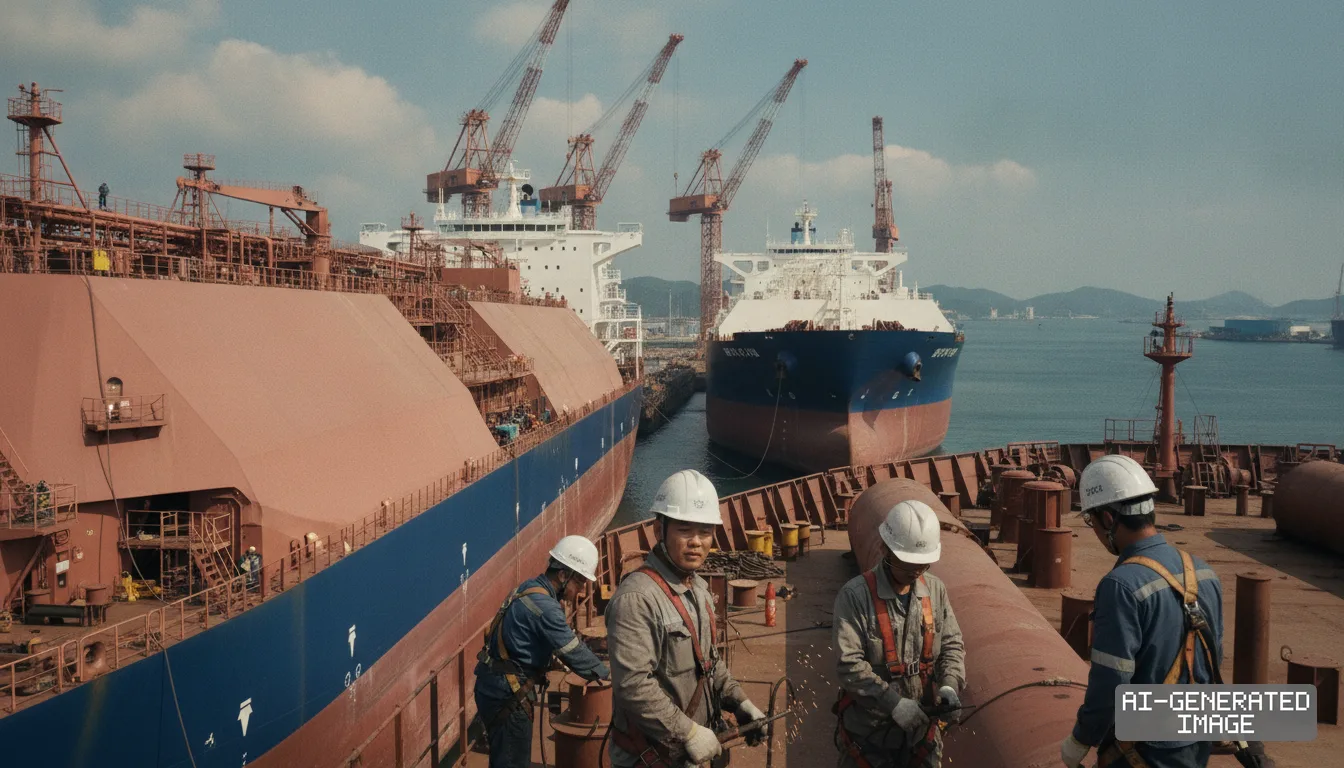
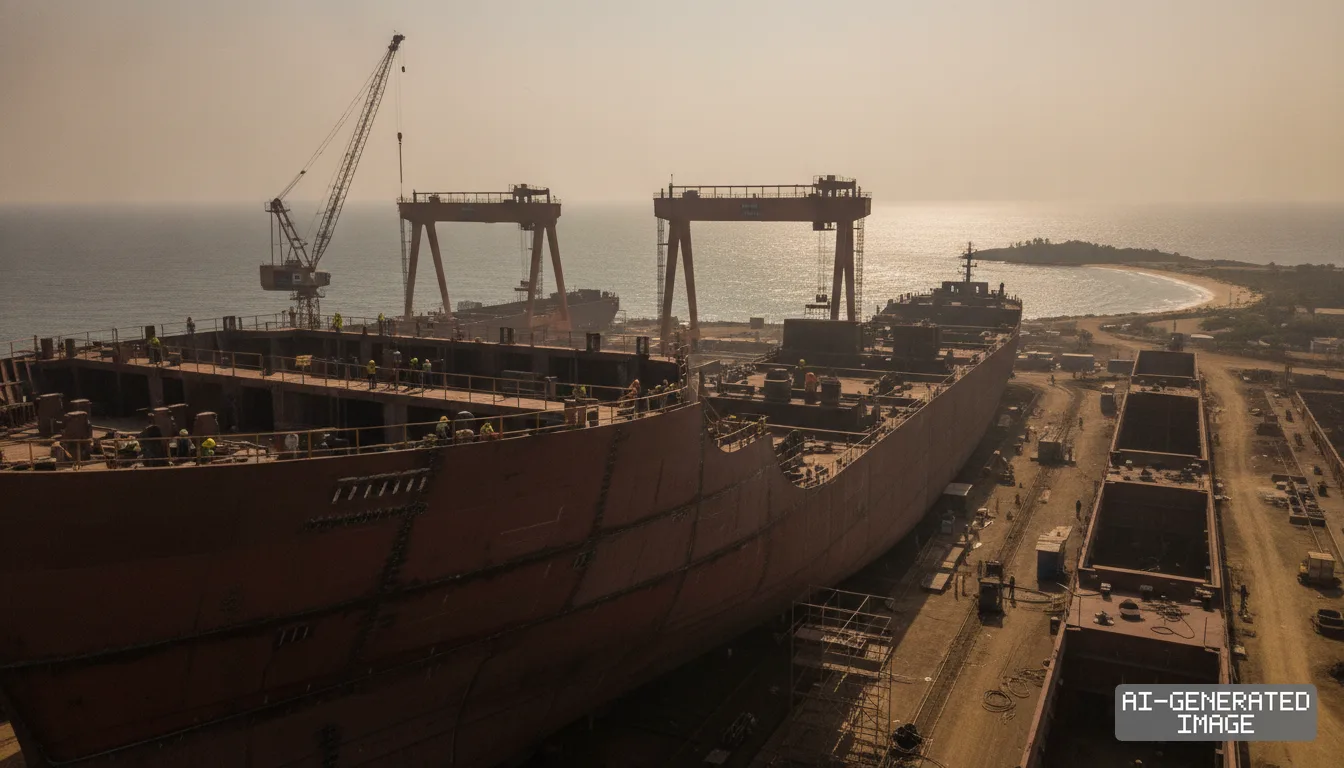
Hanwha Ocean books $267 million VLCC order for 2030 delivery
The South Korean shipbuilder locked in 356.8 billion won for two crude tankers, lifting its year-to-date order book to $8.11 billion across 44 vessels.
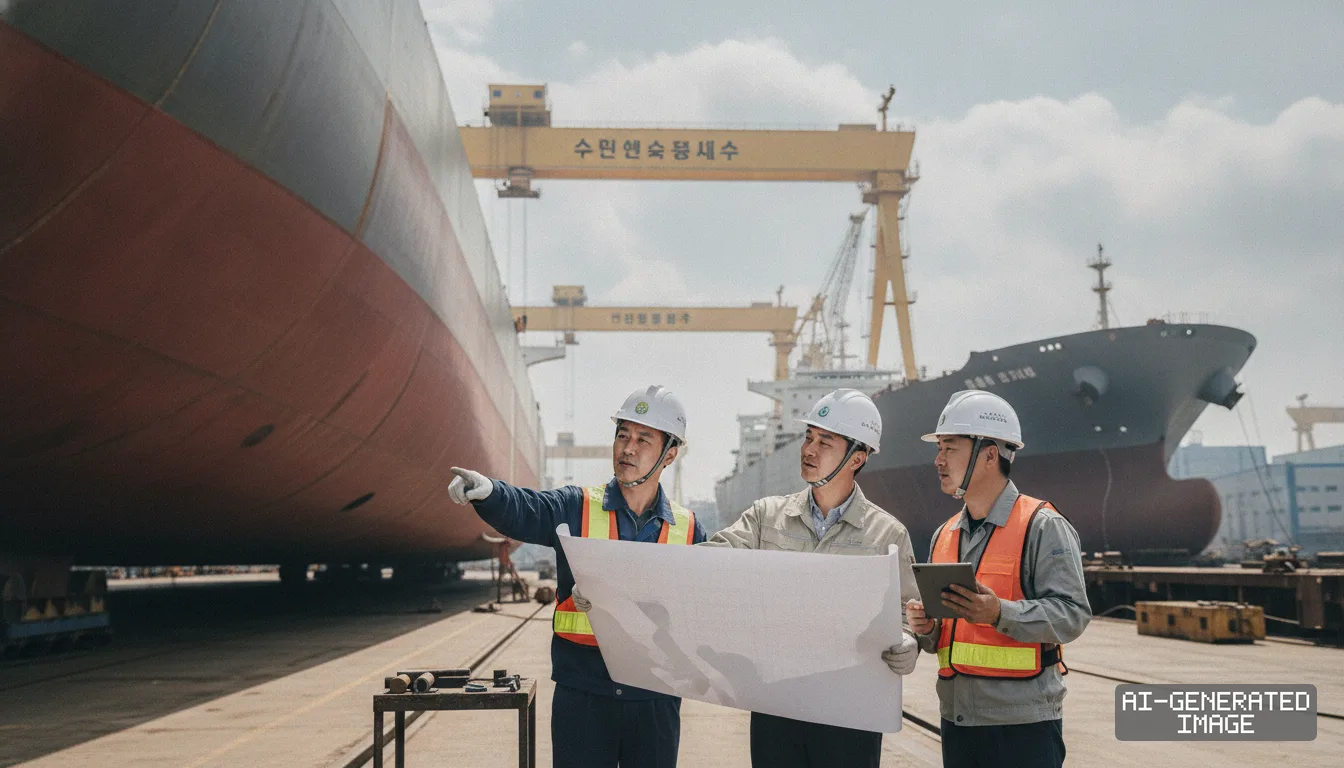
Hanwha Ocean said Oct. 30 it secured an order to build two very large crude carriers for 356.8 billion won ($267 million). The contract allocates dry dock slots through 2030 for an undisclosed shipowner based in Bermuda.
The agreement was signed Oct. 29, the shipbuilder said in a regulatory filing to the Financial Supervisory Service. The transaction equals 2.8% of Hanwha Ocean's 2025 consolidated revenue of 12.78 trillion won ($9.56 billion).
The contract breaks down to approximately 178.4 billion won ($133.5 million) per vessel. That valuation was calculated using an exchange rate of 1,336.30 won per dollar on the signing date.
Construction will take place at the company's primary shipyard on Geoje Island, South Korea. The formal contract window runs from Oct. 29, 2026 to Sept. 30, 2030, with both vessels scheduled for delivery during the second half of 2030.
The payment schedule follows conventional milestone installments, Hanwha Ocean said. The shipbuilder will collect progress payments alongside an initial down payment and interim cash tranches.
The regulatory filing does not name the buyer, identifying the counterparty only as a Bermuda-region shipowner. Hanwha Ocean has not disclosed the commercial charter arrangements or fuel propulsion configurations chosen for the vessels.
The order brings Hanwha Ocean's cumulative 2026 newbuilding tally to 44 vessels worth roughly $8.11 billion. The contract adds to a commercial backlog that includes 21 crude carriers, eight liquefied natural gas tankers and six containerships.
The tally also counts three very large ammonia carriers, three very large gas carriers and one offshore wind installation vessel. Very large crude carriers now account for nearly half of all hulls ordered at the yard this year.
Hanwha Ocean reported an order backlog of $36.22 billion during its third-quarter earnings call on Oct. 27. That volume covers roughly three years of full-capacity production across its active shipbuilding berths.
South Korean shipyards spent several seasons prioritizing LNG carriers over crude oil tankers. High LNG charter rates and European gas demand drove prices for cryogenic vessels to historic highs.
Concentrating production on LNG carriers creates specific manufacturing bottlenecks inside Korean shipyards. Those vessels require specialized containment insulation systems and dense outfitting workforces that cannot easily be scaled.
Very large crude carriers use simpler structural steel blocks and demand less complex machinery work inside the cargo tanks. Inserting crude carriers between complex gas vessels eases shipyard labor bottlenecks and accelerates dry dock rotation.
Newbuild pricing for 300,000-deadweight-ton tankers has risen steadily over the past two years. Strong crude freight rates and limited global shipyard capacity pushed prices to levels last seen over a decade ago.
Securing $133.5 million per hull locks in profitable margins four years ahead of final vessel delivery. Hanwha Ocean is filling outer-year assembly schedules without discounting slots to capture immediate market volume.
Dry dock slots across major East Asian yards remain scarce through 2028. Rival yards in South Korea and China have largely booked their prime construction schedules for gas carriers and large container vessels.
Shipowners seeking crude oil tankers face a tightening timeline to replace aging tonnage. Over 30% of the active global tanker fleet approaches 15 years of age, nearing standard retirement thresholds.
Stricter environmental rules from the International Maritime Organization also penalize older, fuel-inefficient tankers. Owners must either order compliant modern tonnage or face operating restrictions on key long-haul routes.
Spreading tanker deliveries into 2030 gives Hanwha Ocean predictable revenue visibility. The builder avoids exposing its dock space to sudden downturns in any single maritime cargo market.
The shipyard will finalize steel procurement and begin early fabrication closer to the scheduled keel-laying dates. Both tankers will be handed over to the client before the contractual expiration date of Sept. 30, 2030.
Impact map
How this development propagates across the region and out to global buyers.
| Event | Korea | China | Japan | Global impact |
|---|---|---|---|---|
| VLCC dock slot allocation | Hanwha Ocean balances dry docks against LNG backlogs through 2030 | Competing yards face higher price hurdles for premium tanker construction berths | Domestic yards remain excluded from 300,000-dwt crude tanker orders on dock size limits | Crude tanker fleet renewal costs rise as delivery slots stretch into late 2030 |
In this story
- Companies
- Hanwha Ocean
- Tickers
- 042660.KS
- Impact
- Order BookCapexCost Structure
Related briefings
- HD Hyundai will automate shipyards with digital twins by 2030 Also on Hanwha Ocean, Cost Structure, Order Book
- Korean shipbuilders localize Arctic ice design software Also on Hanwha Ocean, Cost Structure, Order Book
- Hanwha Ocean taps Maum AI for shipyard welding automation Also on Hanwha Ocean, Cost Structure, Order Book
- HD Hyundai Heavy ratifies wage deal as Hanwha Ocean faces yard protest Also on Hanwha Ocean, Cost Structure, Order Book
Sources
Reporting
Confidence: medium — how we grade this
The documents behind this briefing are linked above. East Asia Brief produces its English text with AI assistance under human editorial review, and does not translate or republish other outlets' articles. See our methodology and AI policy. Spotted an error? Tell us.
The Morning Brief
What changed in Korean, Chinese and Japanese industry overnight — and what it means for your supply chain. One email, weekday mornings, US time. Free.
The Morning Brief is in preparation. Leave your address and we will write to you once — when the first issue is ready. Nothing before that.