Quantum Critical Metals targets Quebec gallium before China waiver ends
CEO Marcy Kiesman plans to extract semiconductor-grade metal from James Bay pegmatites as Beijing controls 98% of primary low-purity production.
Quantum Critical Metals stepped up its Quebec extraction strategy on Nov. 6, 2026, aiming to build North American gallium supply before China ends its current export waiver.
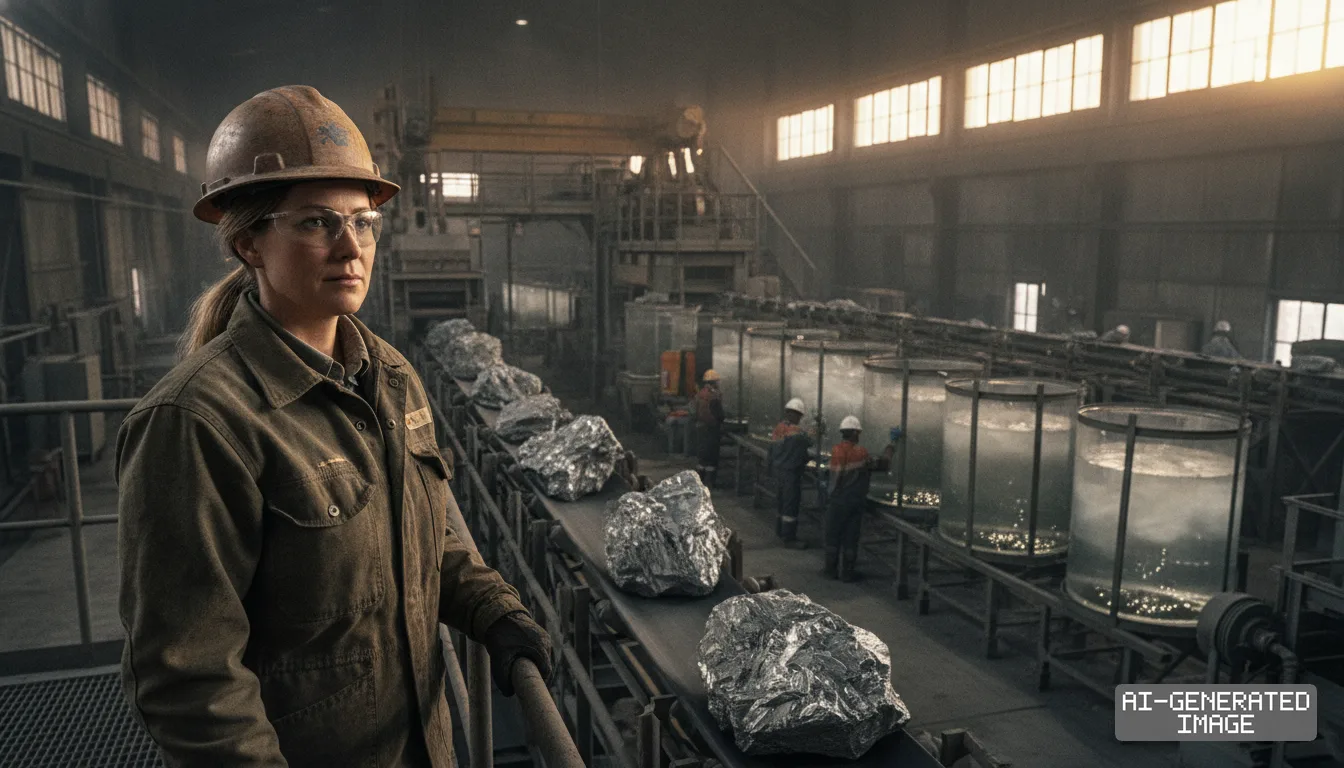
Chief Executive Officer Marcy Kiesman outlined plans to extract the semiconductor metal from mica-bearing pegmatites at its James Bay assets. China controls roughly 98% of global primary low-purity gallium production, leaving Western device fabricators exposed to offshore trade policy.
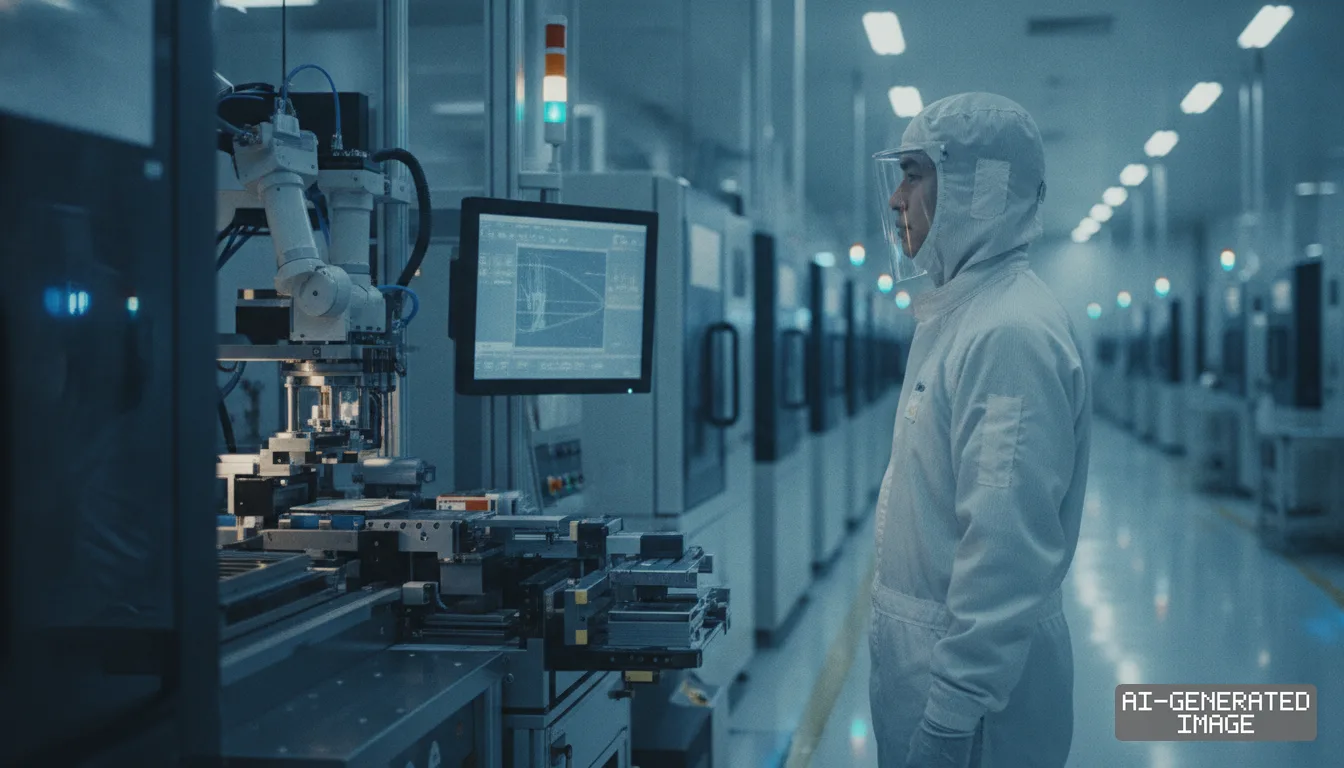
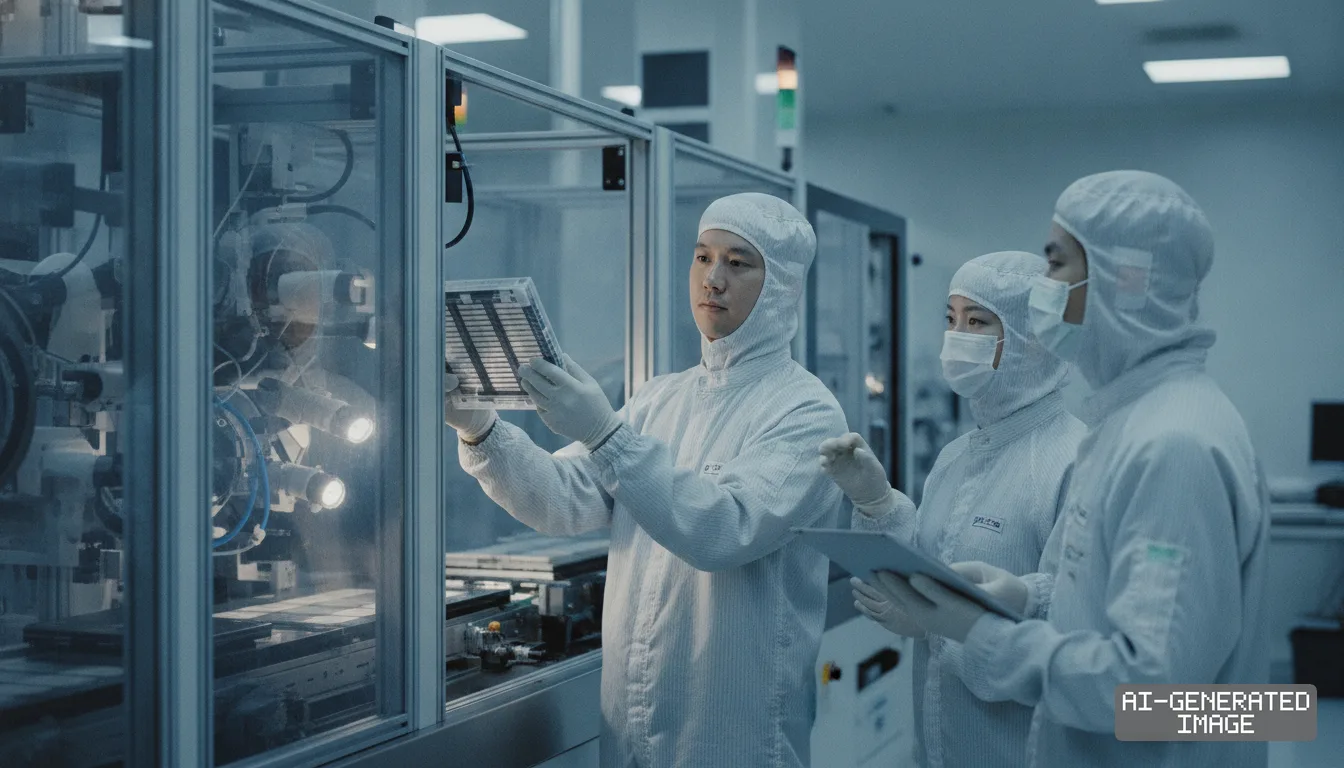
The initiative targets supply security for manufacturers of gallium nitride power chips and defense radar modules. Those components rely entirely on foreign refining capacity, with the United States possessing no operational primary gallium extraction facilities.
Bench-scale hydrometallurgical testing on mica samples from the company's NMX East project achieved a 93% gallium recovery rate. The Vancouver-based explorer relies on acid baking and leaching to extract the mineral from flotation concentrates.
Pegmatite drilling in 2023 at NMX East intersected 107 meters grading 38.85 grams per metric ton of gallium. A mica concentrate prepared from that interval returned 205 grams per metric ton of gallium, alongside 3,260 grams per metric ton of rubidium.
The project represents an unconventional supply route. Gallium is typically recovered as a byproduct during bauxite refining for alumina or from zinc smelting residues, rather than mined directly from hard-rock mica deposits.
On Sept. 29, 2026, the company confirmed that its adjacent Discovery property also hosts gallium within mica. Laser mineral mapping on nine historical core samples proved the mineral distribution mirrored the pegmatite geology established at NMX East.
The shared mineralogy allows engineers to apply the same flotation and leaching protocols across both northern Quebec blocks. That technical alignment shortens preliminary testing cycles, the company said.
Downstream refining hinges on a preliminary agreement signed with American technology developer Nusano. Under that memorandum of understanding, feedstock from Quebec would move to Nusano's planned separation facility in Salt Lake City, Utah.
The Utah plant is designed to refine gallium alongside germanium, antimony, tin and rare earth elements. Nusano allocates dedicated circuit capacity under the partnership to convert Canadian mineral concentrates into semiconductor-grade metal.
Upstream development faces immediate pressure from Chinese trade rules. China's Ministry of Commerce originally barred gallium, germanium and antimony exports to the United States under Announcement No. 46 on Dec. 3, 2024.
The ministry subsequently issued Announcement No. 72 on Nov. 9, 2025, suspending those targeted export prohibitions. That suspension granted international supply chains a temporary reprieve.
The legal exemption defined in Announcement No. 72 expires Nov. 27, 2026. Beijing has maintained broad discretionary export licensing requirements for dual-use minerals throughout the waiver window.
Chinese authorities also maintain an absolute embargo on mineral sales directed toward military end users. That restriction complicates procurement for tier-one aerospace and defense contractors across North America.
Western semiconductor fabricators have maintained low stockpiles of specialty chemicals. A resumption of Chinese export denials would cut immediate raw material access for gallium arsenide and gallium nitride wafer foundries.
Quantum Critical Metals has not filed a binding material change report on SEDAR+ detailing altered commercial commissioning dates or capital expenditure requirements. The operational acceleration reflects executive corporate strategy rather than an amended statutory project timeline.
Commercial-scale hydrometallurgical recovery from mica has never operated at industrial volume. Scaling the leaching process requires building dedicated flotation plants and waste management infrastructure in subarctic conditions.
The company must complete pilot-plant continuous testing before commissioning engineering designs for James Bay. Field testing schedules depend on provincial environmental permits from Quebec natural resources authorities.
Trade officials in Washington and Ottawa have sought bilateral minerals agreements to underwrite processing capital. Without binding offtake commitments from commercial chipmakers, junior extraction projects face long development schedules.
The Ministry of Commerce in Beijing has scheduled the expiration of its temporary export-control waiver for Nov. 27, 2026.
Impact map
How this development propagates across the region and out to global buyers.
| Event | Korea | China | Japan | Global impact |
|---|---|---|---|---|
| Expiration of China MOFCOM dual-use export control waiver | domestic compound chipmakers monitor raw wafer feedstock availability | MOFCOM maintains export licensing leverage over global gallium and germanium supplies | specialty materials refiners maintain strategic buffer stocks to offset Chinese quota cuts | North American compound fab lines face raw material price increases as waiver ends Nov. 27 |
In this story
- Companies
- Quantum Critical MetalsNusano
- Tickers
- TSXV:LEAP
- Policy
- Export Controls
- Impact
- Supply ChainCompliance
Track every Export Controls development →
Related briefings
- US presses China on rare earth shipments ahead of Nov. 10 deadline Also on Export Controls, Compliance
- Malaysia chip packaging hub faces renewed US Section 301 tariff review Also on Export Controls, Compliance
- China brings rare earth industry body under direct Communist Party rule Also on Export Controls, Compliance
- Moonshot AI taps European cloud for 8,000 Blackwell chips Also on Export Controls, Compliance
Sources
Primary documents
Reporting
Confidence: high — how we grade this
The documents behind this briefing are linked above. East Asia Brief produces its English text with AI assistance under human editorial review, and does not translate or republish other outlets' articles. See our methodology and AI policy. Spotted an error? Tell us.
The Morning Brief
What changed in Korean, Chinese and Japanese industry overnight — and what it means for your supply chain. One email, weekday mornings, US time. Free.
The Morning Brief is in preparation. Leave your address and we will write to you once — when the first issue is ready. Nothing before that.