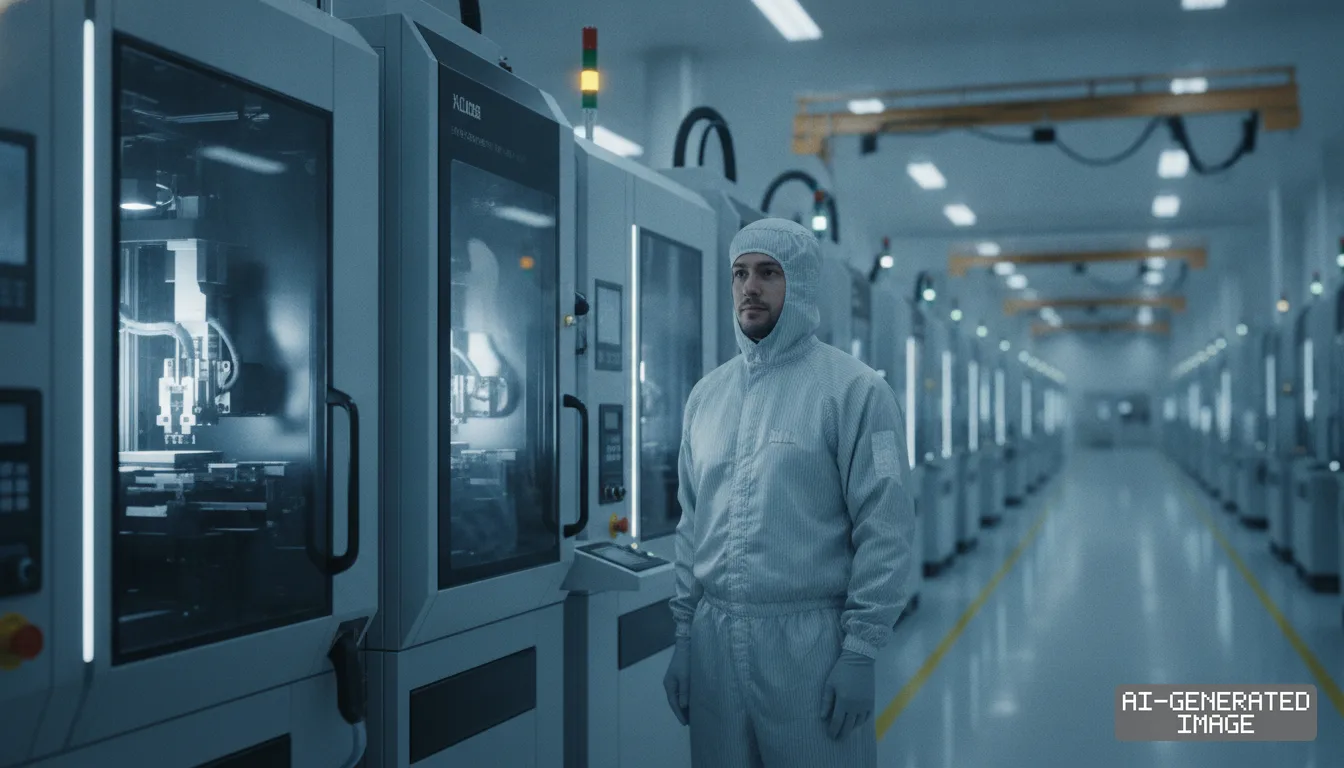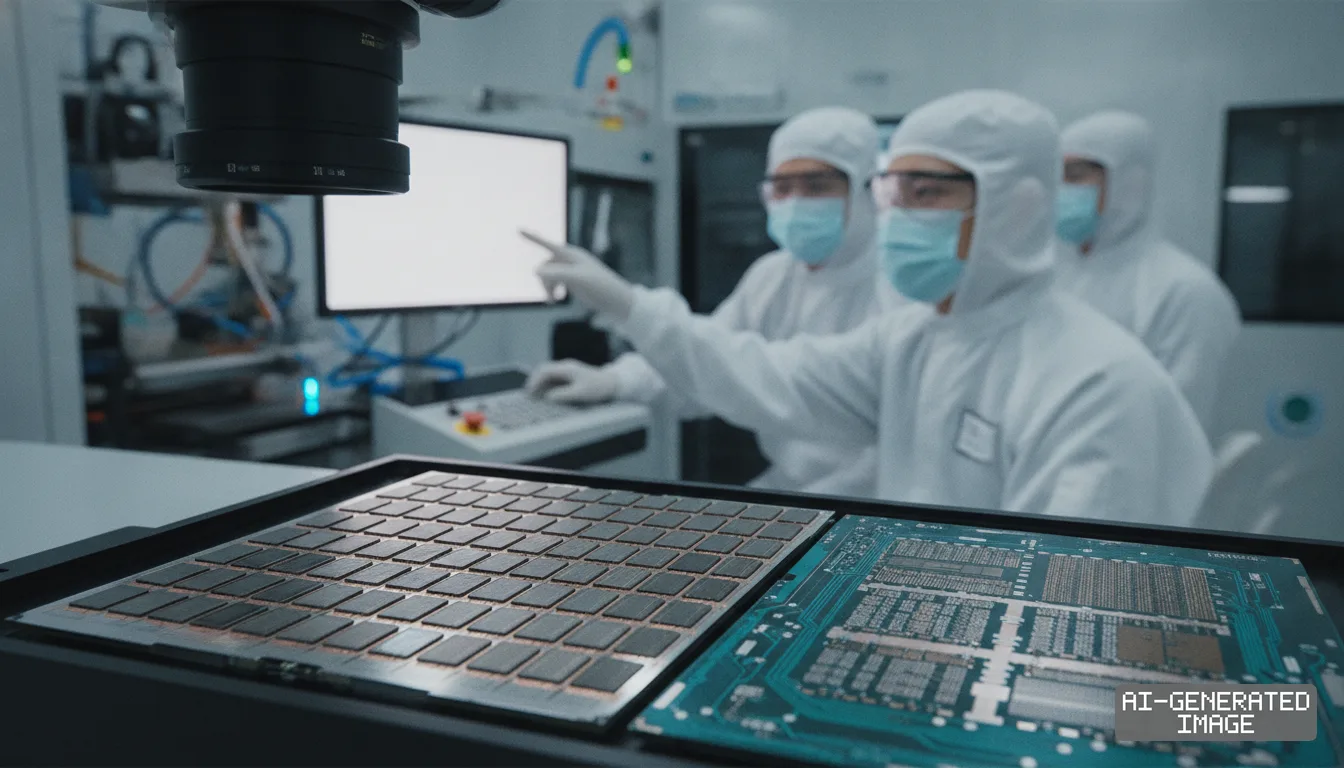
MediaTek debuts first 2nm mobile AP built on TSMC N2P node
The Dimensity 9600 Pro leapfrogs Qualcomm to secure TSMC nanosheet capacity, cutting multicore power consumption by up to 61% before October commercial rollouts.
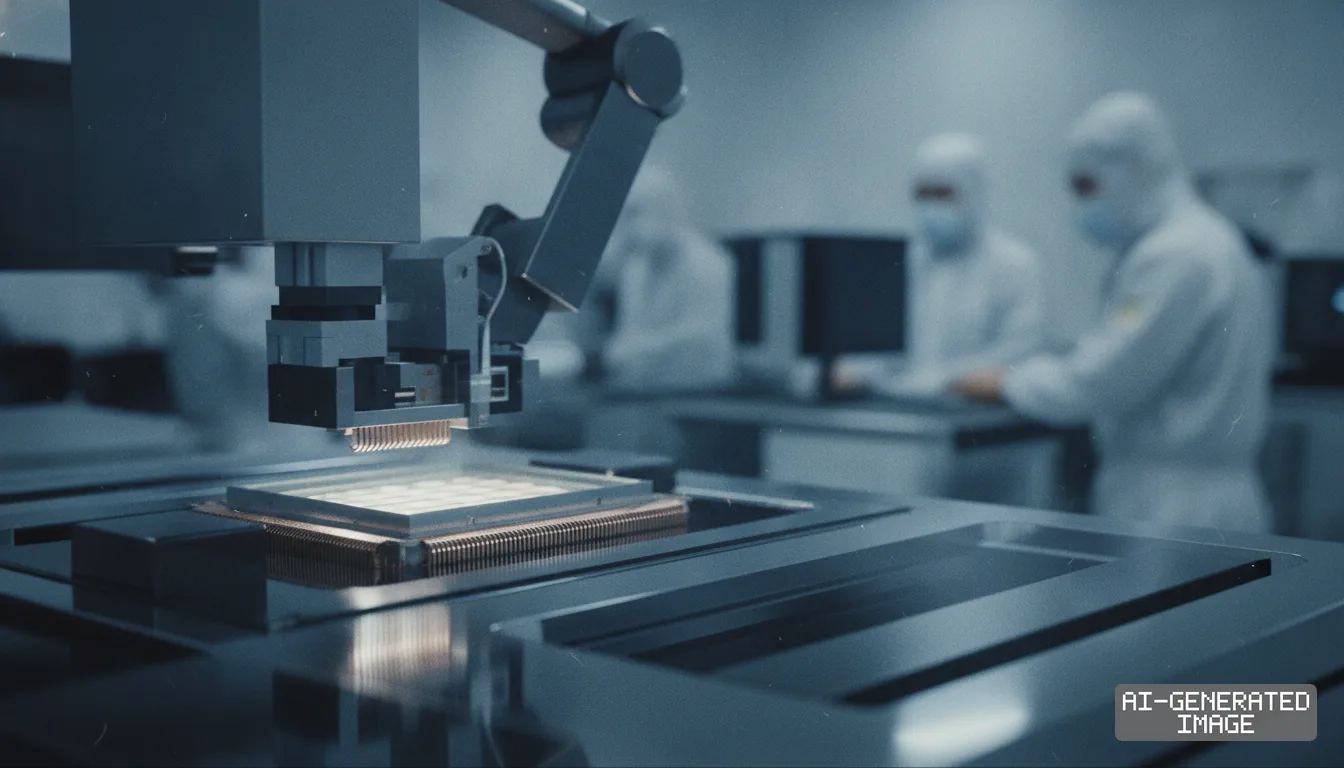
MediaTek launched its Dimensity 9600 Pro mobile processor on Sept. 15, 2026, marking the industry's first commercial application of TSMC's 2-nanometer nanosheet foundry manufacturing process.
The flagship processor uses Taiwan Semiconductor Manufacturing Co.'s enhanced N2P node to cut multicore power consumption by up to 61% compared to its prior Dimensity 9500 platform.
The silicon transition comes as foundry wafers on TSMC's 2nm lines reach an estimated $30,000 per unit, representing an increase of roughly 50% over initial 3nm commercial pricing.
The announcement shifts the timeline of mobile fabrication transitions, placing the Taiwanese chip designer ahead of rival Qualcomm in adopting next-generation gate-all-around transistor structures for production handsets.
Nanosheet architecture wraps gate material around all four sides of horizontal silicon channels, replacing FinFET transistors to curb electrical leakage and maintain switching speeds at sub-3nm dimensions.
The Dimensity 9600 Pro relies on an eight-core CPU layout configured entirely with high-performance cores, dropping standard efficiency cores to maximize sustained computing throughput under heavy operational workloads.
The central processor integrates two Arm C2-Ultra cores clocked at up to 4.55 GHz alongside three Arm C2-Pro cores operating at 4.35 GHz, the company said in a product release.
Three additional Arm C2-Pro cores running at 3.1 GHz complete the cluster, generating a 17% increase in single-core performance and a 15% increase in multicore performance over the previous generation.
Graphics workloads run through an integrated Arm Mali-G2 Ultra NX graphics processing unit, paired with architectural support for next-generation LPDDR6 memory and UFS 5.0 solid-state flash storage standards.
MediaTek paired the computing cores with an updated dual artificial intelligence engine, combining the flagship NPU 1090 accelerator with an ultra-low-power co-processor to handle continuous background generative models.
The dual neural processing design delivers a 51% improvement in large language model pre-fill processing speeds, allowing handsets to execute local generative models with up to 30 billion parameters.
MediaTek originally validated the underlying silicon on Sept. 16, 2025, when the company confirmed the completion of its first tape-out on TSMC's enhanced N2P fabrication process.
That development cycle allowed MediaTek to secure early production queue slots at TSMC's domestic fabrication facilities ahead of competing merchant silicon vendors targeting the 2027 product window.
TSMC has scheduled broad commercial volume manufacturing for its 2nm family at Fab 20 in Hsinchu and Fab 22 in Kaohsiung across the second half of 2026.
The foundry vendor engineered N2P to offer full design rule compatibility with base N2 lines while extracting an additional 5% speed uplift at equivalent operating voltages.
Qualcomm has traditionally captured the initial wave of tier-one Android flagship handset designs through its Snapdragon platform, leaving MediaTek to compete primarily on system cost in mid-range tiers.
MediaTek is positioning the Dimensity 9600 Pro at an estimated wholesale unit price between $200 and $220, challenging Qualcomm's Snapdragon 8 Elite Gen 6 on component margins.
Contract assembly and system integration for the new platform will center initially on Chinese smartphone brands seeking to differentiate premium product portfolios through early semiconductor node access.
Handset manufacturers Vivo and OPPO plan to integrate the Dimensity 9600 Pro into commercial flagship smartphones scheduled for retail market release starting in October.
Those Chinese consumer device vendors represent a substantial portion of MediaTek's premium chipset deliveries, providing immediate volume demand for TSMC's early 2nm production runs.
The commercial rollout applies pressure to Qualcomm, which faces rising fabrication expenses as foundries adjust multi-patterning extreme ultraviolet lithography charges for sub-3nm wafers.
The higher pricing structure of 2nm wafer runs forces fabless designers to weigh gross margin targets against the computing performance required by mobile on-device artificial intelligence engines.
Apple absorbed the early run of TSMC's initial 3nm capacity in 2023, establishing a precedent where sole-source allocation constrained capacity access for merchant chip designers for several quarters.
MediaTek's early N2P tape-out disrupted that procurement sequence by locking in manufacturing allocations alongside tier-one computing clients before merchant foundry space tightened.
The commercial viability of the platform will depend on sustained production yields across TSMC's initial wafer lots as packaging houses begin processing production dies.
Commercial retail shipments of smartphones containing the Dimensity 9600 Pro will reach store shelves across East Asian markets starting in late October.
MediaTek has not published contracted wafer allocation volumes from TSMC, nor has the company confirmed shipment quotas agreed with its Chinese hardware partners.
Impact map
How this development propagates across the region and out to global buyers.
| Event | Korea | China | Japan | Global impact |
|---|---|---|---|---|
| MediaTek 2nm AP commercialization | Samsung Foundry faces wider node gap in mobile AP client acquisition | Vivo and OPPO secure first 2nm flagship slots, boosting premium domestic share | Materials suppliers including photoresist makers gain high-EUV chemical orders | Qualcomm faces pricing squeeze as MediaTek offers 2nm silicon at $200-$220 |
In this story
- Companies
- MediaTekTSMC
- Tickers
- 2454.TW2330.TW
- Exposed
- QualcommVivoOPPOArm HoldingsApple
- Policy
- Economic SecuritySubsidies
- Impact
- Supply ChainPricingCapex
Track every Economic Security development → Track every Subsidies development →
Related briefings
- TSMC sees 3nm revenue overtake 5nm node on surge in AI accelerators Also on Qualcomm, Apple, Pricing
- China RISC-V Chipmakers Tap Domestic 14nm Nodes for Industrial AI Also on ARM Holdings, TSMC
- TSMC Reaffirms 2028 Target for 1.4nm Chips at Taichung Fab Also on Apple, Pricing
- Xi Jinping plans business delegation for Donald Trump summit Also on Apple, Pricing
Sources
Reporting
Confidence: medium — how we grade this
The documents behind this briefing are linked above. East Asia Brief produces its English text with AI assistance under human editorial review, and does not translate or republish other outlets' articles. See our methodology and AI policy. Spotted an error? Tell us.
The Morning Brief
What changed in Korean, Chinese and Japanese industry overnight — and what it means for your supply chain. One email, weekday mornings, US time. Free.
The first issue goes out shortly. Sign up now and you will not miss it.