China polysilicon cash costs diverge across regional power grids under new price rules
Tariff spreads between northern coal-fired baseloads and southwestern hydro grids create a 25 percent operating cost gap for top solar upstream makers.
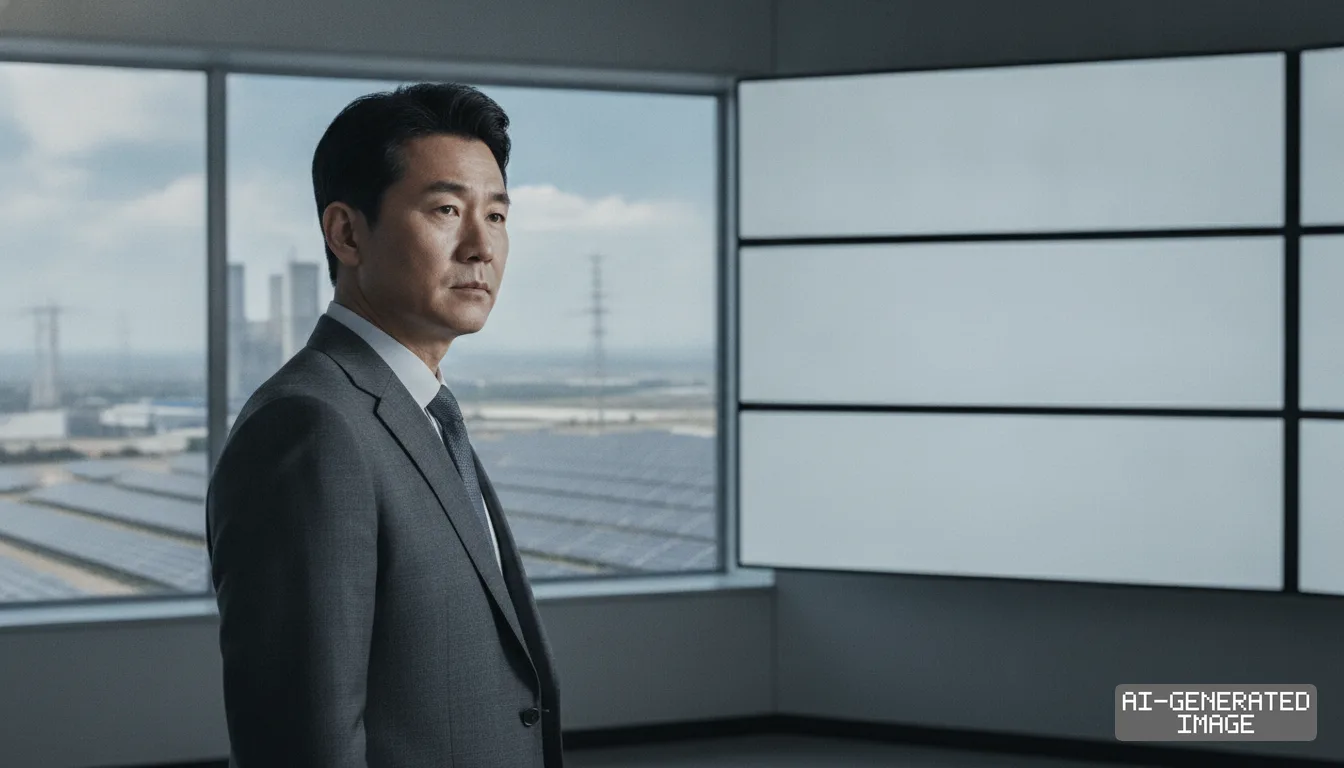
Cash production costs for Chinese polysilicon manufacturers have fractured along regional power boundaries, creating an operational spread of more than 25 percent between low-cost northern coal corridors and seasonally exposed southwestern hydropower hubs. The cost divide has become the primary operational benchmark across the solar upstream sector following an industry pact signed on Aug. 6, 2026, under which China's eight largest producers committed before state regulators to halt sales below standardized full accounting costs.
Electricity procurement represents 30 percent to 40 percent of the total cash cost required to synthesize solar-grade polysilicon through the modified Siemens chemical vapor deposition process. Because the production of one kilogram of dense polysilicon consumes between 50 and 60 kilowatt-hours of electricity, a difference of RMB 0.10 ($0.014) per kilowatt-hour in local industrial power tariffs shifts cash production costs by RMB 5,000 to RMB 6,000 ($715 to $858) per metric ton. This power intensity concentrates cost leadership in jurisdictions that combine cheap baseload generation with direct local grid access.
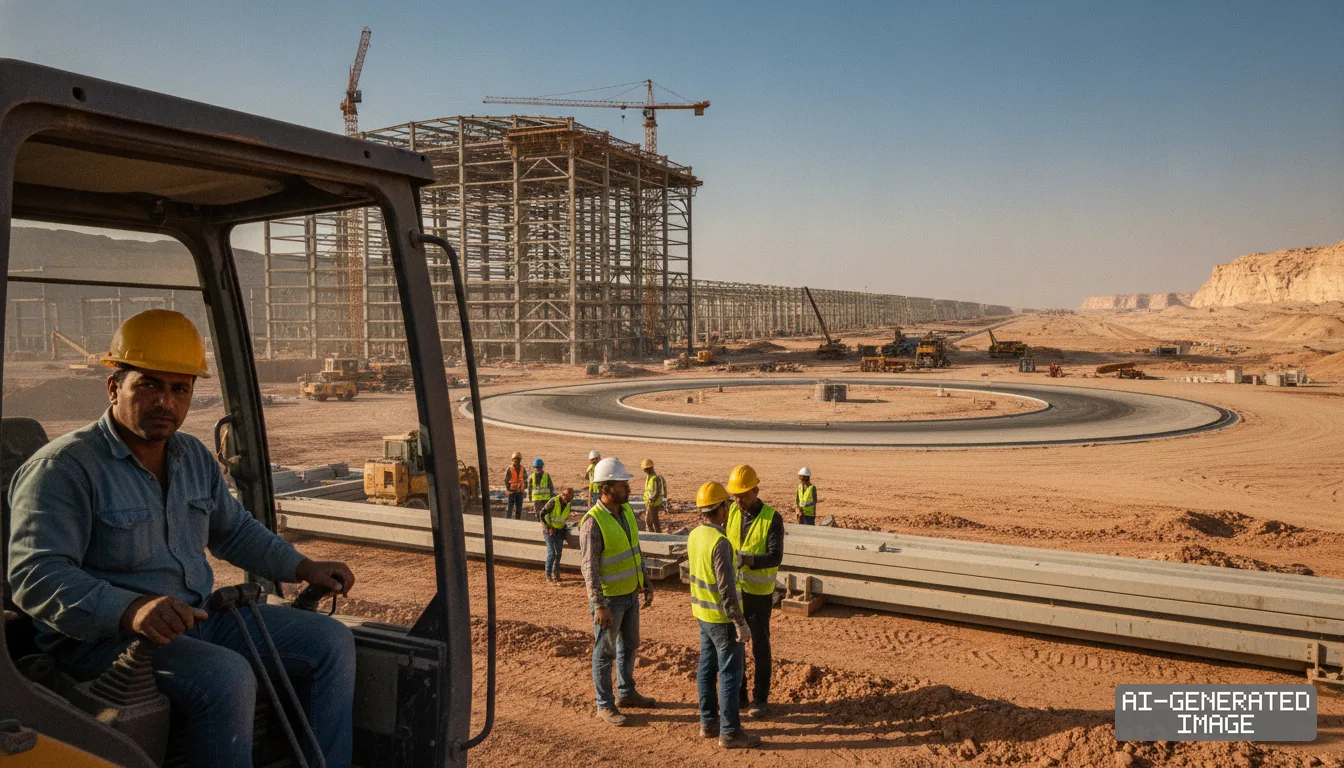
In the northern hub of Baotou, Inner Mongolia, leading producers have established the industry's lowest verified cash cost floor. Tongwei Co., Ltd. disclosed in audited regulatory filings that cash production costs at its Baotou manufacturing base fell below RMB 27,000 ($3,860) per metric ton, excluding value-added tax. The region combines stable coal-fired power tariffs averaging between RMB 0.25 and RMB 0.30 ($0.036 to $0.043) per kilowatt-hour with newly commissioned 200,000-ton single-train production lines that reduce per-unit auxiliary chemical and labor inputs.
In Xinjiang, facilities located around Shihezi and Changji maintain cash production costs between RMB 30,000 and RMB 35,000 ($4,290 to $5,005) per metric ton, or approximately $4.30 to $5.00 per kilogram. Daqo New Energy Corp. reported in its annual Form 20-F filing with the U.S. Securities and Exchange Commission that its blended cash costs across Xinjiang and Inner Mongolia stabilized within this band. Plants in Xinjiang benefit from captive thermal power stations and local pithead coal agreements that shield operators from external grid surcharges, though higher outbound freight rates to eastern wafer ingot facilities partially offset their generation advantage.
Southwestern facilities in Sichuan province, centered in Leshan and Guangyuan, face structural cost volatility due to their reliance on the provincial hydropower grid. While wet season tariffs between June and October provide clean electricity at rates competitive with northern coal, the winter dry season forces plants to absorb higher grid purchase rates. Tongwei noted in regulatory filings that electricity costs at its Sichuan assets rise cyclically during the low-water season, with industry operating data indicating a cash cost increase of $0.80 to $1.00 (RMB 5,000 to RMB 7,000) per kilogram during winter months compared to northern baseload assets.
Feedstock logistics compound the regional power divide. Metallurgical silicon metal, the raw input refined into trichlorosilane gas for polysilicon synthesis, is concentrated in resource-rich provinces including Yunnan, Sichuan, and Xinjiang. Northern producers in Inner Mongolia pay an additional freight premium of RMB 300 to RMB 500 ($43 to $71) per metric ton to haul silicon metal from southwestern smelters, yet their power tariff advantage of RMB 0.15 to RMB 0.20 per kilowatt-hour over southwestern dry-season rates comfortably offsets the transport penalty.
The operational gap among regions gained regulatory urgency after the China Photovoltaic Industry Association, the Ministry of Industry and Information Technology, and the State Administration for Market Regulation convened the eight major polysilicon producers on Aug. 6, 2026. The signatories, including Tongwei, Daqo New Energy, Xinte Energy, and GCL Technology, agreed to adhere to the General Rules for the Cost Accounting Model of the Photovoltaic Industry. The rules establish a mandatory accounting baseline to eliminate predatory spot pricing, effectively requiring southwestern facilities with higher delivered electricity costs to adjust run rates rather than sell below regional fully loaded production thresholds.
Operating rates across southwestern capacity lines have begun adjusting to reflect the new accounting floor as dry season power contracts take effect. Northern facilities in Inner Mongolia and Xinjiang continue to supply base volumes under long-term contract pricing tied to verified local cash costs.
Impact map
How this development propagates across the region and out to global buyers.
| Event | Korea | China | Japan | Global impact |
|---|---|---|---|---|
| Polysilicon cost floor | — | upstream margin reset | — | solar module price stabilization |
In this story
- Companies
- TongweiDaqo New EnergyXinte EnergyGCL Technology
- Tickers
- 600438.SSDQ
- Policy
- Industrial PolicyAntitrust
- Impact
- Cost StructureSupply ChainPricing
Track every Industrial Policy development → Track every Antitrust development →
Related briefings
- KFTC opens supply contract probe into tier-one robotics and battery parts Also on Antitrust, Pricing, Cost Structure
- Kioxia Rejects SK hynix Flash Alliance to Guard SanDisk Ties Also on Antitrust, Pricing
- Korea FTC Targets NXP and Analog Devices Over Chip Distribution Pricing Controls Also on Antitrust, Pricing
- HD Hyundai Marine Solution Buys Goltens for $247.5 Million Also on Antitrust, Cost Structure
Sources
Primary documents
Reporting
Confidence: high — how we grade this
The documents behind this briefing are linked above. East Asia Brief produces its English text with AI assistance under human editorial review, and does not translate or republish other outlets' articles. See our methodology and AI policy. Spotted an error? Tell us.
The Morning Brief
What changed in Korean, Chinese and Japanese industry overnight — and what it means for your supply chain. One email, weekday mornings, US time. Free.
The Morning Brief is in preparation. Leave your address and we will write to you once — when the first issue is ready. Nothing before that.