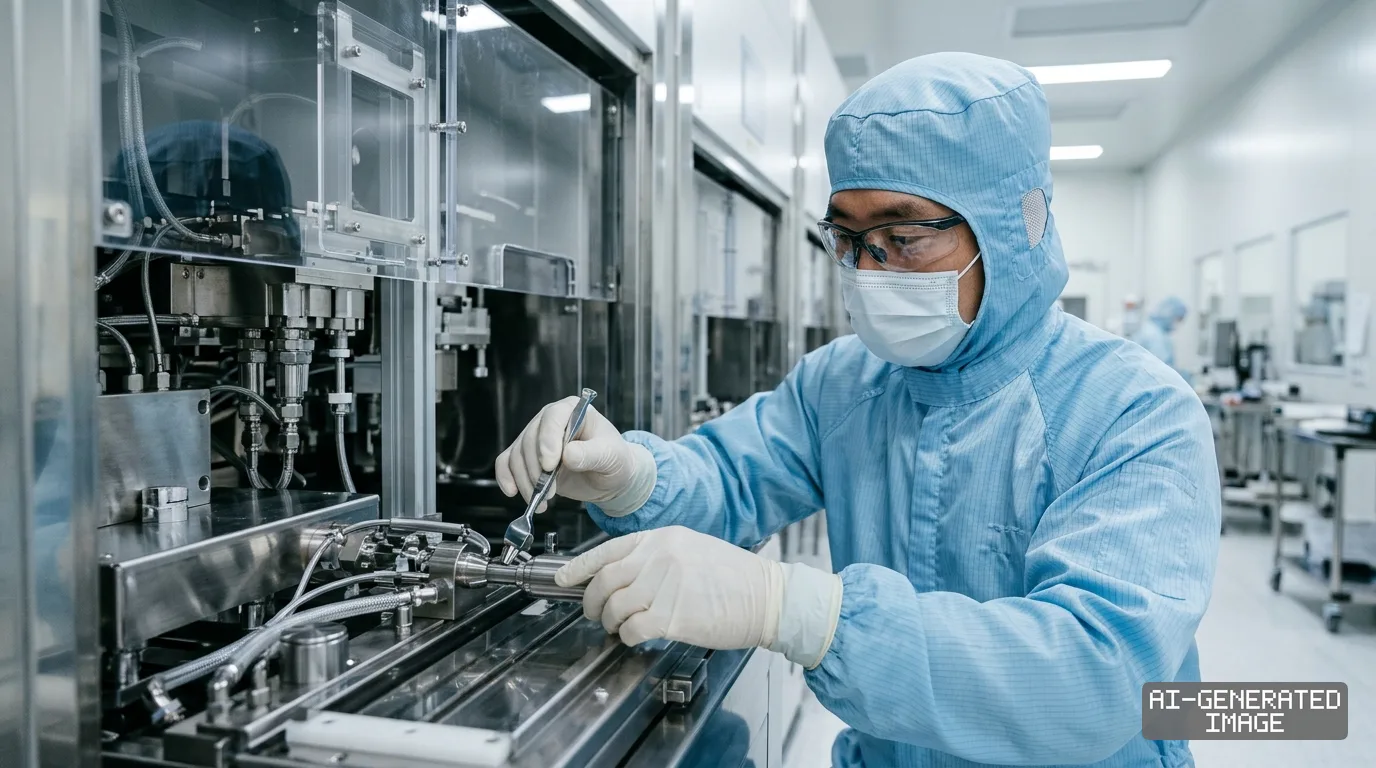
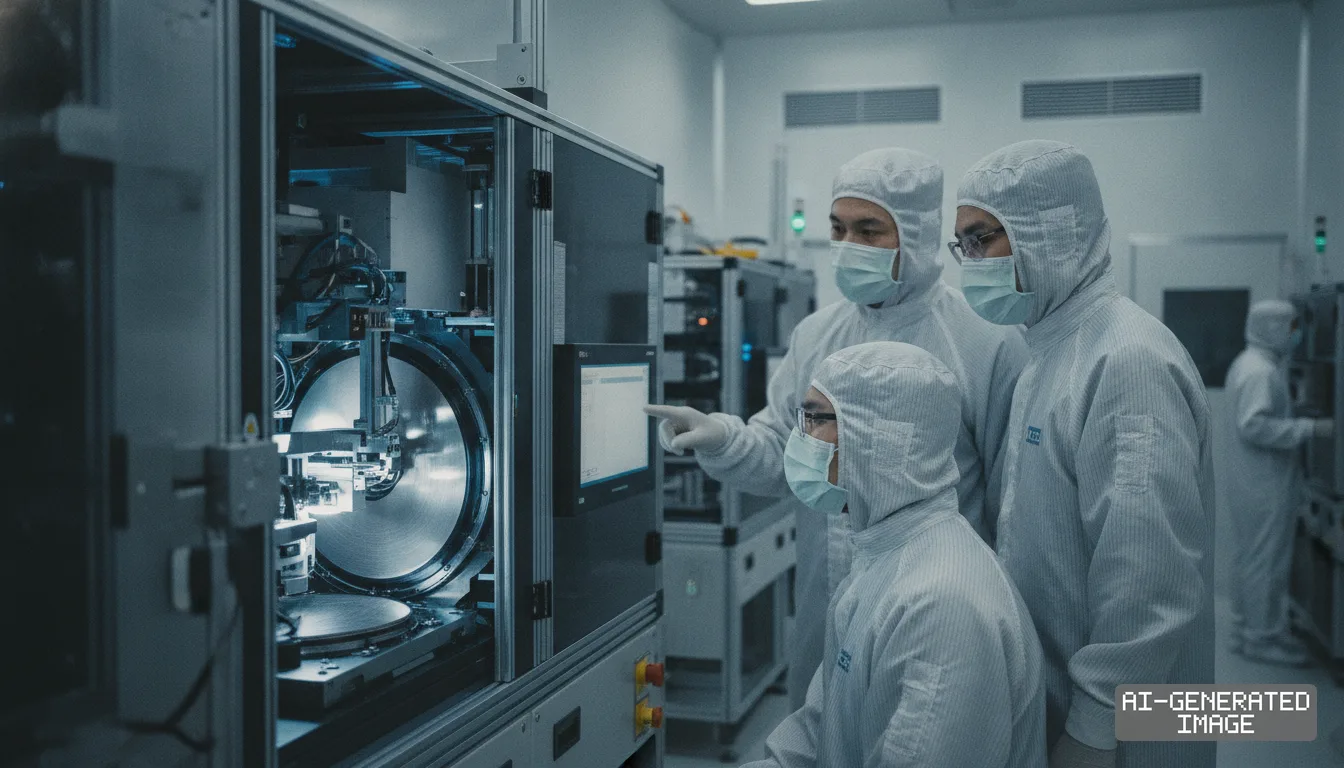
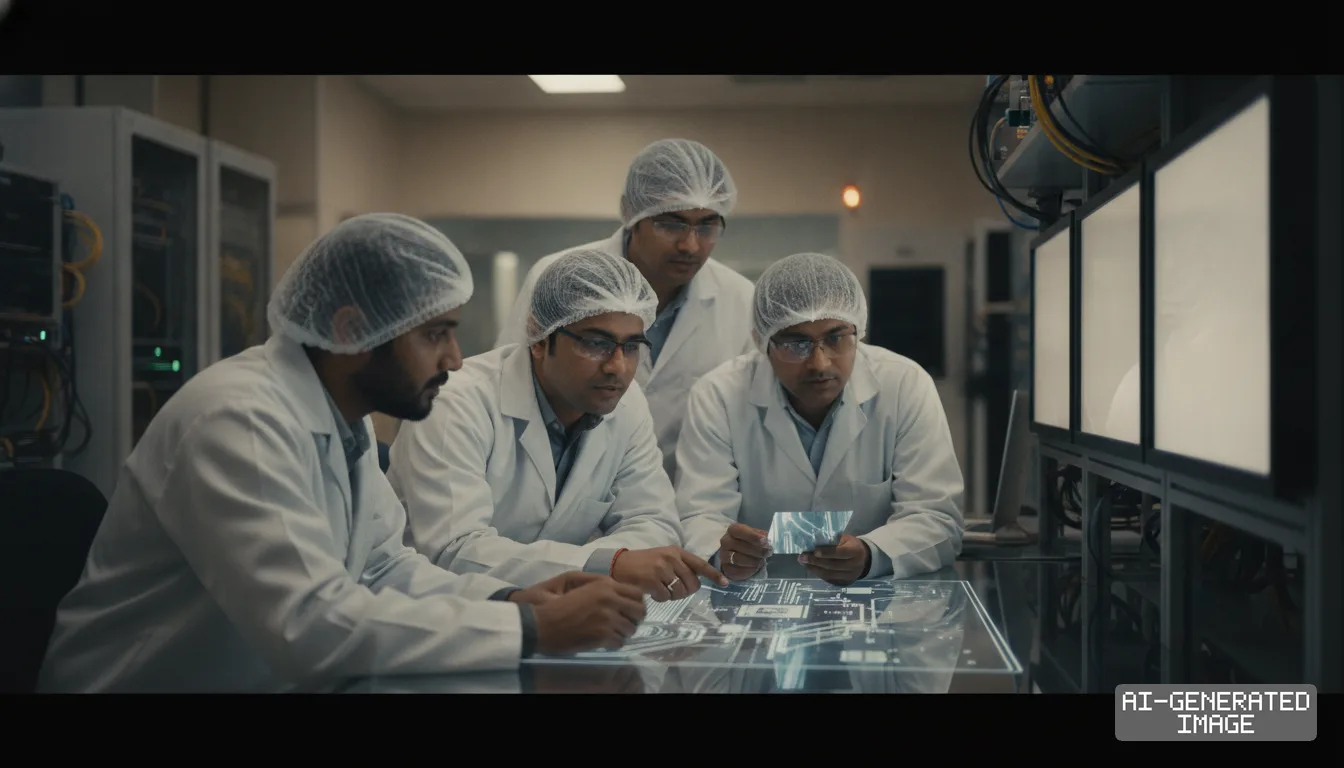
Australia backs mineral refining with A$7B to counter China
The refreshed strategy provides a 10% processing tax credit and a A$1.2 billion reserve to process lithium and rare earths domestically rather than shipping raw ores to Chinese smelters.
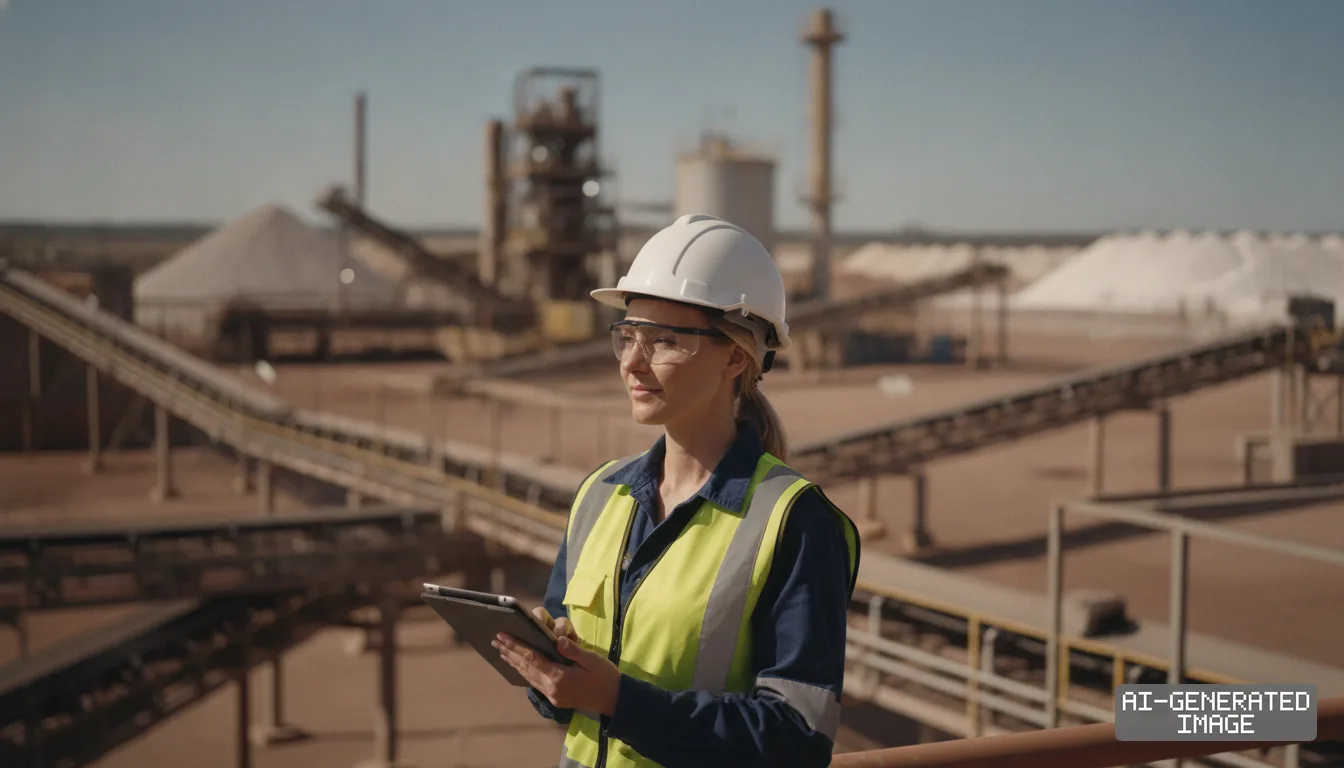
Minister for Resources Madeleine King released an updated National Critical Minerals Strategy on Oct. 27, 2026, establishing tax credits and direct stockpiles to break dependence on Chinese smelters.
The document delivers the statutory 2026 review promised under the original 2023–2030 roadmap. The policy moves Australia from raw mining to domestic chemical separation and refining.
Australia extracts about 52% of the world's raw lithium but ships more than 90% of its spodumene concentrate directly to Chinese refiners for chemical conversion.
Spodumene concentrate — the lithium-bearing mineral extracted from hard-rock pegmatites — leaves Australia with minimal local value addition. Chinese chemical plants capture the resulting refining margins.
The revised policy commits A$7 billion ($4.6 billion) under the Critical Minerals Production Tax Incentive. That program provides a 10% refundable offset on downstream processing expenses.
Treasury established the incentive under the Future Made in Australia legislation. It covers eligible operating costs for 31 designated minerals processed between July 1, 2027 and June 30, 2040.
The program offers support for up to 10 years per project. Raw material purchase costs, capital plant depreciation and interest charges remain excluded from the eligible calculation base.
The strategy also formalizes the A$1.2 billion ($780 million) Critical Minerals Strategic Reserve. The reserve acquires and stockpiles refined compounds vital to allied supply chains.
Federal lawmakers enabled the reserve through the Export Finance and Insurance Corporation Amendment Act, passed on March 31, 2026. The legislation directs sovereign capital into strategic minerals.
The stockpile targets antimony, gallium and separated rare earth elements. China imposed strict export controls on those three materials between 2023 and 2025.
Canberra expanded the Critical Minerals Facility to A$5 billion ($3.3 billion). Export Finance Australia manages the vehicle to back midstream processing lines with loans, guarantees and equity investments.
Chinese processors face direct competition as Canberra matches subsidies offered by the United States and the European Union. China controls roughly 90% of global rare earth refining capacity.
Western manufacturers depend almost entirely on Chinese chemical separation for rare earth permanent magnets. Those magnets power electric vehicle traction motors, wind turbines and precision defense navigation systems.
Iluka Resources stands as one primary beneficiary of the revised sovereign program. The company is constructing the Eneabba rare earths refinery in Western Australia.
The Eneabba facility received an additional A$475 million ($310 million) federal loan package in December 2024. The refinery treats a 1-million-tonne internal stockpile of heavy mineral sands.
Once fully operational, Eneabba will produce separated neodymium, praseodymium, dysprosium and terbium oxides. That output will yield enough material to cover roughly 9% of global magnet-grade rare earth demand.
Arafura Rare Earths also secures support for its Nolans bore project in the Northern Territory. The project holds binding links to the new A$1.2 billion Strategic Reserve procurement framework.
The National Reconstruction Fund holds A$200 million ($130 million) in convertible notes in Arafura. The mine and refinery complex targets an annual capacity of 4,440 tonnes of neodymium-praseodymium oxide.
Government financing agencies extended conditional backing to regional mineral sands on Oct. 27, 2026. Export Finance Australia conditionally approved up to A$70 million ($46 million) for Astron Corporation.
Astron plans to develop the Donald Mineral Sands Project in Victoria. The National Reconstruction Fund approved an additional A$110 million ($72 million) investment to recover heavy rare earth concentrates.
Export Finance Australia also approved a $41.4 million debt facility for Global Advanced Metals. That loan supports domestic tantalum and niobium recovery lines used in semiconductor capacitors and turbine alloys.
The Commonwealth government partnered with Japanese and American agencies at Alcoa's Wagerup alumina refinery in Western Australia. The joint facility extracts gallium directly from domestic bauxite streams.
The Wagerup gallium plant targets roughly 10% of total global supply. Gallium metal serves as a base substrate in high-frequency radar modules, fifth-generation base stations and power semiconductors.
South Korean battery makers also hold commercial links to the Australian midstream buildout. POSCO Holdings and LG Energy Solution maintain long-term lithium hydroxide and spodumene offtake agreements in Western Australia.
Both Korean conglomerates face strict sourcing limits under the United States Inflation Reduction Act. The American law penalizes battery cells made with critical minerals sourced from Foreign Entities of Concern.
Refining lithium and rare earths within Australia allows battery manufacturers to claim full tax credits in North America. Chinese ownership or conversion disqualifies the finished battery packs.
The ministry has not published the specific volume thresholds for the Strategic Reserve, and DISR has not stated which individual refiners will secure the first round of state-backed contracts.
The Critical Minerals Production Tax Incentive takes effect on July 1, 2027. The Department of Industry, Science and Resources opens corporate registration windows ahead of that date.
Impact map
How this development propagates across the region and out to global buyers.
| Event | Korea | China | Japan | Global impact |
|---|---|---|---|---|
| Australia critical minerals processing strategy | POSCO and LG Energy Solution secure IRA-compliant refined lithium and rare earths | Smelters lose direct monopoly over Australian spodumene and rare earth feedstocks | Co-financed gallium facility at Wagerup diversifies semiconductor input supply | Western EV and defense OEMs gain non-Chinese supply chains for permanent magnets |
| Australia critical minerals processing strategy | POSCO and LG Energy Solution secure IRA-compliant refined lithium and rare earths | Smelters lose direct monopoly over Australian spodumene and rare earth feedstocks | Co-financed gallium facility at Wagerup diversifies semiconductor input supply | Western EV and defense OEMs gain non-Chinese supply chains for permanent magnets |
In this story
- Companies
- Iluka ResourcesArafura Rare EarthsAstron Corporation
- Tickers
- ILU.AXARU.AXATR.AX
- Exposed
- AlcoaPOSCO HoldingsLG Energy Solution
- Policy
- SubsidiesTax Credits
- Impact
- Supply ChainCapexCost Structure
Track every Subsidies development → Track every Tax Credits development →
Related briefings
- Japan and Australia advance critical minerals security pact Also on Alcoa, Subsidies
- US mounts Kenya rare earth challenge against China at Mrima Hill Also on Iluka Resources, Subsidies
- Arafura signs 850-ton rare earth deal for Western magnets Also on Arafura Rare Earths
- Posco Holdings starts direct lithium extraction test runs for Korean cathode lines Also on Posco Holdings, Tax Credits, LG Energy Solution
Sources
Reporting
Confidence: medium — how we grade this
The documents behind this briefing are linked above. East Asia Brief produces its English text with AI assistance under human editorial review, and does not translate or republish other outlets' articles. See our methodology and AI policy. Spotted an error? Tell us.
The Morning Brief
What changed in Korean, Chinese and Japanese industry overnight — and what it means for your supply chain. One email, weekday mornings, US time. Free.
The Morning Brief is in preparation. Leave your address and we will write to you once — when the first issue is ready. Nothing before that.