Air Liquide invests €170M to expand Japan chip gas capacity
The French industrial gas supplier will build on-site cryogenic units in southern Japan under a long-term contract, bringing its six-month Japan electronics capex to €370 million.
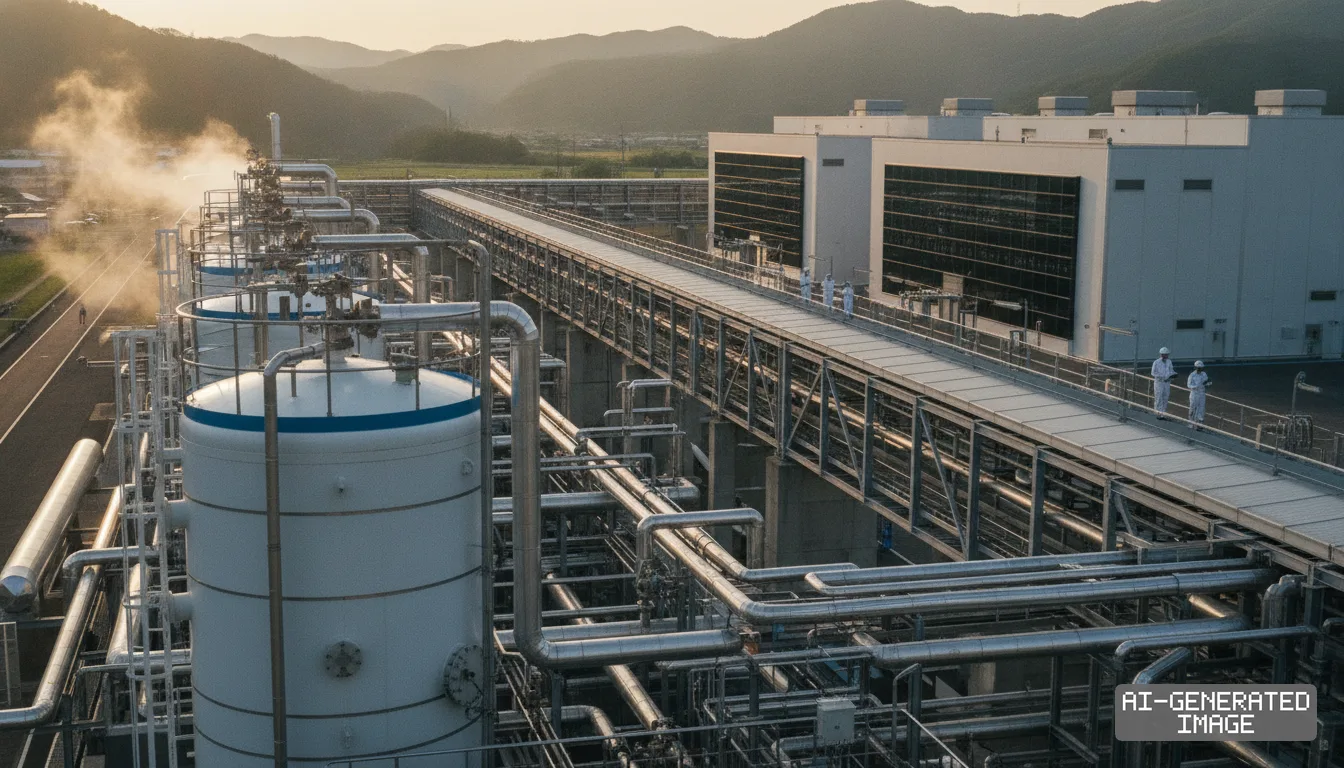
Air Liquide announced on Oct. 1, 2026, an investment of more than €170 million ($192 million) to build ultra-pure industrial gas facilities for a logic chip manufacturer in southern Japan.
The long-term agreement requires the Paris-based supplier to build, own and operate on-site production units. These plants will deliver continuous volumes of nitrogen, oxygen, argon and hydrogen directly to customer cleanrooms, the company said.
The project expands Air Liquide's electronics footprint in Japan beyond its existing 78 facilities. That domestic operating network includes an Advanced Materials Center in Tsukuba and an innovation campus opened in Tokyo in 2019, according to company records.
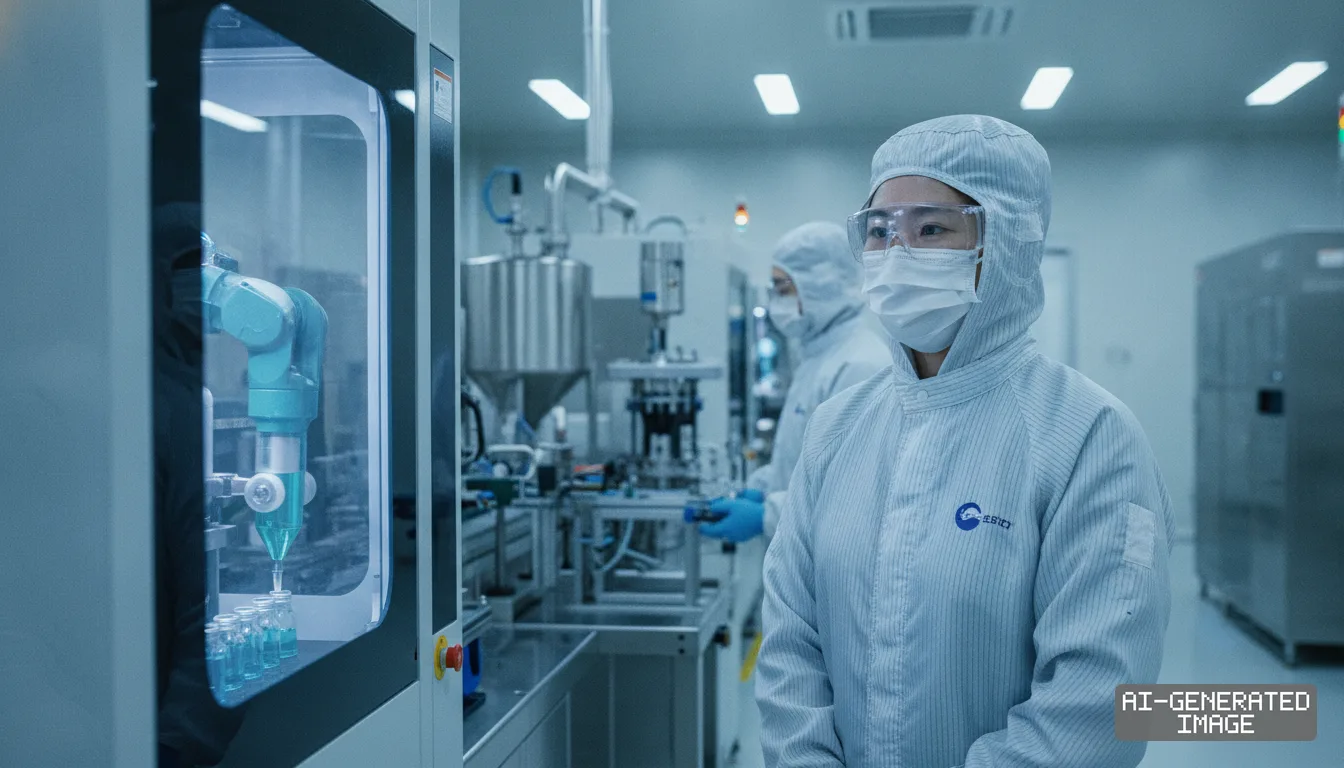
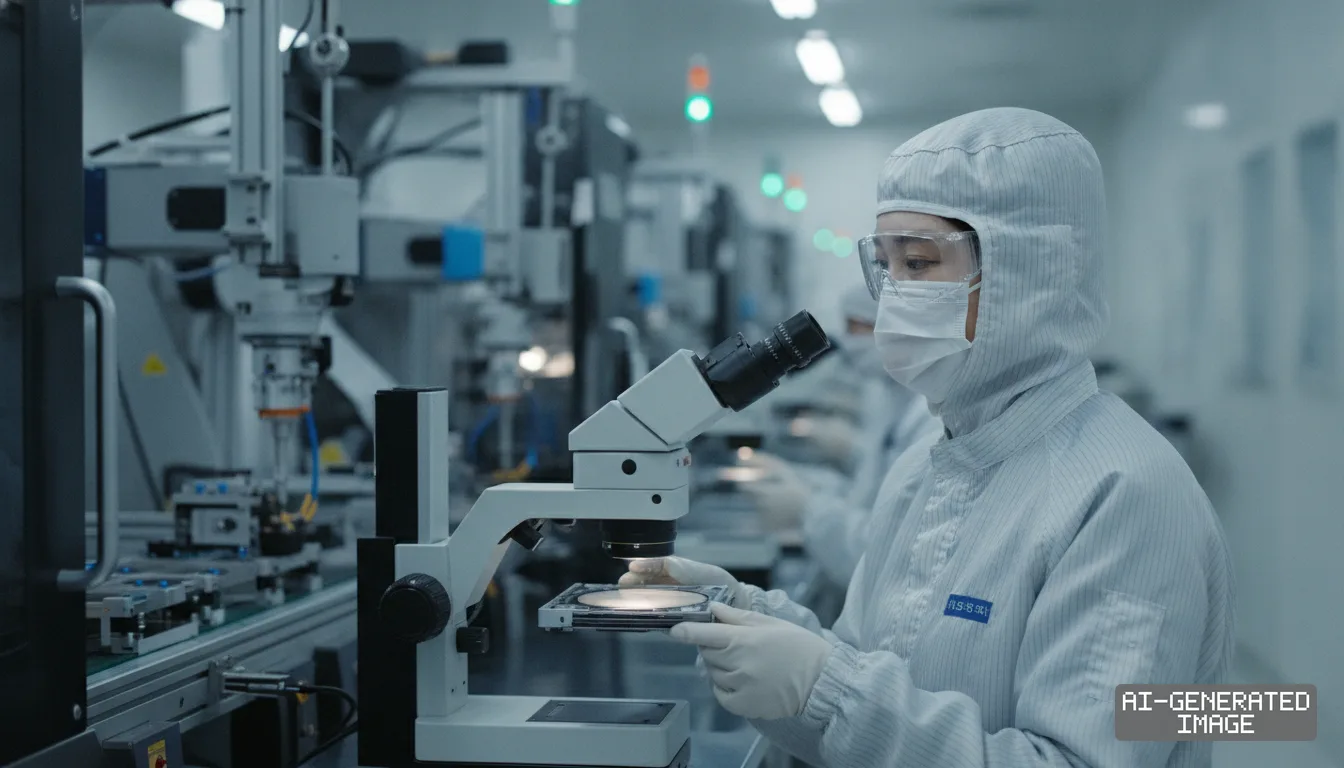
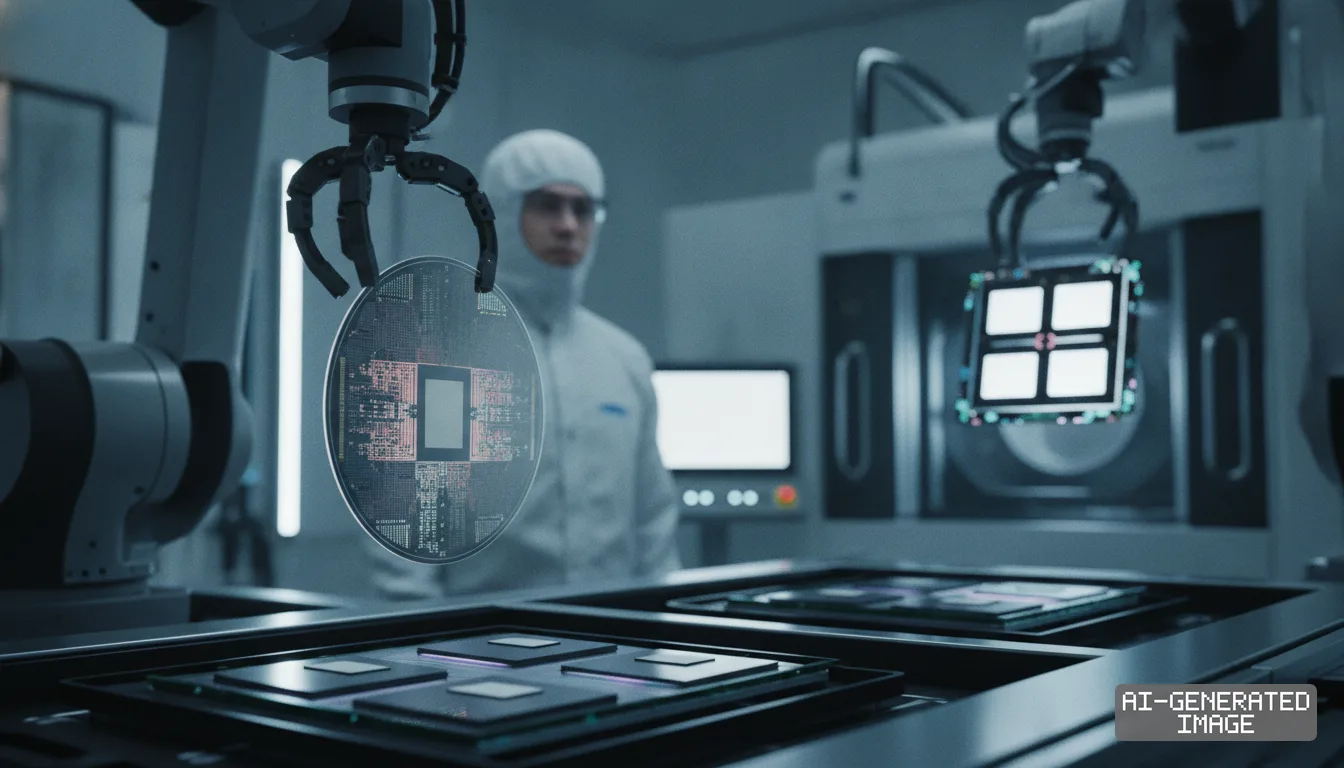
Ultra-high purity gases represent a continuous operational input in advanced semiconductor wafer fabrication. Fabs consume immense volumes of nitrogen for inerting — purging process chambers to shield silicon wafers from atmospheric moisture and unwanted oxygen, company filings indicate.
Specialized manufacturing steps consume oxygen and hydrogen for chemical vapor deposition and thermal oxidation. Argon provides the stable plasma medium required for dry etch processes and deep ultraviolet lithography at narrow circuit geometries, engineers report.
Air Liquide will install dedicated backup storage tanks alongside the cryogenic production units. The on-site storage buffers cleanroom tools against distribution line pressure fluctuations, where a temporary pressure drop can destroy an entire production batch, industry data shows.
The capital outlay follows a separate €200 million ($226 million) investment that Air Liquide announced on April 16, 2026. That earlier contract funds two on-site gas production plants in Hiroshima to supply memory chip fabrication lines, company releases state.
Together, the two agreements commit more than €370 million ($418 million) to Japanese semiconductor gas infrastructure within six months. The capital pace reflects rising global demand for AI processor fabrication capacity across East Asia, market trackers said.
The new units will operate at the core of southern Japan's semiconductor corridor on the island of Kyushu. The island hosts clusters of silicon wafer foundries, automotive microcontroller assembly lines and image sensor fabrication facilities, regional business records show.
Taiwan Semiconductor Manufacturing Co. expanded that regional base by opening its first Kumamoto wafer fab in 2024. TSMC also broke ground on a second Kumamoto fabrication facility, bringing cumulative private investment in the district above $20 billion, government filings show.
Sony Group and Denso hold minority equity stakes in TSMC's manufacturing subsidiary, Japan Advanced Semiconductor Manufacturing. The expanding fab complex has drawn dozens of chemical, gas and equipment suppliers into Kumamoto and neighboring prefectures, local trade registries confirm.
Japan's Ministry of Economy, Trade and Industry has committed direct subsidies to revive domestic semiconductor production. The policy aims to triple domestic chip sales to ¥15 trillion ($96 billion) by 2030, ministry budget tables show.
The arrival of multi-billion-dollar cleanrooms has intensified commercial competition among major industrial gas providers. Domestic supplier Nippon Sanso Holdings has historically anchored on-site pipeline contracts across legacy Japanese manufacturing parks, trade filings indicate.
Air Liquide and American supplier Linde have challenged that position by securing long-term contracts linked to incoming foundry projects. Foreign gas producers offer global supply chains for specialized precursor molecules alongside standard cryogenic gases, procurement directors noted.
Long-term gas supply agreements in the semiconductor sector typically run for 15 to 20 years. Such over-the-fence arrangements transfer facility construction costs and operational risks from wafer makers to the gas provider, commercial contract filings show.
The contracts include price indexation formulas that pass electricity rate fluctuations directly through to the semiconductor client. Electricity accounts for roughly 70% of cash operating expenses at cryogenic air separation plants, according to chemical engineering data.
The Hiroshima production units that Air Liquide contracted in April 2026 are scheduled to begin commercial operations by the end of 2028. That startup date coincides with planned technology upgrades at regional DRAM manufacturing cleanrooms, company timelines indicate.
The notice does not state the name of the semiconductor customer, the specific prefecture or the scheduled completion date for the new southern production units. Air Liquide did not disclose those commercial details in its release, the company said.
Meanwhile, northern Japan is developing a parallel industrial cluster around venture Rapidus in Chitose, Hokkaido. Rapidus aims to begin prototype 2-nanometer logic wafer runs in 2025 and reach volume commercial production in 2027, project disclosures state.
Air Liquide Group Vice President Ronnie Chalmers said the southern investment will support expanding logic chip capacity required for artificial intelligence applications. Chalmers supervises the company's industrial and electronics operations across the Asia-Pacific region, the company announced.
Impact map
How this development propagates across the region and out to global buyers.
| Event | Korea | China | Japan | Global impact |
|---|---|---|---|---|
| Japan chip gas capacity expansion | SK hynix and Samsung monitor expanding Japanese logic clusters as foundry rivals secure carrier gas | SMIC and local fabs turn toward domestic gas purifiers amid regional tool and material scrutiny | Air Liquide expands domestic footprint alongside Nippon Sanso, adding €370 million in six months | Advanced logic and AI server supply chains secure cryogenic carrier gas volumes across East Asia |
In this story
- Companies
- Air Liquide
- Tickers
- AI.PA
- Exposed
- Taiwan Semiconductor Manufacturing Co.Sony GroupDensoNippon Sanso HoldingsRapidus
- Policy
- Subsidies
- Impact
- CapexSupply ChainCost Structure
Track every Subsidies development →
Related briefings
- ASML expands Japan workforce to 700 to support Rapidus 2nm and TSMC fabs Also on Sony Group, Denso, Rapidus
- East Asia fab water rules diverge as Taiwan mandates reuse while Korea and Japan rely on state grids and local pacts Also on Rapidus, Taiwan Semiconductor Manufacturing Co.
- Comparing East Asia Fab Subsidies Across Japan, Korea, and China Also on Rapidus, Cost Structure
- Japan Expands CMP Slurry Lines for Backside Power Also on Rapidus
Sources
Reporting
Confidence: medium — how we grade this
The documents behind this briefing are linked above. East Asia Brief produces its English text with AI assistance under human editorial review, and does not translate or republish other outlets' articles. See our methodology and AI policy. Spotted an error? Tell us.
The Morning Brief
What changed in Korean, Chinese and Japanese industry overnight — and what it means for your supply chain. One email, weekday mornings, US time. Free.
The Morning Brief is in preparation. Leave your address and we will write to you once — when the first issue is ready. Nothing before that.