ACM Research opens $100M Oregon fab tool plant in Hillsboro
The 40,000-square-foot facility expands domestic wet cleaning tool output near Pacific Northwest chipmakers as nine-month segment revenue hit $891.9 million.
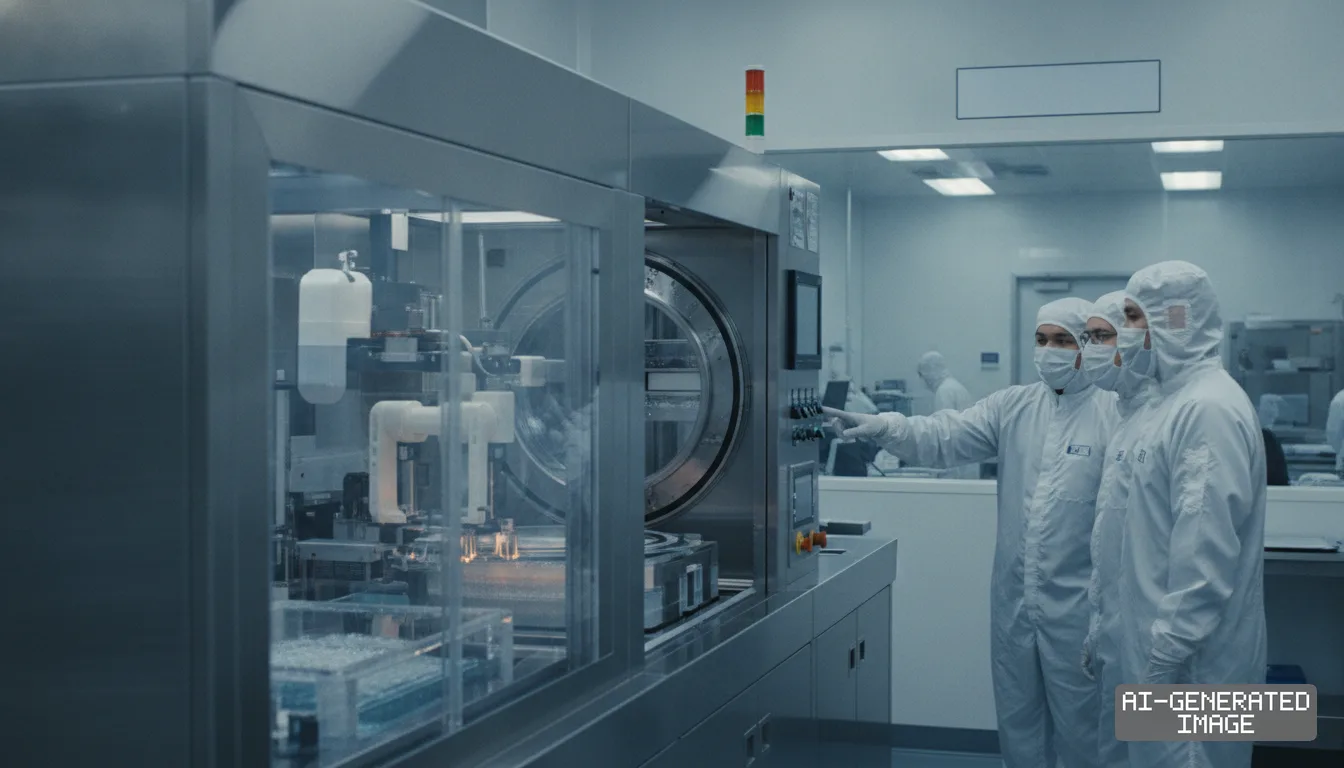
ACM Research opened a 40,000-square-foot manufacturing and research facility in Hillsboro, Oregon, on Nov. 17, marking the first phase of a planned $100 million U.S. capital program.
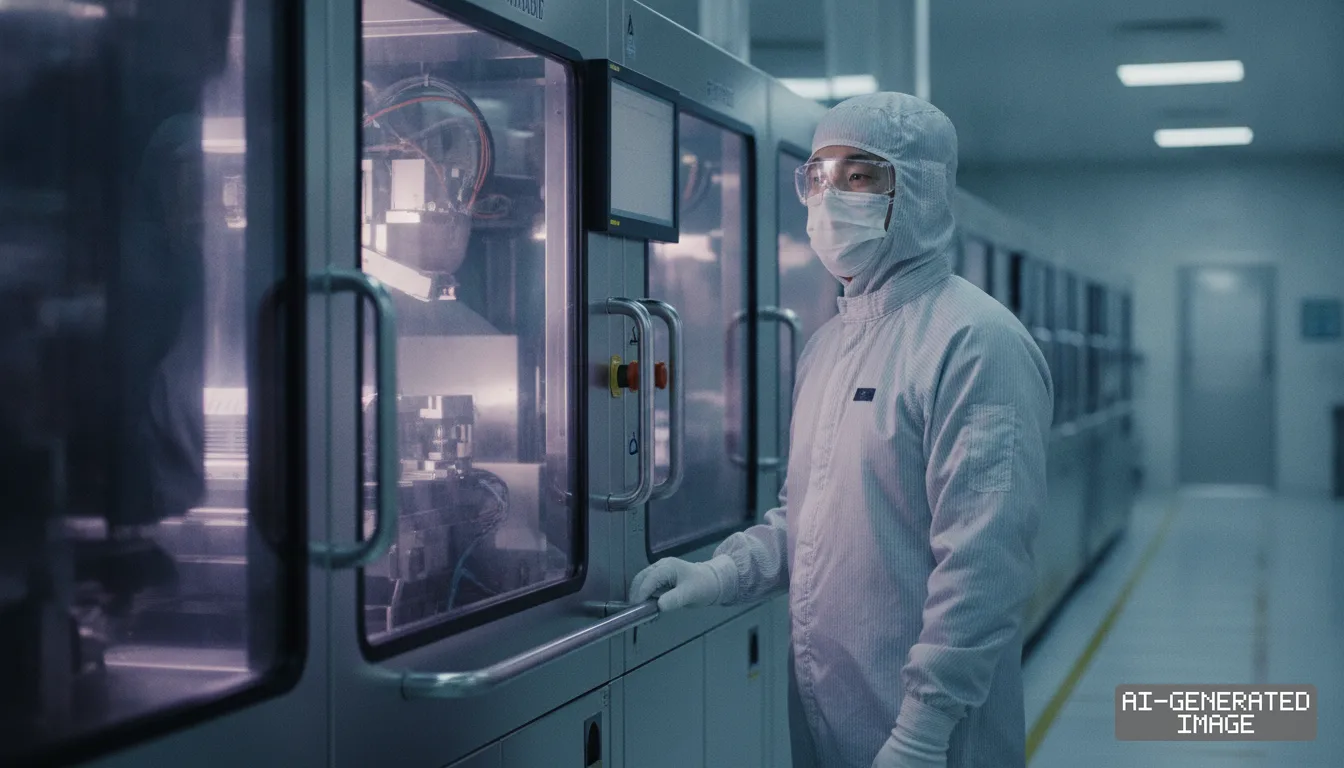
The site includes 24,000 square feet of cleanroom production space and demonstration laboratories. The expansion gives the company a domestic base near major chipmakers in the Pacific Northwest semiconductor cluster, company officials said.
ACM Research builds wet cleaning tools — equipment using chemical sprays and ultrasound to wash microscopic impurities off wafers — and electroplating systems. Those tools generated $891.9 million in revenue through the first nine months of 2026.
The Oregon opening follows growing scrutiny from trade regulators in Washington. The U.S. Commerce Department added the company's main operating subsidiary, ACM Research (Shanghai), Inc., to the Entity List on Dec. 2, 2024.
That designation restricted ACM Shanghai from buying specified U.S. components and software without special government licences. The California-based parent company, incorporated in Delaware, was not placed on the export blacklist.
ACM Research owns a 72.8% equity stake in ACM Shanghai, which trades on the STAR Market. The Shanghai subsidiary manufactures nearly all commercial tools and generates a substantial majority of consolidated revenue, regulatory filings show.
The parent company bought the Hillsboro property in October 2024 for $7.75 million. The deal replaced a smaller sales office established in 2023 with full assembly and customer evaluation lines.
Establishing assembly lines in Oregon represents an effort to isolate North American operations from Chinese geopolitical risk. The move allows U.S. customers to test tools locally without relying on imports from Shanghai, executives said.
The company faces structural cross-border exposure across its equipment portfolio. Cleaning systems accounted for 52% of total revenue during the first nine months of 2026, while electrochemical plating and furnace tools delivered 36%.
A customer in Asia received the company's first panel-level horizontal electroplating tool in October. Advanced packaging systems for artificial intelligence processors represent the fastest-growing segment of its commercial shipments, financial disclosures showed.
The Oregon factory will assemble single-wafer cleaning systems alongside advanced packaging plating tools. Local assembly reduces shipping turnaround times and allows domestic engineers to modify machine chambers directly for customer wafer trials.
Domestic procurement also shields U.S. chipmakers from supply disruptions caused by tightening export controls. Local spare parts warehousing will shorten repair intervals and minimize wafer fabrication downtime, the company said.
Most of the company's historical deliveries went to Chinese semiconductor fabricators expanding mature and advanced production capacity. Chinese foundries and memory makers have accelerated tool purchases to hedge against widening international equipment restrictions.
Maintaining parallel production centers in Shanghai and Oregon creates operational overhead. Sourcing certified electronic sub-assemblies in the United States typically carries higher manufacturing costs than procuring components through supply chains in eastern China.
U.S. export controls also restrict American citizens and permanent residents from supporting certain Chinese fab lines without licences. Operating an autonomous Oregon unit allows the company to employ domestic semiconductor engineers legally, analysts said.
ACM Research has simultaneously built assembly capacity in South Korea through a local subsidiary. The multi-country network aims to separate tools destined for Chinese wafer fabs from hardware sold to Western semiconductor manufacturers.
Cross-border technology transfers remain under close observation by export enforcement officials. Equipment architectures developed in Shanghai cannot be transferred freely to U.S. operations if they incorporate controlled technology or restricted foreign-developed design data.
The company must prove that tools built in Oregon operate without technical dependencies on its blacklisted Shanghai unit. Regulators in Washington review whether corporate parents provide indirect assistance to Entity List subsidiaries through common management.
ACM Research reported a 37% year-over-year revenue increase in the third quarter of 2026. Shipments rose 31% over the same period, prompting management to raise its annual sales target.
Global tool shipments outside mainland China accounted for a small fraction of deliveries earlier this year. Executives project that Oregon output will expand sales to non-Chinese customers through the remainder of the decade.
The company did not disclose the planned annual wafer-tool unit output for the Hillsboro site. Corporate filings also do not confirm whether cross-border engineering blueprint transfers between Delaware and Shanghai have received Commerce Department licences.
A second manufacturing building at the company's Lingang site in Shanghai comes online in December. Initial customer evaluations of wet cleaning tools built at the Hillsboro plant will begin on Dec. 15, company schedules showed.
Impact map
How this development propagates across the region and out to global buyers.
| Event | Korea | China | Japan | Global impact |
|---|---|---|---|---|
| Oregon plant opening | local subsidiary expands production to supply non-China tools | ACM Shanghai adds Lingang fab space under Entity List restrictions | Tokyo Electron and Screen retain wet-bench share at advanced Western fabs | chipmakers gain alternative U.S. cleaning tool source to diversify supply chains |
| Oregon plant opening | local subsidiary expands production to supply non-China tools | ACM Shanghai adds Lingang fab space under Entity List restrictions | Tokyo Electron and Screen retain wet-bench share at advanced Western fabs | chipmakers gain alternative U.S. cleaning tool source to diversify supply chains |
In this story
- Companies
- ACM Research
- Tickers
- ACMR
- Exposed
- ACM Research Shanghai
- Policy
- Export Controls
- Impact
- Supply ChainComplianceCapex
Track every Export Controls development →
Related briefings
- ACM Research Expands Korea Plant to Bypass US Export Rules Also on ACM Research, Export Controls, Compliance
- China DRAM Makers Advance Proprietary Vertical Stacking to Counter HBM Export Curbs Also on ACM Research Shanghai, Export Controls
- US signs multilateral AI supply chain pact with eight allies Also on Export Controls, Compliance
- US scrutiny of AI chip diversion threatens SE Asia data centers Also on Export Controls, Compliance
Sources
Primary documents
Reporting
Confidence: high — how we grade this
The documents behind this briefing are linked above. East Asia Brief produces its English text with AI assistance under human editorial review, and does not translate or republish other outlets' articles. See our methodology and AI policy. Spotted an error? Tell us.
The Morning Brief
What changed in Korean, Chinese and Japanese industry overnight — and what it means for your supply chain. One email, weekday mornings, US time. Free.
The Morning Brief is in preparation. Leave your address and we will write to you once — when the first issue is ready. Nothing before that.