XPeng Scales Humanoid Robot Line with Electric Vehicle Parts in 2026
The Chinese electric vehicle maker aims to build 1,000 units monthly by late 2026, cutting component procurement overhead by sharing over 85% of suppliers with cars.
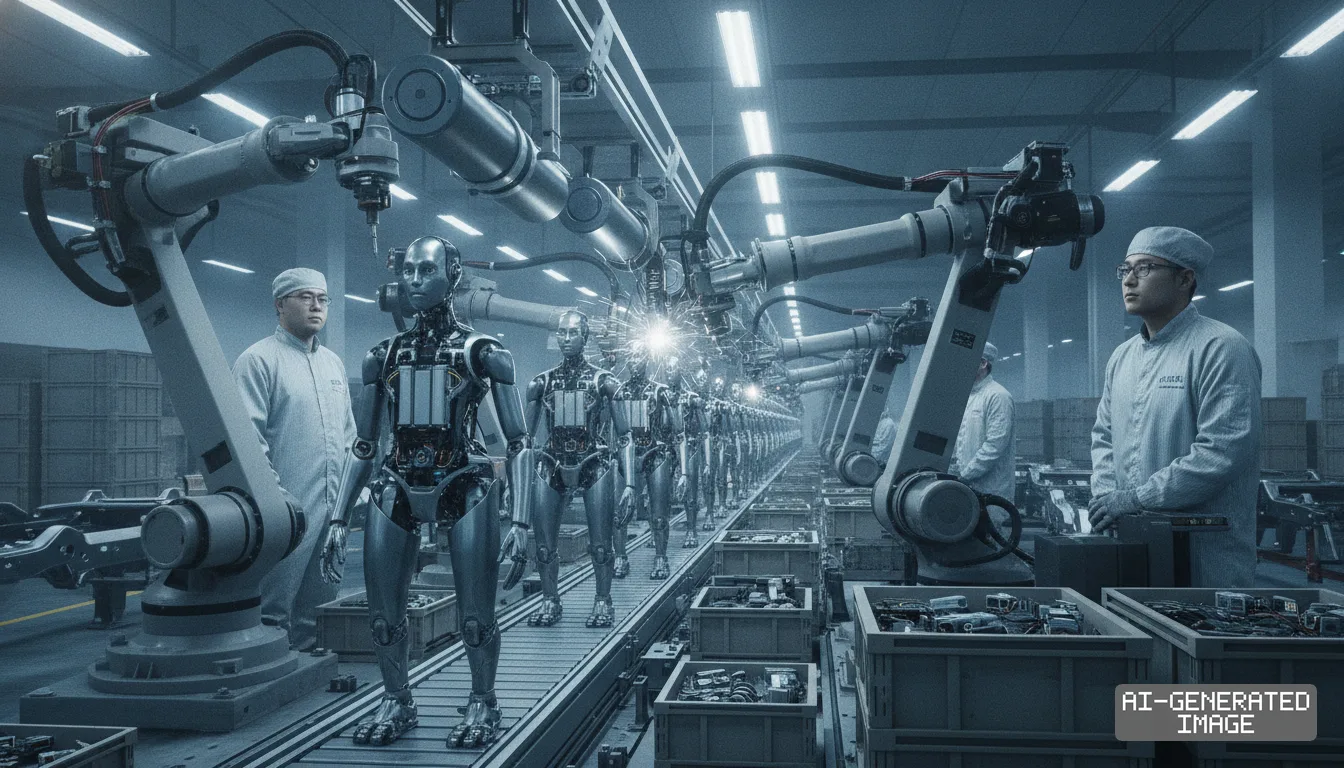
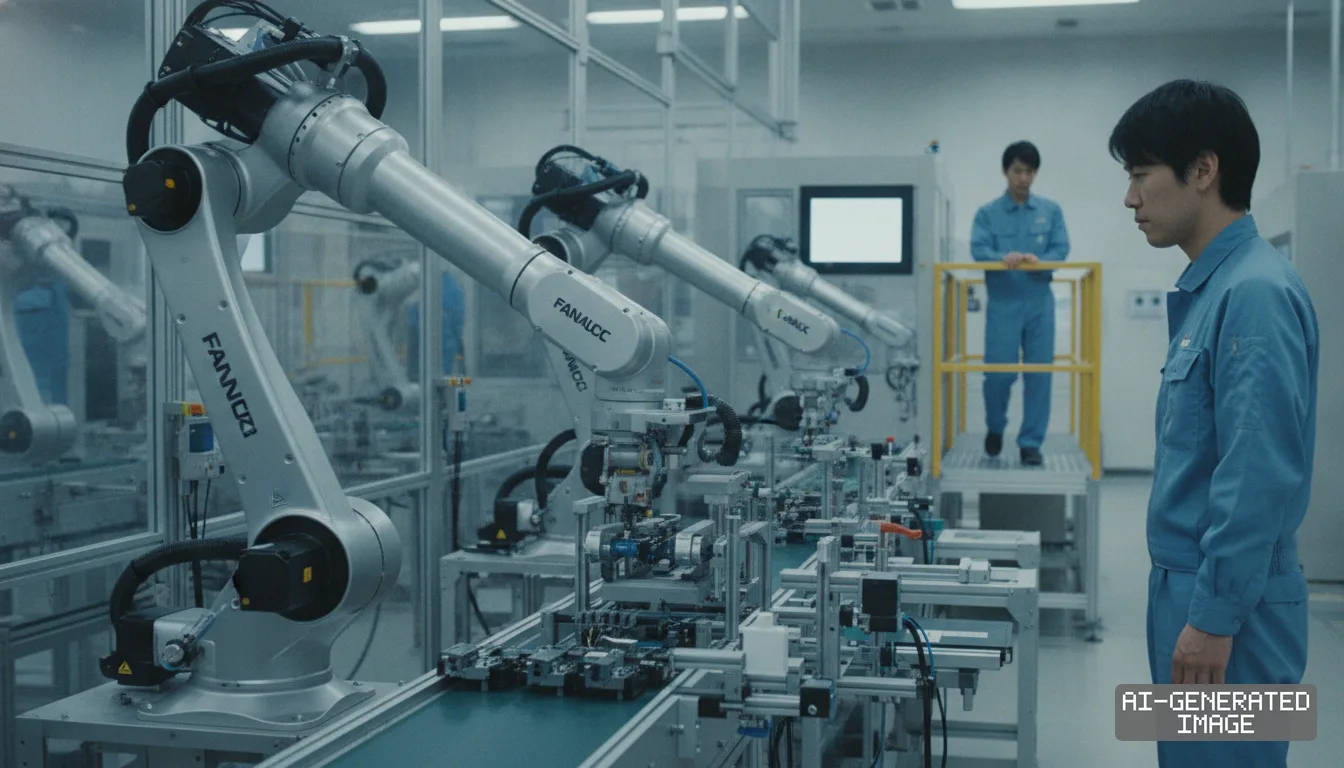
XPeng Inc. reinforced its manufacturing pivot on Oct. 8 as automakers accelerate plans to mass-produce humanoid robots, using an automated assembly line in Guangzhou that integrates electric vehicle supplier networks.
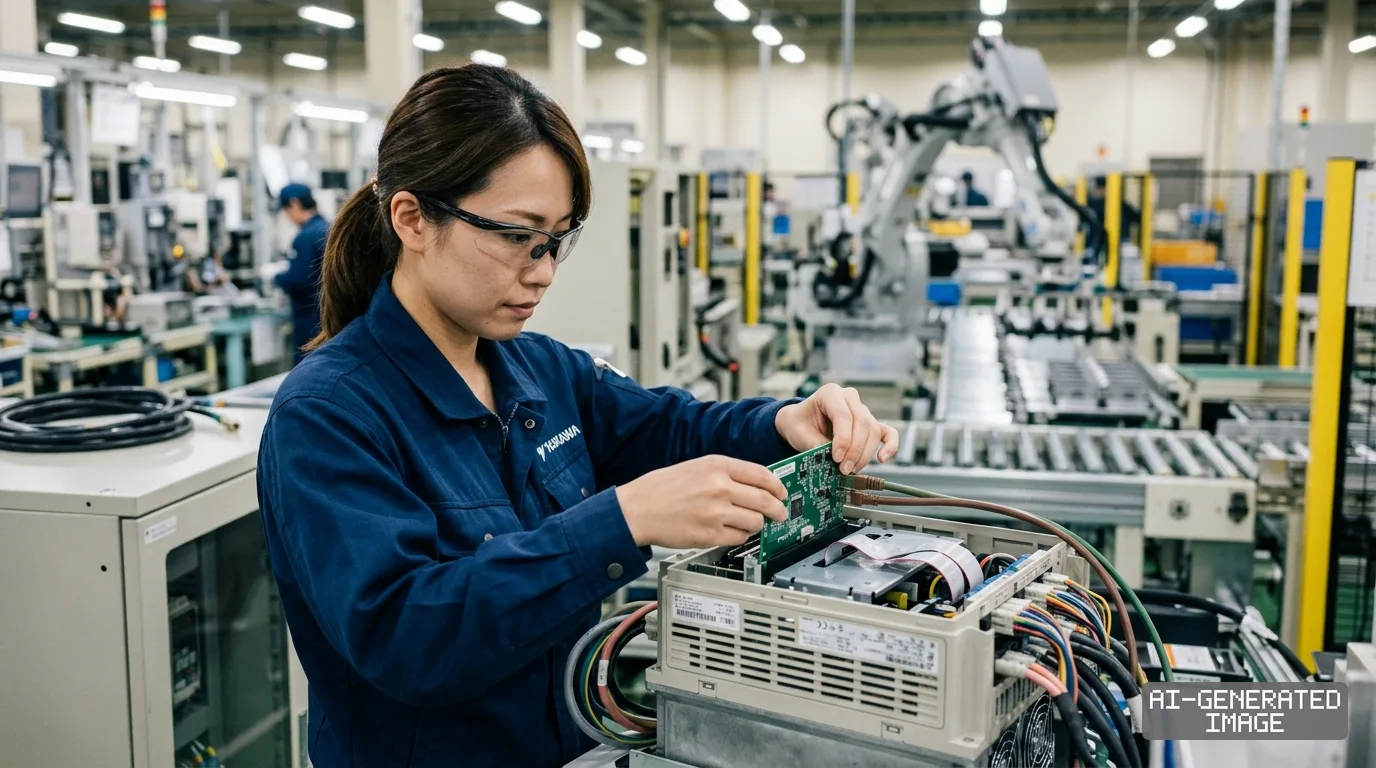
The Guangzhou facility automates over 80% of core assembly processes for the bipedal machine. XPeng shares more than 85% of component suppliers between its passenger cars and its humanoid robotics division.
XPeng aims to produce 1,000 humanoid robots per month starting in late 2026. That target represents the highest declared assembly rate for commercial bipedal systems among Chinese vehicle manufacturers.
The dedicated line completed initial commissioning on Sept. 8, when XPeng unveiled its IRON humanoid model. The machine walked away from the final assembly station under autonomous control without a mechanical tether.
The production setup moves humanoid robotics beyond laboratory prototyping into repeatable industrial cycles. Automotive tooling and standardized testing fixtures replace manual bench assembly at every stage of the line.
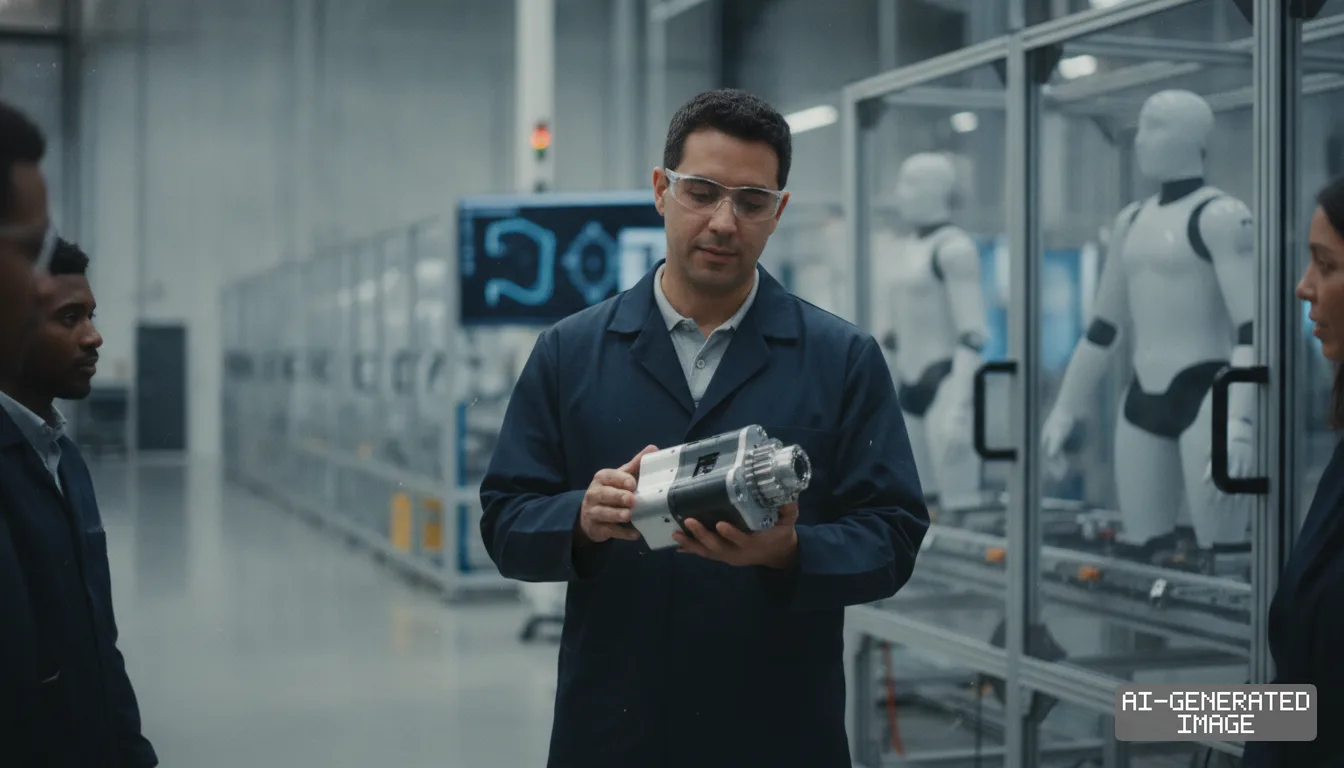
IRON stands 178 centimeters tall and features 76 degrees of freedom across its frame. The robotic hands integrate 21 articulated joints each, enabling precise manipulation of tools in warehouse and assembly environments.
Engineers built the torso around an articulated spine structure rather than a single rigid waist joint. A flexible lattice casing encloses the actuation cables to reduce pinch hazards during physical collaboration with human workers.
Three in-house Turing artificial intelligence chips control movement and perception, delivering 2,250 trillion operations per second. XPeng uses the identical processor architecture in its autonomous driving computers for passenger cars.
Procuring semiconductors across vehicle and robotics programs lowers unit purchasing costs, the company said. Shared silicon orders give the robotics group volume discounts rarely accessible to specialized robotics startups.
The robot uses high-torque electric servo actuators instead of hydraulic pumps. XPeng sources motor coils and transmission gears from automotive supply vendors already certified under global production quality protocols.
Automotive quality systems helped resolve early mechanical failures during field tests in Shenzhen. Technicians traced intermittent balance faults to vibration in internal electrical connectors rather than defects in motion software.
Engineers redesigned the dexterous hands after preliminary prototypes wore down during four weeks of continuous operation. The updated joints sacrificed a narrow range of articulation to gain longer service intervals on factory floors.
XPeng Chairman and Chief Executive Officer He Xiaopeng assumed direct management of the robotics team in June. The restructuring aligned humanoid production directly with the company's vehicle manufacturing and global procurement directors.
The robotics division raised $900 million in private funding in August to expand capital investment. The financing round set a record for embodied artificial intelligence ventures across Chinese industrial technology firms.
IDG Capital, Tencent Holdings and Alibaba Group Holding backed the fundraising round. The outside capital funds tooling procurement and automated calibration cells inside the Guangzhou manufacturing plant.
Automakers worldwide are pursuing factory robotics to counter aging industrial workforces and trim production costs. Vehicle assembly plants offer controlled indoor test environments where software can gather training data safely.
Tesla Inc. continues developing its Optimus humanoid, planning internal factory deployment across electric vehicle assembly lines. Elon Musk has targeted thousands of active robot workers in manufacturing sites before offering commercial deliveries.
Hyundai Motor Group acquired an 80% controlling interest in Boston Dynamics in 2021 for $880 million. The South Korean conglomerate has since integrated automated inspection units into its assembly facilities in Georgia and Ulsan.
Independent Chinese robotics startups face structural cost disadvantages against vehicle manufacturers. Firms lacking internal vehicle supply chains pay higher premiums for precision cycloidal gears, wiring harnesses and vision sensors.
XPeng trains the IRON locomotion and grasping systems using an internal simulation suite called XPace. The system extracts kinematic profiles from video recordings of factory workers before uploading motion models into the Turing hardware.
Initial batches of IRON will enter XPeng retail stores and office campuses by December 2026. The company schedules commercial shipments and deliveries to external industrial buyers for 2027.
XPeng has not published the unit manufacturing cost for IRON or the commercial retail price for corporate clients. The company also has not disclosed the production scrap rate across its automated assembly cells.
Guangzhou municipal authorities included the XPeng robotics facility in the provincial smart manufacturing demonstration registry in September. The listing qualifies the plant for regional municipal utility and infrastructure coordination programs.
Impact map
How this development propagates across the region and out to global buyers.
| Event | Korea | China | Japan | Global impact |
|---|---|---|---|---|
| Automotive-grade humanoid robot line | Hyundai Motor Group expands Boston Dynamics factory automation from 80% stake | XPeng targets 1,000 monthly units with 85% automotive supplier commonality | Fanuc and Harmonic Drive face competition from Chinese in-house actuator tiers | Humanoid bill-of-materials falls as carmakers share chips and volume tooling |
In this story
- Companies
- XPeng Inc.
- Tickers
- XPEV9868.HK
- Exposed
- Tesla Inc.Hyundai Motor GroupAlibaba Group HoldingTencent Holdings
- Policy
- Subsidies
- Impact
- Supply ChainCapexCost Structure
Track every Subsidies development →
Related briefings
- China RISC-V Chipmakers Tap Domestic 14nm Nodes for Industrial AI Also on Alibaba Group Holding
- Xi Jinping plans business delegation for Donald Trump summit Also on Tencent Holdings
- East Asia accelerates 8-inch silicon carbide capacity race as power chip makers scale output Also on Hyundai Motor Group, Cost Structure
- SK On assumes $1.5 billion debt from US battery subsidiary Also on Hyundai Motor Group, Cost Structure
Sources
Reporting
Confidence: medium — how we grade this
The documents behind this briefing are linked above. East Asia Brief produces its English text with AI assistance under human editorial review, and does not translate or republish other outlets' articles. See our methodology and AI policy. Spotted an error? Tell us.
The Morning Brief
What changed in Korean, Chinese and Japanese industry overnight — and what it means for your supply chain. One email, weekday mornings, US time. Free.
The Morning Brief is in preparation. Leave your address and we will write to you once — when the first issue is ready. Nothing before that.